
Film
Love and Honor
A tender, melancholic samurai film about a blind swordsman and his wife navigating honor, duty, and the weight of unspoken love in Edo-period Japan. Director Yoji Yamada brings the same gentle humanism to feudal violence that made Twilight Samurai beloved. It's for people who want emotion without melodrama.
If you liked this
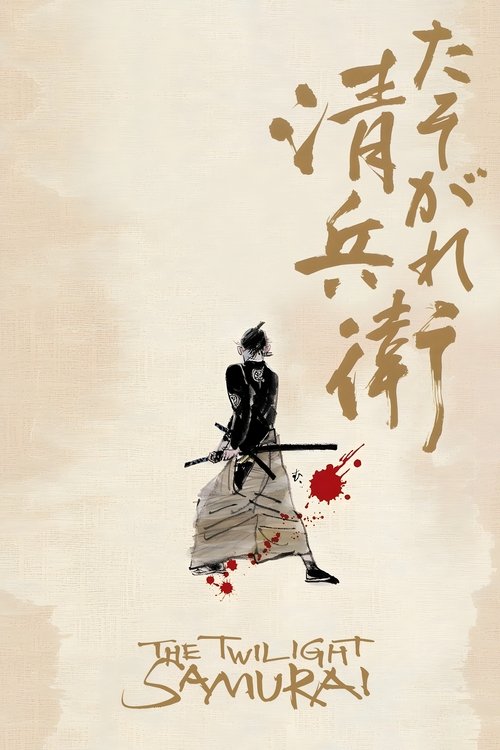
The Twilight Samurai2002
Yamada's masterpiece about a low-ranking samurai's quiet dignity and domestic tenderness. Same director, same emotional intelligence, same refusal to sentimentalize hardship. Essential if you haven't seen it; if you have, this is its spiritual sibling.
But Slow pacing and muted color palette won't satisfy anyone wanting action or visual spectacle. Requires patience with long scenes of living.
Harakiri1962
A samurai film that breaks the genre's back by making honor a trap rather than a virtue. Masaki Kobayashi's masterwork shares Love and Honor's obsession with the gap between duty and human feeling, but with almost unbearable emotional force.
But Genuinely harrowing. The final act is one of cinema's most difficult sequences. Not a meditation; it's a scream.

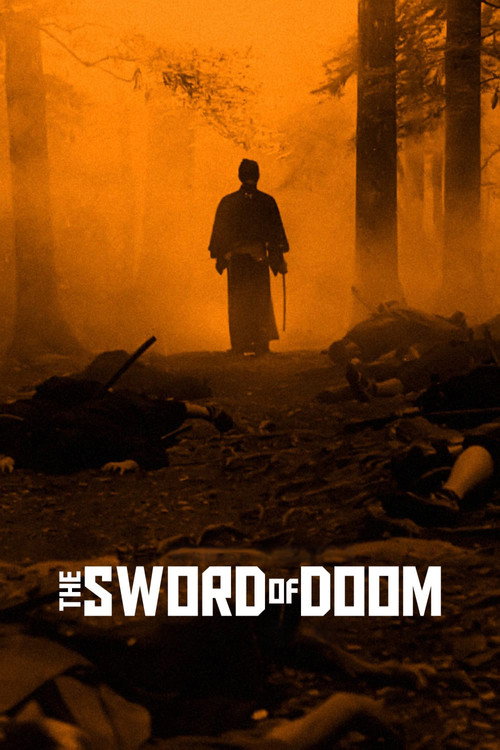
The Sword of Doom1966
Tatsuya Nakadai as a samurai whose skill makes him spiritually hollow. Like Love and Honor, it's interested in how being exceptional at violence damages the person wielding the sword. Audacious formal choices lift it above period drama.
But Bleak and sometimes pretentious. Doesn't resolve neatly or comfort you. The ending especially won't be what you want.
Not sure tonight? Get a pick in a minute, starting from Love and Honor
The wildcard
Something you would not have found on your own.
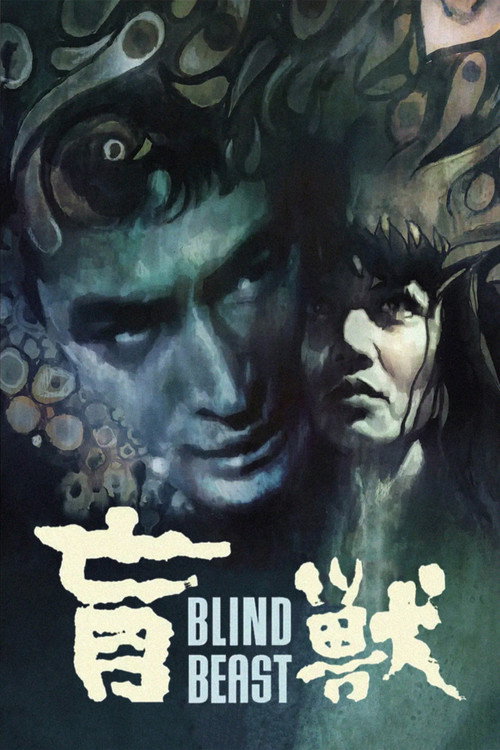
Blind Beast1969
Both make blindness central to understanding love and desire. Love and Honor treats it with grace; this treats it as a descent into obsession. They're mirror images.
Shiro Yamazaki's surreal psychological thriller about a blind sculptor and his obsession with a beautiful woman. Transforms blindness from plot device into a philosophical paradox—maybe unseeing is clearer than sight. Visually audacious in ways Love and Honor never attempts.
But Deeply weird and often unpleasant. The eroticism curdles into something disturbing. Intentionally repulsive in places; not everyone wants their film to make them uncomfortable.
More like this (7)
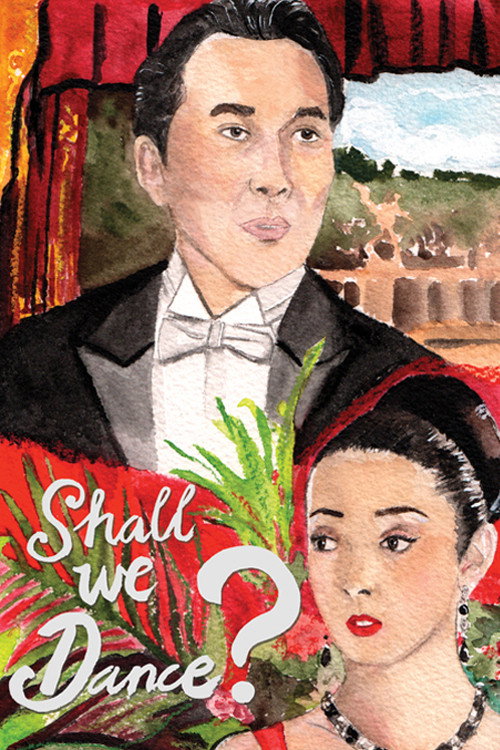
Shall We Dance?1996
Isao Natsukawa's film about a reserved businessman who secretly takes ballroom dancing lessons. Same emotional register as Love and Honor—quiet, observant, about finding life within constraints. Japanese cinema's most perfect love story for adults.
But Nothing much happens. If you need plot momentum or conflict, this dissolves into contentment when you want drama.
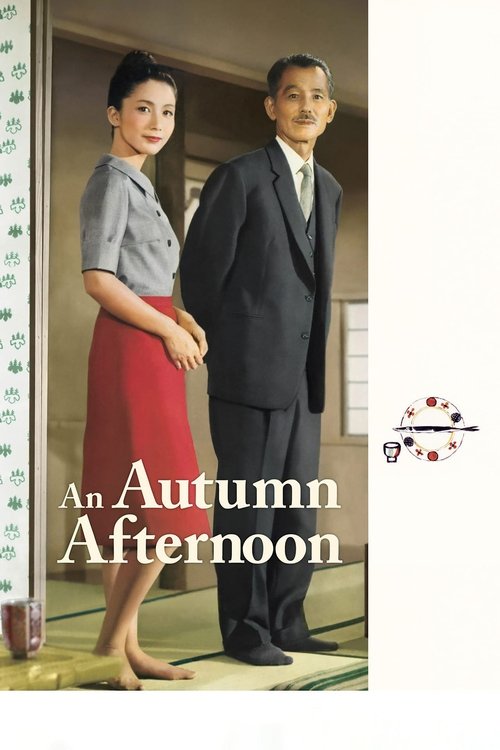
An Autumn Afternoon1962
Ozu's last film, about an aging widower and his daughter. The same tender attention to small moments, the belief that a glance across a room can say everything. Proof that domestic love is as profound as any battle.
But Ozu's pacing will feel glacial if you're not attuned to it. Long takes of people sitting. Some find it boring; others find it the point.
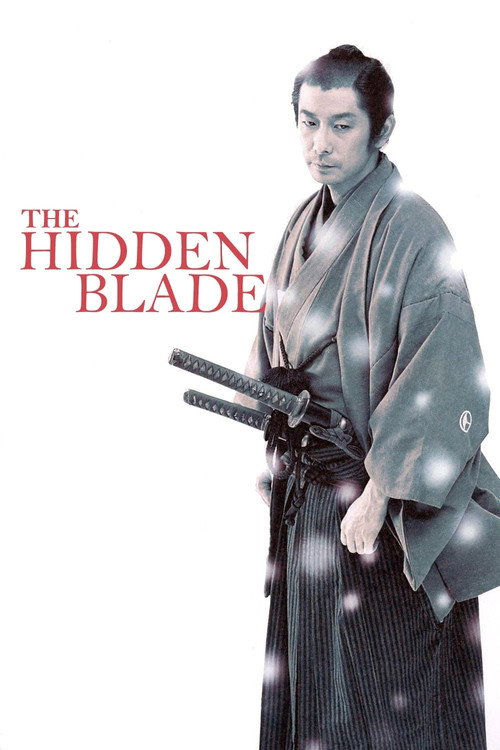
The Hidden Blade2004
Yamada again—a samurai film about a swordmaster who falls for the widowed sister of a dead friend. Explores loyalty, desire, and the impossible choices honor demands. Gorgeous and heartbreaking in the same breath.
But If you're watching multiple Yamada samurai films, you might find the themes start repeating. Recognizable DNA can read as familiar rather than resonant.
Ikiru1952
Kurosawa's film about a dying bureaucrat finding meaning in a small act of creation. Shares Love and Honor's belief that nobility lives in quiet moments, that duty and love needn't be enemies. Essential cinema, period.
But The first half is deliberately tedious—that's the point, but the point takes patience. Some find it slow; others find it essential.

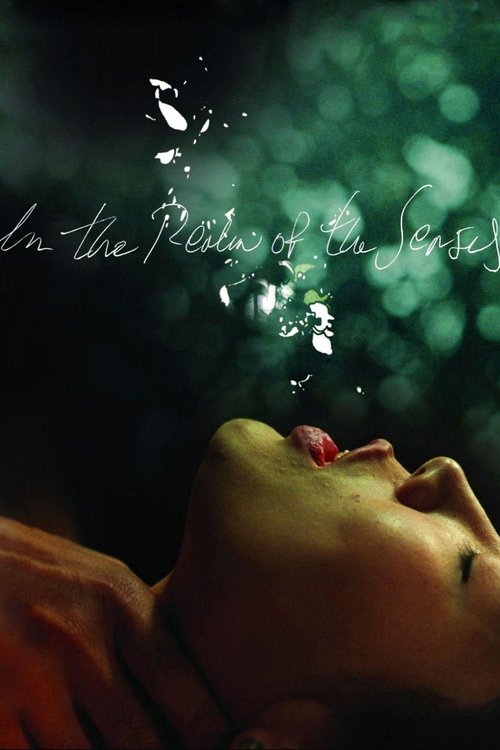
In the Realm of the Senses1976
Nagisa Oshima's shocking film about obsessive love in 1930s Japan. Also about duty versus desire, but where Love and Honor is restrained, this is uncompromising and explicit. Proof that restraint and excess can explore the same emotional truth.
But Graphic sexual content and disturbing emotional manipulation. Not for anyone uncomfortable with explicit depictions of desire becoming pathology. Genuinely difficult to watch.
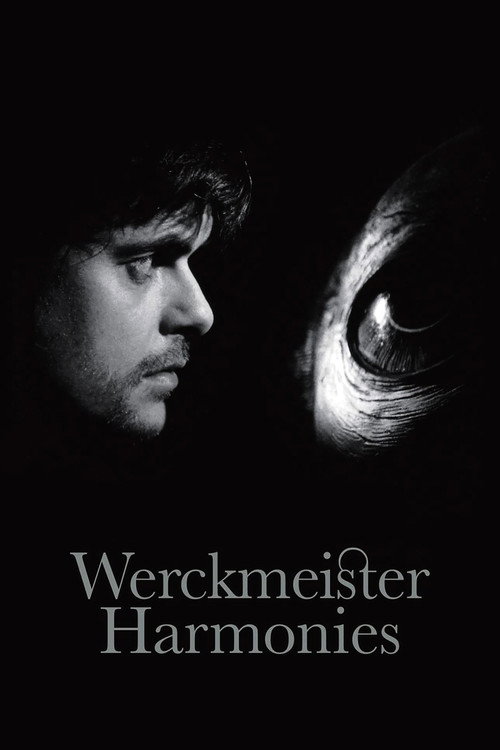
Werckmeister Harmonies2001
Both are films about tenderness as a radical act. Both believe there is more heroism in how a man behaves toward his wife than in any swordplay.
Béla Tarr's Hungarian masterpiece about a man of profound gentleness moving through a world of escalating cruelty. Like Love and Honor, it believes that quiet virtue in the face of indifference is the highest form of resistance. Hypnotic, austere, extraordinarily moving.
But Three hours of black-and-white cinematography at glacial pace. If you need conventional narrative momentum or contemporary style, this will feel like punishment. Not everyone can sit with long-form desolation.
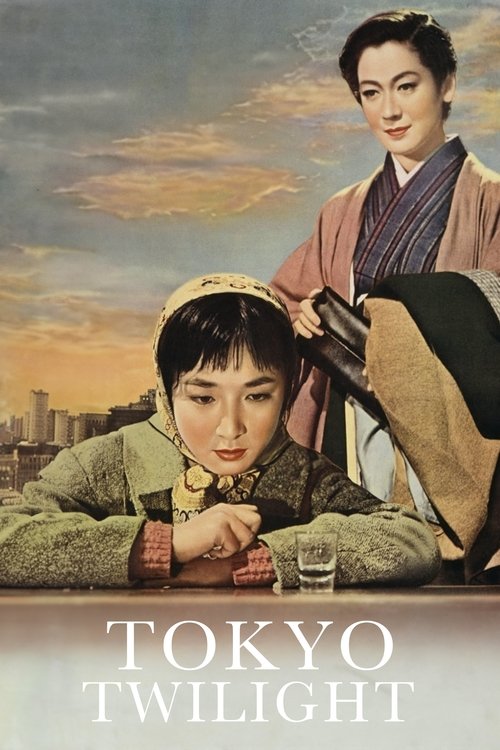
Tokyo Twilight1957
Both are Japanese period pieces exploring how honor and family loyalty can demand sacrifices that destroy the very bonds they're meant to protect.
Ozu's rare venture into genuine darkness—a film about family fracture and shame that refuses easy redemption. Like Love and Honor, it's intimate and observant, but where Yamada offers grace, Ozu here offers only the cold fact of human limitation. Piercing and strange.
But Ozu's style is even more austere here; the emotional payoff is ambiguous at best. Some find this kind of restraint profound; others find it withholding. No catharsis.
People
Cast
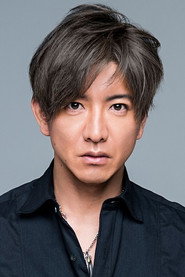 Takuya KimuraShinnojo Mimura
 Rei DanKayo Mimura
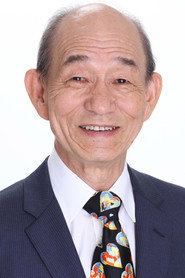 Takashi SasanoTokuhei
 Kaori MomoiIne Hatano
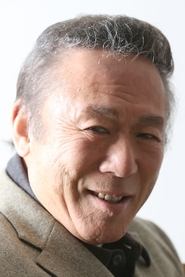 Nenji KobayashiSakunosuke Higuchi
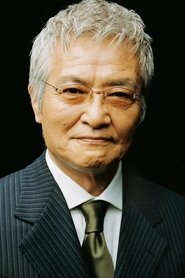 Ken OgataMagohachiro Kibe
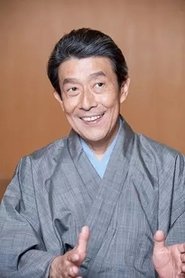 Bandō Mitsugorō XToya Shimada
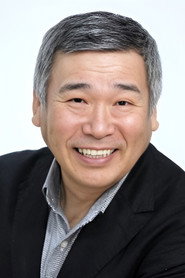
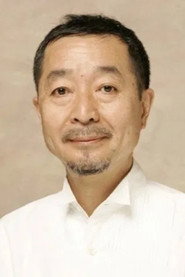


Directing
- Yoji YamadaDirector
Writing
- Shuhei FujisawaOriginal Story
- Emiko HiramatsuScreenplay
- Ichiro YamamotoScreenplay
- Yoji YamadaScreenplay
Production
- Junichi SakomotoExecutive Producer
- Hiroshi FukazawaProducer
- Ichiro YamamotoProducer