
Film
Blind Beast
- Psychological horror
- Very dark
- Strange
Masayuki Suo's 1969 *Blind Beast* is a disorienting descent into obsession and confinement, told through texture and sound rather than sight. A blind sculptor kidnaps a model and keeps her in a warehouse studio filled with grotesque sculptures of the female body. It's genuinely unsettling—formally inventive, sensually overwhelming, occasionally difficult to watch. For those who can stomach transgressive art cinema with a body-horror edge.
Should you watch it?
Watch it if you are drawn to unsettling art-house films where texture, close framing and mood do the storytelling, and you don't mind a story that goes somewhere uncomfortable on purpose.
Skip it if you need plot momentum or a clear moral center; its obsession is sustained rather than eventful, and its sensuality and cruelty can feel like provocation more than conversation.
What it asks of you: Long stretches of one cramped room and a deliberate, airless pace, plus a tolerance for explicit sensuality and sustained discomfort, all packed into a brief eighty-four minutes.
Not sure? Find tonight's pick in a minute.
If you liked this
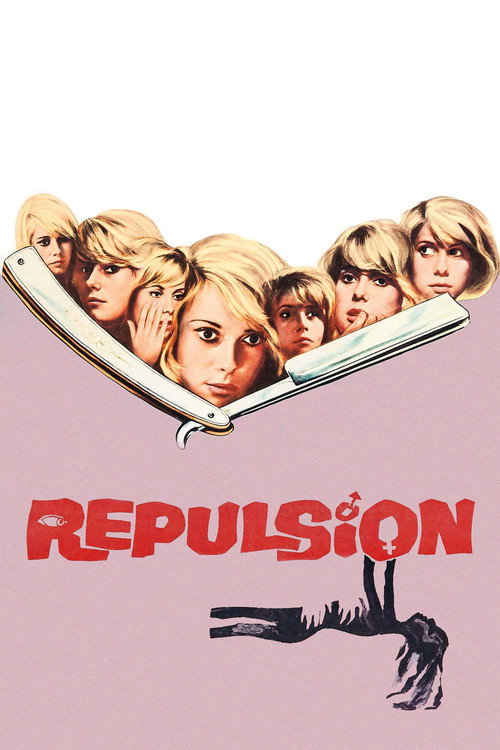
Repulsion1965
Catherine Deneuve's model trapped in her apartment as reality fractures around her. Like *Blind Beast*, a claustrophobic chamber piece about sexual trauma and fractured consciousness, built from sound design and mounting dread.
But Deliberately paced, visually austere, and the psychological spiral can feel glacial. Not a thriller that moves.
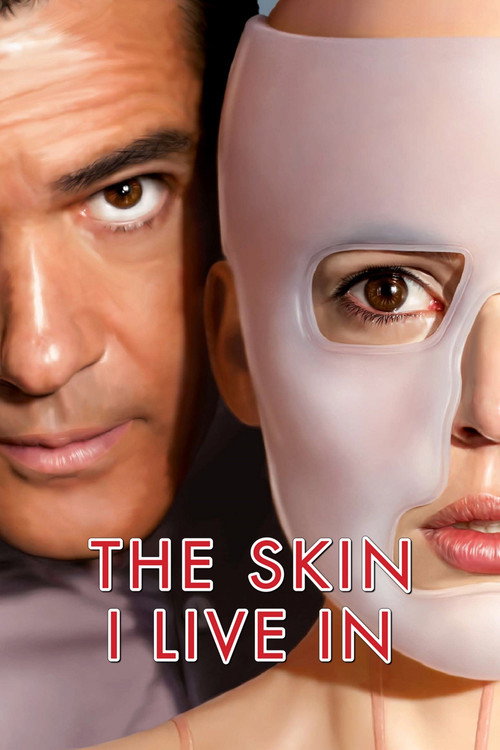
The Skin I Live In2011
A surgeon's obsession with reshaping a woman's body into his ideal. Both films use physical transformation as the site of twisted desire, and both refuse to let us comfortably judge the captive.
But It's a slow-burn mystery that saves its biggest revelation for near the end. Watching a second time hits different, which some find rewarding and others find pointless.
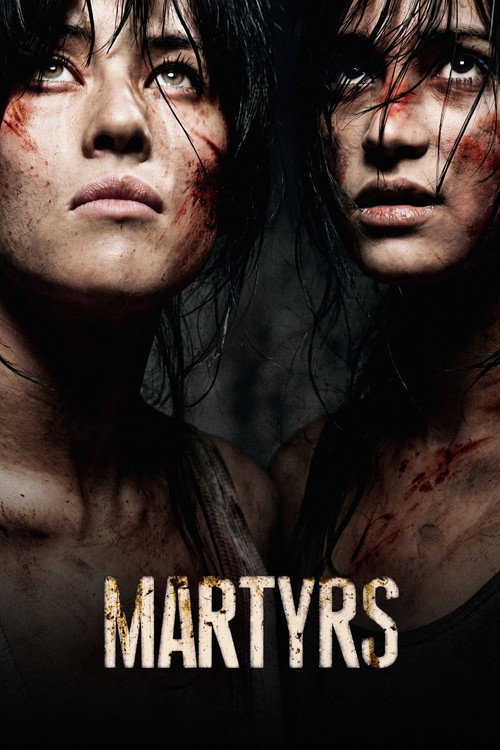
Martyrs2008
Extreme French horror that treats confinement, obsession, and the female body with dead seriousness. The same commitment to making you sit with something unbearable as a means of understanding it.
But Genuinely distressing. Not shock value for its own sake, but it doesn't pull punches either. Involves graphic violence and prolonged suffering.
Not sure tonight? Get a pick in a minute, starting from Blind Beast
The wildcard
Something you would not have found on your own.
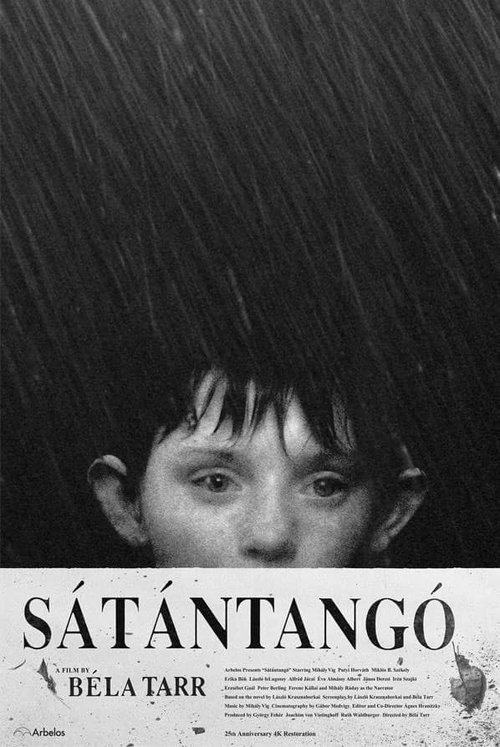
Satantango1994
Both use duration, restricted spaces, and formal constraint—especially the removal of conventional visual comfort—as a way to make you *feel* what it means to be trapped.
Béla Tarr's seven-and-a-half-hour Hungarian masterpiece about stasis, false promises, and bodies moving through grey landscapes. Not about kidnapping—about how any space becomes a trap when hope dies. The same formal commitment to making duration itself part of the experience: time as a suffocating presence.
But Unfathomably slow, in black and white, in Hungarian, with no conventional plot. The length is not an exaggeration; plan your evening. Most people will bounce off it within twenty minutes.
More like this (7)
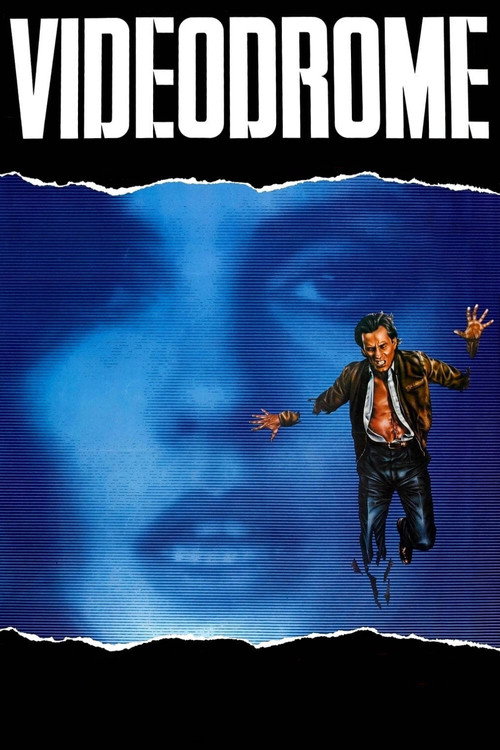
Videodrome1983
Cronenberg's baroque nightmare about desire, technology, and the corruption of the body. Like *Blind Beast*, it's formal and hallucinatory, treating flesh as text, sight as unreliable.
But Deliberately incoherent and slow in places. The plot dissolves; if you need narrative clarity, this will frustrate you.
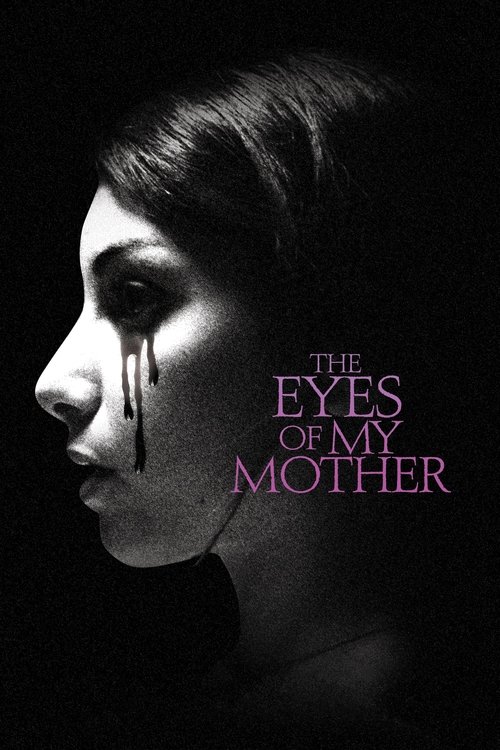
The Eyes of My Mother2016
A monochrome fever dream about a woman raised by a captive nurse, trauma layered on trauma. Formally experimental, deeply unsettling, and it trusts you to sit with moral ambiguity.
But Bleak to the point of nihilism. Very slow, very quiet. Some will find it pretentious; others will be gutted.
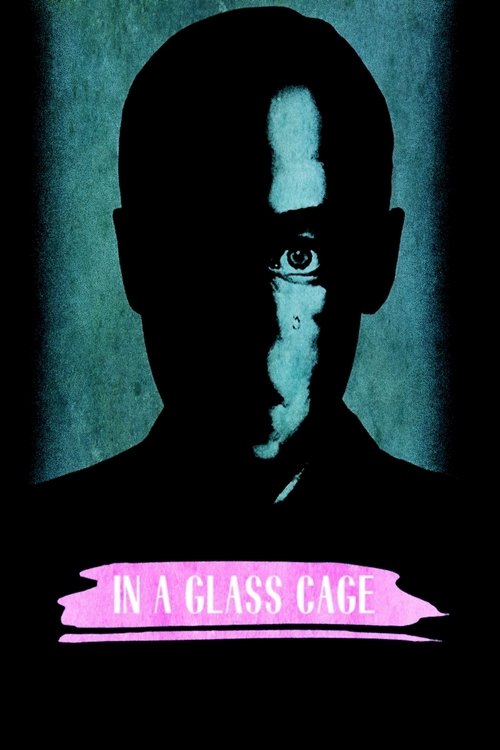
In a Glass Cage1986
A man paralyzed in an iron lung, attended by a former victim of his crimes. Obsession, confinement, and retribution intertwined in a claustrophobic box. Transgressive and formally audacious.
But Not widely available. Deeply disturbing subject matter (child abuse) treated in an unsentimental way that some will read as exploitation.
Come and See1985
Elem Klimov's Belarusian war film follows a boy through apocalyptic horror. Like *Blind Beast*, it doesn't flinch from sensory overwhelm as a way to convey psychological dissolution.
But Extraordinarily brutal and bleak. The famous mud sequence alone is exhausting. Not cathartic; it just leaves you hollowed out.

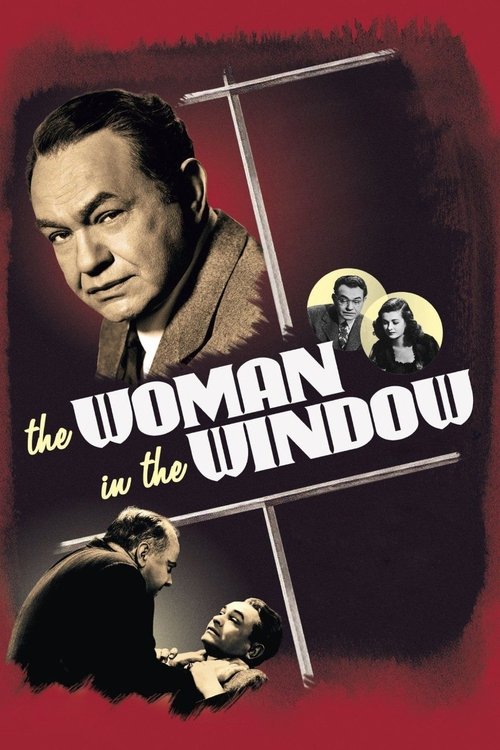
The Woman in the Window1944
A Classicist thriller about a woman trapped by circumstance and masculine violence. The same theme of confinement and obsession, but viewed through studio-system propriety and shadows.
But Very much a product of its era. The pacing is languid, and the gender politics, while historically interesting, read as dated.
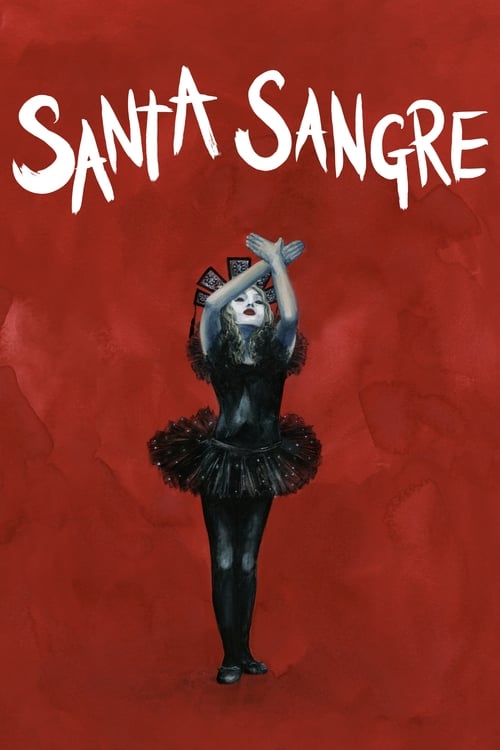
Santa Sangre1989
Both films use bodies—their limitations, their sculptural qualities, their betrayals—as the primary language. Both refuse realism as a container.
Jodorowsky's surrealist nightmare about a man whose arms are severed, controlled by his mother's ghost. Transgressive, sensual body horror wrapped in myth and fever dream. The same commitment to unease as a form of truth-telling.
But Wilfully bizarre and assembled from dream logic rather than plot. If surrealism leaves you cold, this will feel like pretentious nonsense.
The Ascent1977
Both treat the human body and the space it occupies as the real subject. Both trust silence and restraint. Both are about being trapped—by circumstance or by faith.
Andrei Rublyov's cinematographer Larisa Shepitko's only film: two Soviet partisans ascending a mountain in white-on-white silence. Not a thriller, but the same architecture of confinement, spiritual obsession, and the body as a text on which ideology writes itself. Stunning and austere.
But Bleak, slow, and theologically severe. No sentiment, no release. The final image is unforgettable but offers no comfort. Requires active engagement.

People
Cast
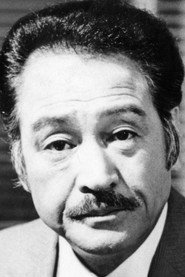 Eiji FunakoshiMichio
 Mako MidoriAki
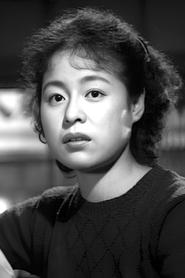 Noriko SengokuShino
Directing
- Yasuzō MasumuraDirector
Writing
- Yoshio ShirasakaScreenplay
- Rampo EdogawaShort Story
Production
- Hiroaki FujiiCo-Producer
- Masaichi NagataExecutive Producer
- Kazumasa NakanoProducer
- Masaichi NagataProducer