
Film
The Eyes of My Mother
- Drama
- Very dark
A 76-minute fever dream of isolation and damage. Shot in stark black-and-white, this Brazilian film charts one woman's descent into compulsion and violence after childhood trauma splinters her. It's unsettling, precise, and genuinely hard to watch—not exploitative, but unflinching about what abuse does to the people it breaks.
Should you watch it?
Watch it if you like slow, austere horror where dread builds through stillness and silence, and you don't need the camera to explain itself.
Skip it if you need plot momentum or a lighter touch; its violence lands hard and without warning, and its pace is deliberately cold, so it can feel punishing.
What it asks of you: Its runtime is short, under eighty minutes, but it is sparse and patient, asking you to sit with long held silences and to read faces rather than dialogue.
Not sure? Find tonight's pick in a minute.
If you liked this
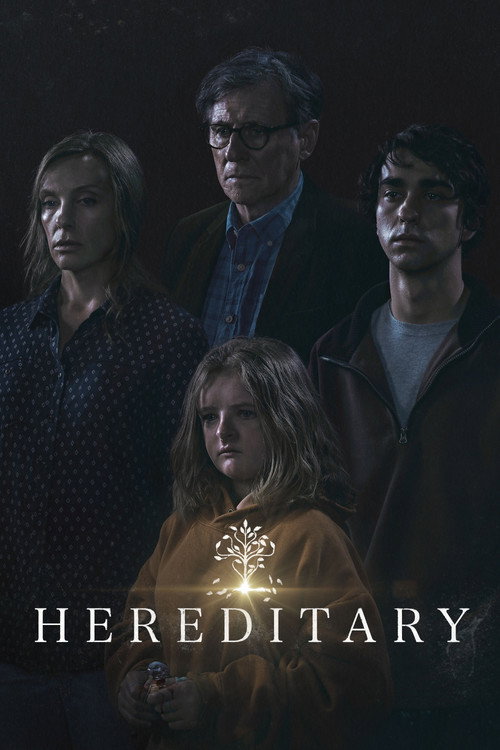
Hereditary2018
Ari Aster's trauma-horror masterpiece has the same blunt force, the same willingness to let damage compound across generations, and the same conviction that dread works best when it's intimate and intimate when it's slow.
But It's 2.5 hours of mounting horror with an ending that requires you to sit with it. Some find it punishing rather than cathartic.
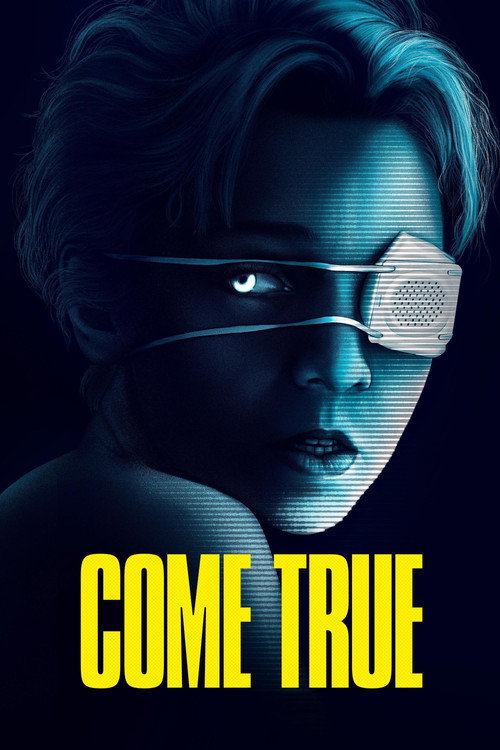
Come True2020
A hypnotic nightmare about a young woman in an experimental sleep study. Like Eyes of My Mother, it trusts visual language over exposition, building dread through texture and strangeness rather than jump scares.
But It's deliberately abstract and slow, with a final act that divides people sharply on whether it pays off or frustrates.
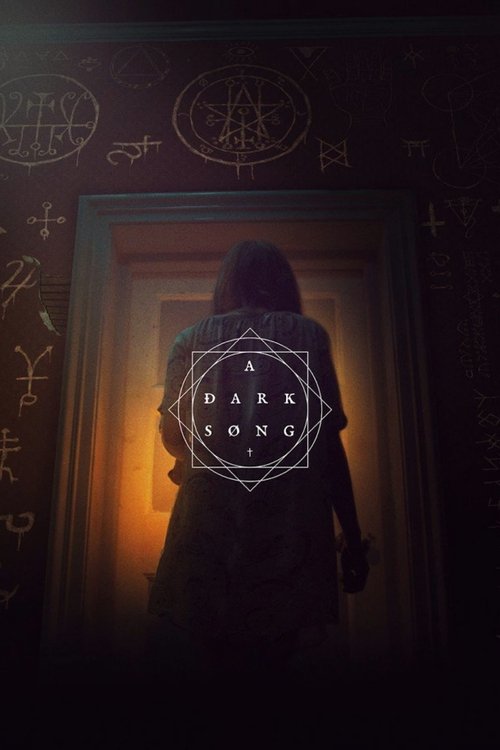
A Dark Song2016
Another minimalist chamber piece about damage, ritual, and the human need for some kind of redemption. Two people, one house, but what happens inside is profound and genuinely moving—not exploitative at all.
But It's extremely quiet and interior. If you need plot momentum or external stakes, this will feel static.
Not sure tonight? Get a pick in a minute, starting from The Eyes of My Mother
The wildcard
Something you would not have found on your own.
The Vanishing1988
Both films understand that sometimes the deepest horror is psychological damage that refuses to heal or resolve. They're not interested in catharsis—just in showing how people break and what they become afterward.
George Sluizer's Dutch thriller is about obsession and the need to know—a man becomes consumed by what happened to his girlfriend. It has Eyes' interest in how trauma warps you, but told as a thriller instead of a fever dream. The ending is genuinely one of cinema's cruelest acts.
But It's deliberately bleak and offers no comfort. The final scene divides viewers on whether it's brilliant or pointless cruelty.
More like this (8)
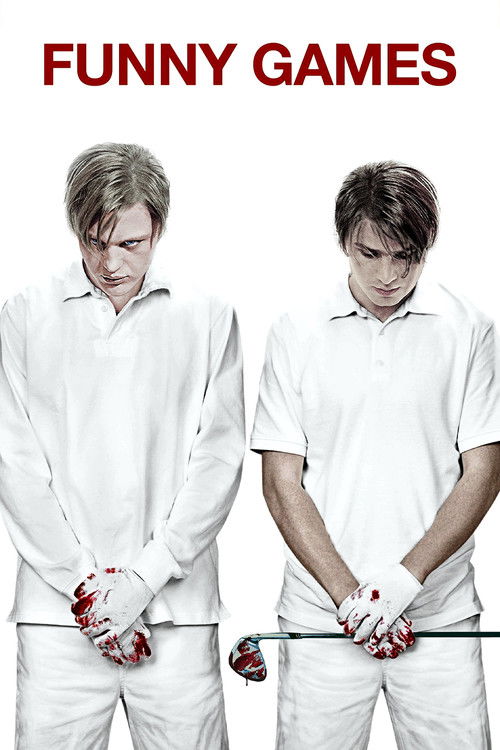
Funny Games2008
Haneke's remake of his own film is about complicity and control—why we watch violence, what it does to us. Eyes and Funny Games both refuse to look away, but for principled reasons, not sensation.
But It's deliberately antagonistic toward the audience. Haneke makes you *feel* the discomfort of being a spectator. Some people respect that, others find it insufferable.
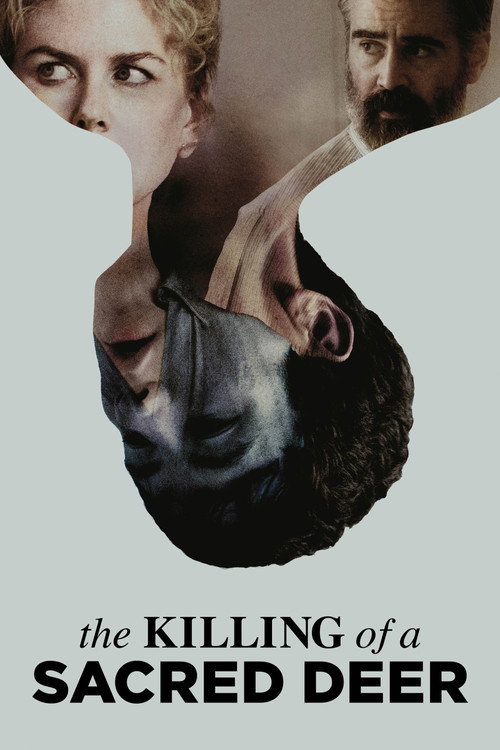
The Killing of a Sacred Deer2017
Yorgos Lanthimos builds horror out of wrongness and debt—a moral reckoning that festers. Like Eyes of My Mother, it's formal and controlled, even as the subject matter spirals into genuine nightmare.
But The dialogue is strange and stilted by design, which some find brilliant and others find mannered and cold.
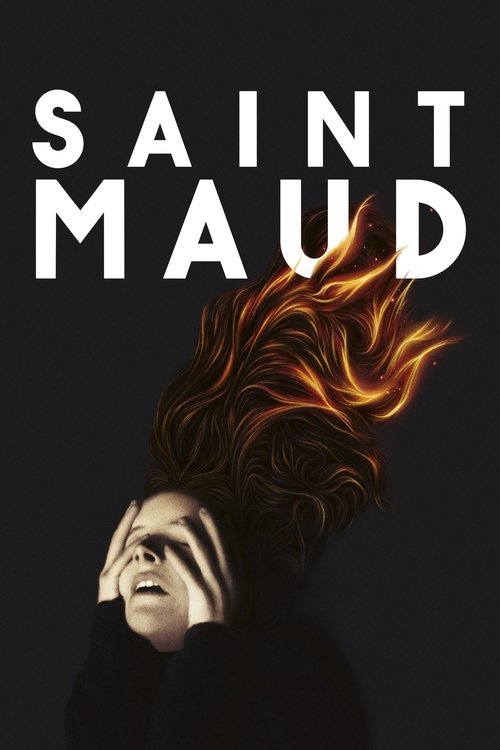
Saint Maud2020
A psychological horror about a caregiver's obsession with her patient. It has Eyes' precision about mental unraveling, plus a visual language that's almost painterly. Quietly devastating.
But The climax is deeply religious and intense—if that territory feels exploitative or off-putting to you, the final ten minutes will be difficult.
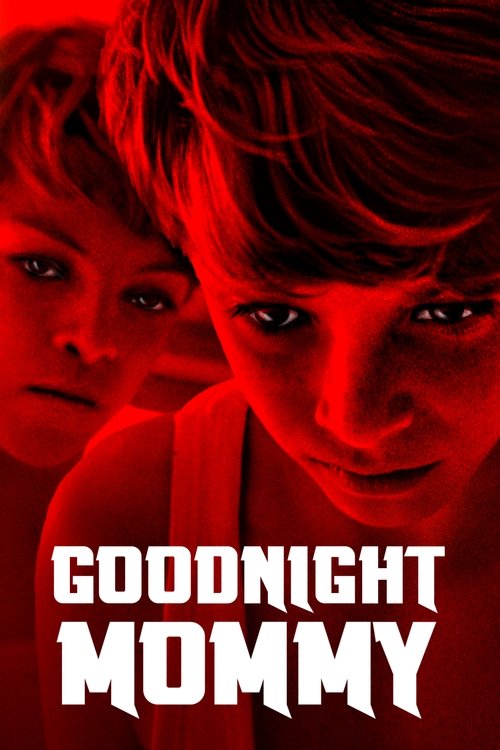
Goodnight Mommy2015
Austrian body-horror that shares Eyes' unflinching gaze and its willingness to examine how childhood trauma shapes perception. Visually gorgeous in a deeply wrong way.
But The twist is notorious for being genuinely upsetting, and some find it oversteps from psychological horror into cruelty.
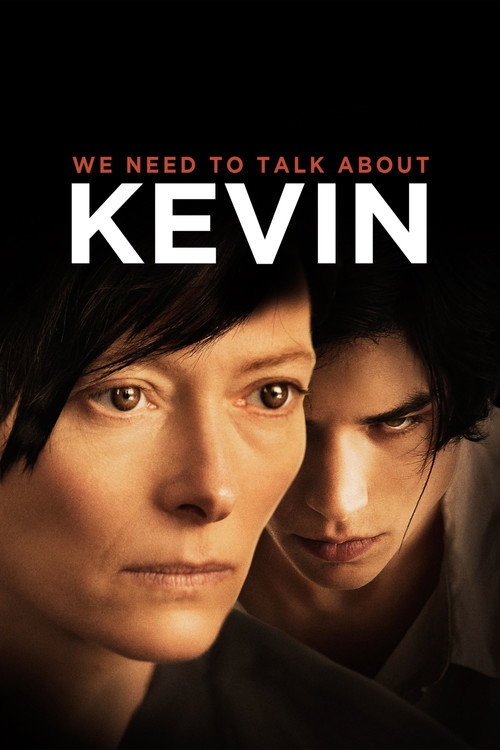
We Need to Talk About Kevin2011
Lynne Ramsay's film about a mother and her son after an act of violence is fragmented, haunting, and completely uninterested in justifying or explaining away its central horror.
But It's willfully oblique—Ramsay trusts you to assemble the narrative yourself. If that kind of editing frustrates you, the whole experience will.
The Wailing2016
Na Hong-jin's Korean horror treats evil as genuinely unknowable. Like Eyes, it's more interested in the feeling of corruption spreading than in neat answers.
But It's nearly three hours and deeply ambiguous about what actually happened. Some find that profound; others find it exhausting.

Come and See1985
Both films are committed to showing what damage *looks like* on a human being—not metaphorically, but visually. Neither softens the subject matter.
Elem Klimov's Soviet war film is one of cinema's most brutal examinations of how violence annihilates the soul. A young boy's face as he witnesses atrocity—it's the opposite register from Eyes' intimate chamber piece, but the same commitment to showing damage without flinching.
But This is genuinely traumatic cinema. It's not long (142 minutes) but it feels relentless. Many people regret watching it.

Mulholland Drive2001
Both films trust fragmented form to convey psychological damage—the way obsession, trauma, and desire actually fracture time and memory. Both are about people lost in states that feel more like dreams than reality.
Lynch's three-hour Los Angeles nightmare shares Eyes' black-and-white sections and its willingness to fragment reality through trauma and obsession. But it's baroque, operatic, genuinely beautiful—a richer and more complex film, where Eyes is sparse and direct.
But It's 2.5 hours of gorgeous confusion. If you need clarity or a coherent plot, you'll leave frustrated.

People
Cast
 Kika MagalhãesFrancisca
 Diana AgostiniMother
 Will BrillCharlie
 Clara WongKimiko
 Olivia BondYoung Francisca
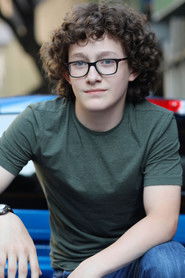 Joey Curtis-GreenAntonio
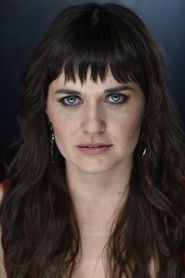 Flora DiazLucy
- Paul NazakFather
Directing
- Nicolas PesceDirector
- Anna LomakinaScript Supervisor
Writing
- Nicolas PesceWriter
Production
- David FormentinAssociate Producer
- Stephanie HolbrookCasting
- Adam KershCo-Executive Producer
- Samuel R. SyropCo-Producer
- Seth BlogierCo-Producer
- Antonio CamposExecutive Producer
- Avi SternExecutive Producer
- Josh MondExecutive Producer
- Julie ChristeasExecutive Producer
- Sean DurkinExecutive Producer
- Jacob WassermanProducer
- Max BornProducer
- Schuyler WeissProducer