
Film
ICHI
A blind wanderer travels 19th-century Japan seeking her childhood guardian, armed with a concealed blade and formidable sword skills. Takashi Miike's 2008 film weaves intimate character drama with sudden, balletic violence. It's meditative and contemplative until it isn't—a character study that explodes. For lovers of samurai cinema who want something off the beaten path.
Should you watch it?
Watch it if you like wandering-swordsman stories given a fresh twist, where a vulnerable-looking wanderer's stillness hides lethal precision and the sound of a guitar carries the mood.
Skip it if you want brisk, uninterrupted action, since the swordplay arrives in bursts between long stretches of travel and talk, and the plot can feel loosely strung together.
What it asks of you: Two hours at an unhurried pace, with long quiet passages of travel, a steady undercurrent of tension, and violence that erupts suddenly and then ends.
Not sure? Find tonight's pick in a minute.
If you liked this
Harakiri1962
Masaki Kobayashi's masterpiece examines samurai honor and futility through a devastating narrative structure. Formally perfect and morally complex, it redefined what the samurai genre could say about violence and sacrifice.
But It's a slow build to catharsis rather than action entertainment. The pacing demands patience; rewards come in the final act.

Sanjuro1962
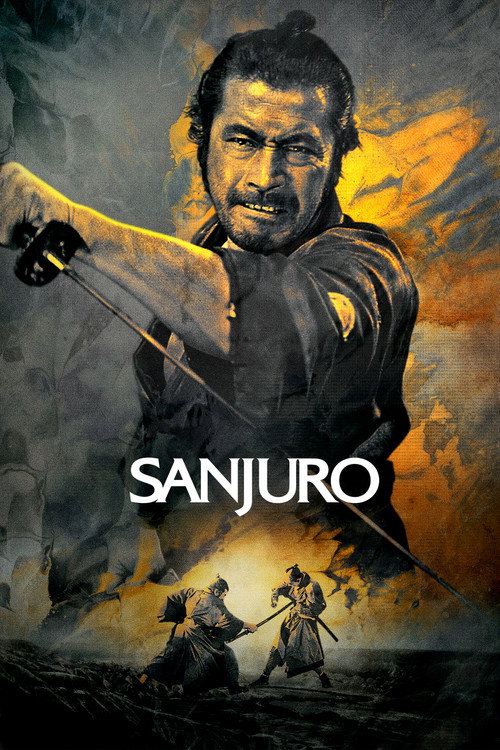
Kurosawa's final samurai film, starring Tatsuya Nakadai. It's lighter than Harakiri but crackling with energy and visual invention. A masterclass in action choreography that feels both classical and alive.
But The restoration has polarized fans. Some love the new color timing; others find it unfaithful to Kurosawa's vision. It divides.
The Sword of Doom1966
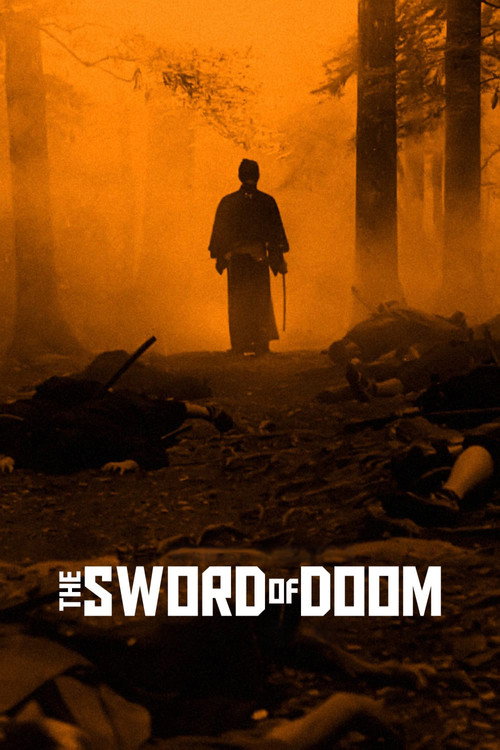
Tatsuya Nakadai returns, playing an amoral swordsman in Tokugawa Japan. Black-and-white cinematography is stunning. It's nihilistic and strange in ways that anticipate modern revisionist samurai cinema.
But The ending is abrupt and deliberately unsatisfying. If you need narrative closure, this will frustrate you.
Not sure tonight? Get a pick in a minute, starting from ICHI
The wildcard
Something you would not have found on your own.
Audition2000
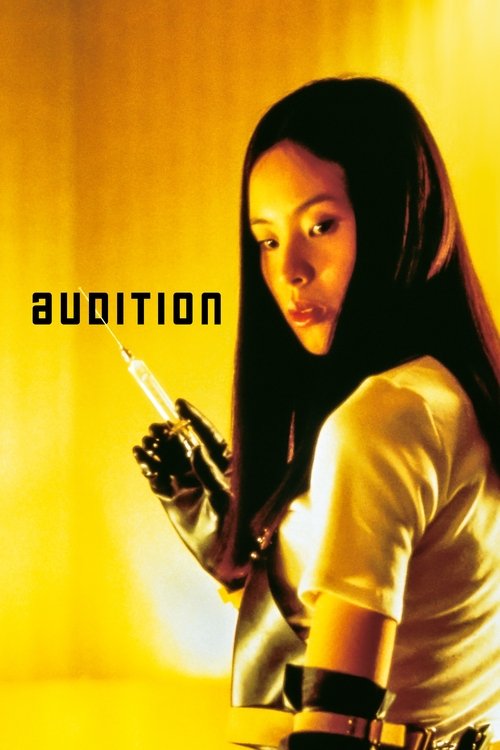
Both are Miike films that marry intimate character work with sudden, disorienting violence. Both traffic in dislocation—the viewer's, the character's. Both use the female body as a site of unexpected agency and power.
Takashi Miike's shocking descent from romantic comedy into body horror. You'll never forget it. One of cinema's most effective tonal pivots, and utterly committed to its transgression.
But It's deeply unpleasant in the second half. Graphic violence and torture. If you don't know Miike's work, this will feel gratuitous rather than purposeful.
More like this (6)
Kill Bill: Vol. 12003
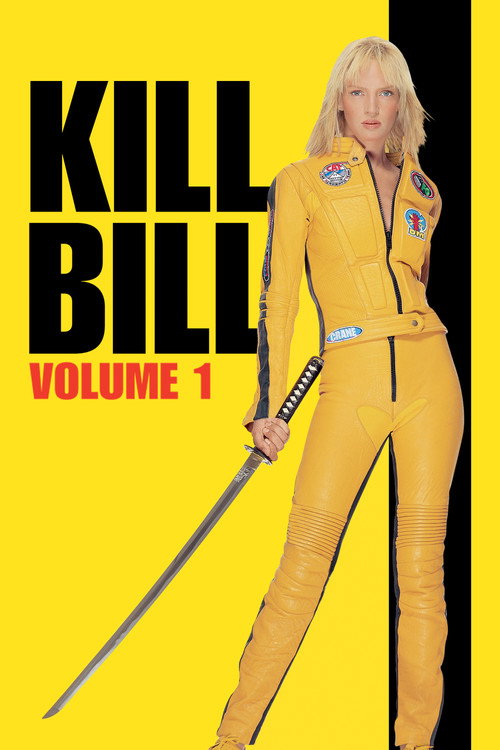
Tarantino's love letter to samurai cinema and grindhouse cinema alike. Visually intoxicating, darkly funny, with action sequences that feel like poetry. Uma Thurman is unforgettable.
But The tonal shifts are jarring for some. It plays with B-movie aesthetics that can feel arch or uneven depending on your mood.
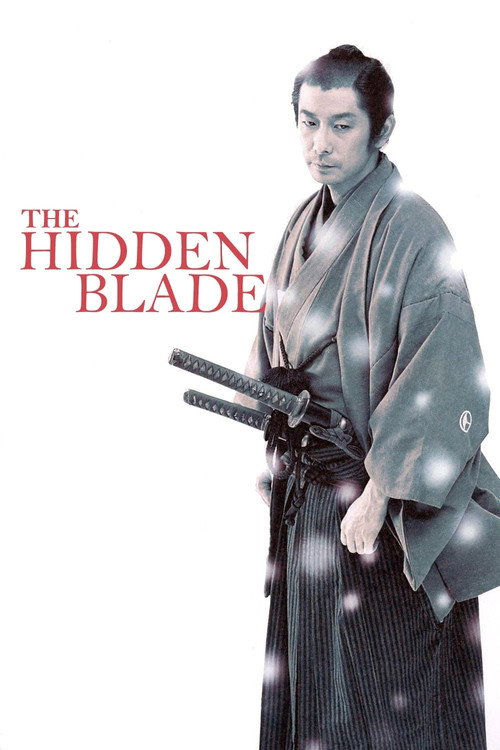
The Hidden Blade2004
Masaki Kobayashi's student Yoji Yamada crafts a quiet, melancholic samurai film about friendship and duty in the waning years of the samurai class. Introspective and beautifully shot.
But There's minimal action. If you're drawn to sword-work spectacle, this will feel slow and elegiac rather than thrilling.
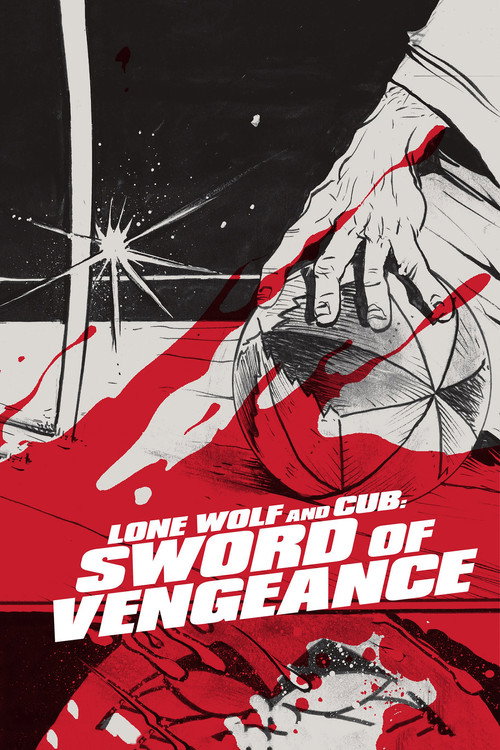
Lone Wolf and Cub: Sword of Vengeance1972
The first in a beloved exploitation series. Gorgeous composition, savage action, and a primal narrative about a wanderer seeking vengeance. Deeply influential on modern action cinema.
But It's grimy and brutal. Sexual violence is depicted. The exploitation elements aren't softened for modern audiences.
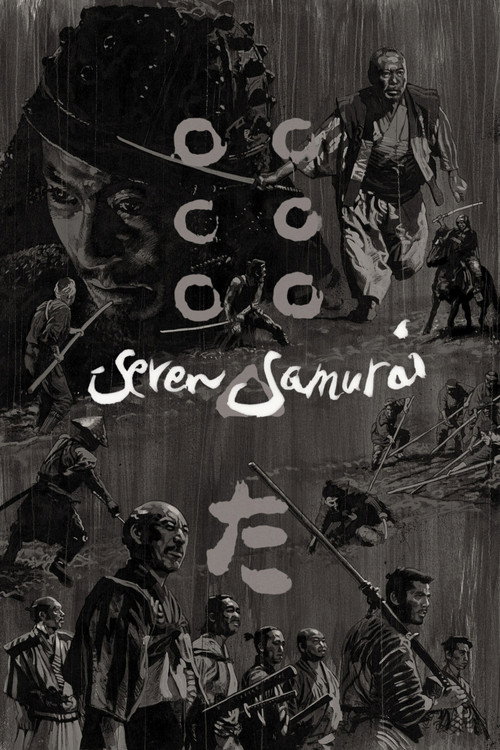
Seven Samurai1954
Kurosawa's epochal work. The template for ensemble action films. Three and a half hours that move like music. If you haven't seen it, now is the time.
But Length is a real commitment. The middle sags for some viewers. Restoration work makes it accessible, but it's still a formal epic.
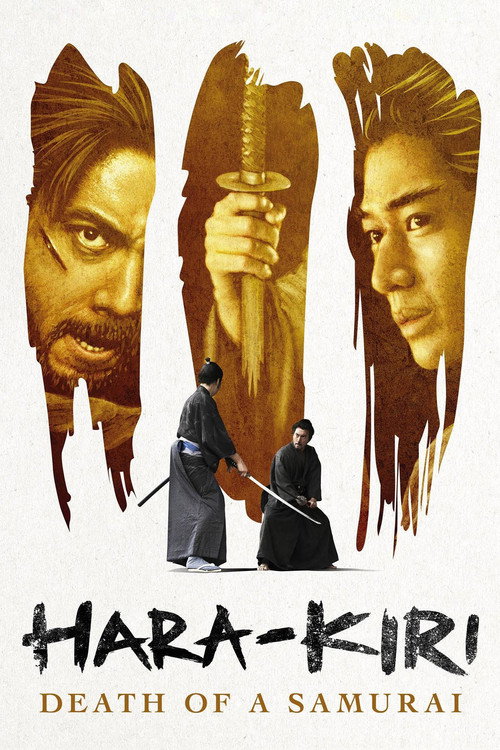
Hara-Kiri: Death of a Samurai2011
Masaki Yamamoto's remake of Kobayashi's classic, filmed in 3D. Visually audacious and moving. A statement that classics can be revisited without desecration.
But Remaking Harakiri feels like hubris to many. The 3D can feel gimmicky. Original purists will resist.
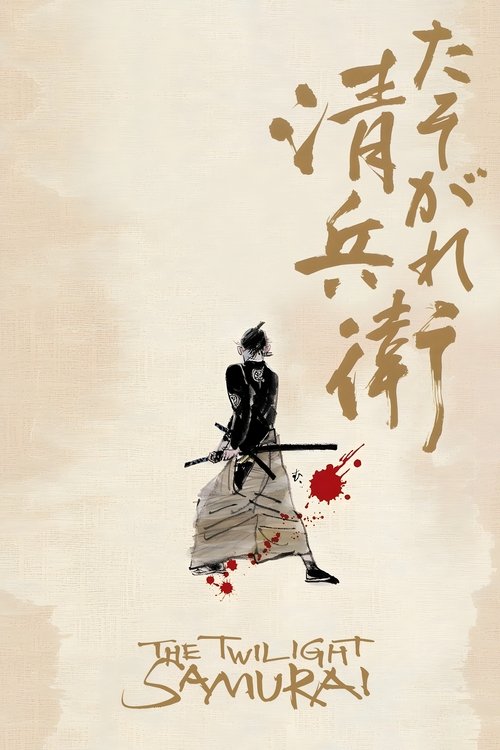
The Twilight Samurai2002
Yoji Yamada's gentle, deeply human portrait of a low-ranking samurai in the twilight of the shogunate. Quiet, moral, and oddly tender. A meditation on duty and love.
But It's a chamber piece disguised as a samurai film. If you want action and spectacle, this whispers when you want it to shout.
People
Cast
 Haruka AyaseIchi
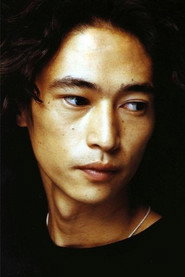 Yosuke KubozukaToraji Shirakawa
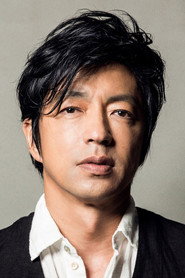 Takao OsawaToma Fujihira
 Shido NakamuraBanki
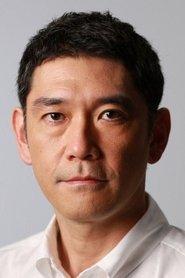 Tetta SugimotoBlind Man
 Megumi YokoyamaToma's Mother
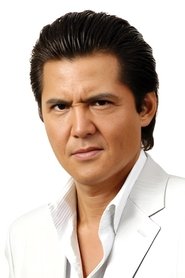 Riki TakeuchiBanki No. 2
 Mayumi SadaMitsu

Directing
- Fumihiko SoriDirector
Writing
- Taeko AsanoScreenplay
- Kan ShimozawaStory