
Film
Serengeti Shall Not Die
A groundbreaking 1959 documentary following zoologist Bernhard Grzimek and his son Michael as they use aircraft to count and map the Serengeti's migrating herds. Shot with then-revolutionary precision, it's a portrait of wilderness under pressure and the science required to save it. For anyone moved by animals, conservation, or the sheer scale of Africa.
If you liked this
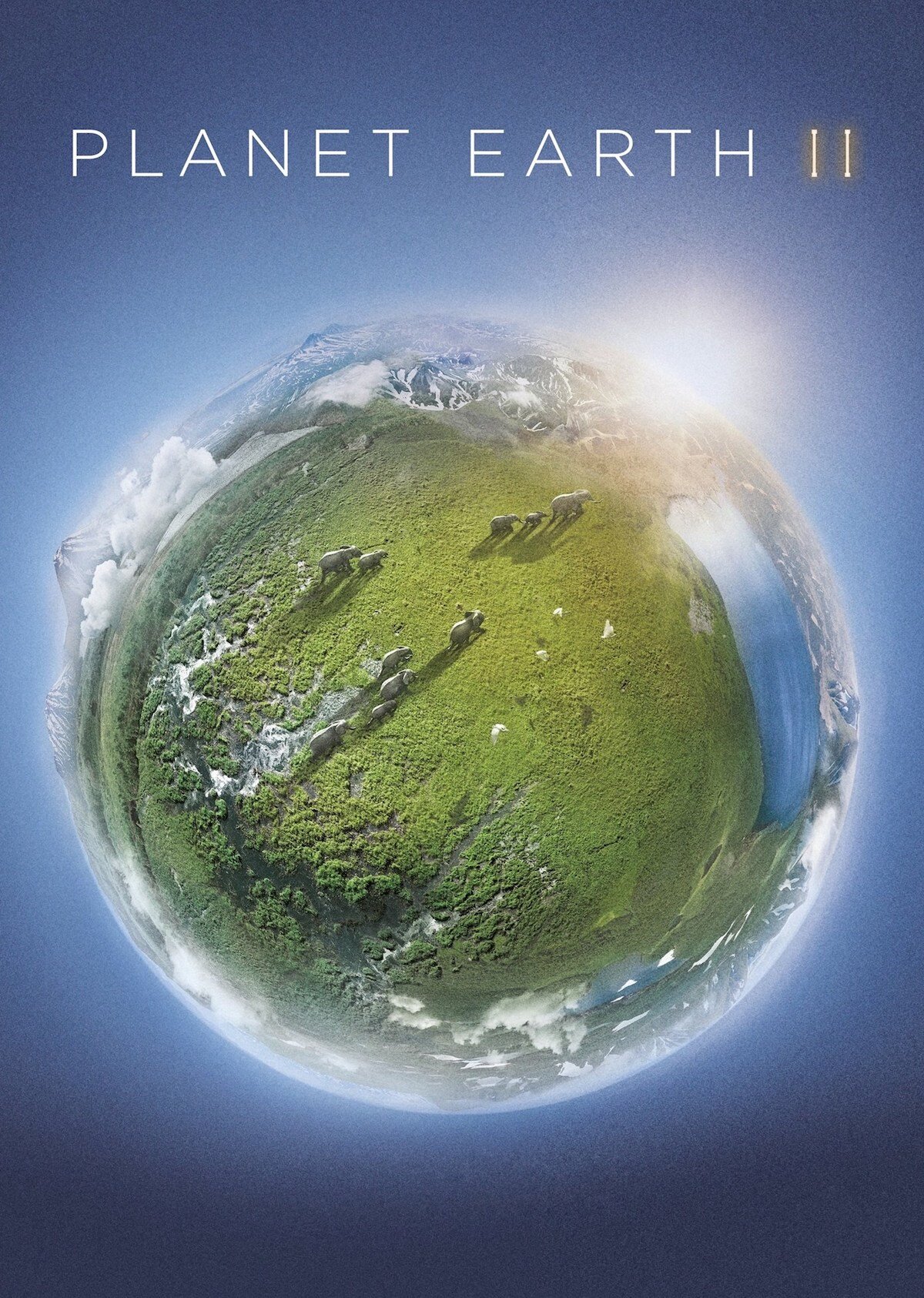
Planet Earth II2016
Expands on everything Serengeti pioneered—aerial cinematography, migration tracking, the intimate lives of animals in their ecosystems. Gorgeous and genuinely urgent about habitat loss.
But Glossy nature documentary aesthetics can feel distant. You want the grit and personality of the Grzimeks' work.
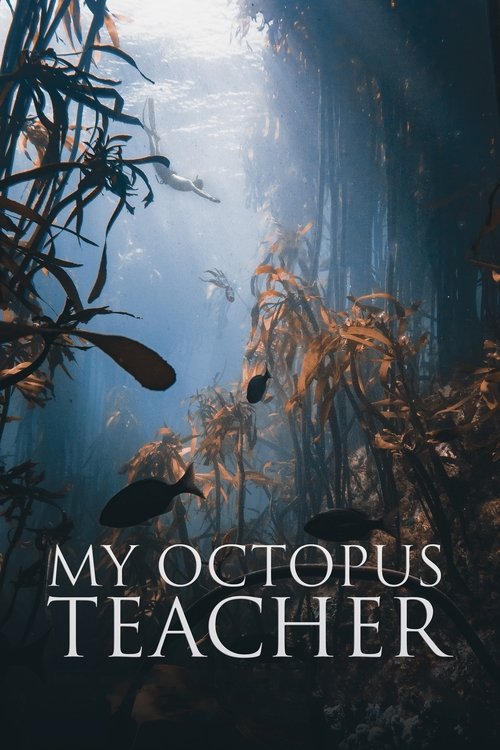
My Octopus Teacher2020
A filmmaker becomes obsessed with one animal to understand an ecosystem. Like Serengeti, it's as much about human curiosity and wonder as it is about the subject itself.
But Slower, more meditative than Serengeti. Less about data collection, more about intimate observation and emotion.
Life2007
Uses innovative technology to reveal animal behavior never before filmed. Marries spectacle with scientific rigor in ways that echo Grzimek's mission—show people what's really happening.
But Eleven hours is a commitment. Some episodes prioritize drama over information.
Not sure tonight? Get a pick in a minute, starting from Serengeti Shall Not Die
The wildcard
Something you would not have found on your own.
Nosferatu1922
Both are German documentaries about observing something in its natural habitat—one scientific, one artistic. Both use form as argument: the Grzimeks' aircraft, Murnau's shadows and geometry. Seeing Serengeti's photography at its historical moment means understanding cinema itself was learning to document the world.
German Expressionism meets horror—visual storytelling so assured it predates sound film. Like Serengeti, it's a masterpiece born from constraint, where every frame had to communicate.
But Silent film from 1922. No dialogue, no color, no comfort. Requires active watching.

More like this (8)
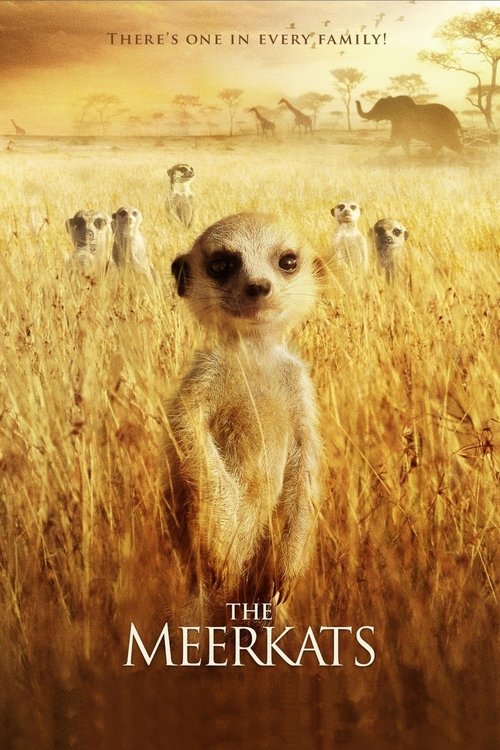
The Meerkats2008
Follows a single family of animals over time, revealing their world with anthropological detail. The Grzimeks would recognize this approach: patient, precise, respectful.
But Narrow focus on one group. No grand migrations or aerial sweeps. Feels minor by comparison.
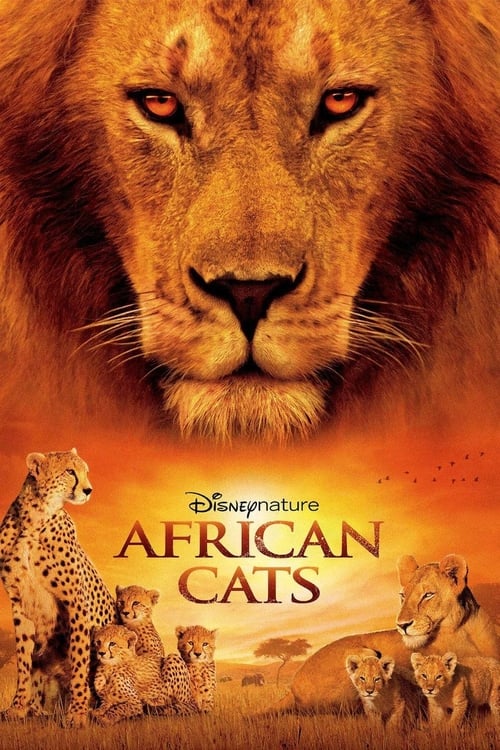
African Cats2011
Documents predator and prey across the African savanna. Uses modern filming to answer the same questions the Grzimeks asked: how do these ecosystems actually work?
But Dramatized narration leans toward storytelling over science. Less of the documentary rigor you might expect.
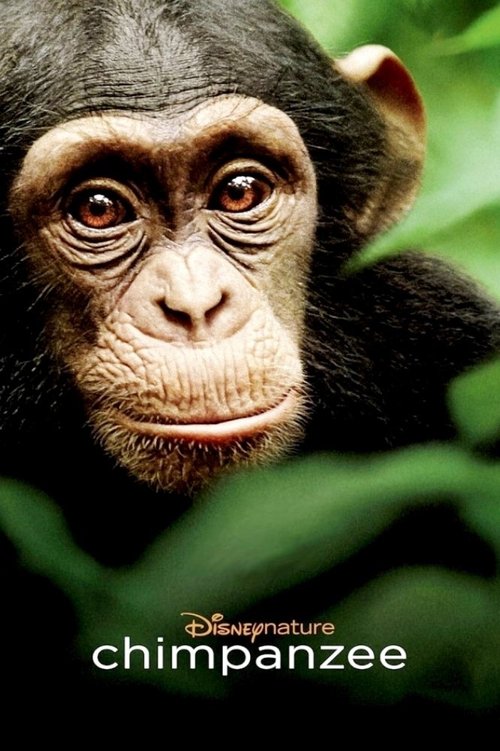
Chimpanzee2012
Jane Goodall's life work adapted into a feature. Shows how long-term observation changes what we understand about wildlife and our relationship to it.
But Softens its subject matter. Doesn't have the austere, practical tone that makes Serengeti so compelling.
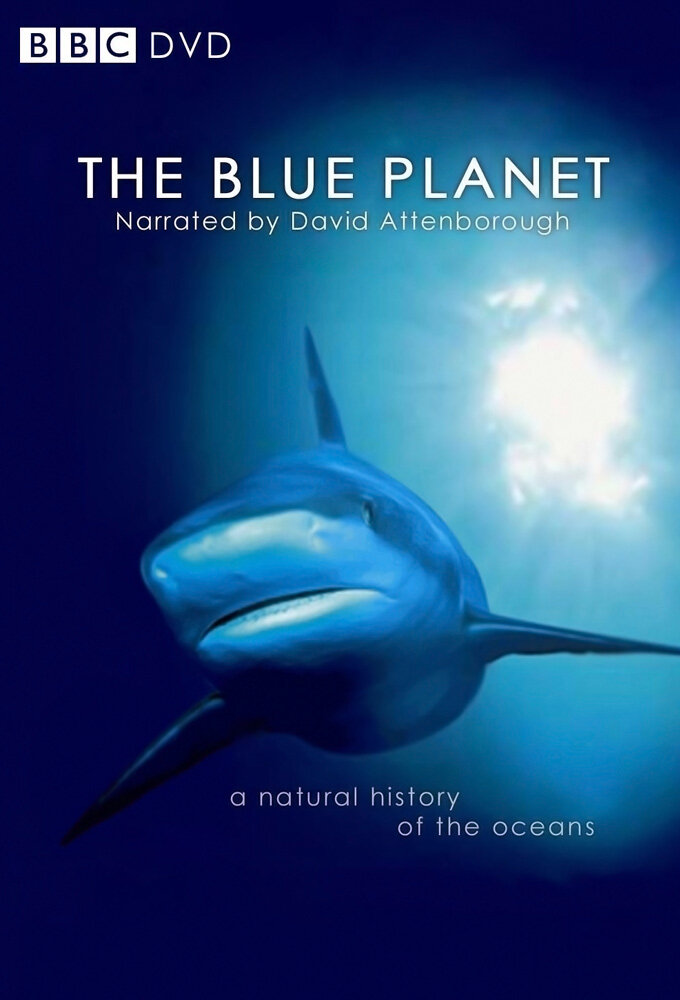
The Blue Planet2001
Same scale of ambition as Serengeti—mapping vast systems, tracking migrations, revealing how the world actually works. Pioneering underwater cinematography.
But Aquatic focus means no animals you've grown up seeing. Less immediate than terrestrial wildlife.
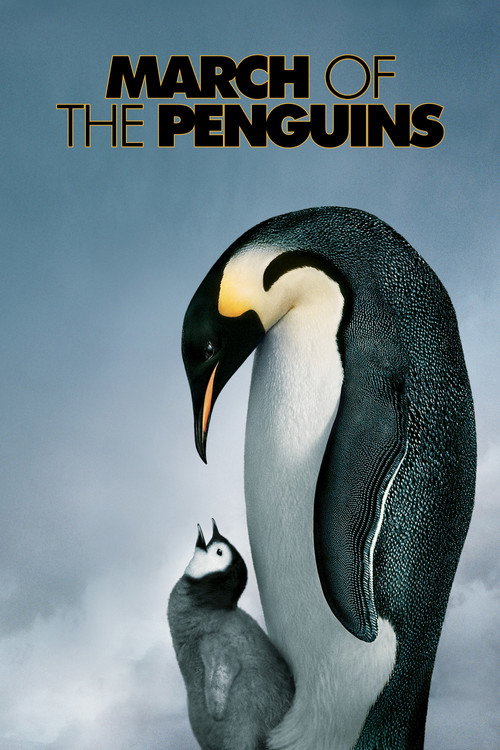
March of the Penguins2005
Annual migration and survival against odds, narrated with Hemingway-esque brevity. Earnest, unsentimental, about systems and sacrifice.
But Anthropomorphism in the narration undercuts the scientific precision Serengeti champions.
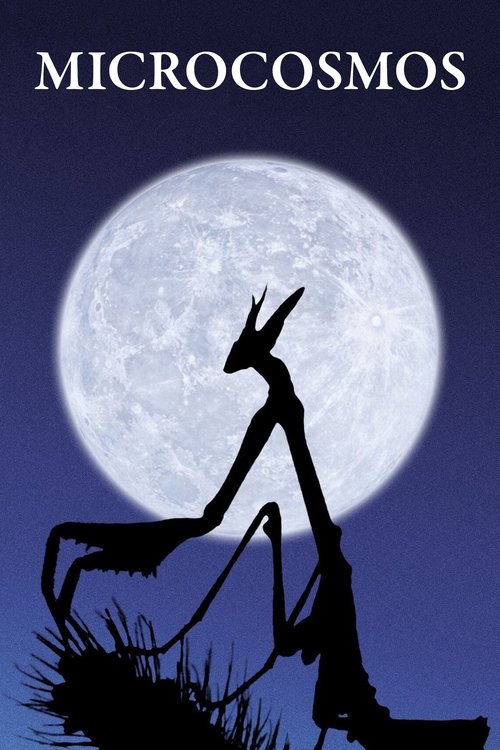
Microcosmos1996
Obsessively detailed look at insects and small creatures. Shares Serengeti's patience and wonder, its faith that watching closely enough reveals profound truths.
But No charismatic megafauna. No obvious narrative. Some find it boring; some find it hypnotic.
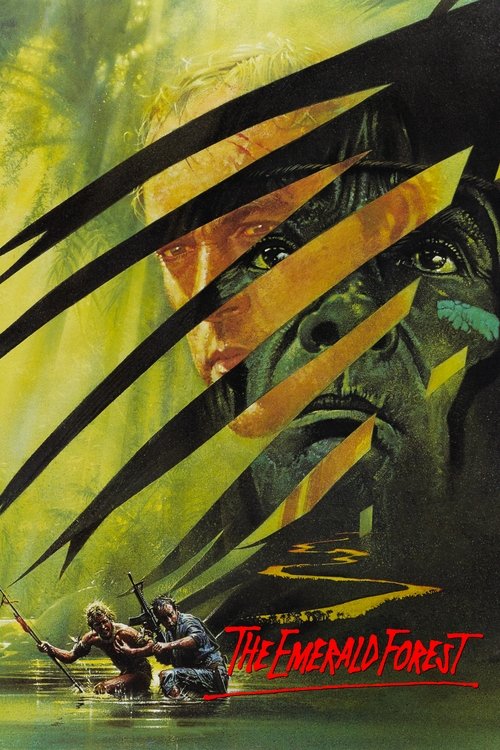
The Emerald Forest1985
Both center a father-son team at odds with powerful interests over land use and wildlife. Serengeti asks 'how do we count?' Emerald Forest asks 'what happens if we don't listen?'
Ecologist and his son navigate the Amazon, the film a plea for wilderness under erasure. It's Serengeti's spiritual sequel—what happens when conservation fails and the forest burns.
But 1985 adventure-drama aesthetics; feels dated. Script sometimes prioritizes emotion over credibility. Harder to watch.
Sans Soleil1983
Both are films about seeing—Serengeti trains the eye on migration patterns; Sans Soleil asks whether we can ever really see at all. One is scientific precision; the other is organized doubt. Together they bookend what documentary can be.
Chris Marker's essayistic documentary travels across Africa and Japan meditating on memory, time, and what we're really looking at when we look at the world. Radically alive cinematically.
But No plot. Philosophical. Voiceover is cryptic and poetic, not explanatory. Demands you think rather than follow.

People
Cast
- Hermann RockmannSelf - Narrator (voice)
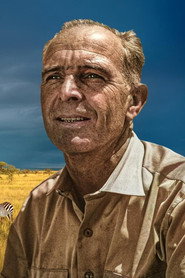 Bernhard GrzimekSelf (voice)
 Holger HagenSelf (voice)
- Michael GrzimekSelf
Directing
- Bernhard GrzimekDirector
Writing
- Bernhard GrzimekScreenplay
Production
- Bernhard GrzimekProducer