
Film
Genghis Khan
A sweeping 1965 spectacle of Temujin's rise from persecuted boy to Genghis Khan, the unifier of Mongol tribes. Omar Sharif anchors an international cast through battles, betrayals, and conquest across Asia. It's ambitious historical drama with the scale and earnestness of classic Hollywood epics, built for wide screens and patient viewers.
If you liked this
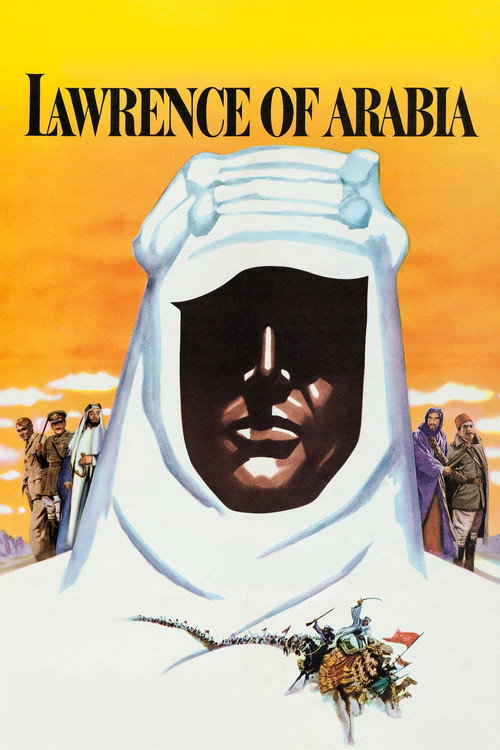
Lawrence of Arabia1962
Another epic about a charismatic outsider reshaping empires across deserts and cultures. David Lean's mastery of landscape and character evolution mirrors this film's ambitions, with Peter O'Toole delivering the transformative lead performance.
But At over three hours, it demands real commitment. The pacing is deliberate, favouring reflection over action sequences.
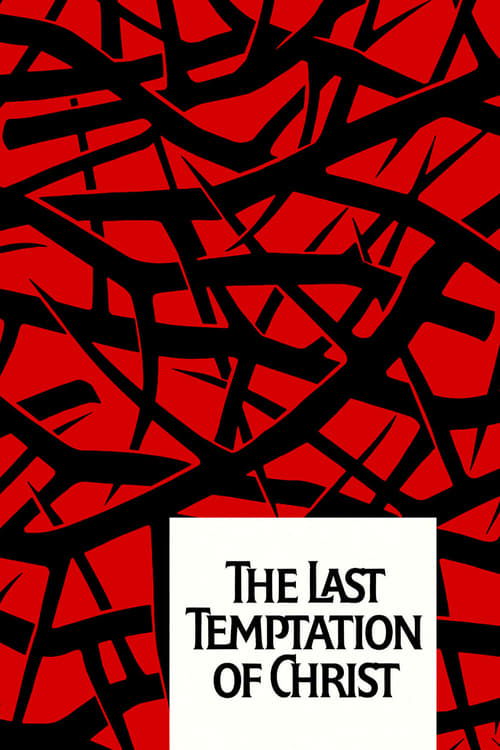
The Last Temptation of Christ1988
Scorsese's ambitious reframing of a historical figure through a modern sensibility, with a lead performance that captures inner conflict and spiritual struggle. Like Genghis Khan, it dares to humanise a mythic figure.
But It's emotionally heavy and philosophically demanding. Some find Scorsese's tone austere rather than epic.
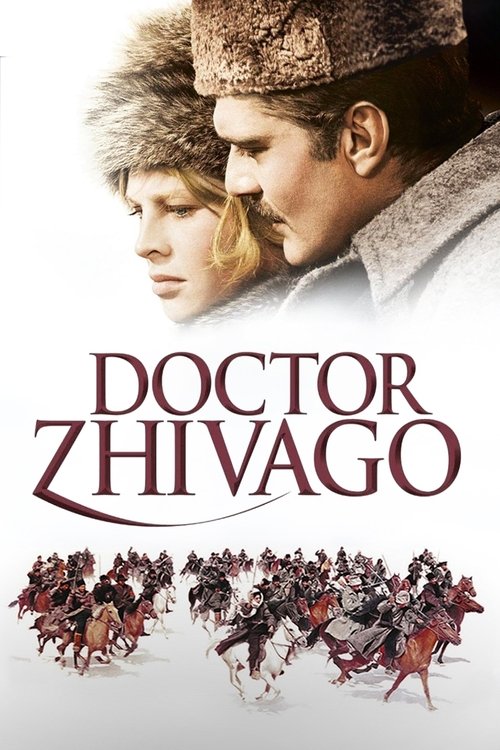
Doctor Zhivago1965
Released the same year, also built on grand historical canvas with Omar Sharif in the lead. Lean's direction and the sweeping Russian setting create similar immersion in a turbulent era.
But The narrative is more intimate and fragmented than Genghis Khan. If you want pure spectacle over character introspection, this meanders.
Not sure tonight? Get a pick in a minute, starting from Genghis Khan
The wildcard
Something you would not have found on your own.
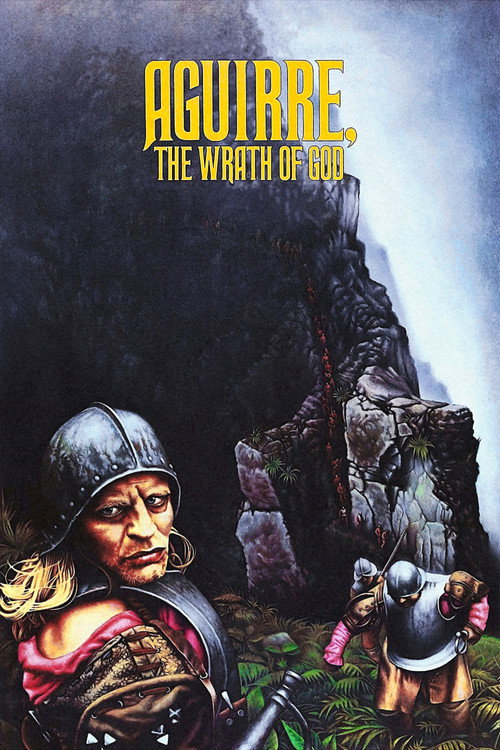
Aguirre, the Wrath of God1972
Both trace the psychological cost of wielding absolute power, and both understand that men who reshape empires are often broken by the weight of their own will. But Herzog shows us the rot; the 1965 film shows us the glory.
Herzog's ravishing, hallucinatory account of a conquistador's obsessive quest through the Amazon. Werner Herzog finds the pathology in ambition and conquest where Genghis Khan finds grandeur.
But It's claustrophobic and fever-dreamlike rather than sweeping. The tone is hostile and unsettling; the film offers no comfort.
More like this (6)
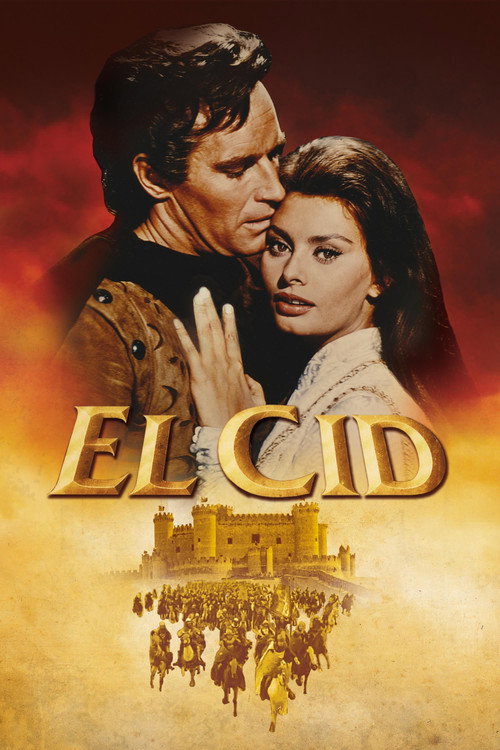
El Cid1961
Another Charlton Heston historical epic about a legendary warrior uniting people under his vision. Grandiose battle sequences and similar stakes about conquest and legacy.
But The script leans toward earnest melodrama. Modern viewers often find the dialogue and emotional beats dated.
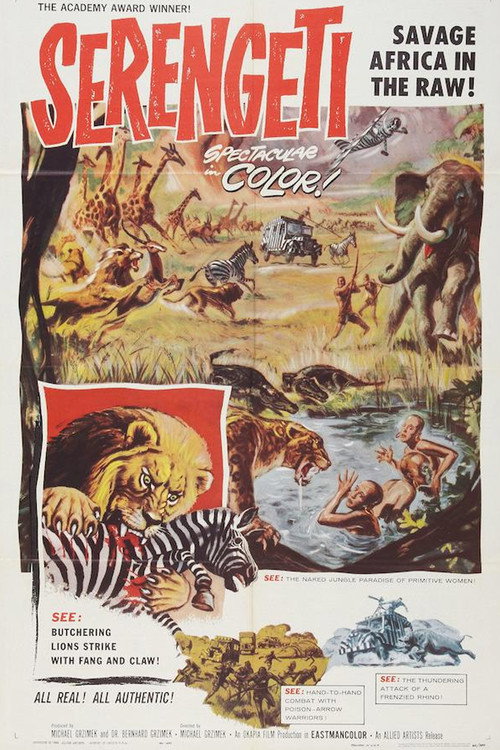
Serengeti Shall Not Die1959
A documentary epic about nature's cycles and power, shot with the same sweeping vision applied to history. Understands how to make vast landscapes the real protagonist.
But It's a nature documentary, not narrative drama. Patience with observation over plot is essential.
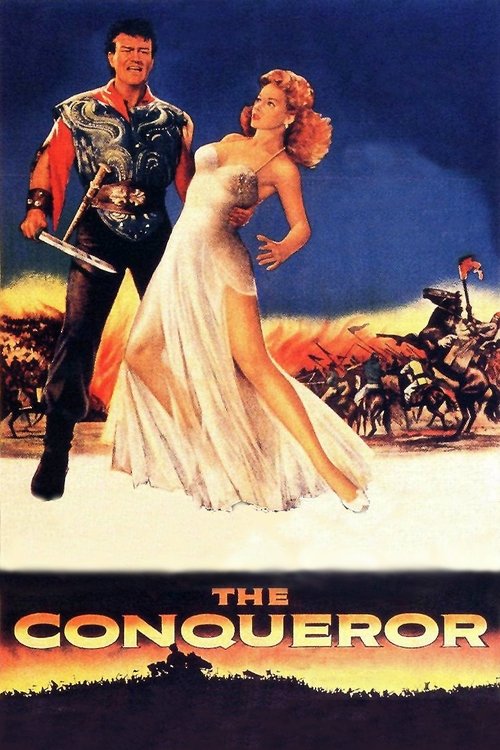
The Conqueror1956
John Wayne as Genghis Khan in an earlier, more outlandish attempt at the same historical figure. Worth watching for sheer audacity and how differently Hollywood approached this era.
But It's genuinely bad in ways that are sometimes unintentionally funny. Wayne's casting is bewildering and the dialogue is risible.
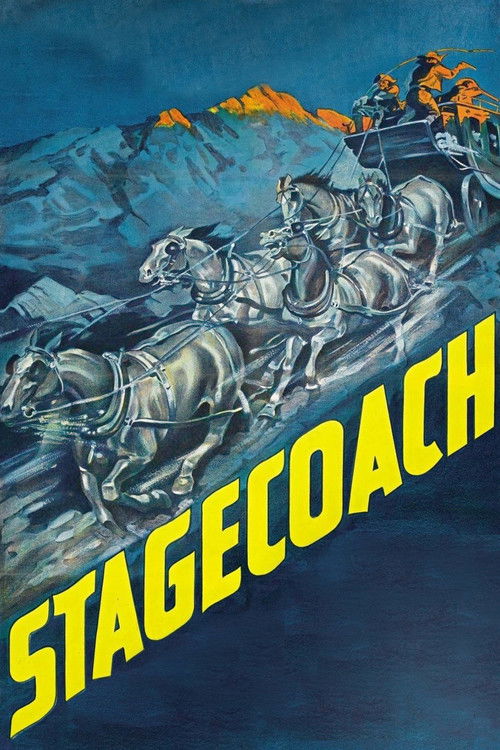
Stagecoach1939
Ford's masterclass in building narrative momentum and character within constraints. A much tighter film that proves you don't need three hours to create impact and moral complexity.
But It's intimate rather than epic. If you're drawn to Genghis Khan for scale and spectacle, this will feel small.
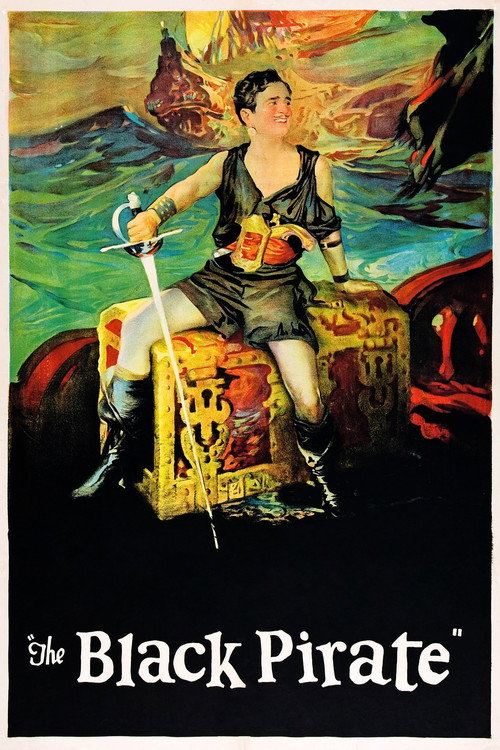
The Black Pirate1926
Douglas Fairbanks in a silent adventure about a man who becomes a legendary outlaw figure. Early cinema's answer to the charismatic outsider reshaping his world through cunning and will.
But Silent film is a genuine barrier for many viewers. The action, thrilling for 1926, feels quaint now.
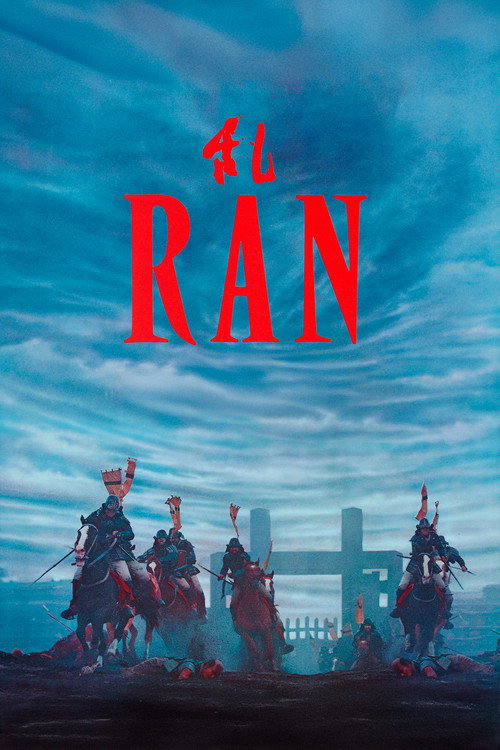
Ran1985
Both are obsessed with how empires are made and unmade through will, violence, and succession. But where Genghis Khan builds a legend, Ran dismantles the notion that any builder ever succeeds at controlling what comes after.
Kurosawa's final masterpiece reimagines King Lear as a Japanese warlord dividing his empire among his sons, leading to apocalyptic civil war. It's about power, dynasty, and the illusion of control—rendered in colour so vibrant it becomes mythic.
But At 160 minutes, it's longer than Genghis Khan and tonally bleaker. It ends not in triumph but devastation. Patience and willingness to sit with tragedy are non-negotiable.
People
Cast
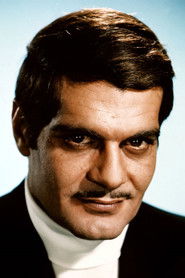 Omar SharifGenghis Khan / Temujin
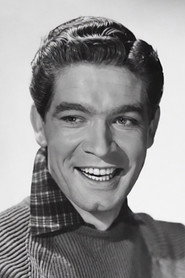 Stephen BoydYamuga
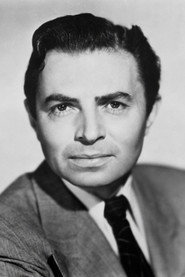 James MasonKam Ling
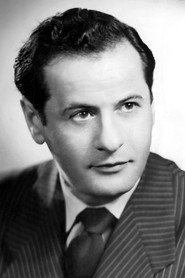 Eli WallachShah of Khwarezm
 Françoise DorléacBortei
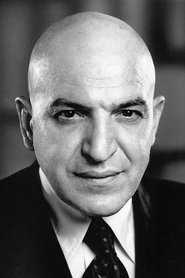 Telly SavalasShan
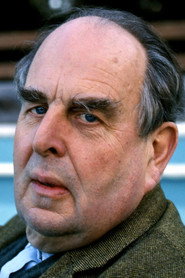 Robert MorleyEmperor of China
 Yvonne MitchellKatke
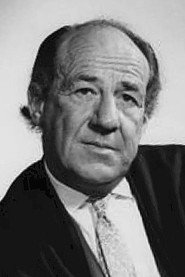 Michael HordernGeen
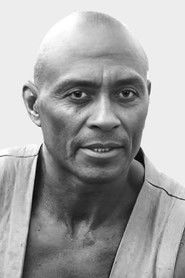 Woody StrodeSengal
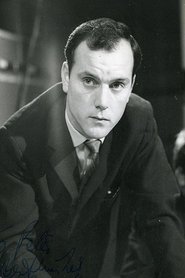 Kenneth CopeSubodai
- Roger CroucherKassar
Directing
- Elaine SchreyeckContinuity
- Rita DavisonContinuity
- Henry LevinDirector
- Cliff LyonsSecond Unit Director
Writing
- Berkely MatherAuthor
- Beverley CrossScreenplay
- Clarke ReynoldsScreenplay
Production
- Euan LloydAssociate Producer
- Götz Dieter WulfLine Producer
- Artur BraunerProducer
- Irving AllenProducer
- Bill KirbyProduction Supervisor