
Film
Junoon
Junoon is a sweeping period drama set during India's 1857 uprising, wrestling with desire, duty and the violence of colonialism. Shashi Kapoor's Nawab pursues an Anglo-Indian woman across a fractured landscape, but the film itself pursues something deeper: the impossible entanglements when empires collide. Visually stunning and emotionally urgent, it's for viewers who want history felt rather than explained.
If you liked this
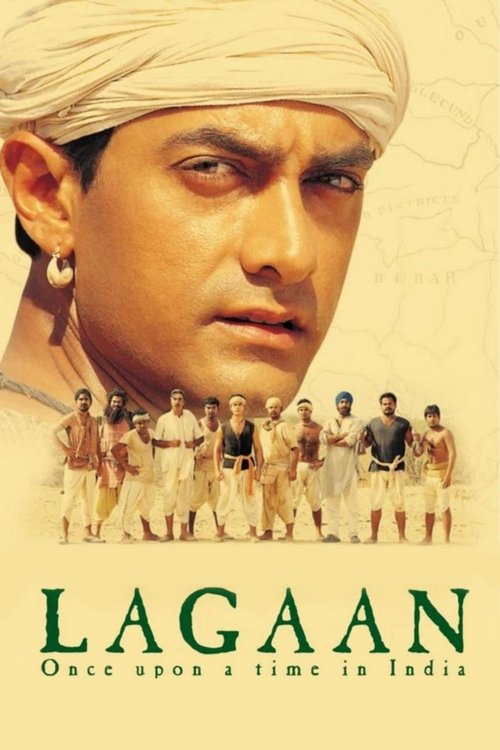
Lagaan: Once Upon a Time in India2001
Another ambitious Hindi-language historical epic that uses sport and spectacle to explore colonial resistance. Shares Junoon's scale, visual poetry, and conviction that personal and political stakes are inseparable.
But Three and a half hours, and the cricket match climax won't grip you if you don't care about the sport or the stakes behind it.
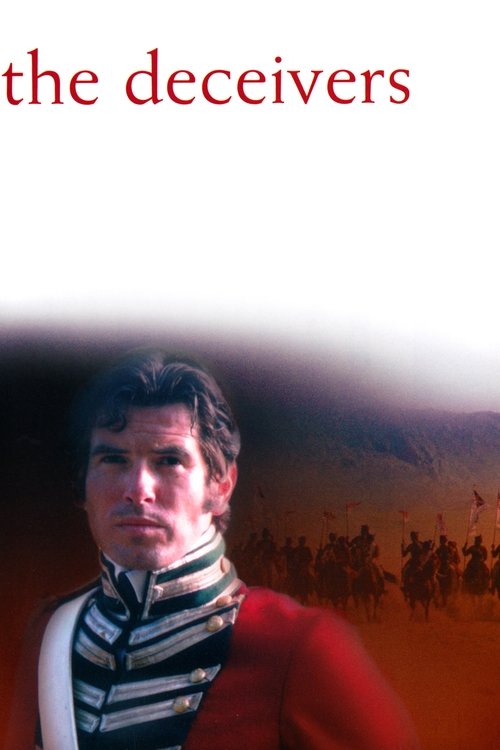
The Deceivers1988
Pierce Brosnan in colonial India, navigating moral ambiguity and violence during the Company era. Same period fixation, same tension between attraction and revulsion toward the machinery of power.
But Lean and pulpy next to Junoon's emotional weight—it's more thriller than meditation, and the moral clarity is neater.
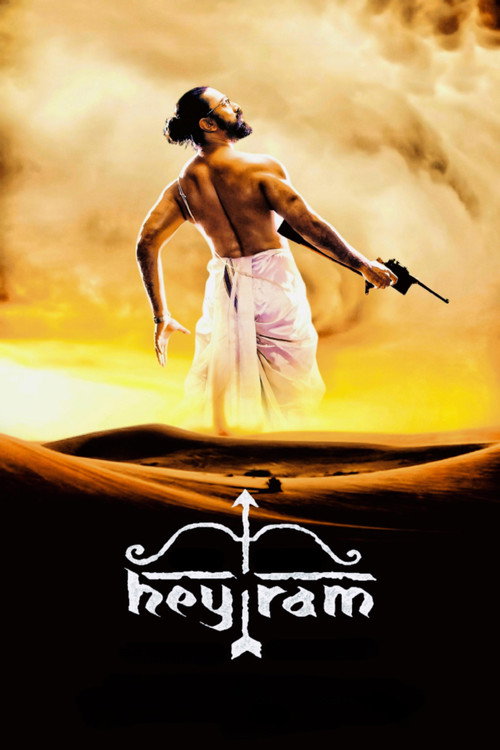
Hey Ram2000
Kamal Haasan's baroque dive into communal violence and love during Partition. Equally obsessed with how desire and politics become inseparable, equally unafraid of formal strangeness.
But Notoriously difficult; the structure and allegory can feel hermetic, and it wears its ambition visibly.
Not sure tonight? Get a pick in a minute, starting from Junoon
The wildcard
Something you would not have found on your own.
The Ballad of Little Jo1993
Both films use costume and passing—using appearance to navigate power—as the central metaphor for how identity is constructed under pressure. Both are about people who cannot be what they want in the world as it is.
Maggie Greenwald's Western about a woman who passes as a man to survive. Like Junoon, it's a beautiful film about gender, desire and the violence of empire, but it relocates the whole engine to the American frontier. The obsession and the impossible love are there, but everything is inverted.
But Deliberately low-key and austere where Junoon is lush; it moves like a ballad not a conflagration.

More like this (7)
The Remains of the Day1993
Another film about the seduction of hierarchy and the cost of duty. A Brit abroad serving power, but this time the mirror turns inward—utterly different in mood but kindred in moral precision.
But Buttoned-up and restrained where Junoon burns; if you want passion this might feel like watching someone hold back.

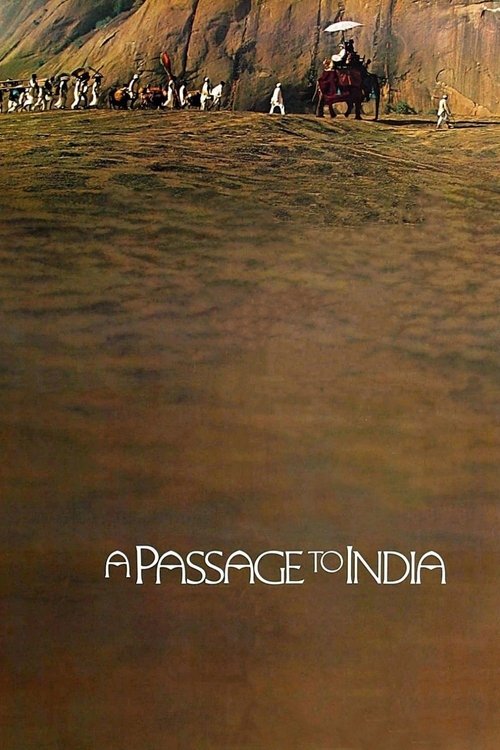
A Passage to India1984
Lean, elegant David Lean adaptation about cross-cultural misunderstanding and desire in the Raj. Direct predecessor to Junoon's preoccupations, though less reckless and more orderly.
But The colonial fantasy is more settled here; it doesn't disturb the air quite as much as Junoon does.
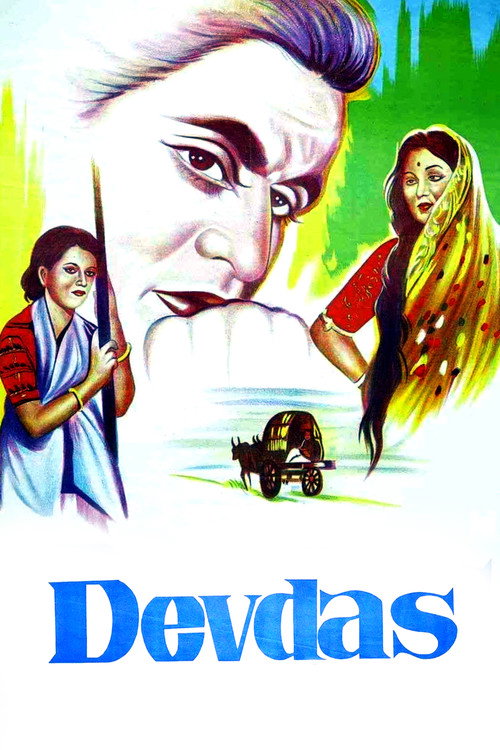
Devdas1955
Bimal Roy's sumptuous drama about forbidden love across class and community. The melodramatic register is different, but the helplessness of desire against social machinery is achingly familiar.
But It's a full century in emotional texture from 1857; if you want political urgency this prioritizes heartbreak.
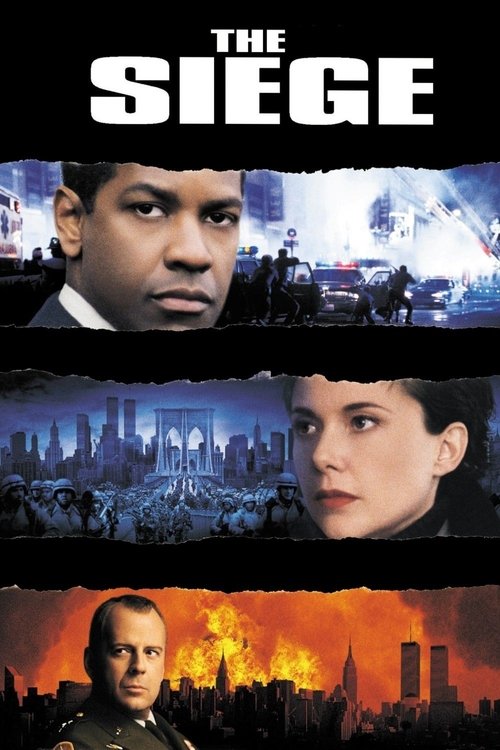
The Siege1998
Siege warfare and paranoia in colonial Bengal. Grittier and darker than Junoon, but shares the claustrophobia of occupation and the way violence leaks into every relationship.
But Less romantic and less visually assured; it feels more like a well-made thriller than an epic.
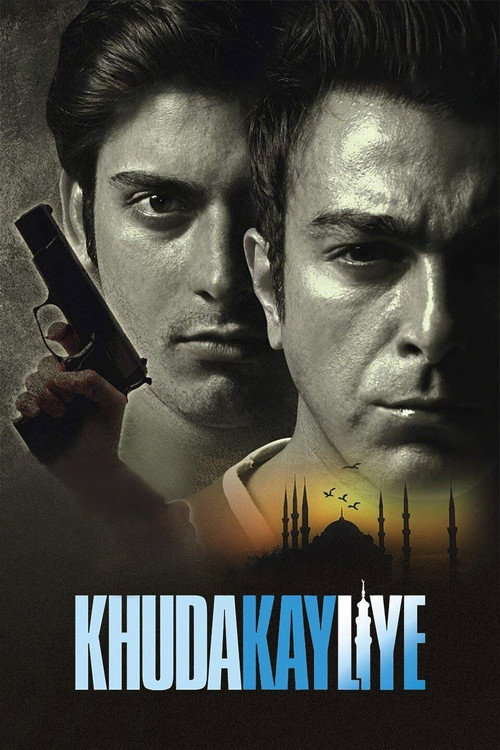
Khuda Kay Liye2007
Pakistani drama about faith, love and the impossibility of simple answers during religious upheaval. Same preoccupation with personal stakes caught in historical rupture.
But Modern setting and smaller scale; if you're drawn to Junoon for its period grandeur, this will feel intimate and constrained.
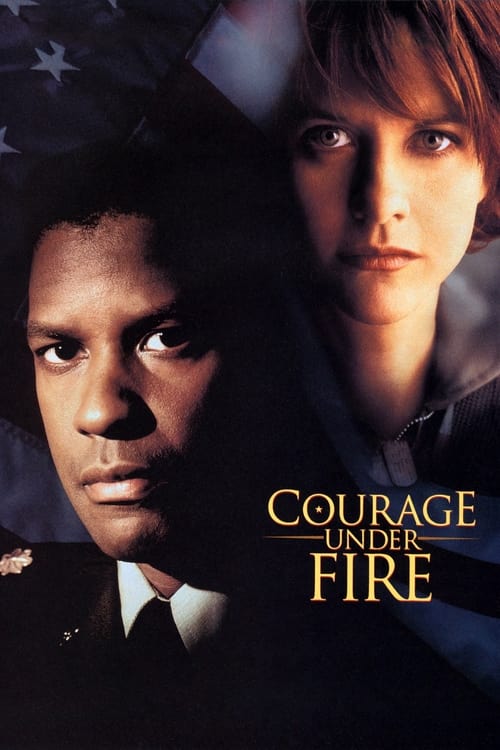
Courage Under Fire1996
Deepa Mehta's incandescent film about forbidden desire in Delhi. Uses the political backdrop (the rise of Hindu nationalism) as pressure cooker for intimate transgression, like Junoon inverted.
But Entirely contemporary, and the transgression is sexual rather than communal; it's almost the opposite film.
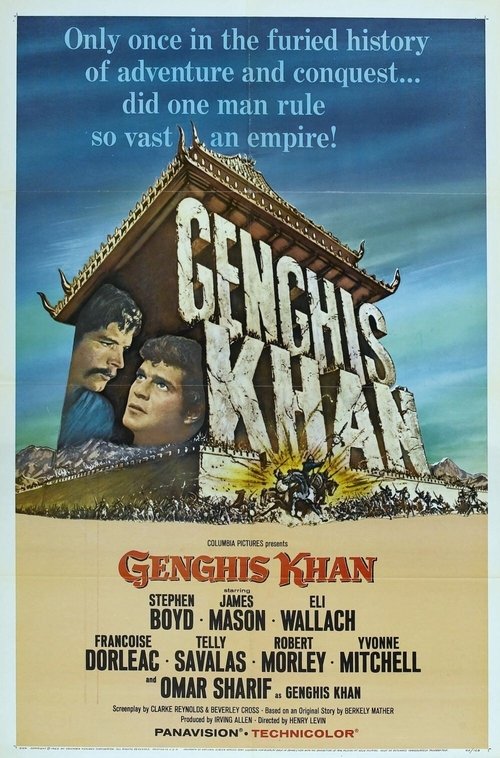
Genghis Khan1965
Both are epics about a powerful man's obsessive pursuit of a woman symbolically on the other side of empire, and both use that pursuit as a way to think about what conquest costs.
A bizarre, expensive Soviet epic about conquest and desire, with Omar Sharif as the Khan. It's gloriously strange and earnest about power, seduction and the collision of worlds, but completely differently toned than Junoon.
But It's a sprawling camp artifact from Cold War prestige cinema; the politics are confused and the romance is secondhand.
People
Cast
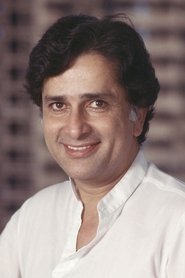 Shashi KapoorJaved Khan
 Shabana AzmiFirdaus (Javed's wife)
 Jennifer KendalMrs. Mariam Labadoor
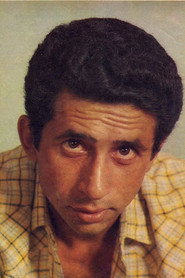 Naseeruddin ShahSarfaraz Khan
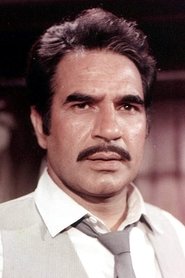 Kulbhushan KharbandaLalal Ramjimal
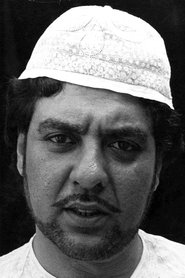 Jalal AghaKader Khan
 Nafisa AliRuth Labadoor
- Ismat ChughtaiMaternal Grandmother of Ruth Labadoor
 Deepti NavalRashid's wife
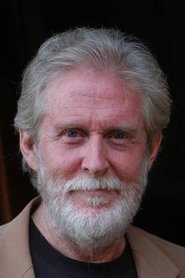 Tom AlterPriest
Directing
- Shyam BenegalDirector
Writing
- Ismat ChughtaiDialogue
- Ruskin BondWriter
- Shyam BenegalWriter
Production
- Shashi KapoorProducer
- Bunny ReubenPublicist