
Film
The Deceivers
- Thriller
- Crime
- Spy action
- Very dark
A 1988 adventure film where Pierce Brosnan's British officer infiltrates a murderous Indian death cult by going deep undercover in 1825. It's a taut colonial-era thriller with genuine moral unease—less swashbuckling spectacle, more psychological descent into darkness. For viewers who want their adventure seasoned with dread and ethical complexity rather than heroic certainty.
If you liked this
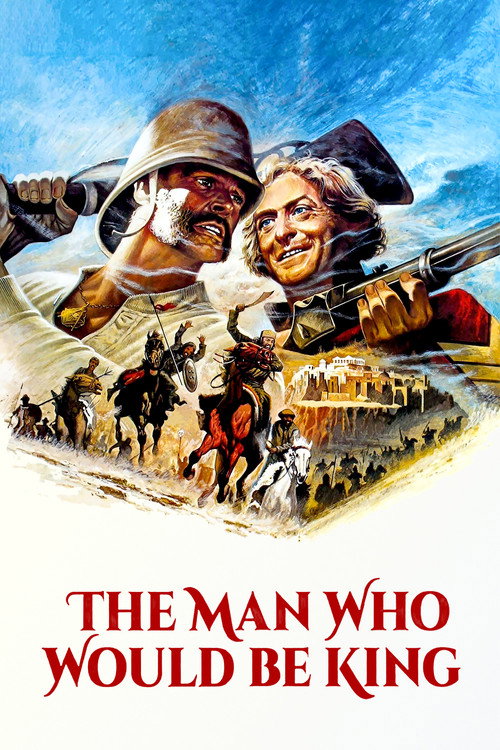
The Man Who Would Be King1975
Huston's masterpiece about two British adventurers scheming their way to power in Afghanistan. It has the same blend of imperial ambition, exotic locales, and the corrupting force of playing a role you never intended to become.
But The pacing can feel languid by modern standards, and the colonial perspective, while deliberately complicated, requires patience to unpack.
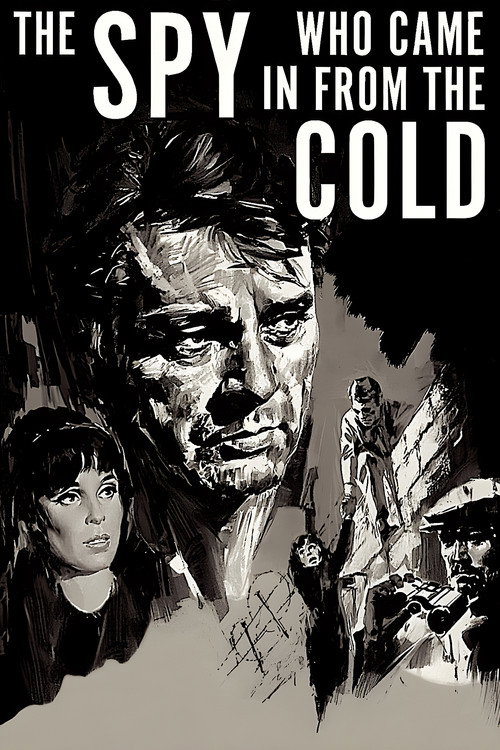
The Spy Who Came In from the Cold1965
le Carré's bitter Cold War spy thriller where Richard Burton's agent must become the very thing he despises. It shares The Deceivers' fascination with undercover work as psychological corrosion, not heroic adventure.
But It's deliberately unglamorous and bleak—no gadgets, no style, just cynicism and bureaucratic decay. Some find that depressing rather than thrilling.
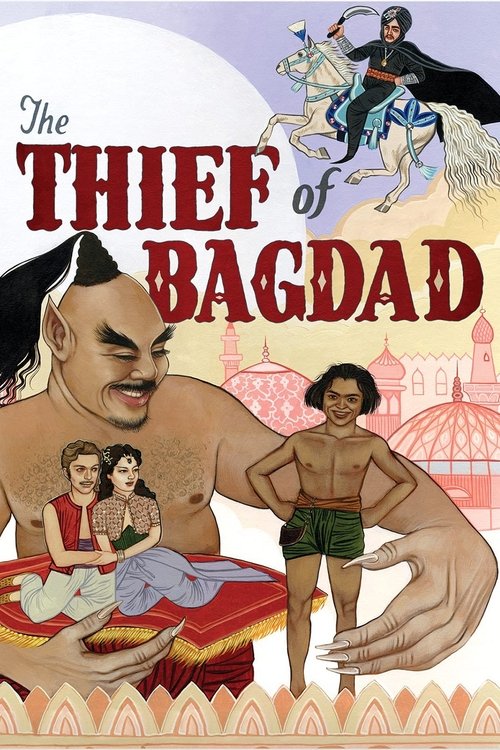
The Thief of Bagdad1940
Korda's Technicolor fantasy adventure set in the East, with the same sense of wonder about exotic worlds and the moral ambiguity of a protagonist operating outside conventional law.
But It's pure escapism—if you're craving the psychological weight of The Deceivers, this cheerful fairy tale might feel lightweight and dated.
Not sure tonight? Get a pick in a minute, starting from The Deceivers
The wildcard
Something you would not have found on your own.
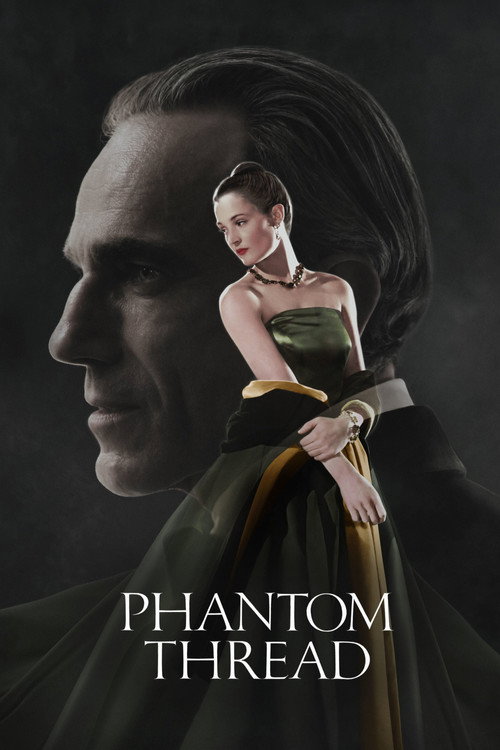
Phantom Thread2017
Both explore the horror of becoming the character you're pretending to be—the moment when the mask doesn't come off.
Paul Thomas Anderson's obsessive portrait of a man whose identity dissolves into his work. Like The Deceivers, it's about someone voluntarily losing themselves in a role, the line between performance and self becoming irreversible. Both are studies in psychological infiltration—of cults, of professions, of another person's world.
But It's a three-hour character study set in 1950s haute couture with minimal plot. If you want external action and clear conflict, this introspective chamber piece will feel glacially slow and claustrophobic.
More like this (7)
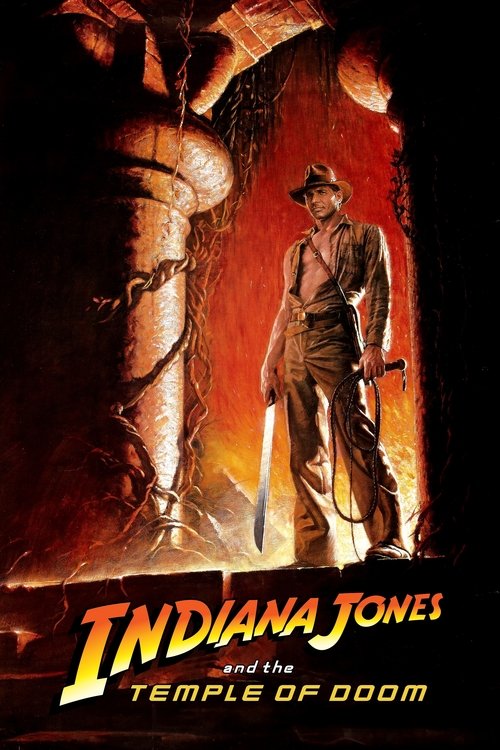
Indiana Jones and the Temple of Doom1984
Spielberg's adventure through India with ritual sacrifice, underground cults, and Western heroes confronting cultures they don't understand. It has similar B-movie energy and exotic menace.
But It's also deeply dated in its racial politics, and the tone veers toward camp where The Deceivers stays grounded and tense.
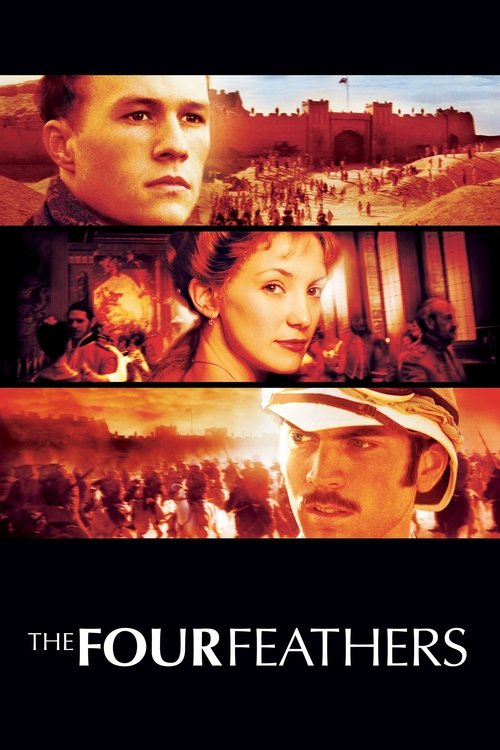
The Four Feathers2002
Heath Ledger and Wes Stiles navigate Sudan on a mission of redemption, undercover in a hostile landscape. Another colonial-era story about identity, duty, and the cost of infiltration.
But The narrative is conventional and the emotional beats feel manufactured compared to The Deceivers' unsettling ambiguity.
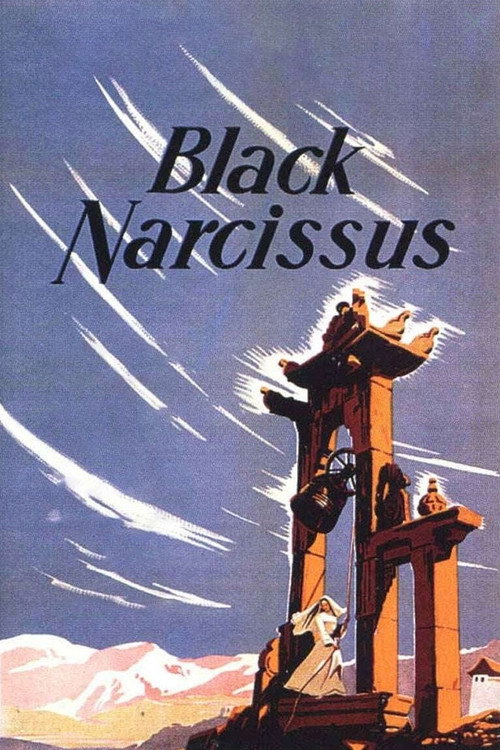
Black Narcissus1947
Powell and Pressburger's Technicolor meditation on British characters in the Himalayas, unraveling under isolation and desire. It's exotic adventure infused with psychological dread and sexual tension.
But It's a complex mood piece about repression and colonial disillusionment—if you want plot momentum, you'll find it frustratingly slow.
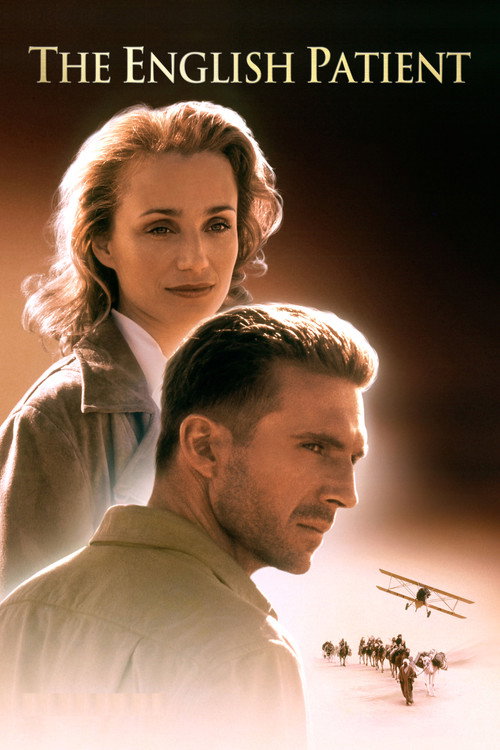
The English Patient1996
Minghella's wartime romance across North Africa and Italy, with moral ambiguity baked into every relationship. It has similar themes of deception, divided loyalty, and identities in flux.
But At nearly three hours it's a commitment, and the non-linear structure can feel fragmented. Some viewers find the romance overwrought.
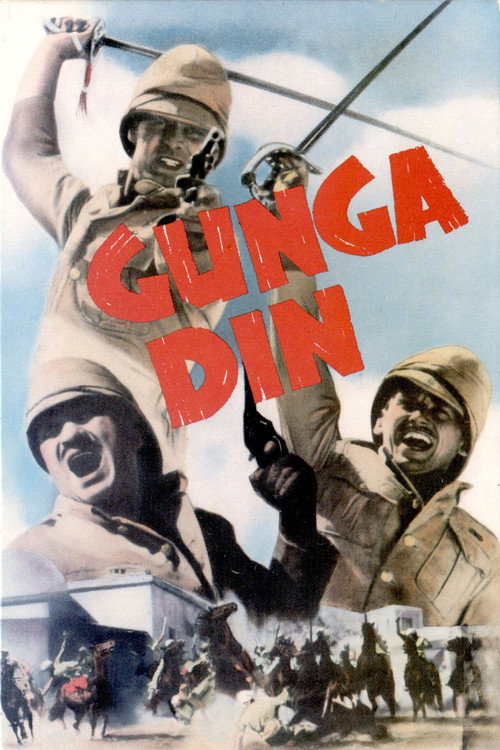
Gunga Din1939
Cary Grant in a romp through colonial India fighting a death cult. It's the lighter, more romantic ancestor of The Deceivers—same setting, same villains, entirely different mood.
But It's vintage Hollywood adventure with all the racial caricature that implies. The tone is so buoyant it might feel tonally jarring if you're in the dark headspace The Deceivers creates.
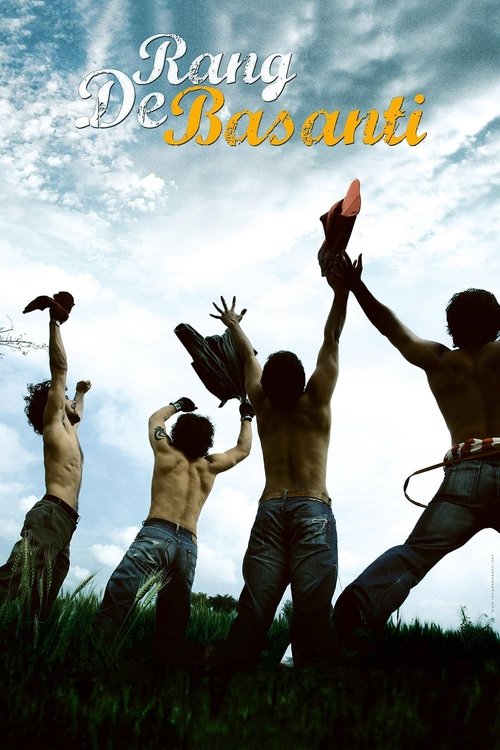
Rang De Basanti2006
Both examine what happens when someone steps outside their assigned role in the colonial/post-colonial hierarchy—the identity crisis and moral awakening that follows.
Aamir Khan's Bollywood thriller about young activists discovering themselves through political action and deception. It shares The Deceivers' setting in colonial-era themes of resistance and identity, but told from the Indian perspective with modern urgency and the emotional openness Bollywood brings to moral dilemmas.
But It's three hours with musical numbers, and the tonal shifts from comedy to violence can feel jarring if you're expecting Western narrative discipline. The patriotic fervor won't resonate if you're allergic to nationalism on screen.
Come and See1985
Both show undercover immersion not as thrilling spy craft but as psychological annihilation—the self erased by proximity to ritualized violence.
Elem Klimov's devastating Soviet war film follows a boy soldier's transformation into something unrecognizable through exposure to atrocity. Like The Deceivers, it's a pitiless study of how infiltrating a violent world changes you irreversibly—except here the horror is unambiguous and the cost is spiritual death.
But This is one of cinema's most brutal films. Graphic violence, child suffering, and a worldview of complete moral collapse make it nearly unwatchable. It's not entertainment; it's an ordeal.

People
Cast
 Pierce BrosnanWilliam Savage
 Shashi KapoorRaja Chandra Singh
 Saeed JaffreyHussein
- Helena MichellSarah Wilson
 Keith MichellColonel Wilson
 David RobbGeorge Anglesmith
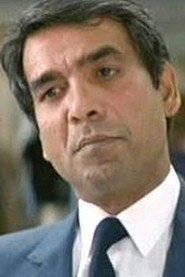 Tariq YunusFeringea
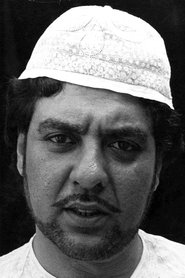 Jalal AghaThe Nawab
 Gary CadyLt. Maunsell
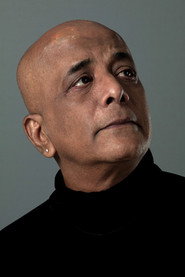 Salim GhousePiroo
 Neena GuptaGopal's Wife
- Nayeem HafizkaSepoy
Directing
- Nicholas MeyerDirector
Writing
- John MastersNovel
- Michael HirstScreenplay
Production
- Celestia FoxCasting
- Jennifer JaffreyCasting
- Michael WhiteExecutive Producer
- Ismail MerchantProducer
- Leon FalkProducer
- Tim Van RellimProducer
Recommended by
Bombay Talkie, Manthan, Kranti, Sye Raa Narasimha Reddy, Thugs of Hindostan, Izzat, Sword of Sherwood Forest, Junoon, Mahaan, Shaitaan, Madhumati, Date Movie, Mirapakay, Razia Sultan, Ek Nazar, Joseph Andrews