
Film
Bombay Talkie
Ismail Merchant and James Ivory's romantic comedy set against the glitzy chaos of 1970s Bombay cinema. An English novelist arrives to see her book adapted, gets entangled with a married film star, while the screenwriter pines for her. It's witty, sexy, and suffused with genuine affection for the machinery of Indian filmmaking—a bittersweet love letter to an industry and a moment.
If you liked this
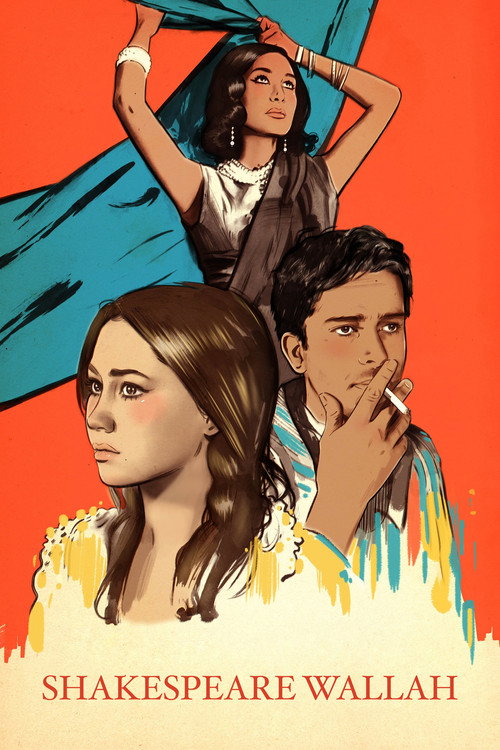
Shakespeare-Wallah1965
Another Merchant-Ivory film about English people in India, but this one tracks a traveling theatre troupe and feels even more intimate. A perfect entry to their collaborative voice before Bombay Talkie.
But The pacing is deliberate and the emotional stakes are quiet rather than dramatic. If you want plot momentum, you'll find it slow.
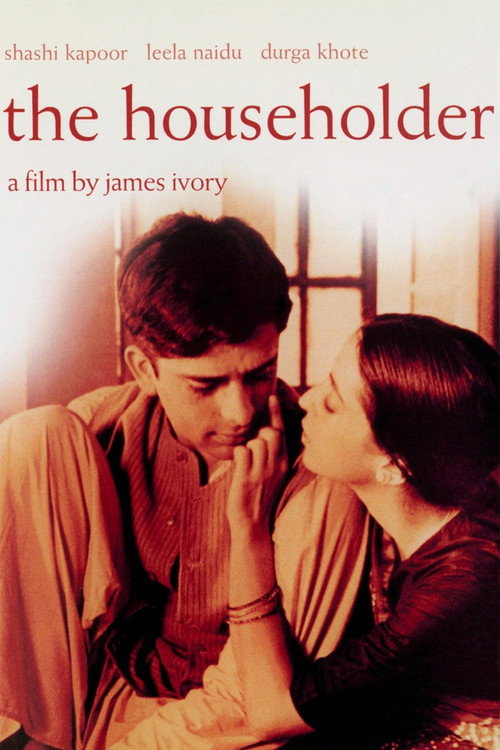
The Householder1963
Merchant-Ivory's debut, a comedy about a young schoolteacher navigating marriage and family in Delhi. It has the same wry, affectionate eye for Indian domestic life and the same lightness of touch.
But It's even more modest in scale than Bombay Talkie. The canvas is small and some viewers find that claustrophobic.
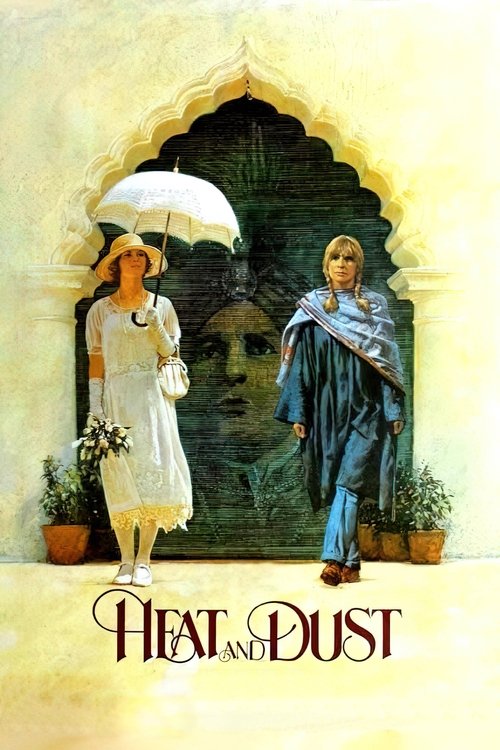
Heat and Dust1983
Merchant-Ivory return to the theme of English women drawn into complicated relationships in India, but with more historical depth. Lush, seductive, and genuinely tragic in ways Bombay Talkie playfully sidesteps.
But It's darker and more morally complex, which some find heavy-handed. The parallel narrative structure can feel schematic.
Not sure tonight? Get a pick in a minute, starting from Bombay Talkie
The wildcard
Something you would not have found on your own.
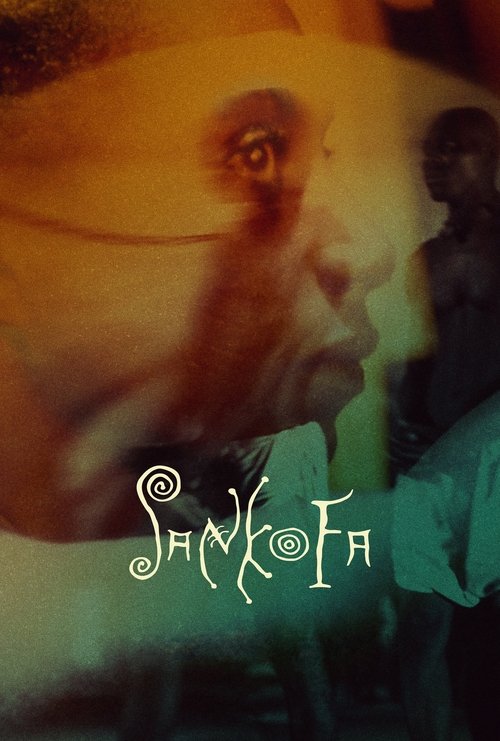
Sankofa1993
Both examine how cinema (and spectacle) constructs identity and desire, but Sankofa does so with political urgency while Bombay Talkie does so with romantic comedy. Seeing them together reveals what the latter is really thinking about.
Haile Gerima's essay-film about the legacy of colonialism in West Africa, told through a Black model who walks into a historical re-enactment. It's formally radical—nearly three hours of image and sound layered in non-linear ways—but it has the same questioning spirit as Bombay Talkie: what do we make of the images the powerful create for us?
But This is challenging experimental cinema, not conventional narrative. It's demanding, sometimes opaque, and requires real attention. Some will find it exhausting rather than enriching.
More like this (6)
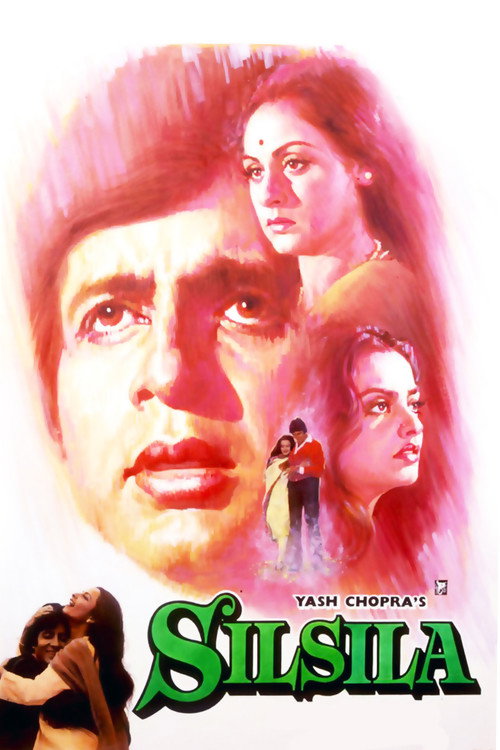
Silsila1981
Yash Chopra's utterly gorgeous Hindi film about a love triangle involving a screenwriter, a star, and the woman between them. The plot echoes Bombay Talkie's romantic geometry but in Bollywood's maximalist key.
But It's three and a half hours of melodrama and song. If you don't warm to the register, the earnestness reads as purple.
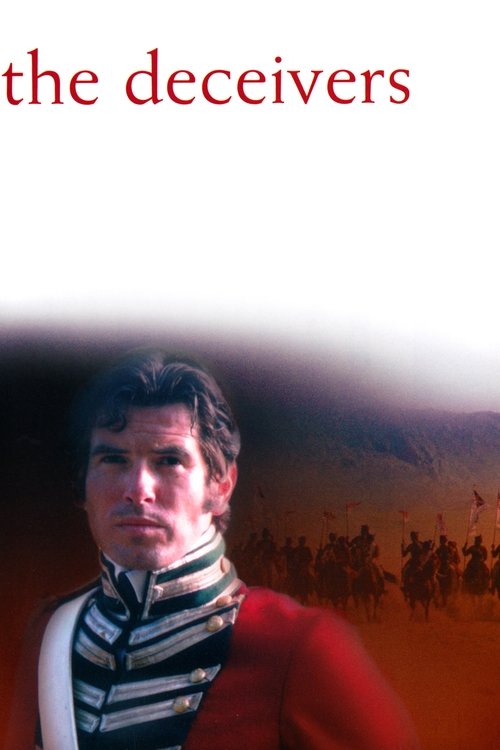
The Deceivers1988
Pierce Brosnan and Saeed Jaffrey in a Merchant-Ivory thriller set in colonial India. It proves the partners could do genre work with the same precision they brought to romance.
But It's a period thriller, not a comedy. Some find it convoluted and the tonal shift from their signature style alienating.
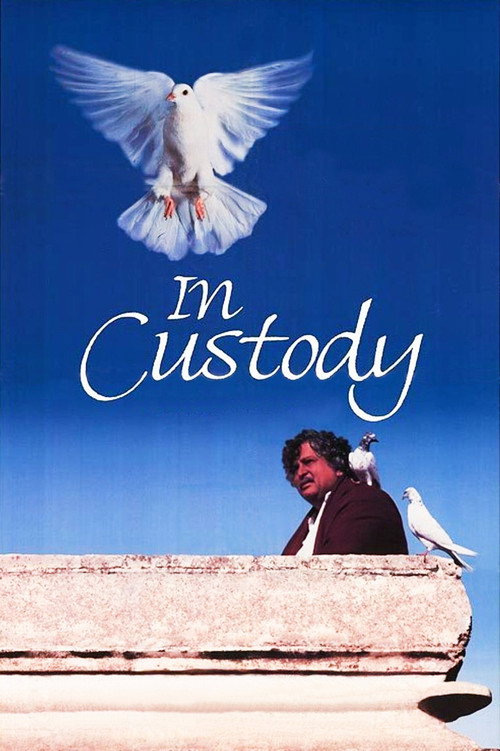
In Custody1994
Ismail Merchant directing solo: a gentle story about an Urdu teacher trying to document an aging poet's life. It has the same warmth toward the life of the mind and Indian culture that animates Bombay Talkie.
But It's quieter and more elegiac, less funny. It demands patience and won't reward plot-forward viewing.
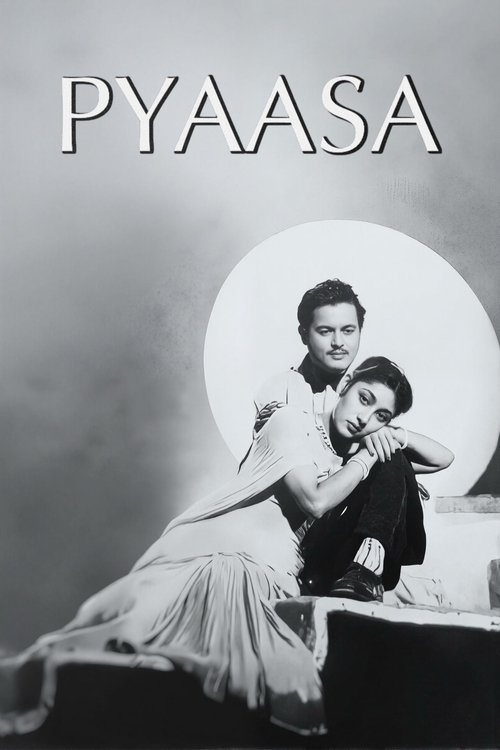
Pyaasa1957
Guru Dutt's masterpiece about a poet destroyed by Bombay cinema, starring Dutt himself. A tragic inversion of Bombay Talkie's bittersweet romance with the industry—essential viewing to feel the weight of what that setting means.
But It's relentlessly melancholic and operates at a higher level of formal sophistication. Some find it glacially paced.
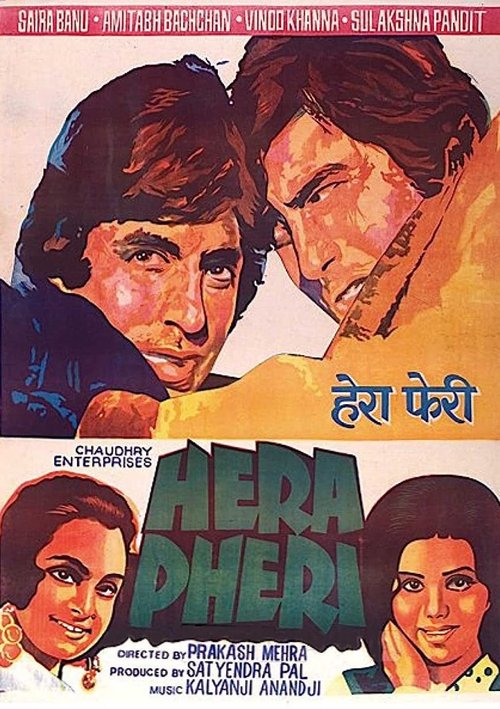
Hera Pheri1976
A Rajesh Khanna comedy caper with a lighter touch and color cinematography that recalls Bombay Talkie's visual warmth. It's fun entertainment in a similar register.
But It's much less substantial—a time passer rather than something with real wit or insight. If you valued Bombay Talkie's intelligence, this will feel slight.
Pather Panchali1955
Both are Indian films from the early Merchant-Ivory era or its peer moment, but represent opposite poles of what Indian cinema could be. Bombay Talkie is Bollywood observed by outsiders with affection; Pather Panchali is a native vision of an India Bollywood doesn't acknowledge.
Satyajit Ray's debut: a film about everyday life in rural Bengal with no plot to speak of, just observation and feeling. It's from the same era and country as Bombay Talkie but spiritually opposite—where Bombay Talkie is glossy and urban and about artifice, this is intimate and real and about necessity. Watching both gives you India and cinema in 1970.
But It moves like molasses and is about poverty and death. It's a masterpiece but not entertainment—the emotional tenor is grave and the pace is meditative to the point where some find it static.

People
Cast
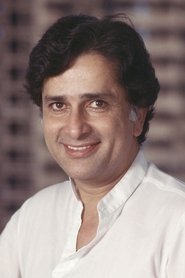 Shashi KapoorVikram
 Jennifer KendalLucia Lane
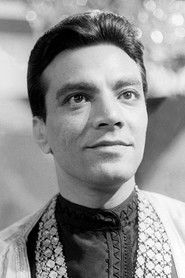 Zia MohyeddinHari
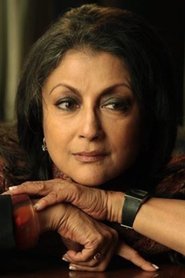 Aparna SenMala
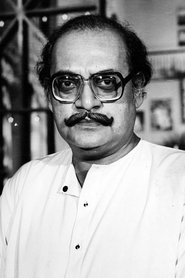 Utpal DuttBose
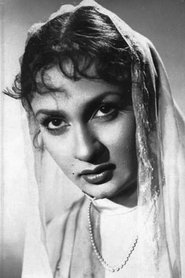 NadiraAnjana Devi
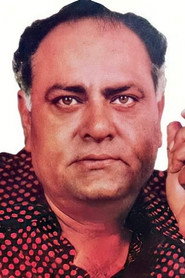 Pinchoo KapoorSwamiji
 HelenHeroine in Gold
- Sonoo AroraHeroine in Red
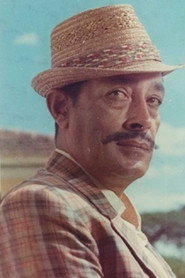 IftekharVizarat Khan
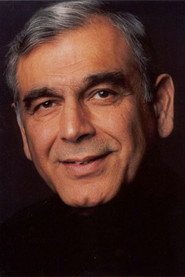 Ismail MerchantFate Machine Producer
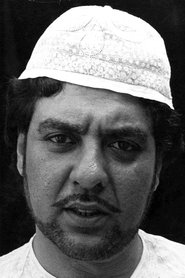 Jalal AghaYoung Man
Directing
- James IvoryDirector
Writing
- Hasrat JaipuriLyricist
- James IvoryScreenplay
- Ruth Prawer JhabvalaScreenplay
Production
- Ismail MerchantProducer