
Film
Shakespeare-Wallah
A jewel-box film about an English theatrical family performing Shakespeare across post-independence India, watching their world crumble as the country modernizes around them. Tender, elegiac, intimate—it's a love story wrapped inside an elegy for a vanishing way of life. For anyone moved by the collision of cultures and the quiet heartbreak of obsolescence.
Should you watch it?
Watch it if you enjoy reflective, unshowy films that use a touring Shakespeare troupe to watch a country change, and you don't mind a story that drifts rather than drives.
Skip it if the pace is gentle and episodic, with little plot to hang on, so if you need a clear arc or a lot of incident, this will feel slow.
What it asks of you: Scenes that wander without urgency, and a willingness to let a long road journey settle across just under two hours.
Not sure? Find tonight's pick in a minute.
If you liked this
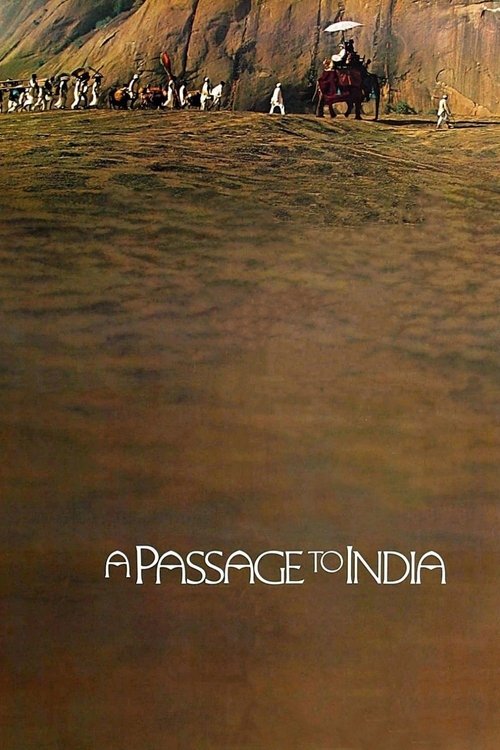
A Passage to India1984
Lean's masterpiece also explores the fracture between British and Indian worlds, but with epic scope and visual grandeur. If Shakespeare-Wallah moved you, this deepens the emotional and political complexity of that collision.
But It's a long, stately film that demands patience. Some find its pacing glacial, and its themes of misunderstanding can feel heavy-handed.
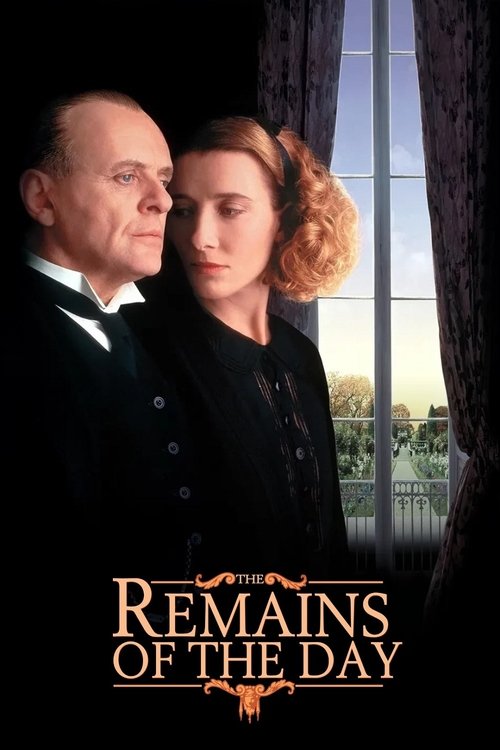
The Remains of the Day1993
Another meditation on dignity, duty, and the slow erosion of old certainties. Stevens and Miss Kenton's restrained dance mirrors Sanju and Lizzie's painful restraint—both films understand what goes unsaid.
But Emotionally devastating in its quietness. If you need catharsis or explicit feeling, this withholding style may frustrate you.
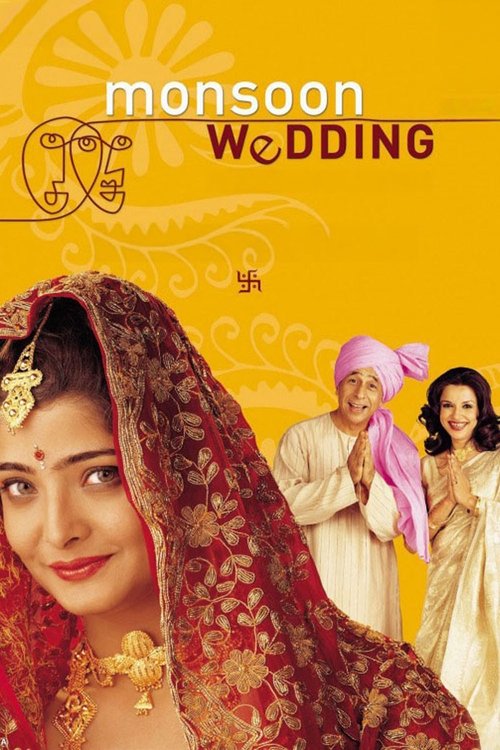
Monsoon Wedding2001
Mira Nair captures modern Delhi with the same eye for cultural texture and family dynamics. It's exuberant where Shakespeare-Wallah is melancholy, but both love India with clear eyes and full hearts.
But The tonal shifts from comedy to darker material feel jarring to some. It's also much noisier and busier than Shakespeare-Wallah's quietude.
Not sure tonight? Get a pick in a minute, starting from Shakespeare-Wallah
The wildcard
Something you would not have found on your own.
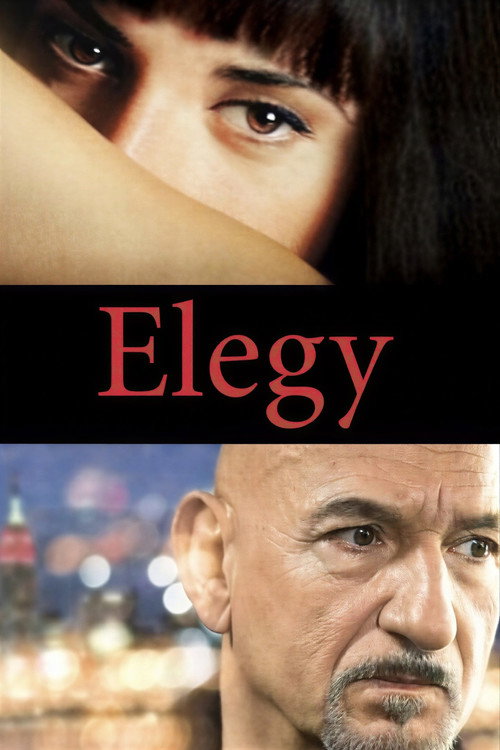
Elegy2008
Both films observe desire and connection between people from incompatible worlds; both use the encounter to explore larger historical and cultural currents. But Sokurov strips away all the narrative scaffolding, leaving pure mood and visual poetry.
A late-career Sokurov film about a fictional meeting between Marilyn Monroe and Joseph McCarthy. Like Shakespeare-Wallah, it's preoccupied with fame, desire, and the collision of opposing worlds—but rendered as a dreamlike, almost abstract meditation rather than narrative.
But Extremely slow, almost static. Some shots hold for minutes. It requires a tolerance for patient cinema and ambiguity that many viewers simply won't have.
More like this (7)
The Leopard1963
Visconti's portrait of an aristocrat watching his world obsolete itself is achingly beautiful. The same elegiac tone, the same sense of refinement meeting crude modernity, rendered in sumptuous images.
But Nearly three hours of Italian cinema from the 1960s. Glacially paced, subtitled, and deeply melancholic throughout.

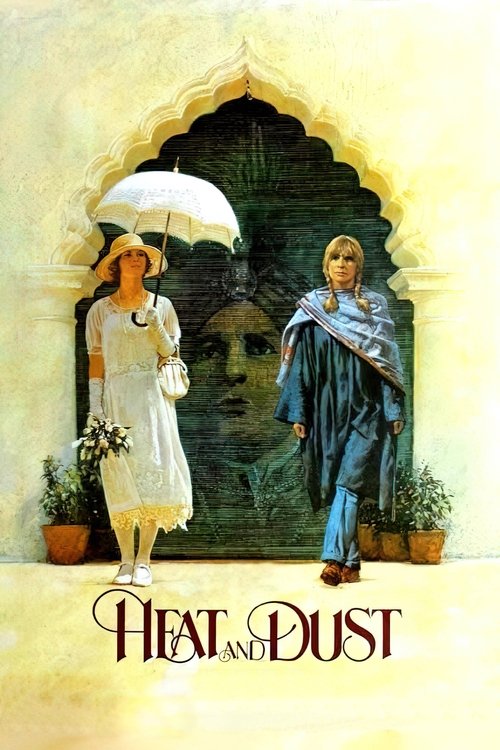
Heat and Dust1983
Ruth Prawer Jhabvala (who wrote Shakespeare-Wallah) explores British-Indian entanglement across two timelines. Sensual, mysterious, and attuned to the erotic and emotional currents beneath colonial encounters.
But The parallel narratives require active attention. Some find the pacing slow and the emotional payoff ambiguous rather than satisfying.
Pather Panchali1955
Ray's debut is a companion piece to Shakespeare-Wallah—another film about a family struggling as India transforms. Less romantic, more devastatingly real, but with the same visual poetry and emotional truth.
But Deeply sad. Filmed in poverty with a deliberate pace. If you want entertainment rather than art, this won't deliver it.

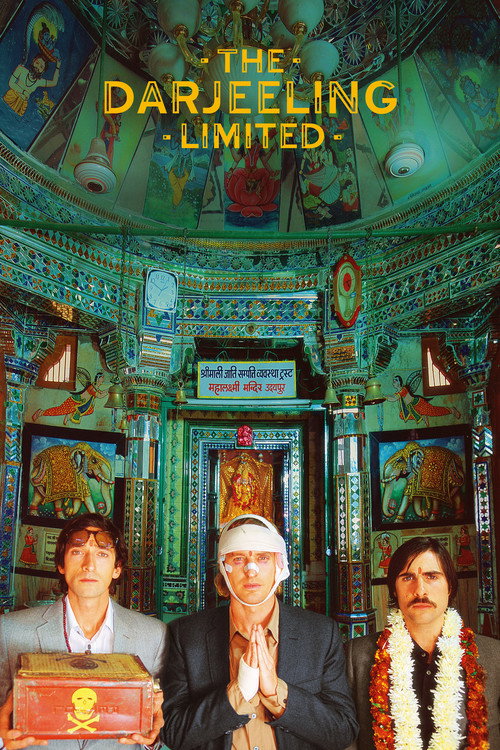
The Darjeeling Limited2007
Wes Anderson's obsessive, melancholic film about three brothers on a spiritual journey through India. Like Shakespeare-Wallah, it's interested in outsiders encountering India, in loss, and in the search for meaning in travel.
But Anderson's stylization is aggressively artificial. If you prefer naturalism and emotional directness, his mannerism will feel distancing.
In the Mood for Love2000
Wong Kar-wai's ravishing film about two neighbours discovering mutual attraction, told through compressed moments and visual longing. The restraint and unspoken feeling echo Shakespeare-Wallah's emotional world.
But Deliberately slow and repetitive in its visual strategy. The plot is gossamer-thin. Some find the style suffocates the emotional core.

Letter from an Unknown Woman1948
Ophüls' masterpiece about a woman's lifelong, unrequited devotion. Like Shakespeare-Wallah, it's interested in the gap between feeling and confession, and in how love persists in silence.
But A period melodrama in black-and-white. The emotional register is operatic rather than naturalistic, which can feel overwrought to modern eyes.

The Ballad of Little Jo1993
Both films are centered on acts of theatrical survival—the Kendals performing Shakespeare, Jo performing manhood. Both ask: what do we sacrifice to remain in the world, and what do we keep?
A revisionist Western about a woman who passes as a man in the 1880s frontier. Like Shakespeare-Wallah, it's about performance, identity, and the courage required to survive in a world that won't accept you as you are.
But Spare and deliberate in a way that some find boring. It's also a feminist reclamation of the Western genre, which means it subverts rather than satisfies the form's pleasures.

People
Cast
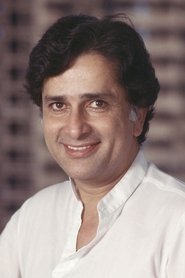 Shashi KapoorSanju
 Felicity KendalLizzie Buckingham
- Geoffrey KendalMr. Tony Buckingham
- Laura LiddellMrs. Carla Buckingham
 Madhur JaffreyManjula
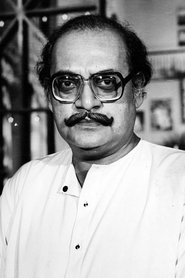 Utpal DuttMaharaja
- Praveen PaulDidi
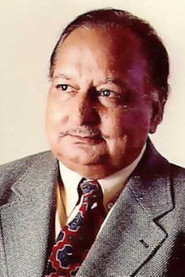 Prayag RajSharmaji
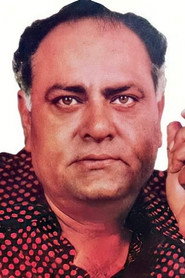 Pinchoo KapoorGuptaji
- Jim D. TytlerBobby
- Hamid SayaniHeadmaster's Brother
- Marcus MurchDandy in 'The Critic'
Directing
- James IvoryDirector
Writing
- Ruth Prawer JhabvalaScreenplay
- James IvoryWriter
- Ruth Prawer JhabvalaWriter
Production
- Ismail MerchantProducer