
Film
Elegy
Other titles called Elegy: the 1965 film.
A distinguished professor's carefully ordered life of sexual freedom collapses when he becomes obsessed with a beautiful student. Based on Philip Roth's novella, *Elegy* is a tense, claustrophobic meditation on desire, mortality, and the fantasy of perfect possession. It's a film about how wanting someone can blind you to who they actually are—uncomfortable, unflinching, and not remotely romantic.
Should you watch it?
Watch it if you savor talky, intimate character studies about middle-aged appetite and the fear of getting older, where the pleasure lies in precise dialogue and quiet looks rather than plot.
Skip it if you want a romance with easy warmth, since the central pairing feels cool and the film cares more about a man's self-regard than the woman he desires.
What it asks of you: Expect a steady run of talk-heavy scenes, with long pauses and few big set pieces, and a tone that stays grave and sensual rather than light.
Not sure? Find tonight's pick in a minute.
If you liked this
The Last Temptation of Christ1988
Scorsese's three-hour provocation about faith, flesh, and the war between them. Like *Elegy*, it refuses easy answers and trusts the audience to sit with moral ambiguity and desire in all its messy complexity.
But It's glacially paced, explicitly sexual, and many found it genuinely blasphemous. It demands patience and comfort with sustained discomfort.
The Servant1963
Losey's masterpiece of power dynamics between a man and the person he hires to serve him—desire, class, manipulation, and possession all spiralling together. Same engine of fascination-as-corruption.
But It's in black and white, shot in an unusually formal style, and the ambiguity extends to what's actually happening. Some find it opaque rather than mysterious.
Under the Skin2014
Glazer's film about predation and desire from the predator's point of view. Slow, sensual, deeply unsettling. It shares *Elegy*'s refusal to sentimentalise sex or the body.
But Barely a plot. Long stretches of driving, minimal dialogue, and the sex itself is presented as something alien and terrifying. Not everyone's idea of entertainment.

Not sure tonight? Get a pick in a minute, starting from Elegy
The wildcard
Something you would not have found on your own.
Theatre of Blood1973
Both are studies of men whose self-image has become completely detached from reality, and whose fantasies of power destroy everything around them. One is introspective, one is explosive—but the madness at the centre is the same.
Vincent Price murders critics one by one, performing Shakespeare as he does it. It's *Elegy*'s inversion—obsession as spectacle and revenge rather than paralysis. Same psychological intensity, completely different register: campy, theatrical, blackly funny.
But It's deliberately artificial and over-the-top. If you want naturalism or restraint, the film's cartoonish violence and hamming will feel arch and tedious.
More like this (8)
Damage1992
A man of power and status throws away everything for an affair. Louis Malle's film about how sexual obsession can utterly obliterate judgment and decency. Raw and genuinely shocking for its era.
But It's deeply cynical about human nature, the sex is explicit, and nobody learns anything. The nihilism might feel airless rather than honest.
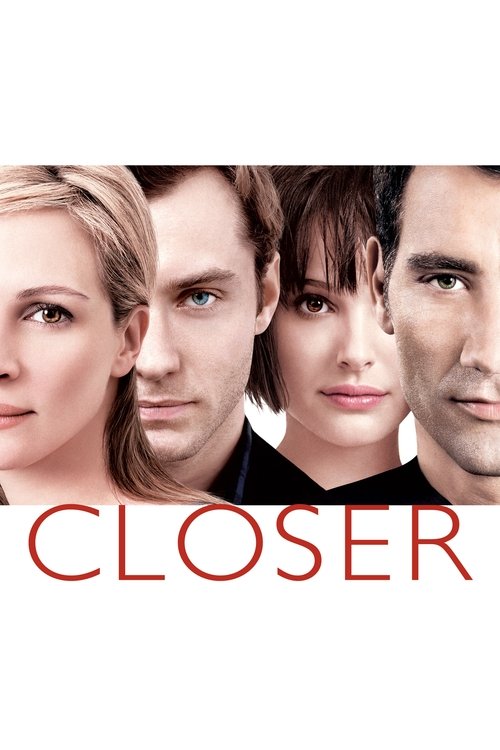
Closer2004
Four people pull each other apart through sex, lies, and desire. Mike Nichols' film has the same clinical precision about romantic fantasy versus reality, and the same willingness to show people at their worst.
But It's brutal and relentless. The dialogue is sharp to the point of cruelty, and there's no catharsis—just damage on all sides.
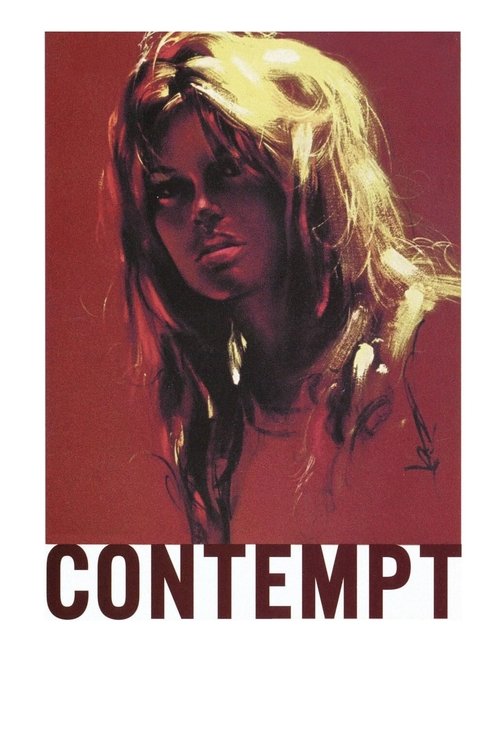
Contempt1963
Godard's film about a marriage collapsing because a man has become convinced his wife is a possession to lose rather than a person. Gorgeous, philosophical, about how desire corrodes everything it touches.
But It's a Godard essay-film dressed as a drama. Long takes, self-conscious artifice, and the story matters less than what Godard is saying about cinema itself.
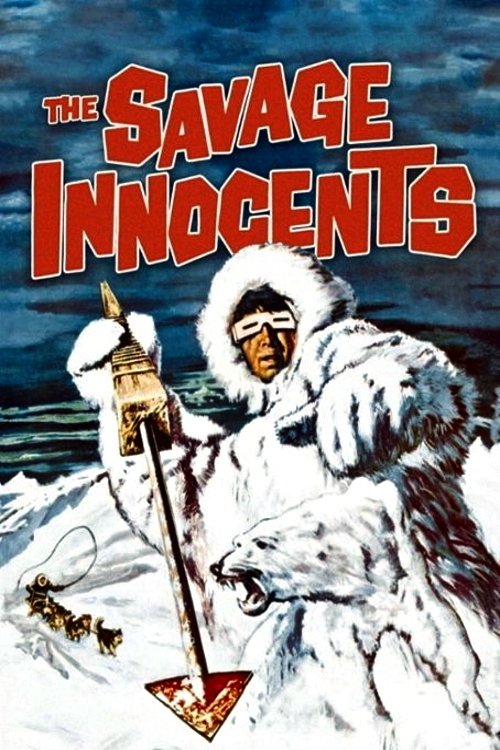
The Savage Innocents1960
A man obsessed with a woman he cannot truly know or understand. The setting is the Arctic, the scale is epic, but the core is the same—desire as a force that destroys everything it encounters.
But It's visually stunning but narratively slack, and the treatment of the Inuit characters is now deeply uncomfortable. Dated in ways that feel worse than historical.
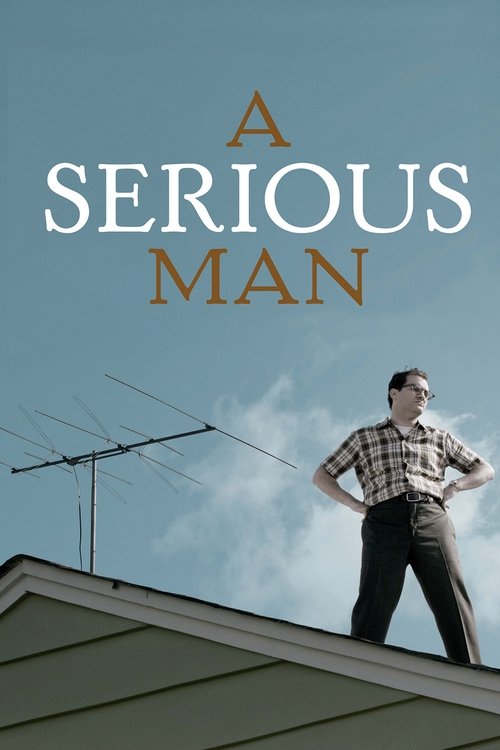
A Serious Man2009
The Coen Brothers' portrait of a man whose life is falling apart and has no idea why. Like *Elegy*, it's about powerlessness disguised as control, and the fantasies men tell themselves about their own importance.
But The comedy is dark and oblique. For American audiences expecting clear resolutions, the ending is maddening rather than profound.
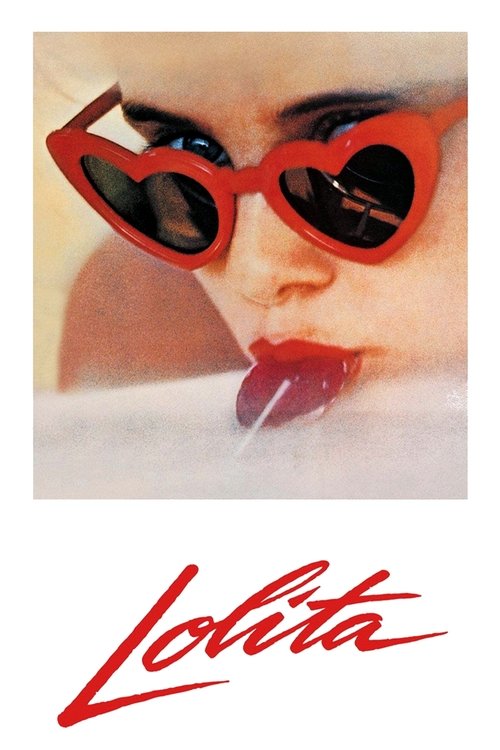
Lolita1962
Kubrick's adaptation of Nabokov—also adapted from a controversial novella about an older man's obsession with a young woman. It's the template for examining desire without moralising it or excusing it.
But The film softens the novel in ways that make it almost sentimental. And knowing the source material might make the adaptation feel like a compromise.
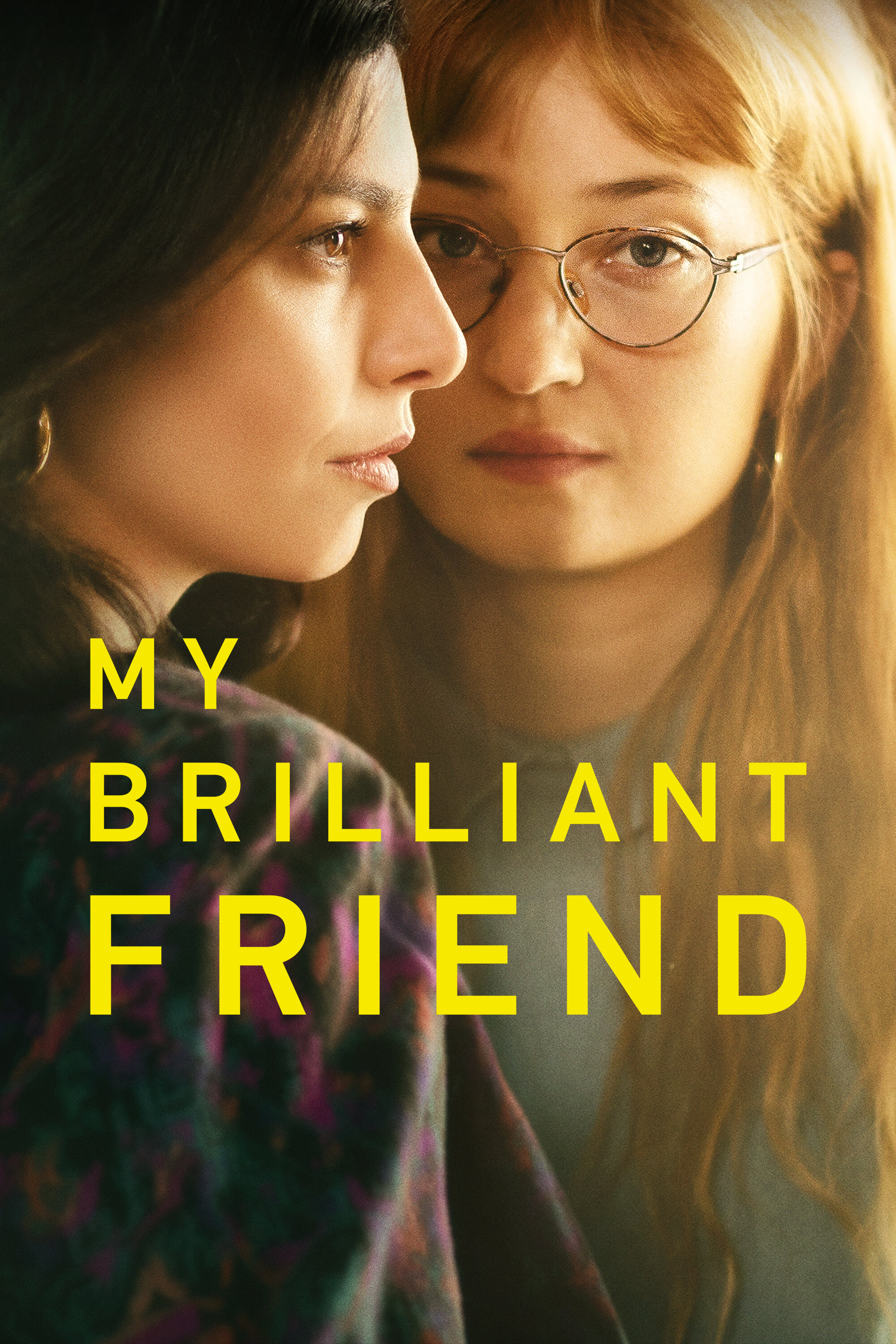
My Brilliant Friend2018
Both examine how we mythologise other people instead of seeing them. Both are beautifully shot and emotionally austere. *Elegy* shows male fantasy; *My Brilliant Friend* shows how women internalise and survive it.
HBO's adaptation of Ferrante's Neapolitan novels. Like *Elegy*, it's about how desire and possession warp relationships between people, but it's told from women's perspective instead. The same intensity, the same unflinching look at how fantasy corrupts reality.
But It's in Italian with subtitles. Eight episodes is a commitment. And it's more interested in female friendship and ambition than in sex itself, which shifts the entire emotional temperature.
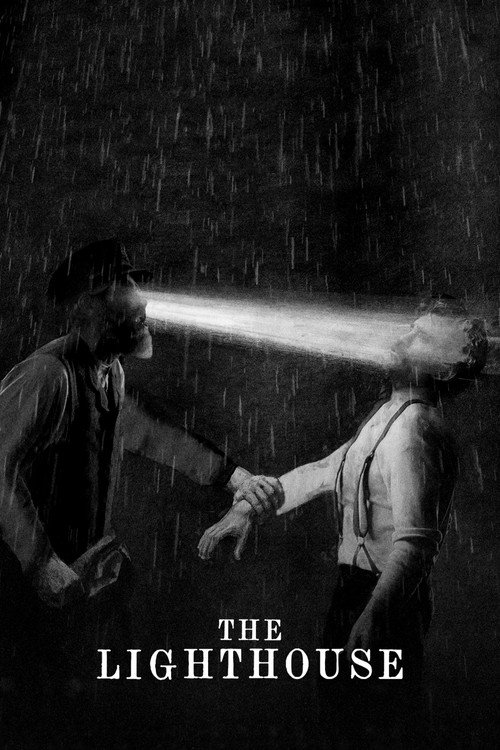
The Lighthouse2019
Both are essentially two-character studies about possession and the fantasy of complete control. But where *Elegy* is a clinical drama, *Lighthouse* is a hallucinatory nightmare. Same obsession, entirely different atmosphere.
Two men in a confined space, work and desire and power all colliding. Shot in black and white with a square aspect ratio, it's claustrophobic and hallucinatory. It has *Elegy*'s intensity and refusal to sentimentalise, but it's baroque and formally experimental.
But It's genuinely weird. The accents are thick, the dialogue is pseudo-archaic, and the narrative deliberately disintegrates into something close to dream logic. Challenging in ways that feel deliberate and potentially annoying.
People
Cast
 Penélope CruzConsuela Castillo
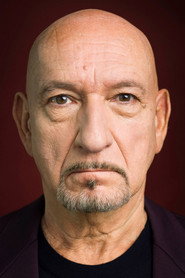 Ben KingsleyDavid Kepesh
 Patricia ClarksonCarolyn
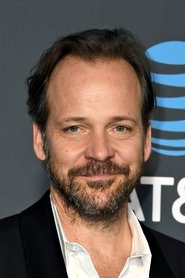 Peter SarsgaardKenneth Kepesh
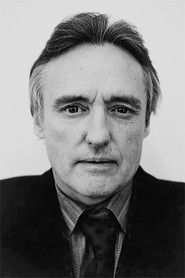 Dennis HopperGeorge O'Hearn
 Sonja BennettBeth
 Chelah HorsdalSusan Reese
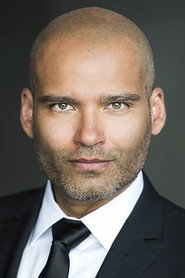 Shaker PalejaKris Banjee
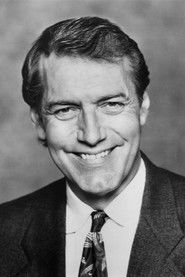 Charlie RoseCharlie Rose
 Kris PopeConsuela's Brother
 Debbie HarryAmy O'Hearn
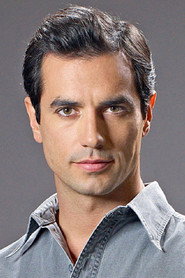 Antonio CupoYounger Man
Directing
- Isabel CoixetDirector
Writing
- Philip RothNovel
- Nicholas MeyerScreenplay
Production
- Eric ReidExecutive Producer
- Richard S. WrightExecutive Producer
- Andre LamalProducer
- Gary LucchesiProducer
- Tom RosenbergProducer
Recommended by
The Home and the World, Shakespeare-Wallah, The Bengali Night, The Heiresses, Char Adhyay