
Film
The Bengali Night
A 1988 Anglo-Indian romance set in colonial Calcutta, where a British engineer and his boss's daughter fall into a doomed affair against the backdrop of India's independence movement. Languid, melancholic, beautifully shot. For anyone drawn to intimate period dramas about love caught between empires and social worlds.
Should you watch it?
Watch it if you like slow, costume-heavy period dramas where the mood of a colonial household matters more than plot, and you are happy to sit with a love story rooted in its place and class.
Skip it if you want brisk storytelling, since at over two and a half hours its unhurried pace and lingering interiors can feel like a lot of waiting around.
What it asks of you: Long, deliberate and quiet, at 153 minutes it gives its attention to glances and silences more than to events, so it rewards patience.
Not sure? Find tonight's pick in a minute.
If you liked this
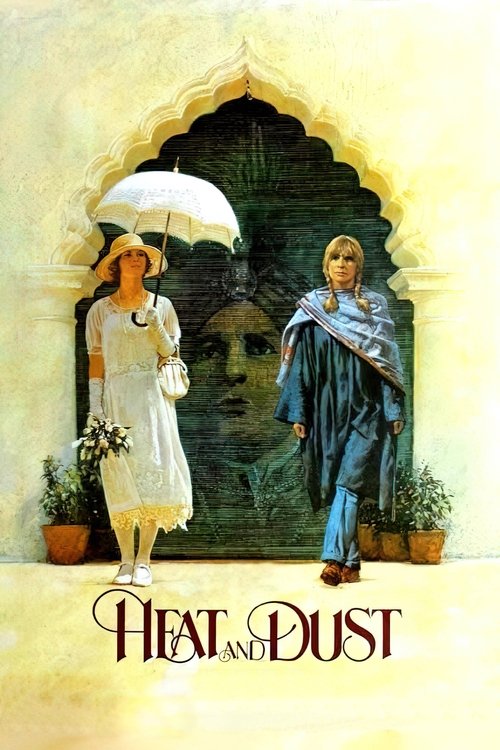
Heat and Dust1983
A parallel exploration of forbidden romance between British and Indian worlds across two timelines. Merchant-Ivory at their most assured, with Greta Scacchi luminous and the Indian sequences genuinely immersive.
But Glacially paced. The non-linear structure demands patience and it takes time to care why the past matters.
The Remains of the Day1993
Another restrained Hugh Grant, another story of love buried beneath propriety and duty. James Fox and Emma Thompson bring devastating quiet to a relationship that never quite speaks.
But Suffocatingly buttoned-up. If you need plot momentum or emotional outbursts, this will feel airless.

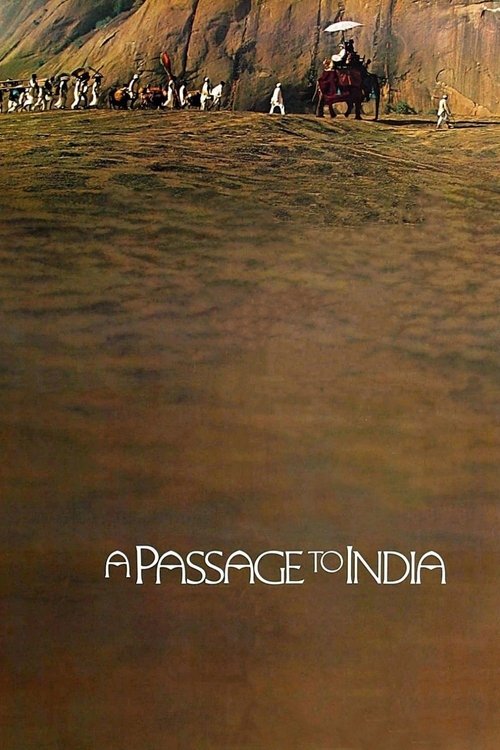
A Passage to India1984
The definitive film about the collision between Britain and India. Lean into the mystery and ambiguity; Peggy Ashcroft and James Fox explore cross-cultural misunderstanding with real gravity and nuance.
But The central accusation creates discomfort that the film doesn't resolve neatly. Some find it didactic about empire.
Not sure tonight? Get a pick in a minute, starting from The Bengali Night
The wildcard
Something you would not have found on your own.
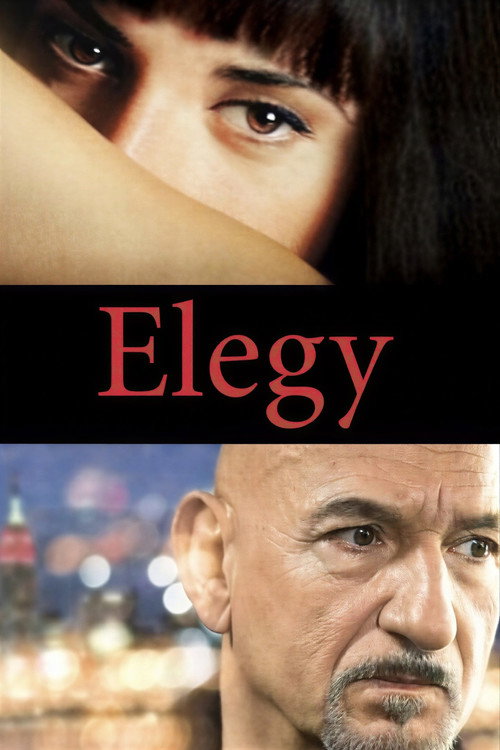
Elegy2008
Both are unflinching about the gap between social worlds and desire. Both feature romance as something that damages and transforms, not heals. Both centre on men trying to hold onto something they're losing.
A reckoning with desire and age. Ben Kingsley as a widowed professor who falls for a younger woman. Isabelle Huppert as the object of his obsession, and also a full person. Sexual and cerebral and honest about shame and longing in ways most films avoid.
But Unflinching about desire and the male gaze. Some scenes are explicit and uncomfortable by design.
More like this (7)
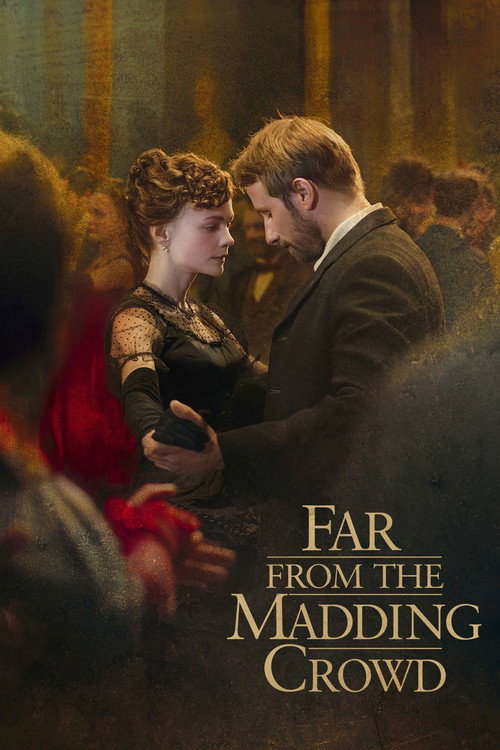
Far from the Madding Crowd2015
Thomas Vinterberg's lush, unsentimental take on Hardy. Carey Mulligan torn between lovers, shot in actual golden hour light. Romance as a force of nature, not comfort.
But The pacing is deliberately slow. If you want clarity about who's right and wrong, it refuses to give it.
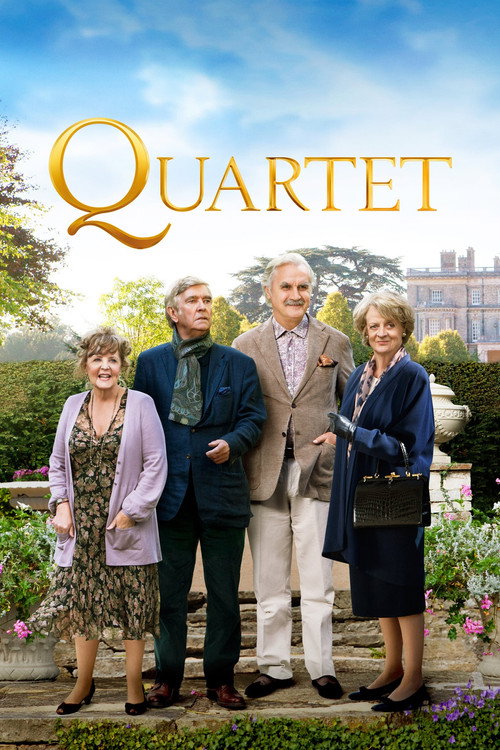
Quartet2012
Isabelle Huppert and Jean-Pierre Bacri as former lovers meeting again in a retirement home. Tender, funny, about desire and dignity in age. A small film with a large heart.
But Almost nothing happens. It's a character study in a single location, and some will find it slight.
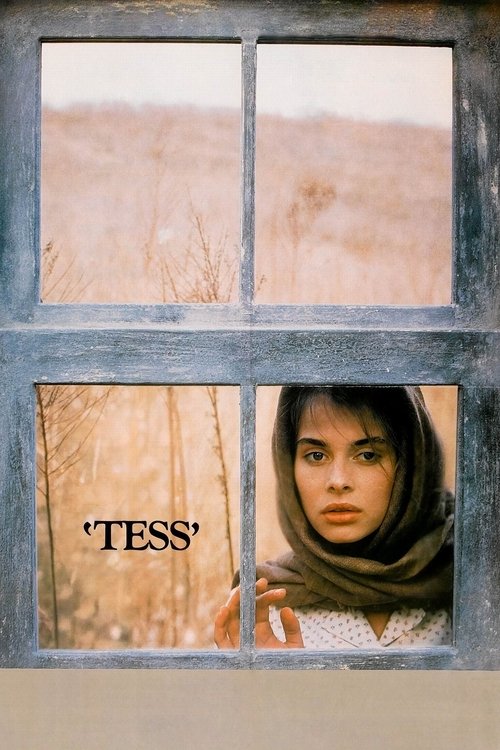
Tess1979
Roman Polanski's Tess of the d'Urbervilles: a beautiful woman destroyed by circumstance and male desire. Nastassja Kinski hypnotic. Morally complex and utterly tragic.
But The subject matter is bleak and the ending is genuinely difficult. Polanski's presence and the film's treatment of consent trouble some viewers.
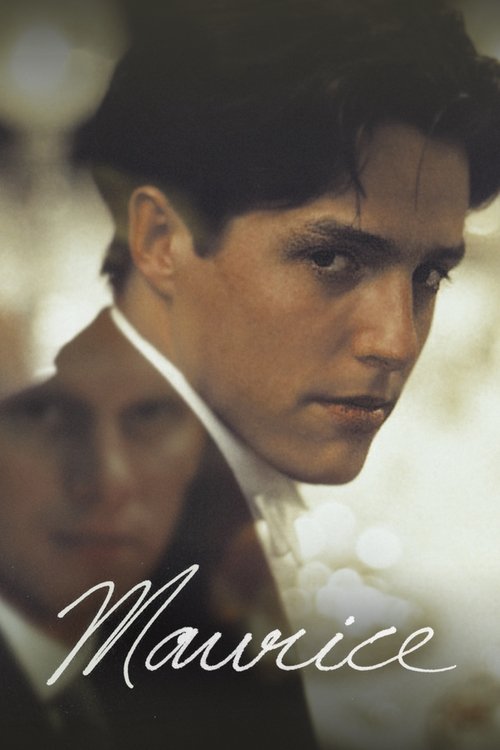
Maurice1987
Merchant-Ivory's Forster adaptation about homosexuality and class. James Wilby and Hugh Grant (his breakout) as men caught between passion and the world's demands. Achingly romantic.
But The 1980s were not kind to Forster's prose on screen, and it can feel dated. A happy ending troubles some for being unrealistic.
The English Patient1996
Epic romance across continents and war. Stunning cinematography by John Seale. Ralph Fiennes and Kristin Scott Thomas burning quietly through flashbacks and desire.
But Nine Oscars and a long runtime haven't stopped it aging into melodrama. The modern frame story feels tacked on.

Charulata1964
Both are Bengali stories set against political upheaval. Both use romance as a way of understanding the self and social change. Both are glacially paced because the real action is internal and the stakes are emotional, not narrative.
Satyajit Ray's masterpiece: a Bengali wife neglected by her radical husband discovers intellectual companionship—and more—with his cousin. Shot in black and white, crackling with unspoken desire. The finest film about longing ever made.
But Ray's prose is interior and almost entirely visual. There's no plot as such, just the architecture of a room and what glances mean.

The Godfather Part II1974
Both triangulate love against the period setting. Both ask whether romance is an escape from the world or a mirror of it. The Restoration is what The Bengali Night might be if shot in Technicolor and let loose in a garden.
Robert Redford as a cynical hedonist in Restoration England who loves a doctor's daughter (Mary Elizabeth Mastrantonio). Painterly, sensual, about pleasure and duty and whether goodness is learned or pretended. The opposite register: baroque, a little trashy, gorgeously indulgent.
But The film is a gorgeous mess. The plot meanders, the politics are muddled, and it feels like it was edited while people were arguing about it.

People
Cast
 Hugh GrantAllan
 Shabana AzmiIndira Sen
 Supriya PathakGayatri
 John HurtLucien Metz
 Soumitra ChatterjeeNarendra Sen
 Anne BrochetGuertie
 Pierre-Loup RajotHarold
- Elisabeth PercevalNorinne
 Anjan DuttKhokha
 Utpal DuttThe Priest / Postman / Beggar
- Poornima PathwardhanLilou
 Steve PottsSteve
Directing
- Roland DhardivilleAssistant Director
- Nicolas KlotzDirector
- Nathalie ViernyScript Supervisor
Writing
- Mircea EliadeNovel
- Nicolas KlotzScreenplay
- Jean-Claude CarrièreWriter
Production
- Jean-Louis MonthieuxProduction Manager