
Film
The Home and the World
Satyajit Ray's chamber drama about desire, ideology, and the collision between private feeling and public conviction. A wealthy Westernized Hindu invites a charismatic nationalist into his home, and his wife becomes entangled—intellectually and romantically—between two men and two visions of India. Intimate, political, and morally unresolved in the best way.
Should you watch it?
Watch it if you are drawn to slow, talky chamber dramas where politics seeps into a marriage and the quiet looks between characters carry more weight than any speech, in the manner of Satyajit Ray's period films.
Skip it if you want momentum; the film moves at a deliberate, contemplative pace, and its ideas are argued in long conversations and lingering interiors rather than through plot.
What it asks of you: It asks for nearly two and a half hours of patience, with long stretches of stillness and dialogue, and rewards close attention to faces, rooms and what is left unsaid.
Not sure? Find tonight's pick in a minute.
If you liked this
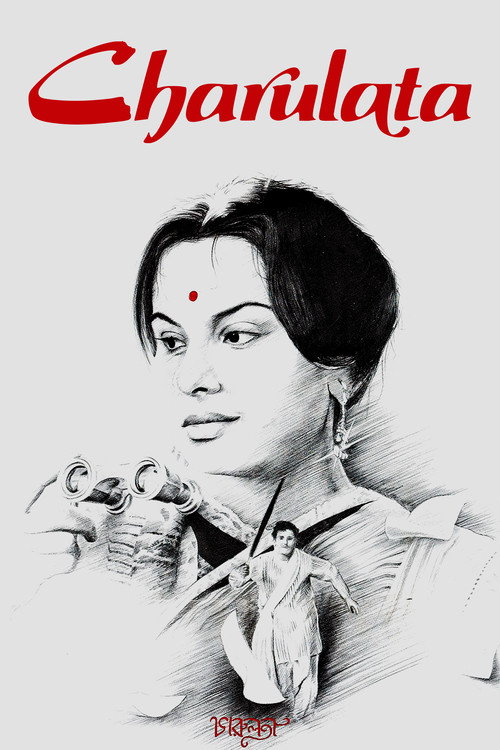
Charulata1964
Ray's earlier exploration of a woman discovering her own intellect and sexuality within marriage, set in the same Bengal milieu. Subtler than The Home and the World but equally devastating about the gap between inner life and social role.
But Moves slowly, and the emotional drama is entirely internal—there's no plot in the conventional sense, just a marriage quietly fracturing.
The Remains of the Day1993
Another film about a man destroyed by his own restraint, set against historical upheaval. James Ivory explores duty, repression, and the cost of choosing ideology over feeling—the exact same moral argument as Ray's, but English and in a house rather than a compound.
But Methodical and melancholic rather than passionate. Some find it airless, though that's rather the point.

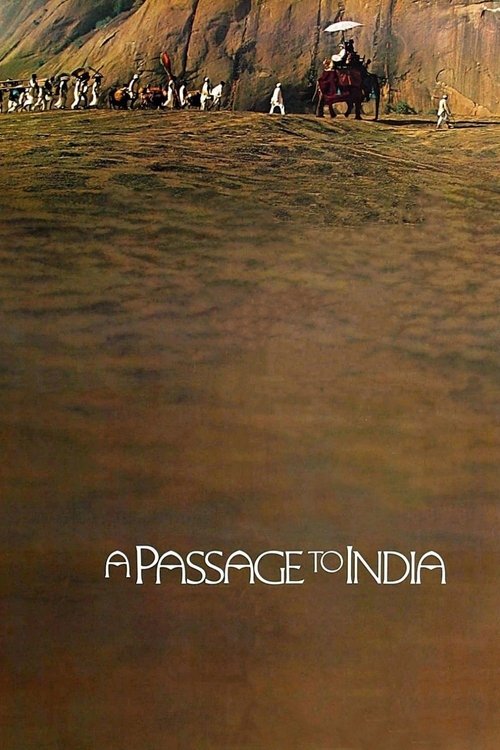
A Passage to India1984
Lean's final film, also about the collision between personal desire and the politics of empire in colonial India. A woman's accusation fractures both her marriage and the racial politics of a town. Grand, operatic, and genuinely morally complex.
But Very long, very British in its sensibility, and the narrative builds to a courtroom scene that some find anticlimactic.
Not sure tonight? Get a pick in a minute, starting from The Home and the World
The wildcard
Something you would not have found on your own.
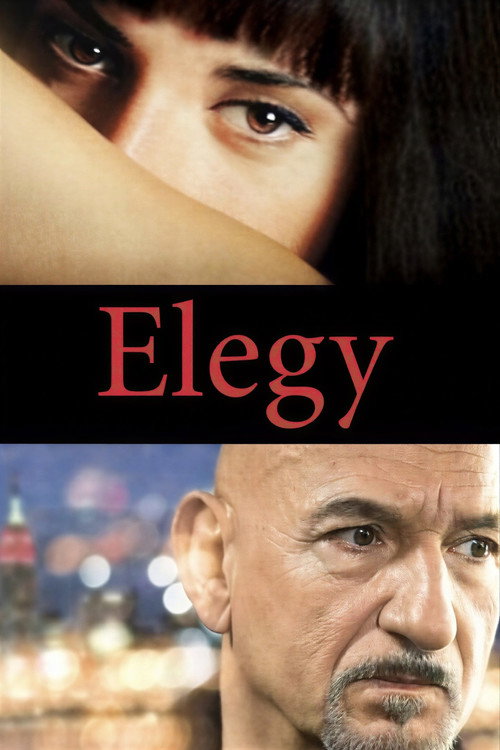
Elegy2008
Both films are about men who claim to be progressive but use intellectual arguments to justify emotional selfishness, and both show that argument unraveling when confronted by a woman's actual agency.
Isabel Coixet's adaptation of Philip Roth's novel about an aging professor and the young woman he obsesses over. Like Ray, it examines the tyranny of desire within a relationship already structured by power and ideology—here, age and intellect instead of caste and politics, but the moral entrapment is identical.
But It's a relatively recent European take on a very American novel, and some find it distant where Ray is intimate. The erotic charge is less about passion than discomfort.
More like this (7)
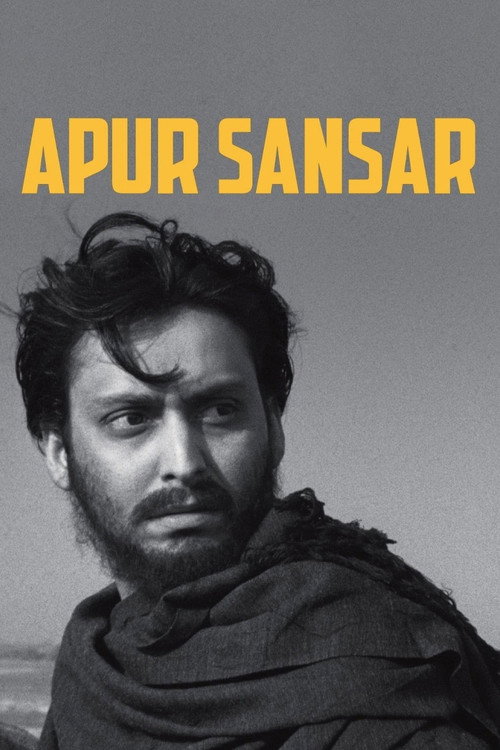
The World of Apu1959
The final Apu film shows Ray at his most humanistic—a man and woman building a marriage from poverty and grief. If you loved Ray's ability to find the universal in the particular, this is essential.
But It's about loss and acceptance rather than conflict or revelation. For some, that quiet resignation can feel like slowness.
Pather Panchali1955
Ray's debut, equally political in its way—the slow dissolution of a family under poverty. It established his entire vocabulary for showing the inner life through small gestures and the textures of place.
But Black and white, shot on location in rural Bengal, deliberately paced. The beauty comes from close attention, which requires patience.

The Ascent1977
Tarkovsky's film about two Soviet partisans walking through occupied Belarus explores faith, sacrifice, and the weight of ideology on individual conscience. Like Ray, he believes moral questions don't resolve—they accumulate.
But It's even slower than Ray, deliberately meditative to the point of near-stasis. Some experience it as profound, others as a test of endurance.

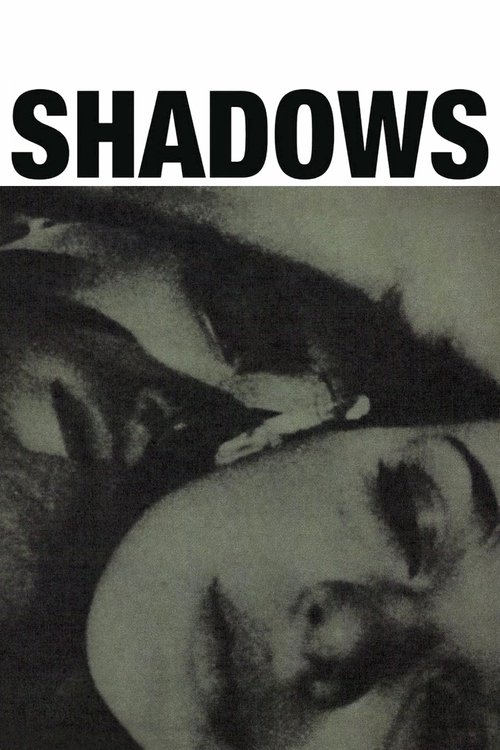
Shadows1960
Cassavetes' improvised jazz of a film about three mixed-race siblings navigating identity and desire in New York. Like Ray, he catches people mid-thought, mid-feeling, refusing to resolve what society demands be simple.
But Deliberately rough, shot on 16mm, the narrative is fragmented and the sound is often unclear. It requires you to meet it halfway.
In the Mood for Love2000
Wong Kar-wai's film about two neighbours who discover their spouses are having an affair and fall in love while remaining chaste. Like Ray, he explores the eroticism of restraint and the way politics—here, propriety and circumstance—can be more constraining than bars.
But Extraordinarily stylized, almost to the point of abstraction. The plot is minimal; it's all atmosphere and the camera lingering on fabric and light.

Synecdoche, New York2008
Both centre on men who mistake intellectual and artistic sophistication for wisdom, and both show the women around them paying the price for that confusion.
Kaufman's baroque, nearly incomprehensible film about an theatre director who builds a replica of New York inside a warehouse, and loses his marriage and self in the process. Formally chaotic where Ray is austere, but it's asking the same question: how do you live when your inner world and outer life have become irreconcilable?
But It's deliberately bewildering, surreal, and emotionally punishing. The narrative collapses into metaphor. Many find it impenetrable or self-indulgent.

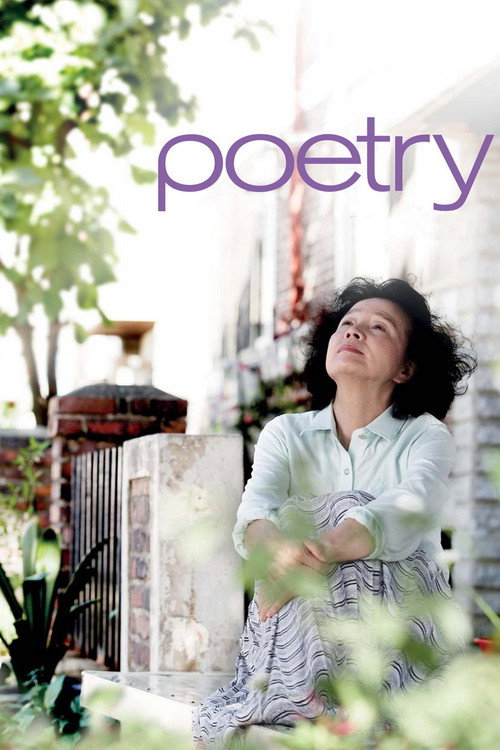
Poetry2010
Both films trust that the camera can hold moral complexity without resolving it, and both centre on a character discovering that beauty and complicity can inhabit the same moment.
Lee Chang-dong's devastating film about an elderly woman who discovers poetry while processing a terrible crime. Like Ray, it asks whether aesthetic feeling and moral conscience can coexist, and whether beauty is ever innocent. It's also set in a provincial community where personal and political collide silently.
But It's quieter than The Home and the World, almost plotless. The moral ambiguity will infuriate anyone wanting clear judgment. Some find it precious.
People
Cast
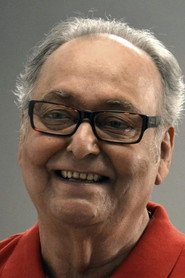 Soumitra ChatterjeeSandip Mukherjee
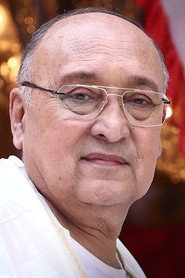 Victor BanerjeeNikhilesh Choudhury
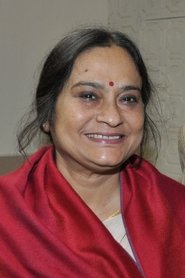 Swatilekha SenguptaBimala Choudhury
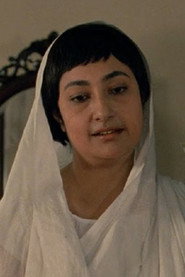 Gopa AichThe Sister-in-Law
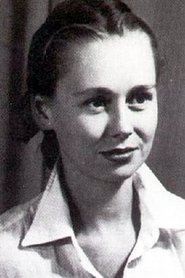 Jennifer KendalMiss Gilby
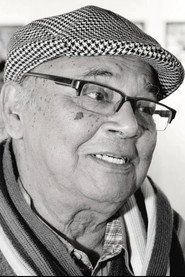 Manoj MitraHeadmaster
- Bimal ChatterjeeKulada
- Indrapramit RoyAmulya
Directing
- Ramesh SenAssistant Director
- Sandip RayAssistant Director
- Santi ChatterjeeAssistant Director
- Subrata LahiriAssistant Director
- Satyajit RayDirector
Writing
- Akshay Kumar BoralLyricist
- Jyotirindranath TagoreLyricist
- Rabindranath TagoreLyricist
- Rabindranath TagoreNovel
- Satyajit RayScreenplay
Production
- Balai AdhyaAssistant Production Manager
- Gora ChhetriAssistant Production Manager
- Trailokya DasAssistant Production Manager
- Bhanu GhoshProduction Manager
- Sukumar GhoshPublicist
Recommended by
Devi, In the Mirror of the City, One True Thing, 1857, Immediate Family