
Film
Char Adhyay
Set during the Bengali Renaissance, this 1997 film follows young intellectuals navigating the independence struggle while wrestling with desire, duty, and disillusionment. It's a literary, introspective drama that privileges emotional texture over plot momentum—perfect for viewers who love *Apu Trilogy* aesthetics and complex moral ambiguity. Demands patience but rewards attention.
Should you watch it?
Watch it if you like period pieces where ideas get argued across tea-stained tables and private longing keeps tugging against the call of the cause.
Skip it if you need a brisk plot or clear historical stakes, since this moves slowly through talk and mood, and its political drama is more felt than shown on screen.
What it asks of you: At 110 minutes it moves at a leisurely, talky pace and its pleasure lies in small domestic moments and loyalties building up, so patience counts for more than attention to plot.
Not sure? Find tonight's pick in a minute.
If you liked this
Pather Panchali1955
Satyajit Ray's masterwork established the visual and narrative language of Bengali cinema. Like *Char Adhyay*, it traces lives against a historical backdrop with profound humanity and formal elegance.
But Three films totalling over seven hours, black-and-white, deliberately paced. Requires genuine commitment from modern viewers accustomed to faster rhythms.

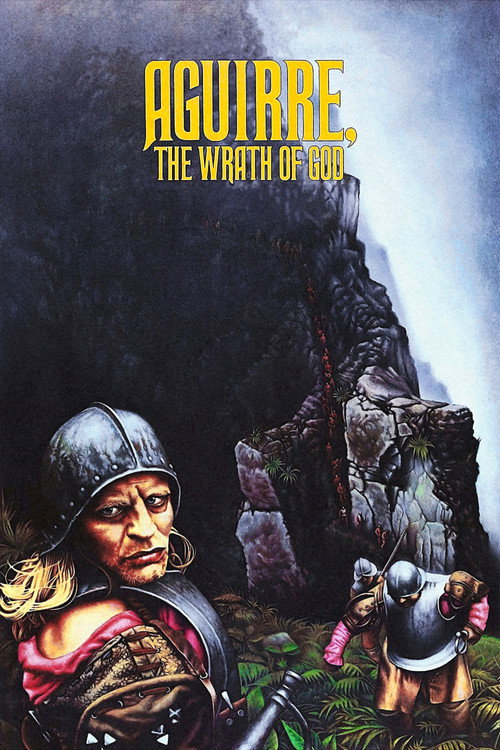
Aguirre, the Wrath of God1972
Herzog and Ray share an obsession with idealism curdling into obsession. Both films follow groups undone by conviction—one political, one personal—with mesmerizing formal control.
But German, not Bengali. Existential rather than rooted in specific history. Harder to access emotionally if you don't speak the language or know the context.
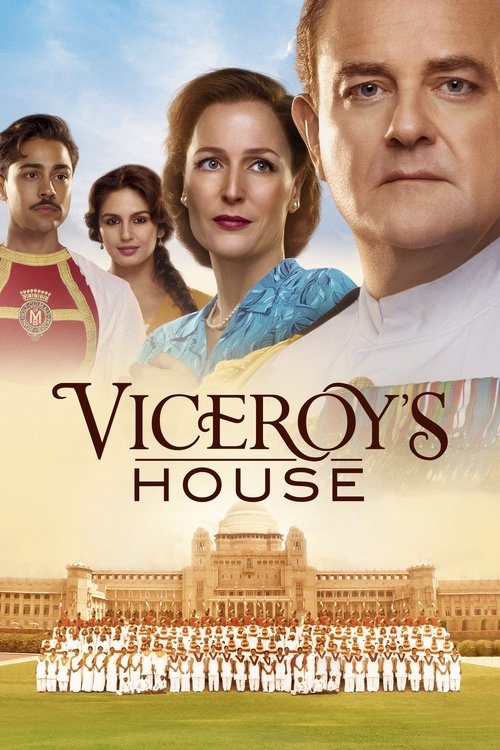
Viceroy's House2017
Documentary exploring the same historical moment and region. Combines archival material, testimony, and analysis to illuminate the lived reality behind the struggle *Char Adhyay* dramatizes.
But Emotionally harrowing. Focuses on trauma and loss rather than intellectual complexity. Some find documentaries less engaging than narrative drama.
Not sure tonight? Get a pick in a minute, starting from Char Adhyay
The wildcard
Something you would not have found on your own.
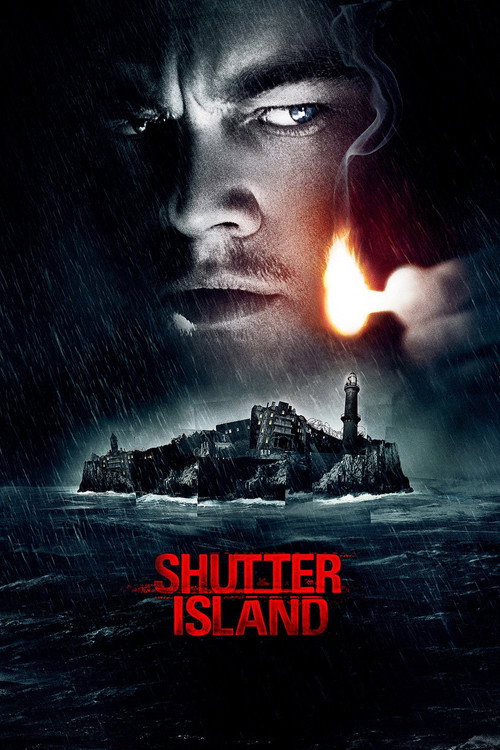
Shutter Island2010
Both films reveal their true subject—grief, complicity, self-deception—through formal control rather than exposition. Chatterjee uses montage and silence; Scorsese uses colour and sound design. The method differs radically; the emotional honesty is kindred.
Scorsese's psychological thriller structures itself around accumulated revelation and hidden trauma—formal strategies *Char Adhyay* shares, just deployed in a completely different register. Same architecture; opposite effects.
But Mainstream thriller using genre machinery for twist ending. The opposite of literary restraint; some will feel it betrays the serious moral inquiry you came for.
More like this (6)
In the Mood for Love2000
Wong Kar-wai's study of desire constrained by circumstance and propriety. Like *Char Adhyay*, it privileges mood and formal beauty over plot, and makes yearning visible through visual restraint.
But Completely different aesthetic (Hong Kong, vibrant colour versus Bengali monochrome sobriety). The emotional register is more romantic than political.

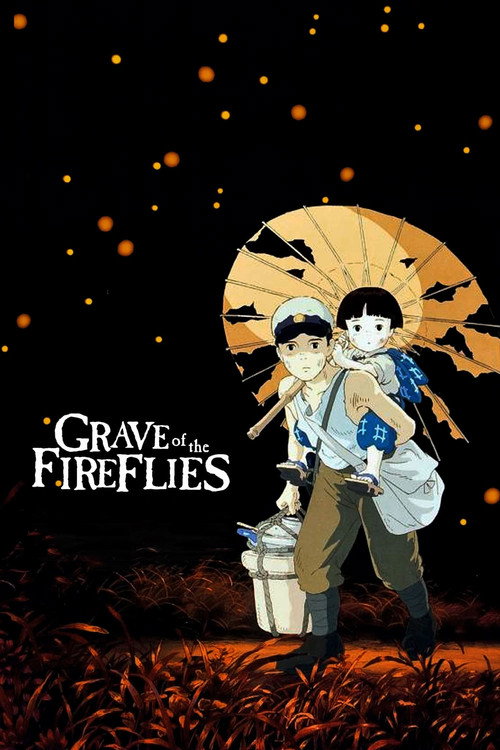
Grave of the Fireflies1988
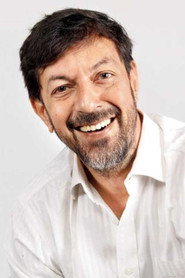
Deepti Naval and Rajat Kapoor (who appears in *Char Adhyay*) in Deepa Mehta's study of a marriage fracturing under societal pressure. Shares the intimate scale and moral complexity of Chatterjee's film.
But Focuses on sexuality and gender rather than politics. Arrived at the same moment as *Char Adhyay* and feels less formally adventurous, more straightforward in intent.
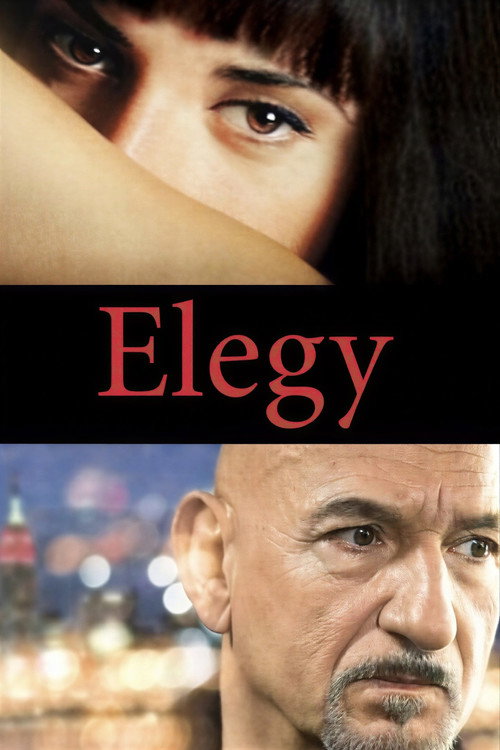
Elegy2008
Pedro Almodóvar examining desire, mortality, and the gap between how we're perceived and who we are. Both films treat intellectual, feeling people with remarkable tenderness.
But Spanish, contemporary, centred on an affair between a professor and student. Tonally lighter and more sensual than *Char Adhyay*'s ascetic melancholy.
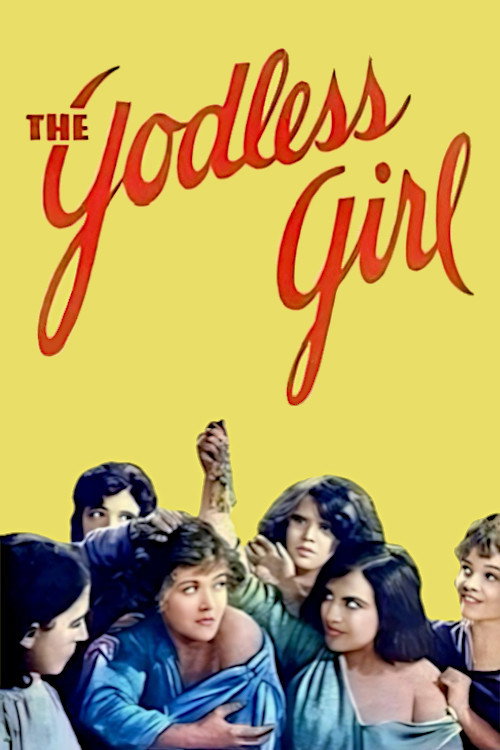
The Godless Girl1928
Sandra Brewster's debut about young idealists—atheists, feminists—in 1920s Los Angeles. Structurally similar: youth, conviction, the personal cost of political commitment.
But Low budget means it wears its limitations visibly. American setting and register will feel distant if you're seeking specifically Bengali cinema.
Tokyo Story1953
Both films trust the audience to read feeling in gesture and composition. Neither apologizes for slowness or explains character motivation. Ozu and Chatterjee both believe that watching people live—really watching—is enough.
Ozu's masterpiece about aging parents visiting their son after years apart, examining duty, love, and the spaces between what we say and what we feel. No plot to speak of; everything happens in glances, silences, the way tea is poured.
But Japanese, shot in 1953, nearly three hours. Its deliberation makes *Char Adhyay* feel kinetic. Tests patience without offering the comfort of narrative momentum.

Stalker1979
Both films use landscape—physical and emotional—as their primary subject. Characters navigate not just territory but the distance between conviction and doubt, between who they thought they'd be and who they've become. The struggle is internal; the film watches, quietly.
Tarkovsky's science-fiction meditation on desire, belief, and self-deception. A group travels through a mysterious landscape toward an undefined goal; what happens is internal. Visually ravishing, philosophically rigorous, glacially paced.
But Russian, 163 minutes, almost plotless. The science-fiction framing is minimal; if you want spectacle, you'll be baffled. Requires repeated viewings to feel rewarding.

People
Cast
 Sumanto ChattopadhyayAtindra
- Kaushik GopalIndranath
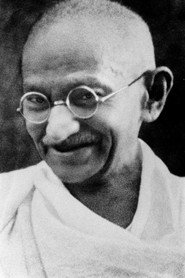 Mahatma GandhiSelf (archive footage)
Directing
- Kumar ShahaniDirector
Writing
- Udayan VajpeyiDialogue
- Rabindranath TagoreStory
- Kumar ShahaniWriter