
Film
The Godless Girl
- Drama
- Very dark
A 1928 silent drama about teenagers rejecting faith for atheism, then enduring brutal reform school after a tragic accident. It's surprisingly raw for its era—DeMille made a censorious film that feels genuinely angry about injustice. Visually striking, morally complicated, and fearless about its young protagonists' defiance.
If you liked this
Metropolis1927
DeMille's contemporary, Fritz Lang's sci-fi epic shares the same scale and visual ambition. It's equally concerned with youth, authority, and systems that crush the powerless—just set in a future city.
But Silent, nearly three hours, and the pacing demands patience. Some restoration choices alter the viewing experience significantly.

Intolerance: Love's Struggle Throughout the Ages1916
D.W. Griffith's massive, four-story attack on rigid institutions and moral panic. Like The Godless Girl, it uses spectacle to argue for compassion and against systems of control.
But Even longer, even slower by modern standards. Its ambition can feel overwhelming rather than moving.

Show People1928
Another 1928 silent that traffics in youth and disillusionment, following a young woman through Hollywood's machinery. Lighter in tone but equally interested in how institutions shape (and deform) the young.
But Comedy loses some impact without sound. Less serious than Godless Girl, so it may feel slight if you're drawn to moral weight.

Not sure tonight? Get a pick in a minute, starting from The Godless Girl
The wildcard
Something you would not have found on your own.
The Battle of Algiers1966
Both films use youth's moral clarity as their engine. Both show institutions (colonial rule, American reform schools) grinding people down, and both trust young people to see the truth that adults deny.
Gillo Pontecorvo's documentary-style drama about colonialism and resistance. Like Godless Girl, it shows young people radicalized by injustice, and refuses to make their rebellion pretty or comfortable—it shows the cost.
But Intensely political, sometimes didactic. If you view it as propaganda rather than art, it collapses. Some sequences are genuinely disturbing.

More like this (8)
The Phantom Carriage1921
Swedish masterpiece about redemption and brutality. Visually inventive, morally complex, and genuinely harrowing—it shares Godless Girl's willingness to show suffering without sentimentality.
But Extremely bleak. The suffering is graphic by any standard, not just 1920s standards.

Broken Blossoms or The Yellow Man and the Girl1919
Griffith again, but intimate. A young girl abused by her father, a man destroyed by racism—tenderness amid cruelty. The emotional clarity rivals Godless Girl's moral rage.
But The representation of Chinese characters is painful to watch. The film means well but fails badly.

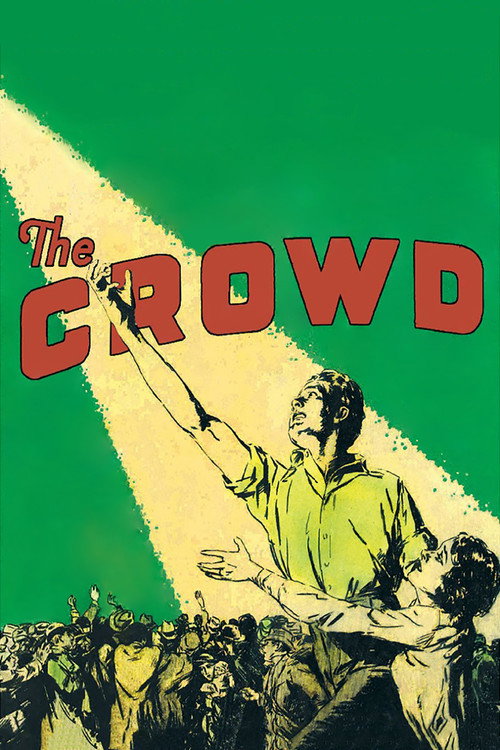
The Crowd1928
King Vidor's same-year contemporary follows an ordinary young man through systems that don't care. Less overtly political than Godless Girl, but the despair is just as palpable.
But Relentlessly grim. There's no catharsis, which some find honest and others find exhausting.
Sunrise: A Song of Two Humans1927
F.W. Murnau's luminous film about temptation and moral ruin. Visually it's baroque where Godless Girl is stark, but both trust the camera to convey moral truth without preaching.
But The gender politics, while progressive for 1927, wear poorly. The wife's forgiveness is presented as virtue in ways that sting now.

The Cabinet of Dr. Caligari1920
German Expressionism meets moral panic about authority figures. Like Godless Girl, it's paranoid about institutions and what those in power will do to the young and vulnerable.
But The visual style is so heavily stylized it can read as camp. The horror is abstract rather than felt.

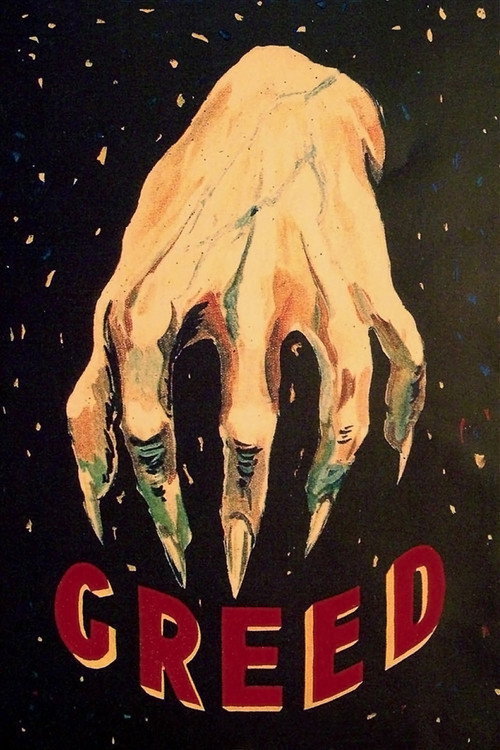
Greed1924
Erich von Stroheim's epic about money's corruption. Not about ideology like Godless Girl, but equally unsparing about how systems destroy people, and equally convinced cinema should show it plainly.
But Severely truncated from the director's vision. Watching what remains feels like seeing half a masterpiece, which can be frustrating.
Harakiri1962
Both use genre convention (reform school drama, samurai code) to interrogate the system that created it. Both argue that the institution itself is the real villain, not the young people it destroys.
Masaki Kobayashi's Japanese masterpiece about honor, authority, and the lie at the heart of institutions. Visually ravishing, morally devastating. It's about ritual suicide but it's really about how systems demand that we die for them.
But Extremely slow and formal. The climax is graphically violent. Demanding film, not cathartic one.

if....1968
Both are films about young people inside institutions that claim to educate but actually indoctrinate. Both end with revolt. But where Godless Girl is urgent and direct, If... is playful and dreamlike—a very different register for the same fundamental anger.
Lindsay Anderson's surreal satire of British boarding school. Starts naturalistic, ends with armed revolution. It's the atheist-girl energy—youth rejecting systems of control—but filtered through 1960s countercultural rage and formal experimentation.
But Stylistically jarring. Tonal shifts will feel random if you're not tuned to its wavelength. The politics are adolescent (literally—it's about teenagers).

People
Cast
 Lina BasquetteJudy Craig
 Tom KeeneBob Hathaway
 Marie PrevostMame
 Noah BeeryThe Brute
 Eddie QuillanSamuel 'Bozo' Johnson
 Mary Jane IrvingThe Victim
 Clarence BurtonPrison Guard
 Kate PricePrison Matron
 Julia FayeInmate
- Viola LouieInmate
 Hedwiga ReicherPrison Matron
Directing
- Frank UrsonAssistant Director
- Cecil B. DeMilleDirector
Writing
- Jeanie MacphersonStory
Production
- Cecil B. DeMilleProducer