
Film
The Conqueror
John Wayne plays Genghis Khan in this 1956 epic that swings wildly between earnest historical drama and unintentional camp. It's ambitious, visually grand, and deeply weird—a film that exists in its own zone of befuddled sincerity. For viewers who love vintage adventure cinema or Wayne's late-career choices, it's fascinatingly strange. For others, it's a curiosity that demands patience.
If you liked this
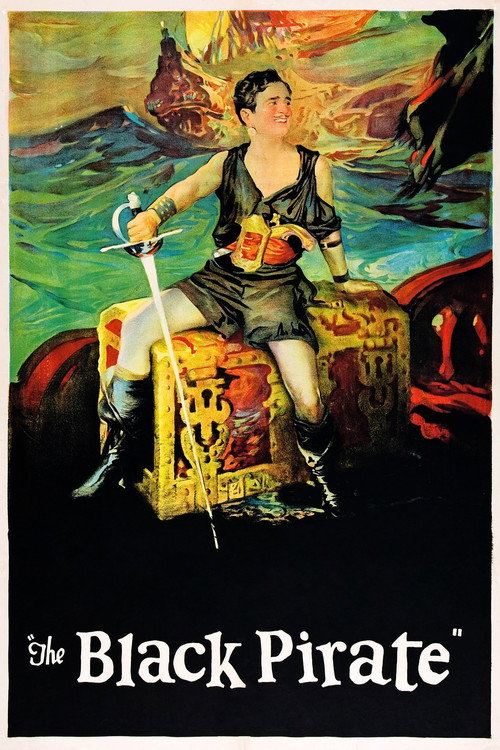
The Black Pirate1926
Douglas Fairbanks in silent swashbuckling at its most inventive and physically audacious. The stunts are real, the energy is infectious, and it captures the pure joy of adventure filmmaking before dialogue got in the way.
But Silent film requires active engagement, and even Fairbanks fans sometimes find the pacing alien. No dialogue means you're reading titles constantly.
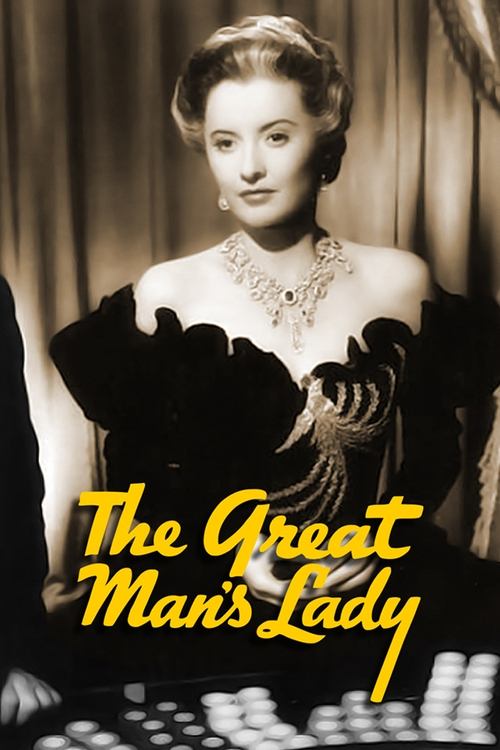
The Great Man's Lady1941
Barbara Stanwyck in an epic sweep of American history, building a frontier empire alongside Joel McCrea. It's romantic and ambitious in ways classic Hollywood did best, with real stakes and character depth.
But The pacing is deliberate and period-appropriate. Some will find the gender politics dated, and the scope can feel like work rather than entertainment.
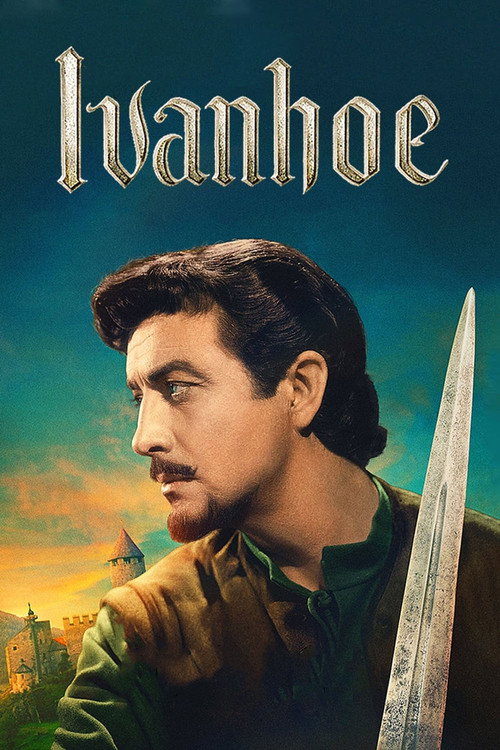
Ivanhoe1952
Robert Taylor and Elizabeth Taylor in a colorful, swashbuckling adaptation of Scott's novel. It's pure romantic adventure—swordplay, pageantry, and the kind of earnest heroism that makes this era of MGM productions so distinctive.
But It plays everything straight with no irony. If you're looking for subversion or complexity, you'll get neither. It's comfort food rather than revelation.
Not sure tonight? Get a pick in a minute, starting from The Conqueror
The wildcard
Something you would not have found on your own.
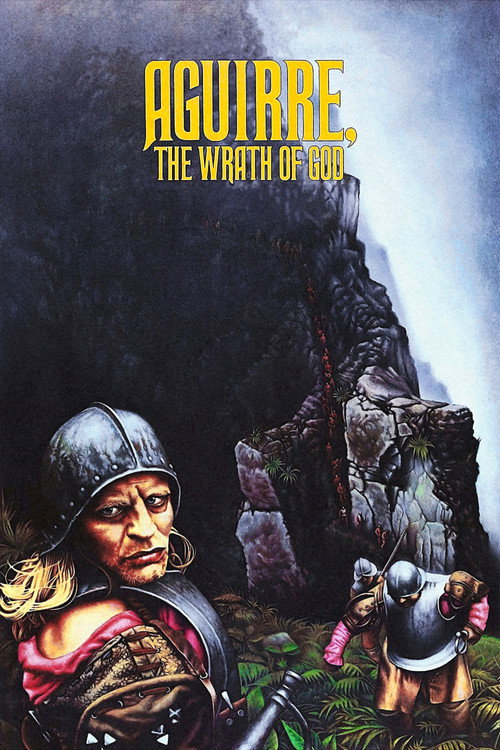
Aguirre, the Wrath of God1972
Both films reimagine historical conquerors through the lens of their respective eras—*The Conqueror* as 1950s Hollywood fantasy, *Aguirre* as 1970s existential nightmare. One is earnest, one is nightmarish, but both are asking who we want to believe these men were.
Werner Herzog's hallucinatory account of Spanish conquistadors seeking El Dorado in the Amazon. It's an epic of obsession filmed like fever dream—intimate, unsettling, and more psychologically honest about imperial ambition than any straightforward adventure.
But It's visually stark and philosophically bleak. There's no heroism here, only delusion and decay. If you want your epics triumphant rather than tragic, look elsewhere.
More like this (8)
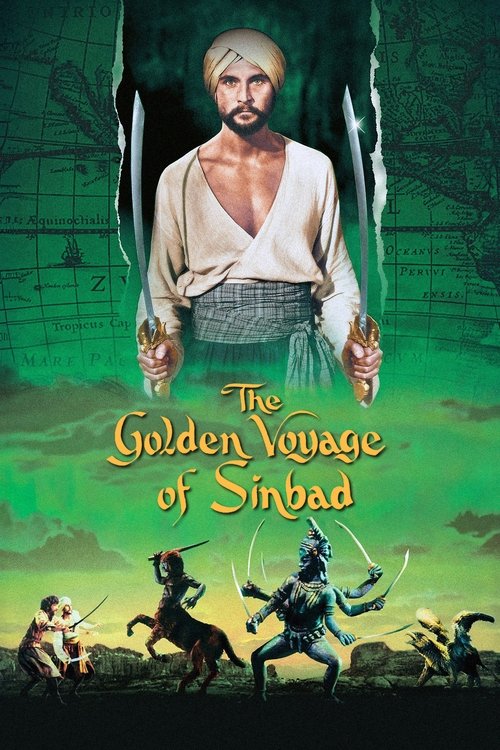
The Golden Voyage of Sinbad1973
Ray Harryhausen's stop-motion magic in service of genuine adventure. It has the tactile, handmade quality that makes miniature effects still captivating decades later. Pure imagination made visible.
But The acting is functional rather than compelling, and the dialogue exists mainly to move you between action sequences. It's effects-driven in ways modern audiences might find narratively thin.
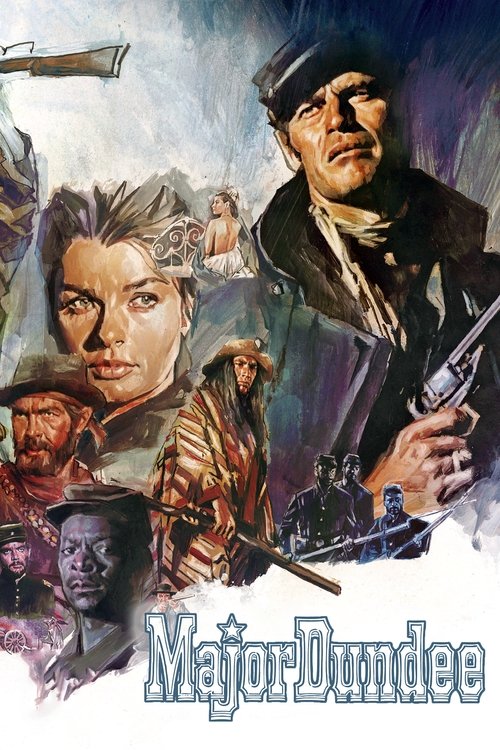
Major Dundee1965
Sam Peckinpah's epic about a hardened officer building an unlikely cavalry unit. Charlton Heston leads a sprawling, ambitious film with real chaos and moral complication beneath the adventure trappings.
But It's notoriously uneven and sometimes feels like Peckinpah's ambitions outpaced the execution. Some sequences drag, and the tonal shifts can be jarring.
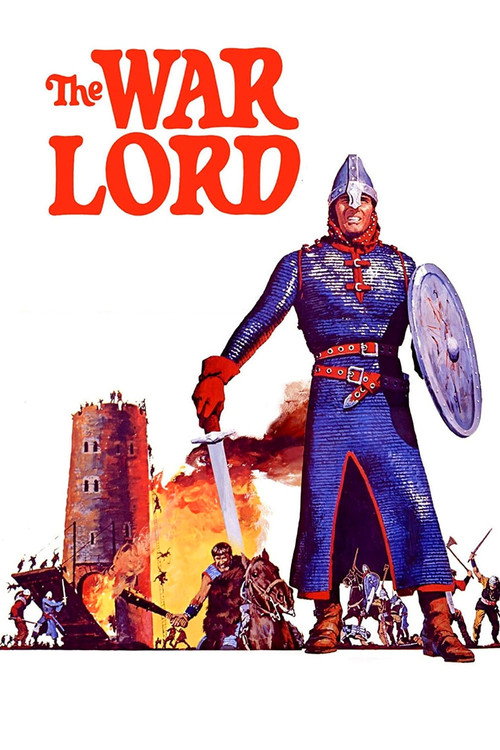
The War Lord1965
Charlton Heston in a medieval epic that takes itself seriously as drama first, action second. It's got real darkness and moral weight beneath the period setting, with surprisingly complex character work.
But It moves slowly and philosophically when you might want more movement. The medieval setting isn't used for spectacle so much as moral inquiry, which some will find dull.
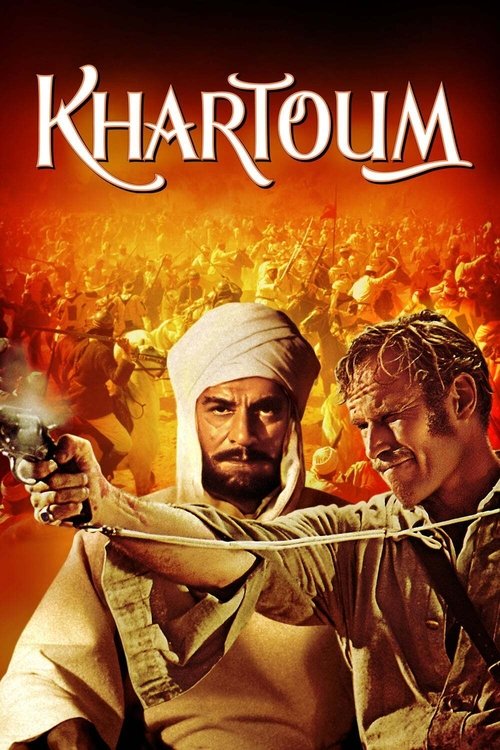
Khartoum1966
Charlton Heston and Laurence Olivier in a grand historical drama about empire, faith, and collision. It's mounted with real scope and features two heavyweight actors chewing respectfully on complex material.
But The colonial perspective is very much of its era, and modern viewers may find the politics troubling. It's also quite long and proceduralally paced in spots.
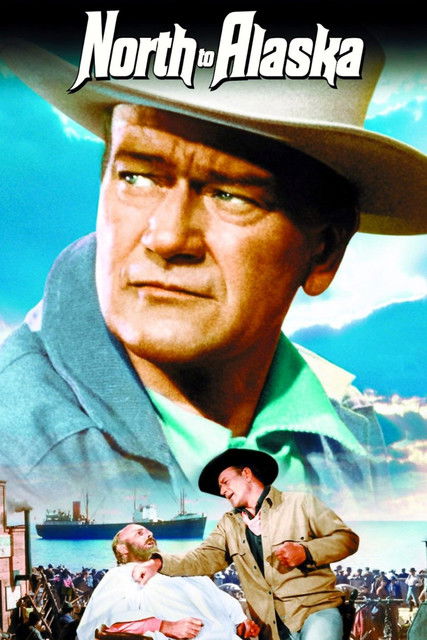
North to Alaska1960
John Wayne in a lighter adventure vein—Gold Rush Alaska with romance, humor, and Stewart Granger as a terrific foil. It's got the spirit of fun that Wayne did better than most when he wasn't playing men of principle.
But It's a B-picture mentality in a big-budget frame, which means it can feel slight and sometimes borders on silly. The gender dynamics are what they are.
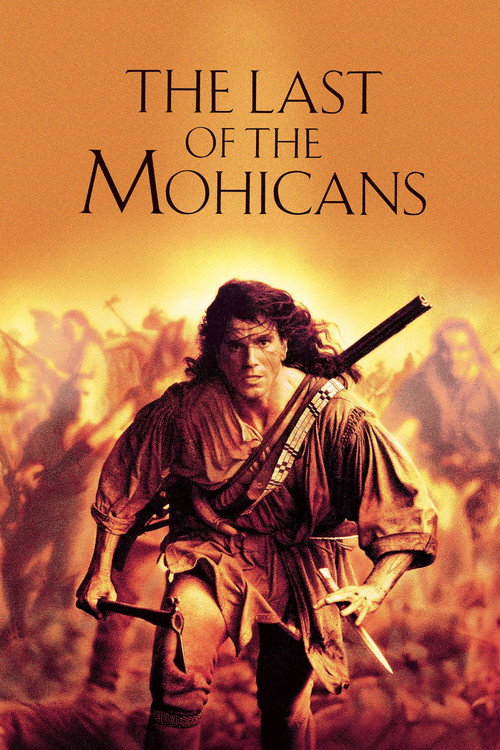
The Last of the Mohicans1992
Daniel Day-Lewis in an adaptation that prioritizes action and visceral emotion over historical accuracy. It moves with genuine kinetic excitement and has a sensuality to its filmmaking that's uncommon in adventure pictures.
But It barely resembles the source novel, and historical purists will object loudly. The mythology it builds feels more fantasy than history, which isn't for everyone.
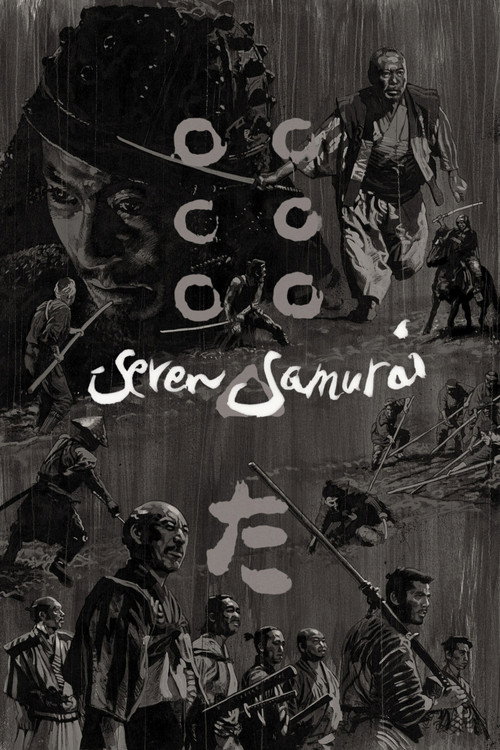
Seven Samurai1954
Both center on legendary military figures building power from disparate elements, but *Seven Samurai* inverts the mythology—these aren't conquerors but defenders, and their legacy is community rather than empire. Same engine, opposite direction.
Kurosawa's masterpiece about skilled warriors assembled for a desperate cause. It's epic filmmaking at its most humane—action in service of character and community rather than glory. Visually precise and emotionally grounded.
But It's three and a half hours in Japanese with subtitles, and the pacing is deliberate. The action sequences, while brilliant, are far less frequent than the character moments and political negotiation.
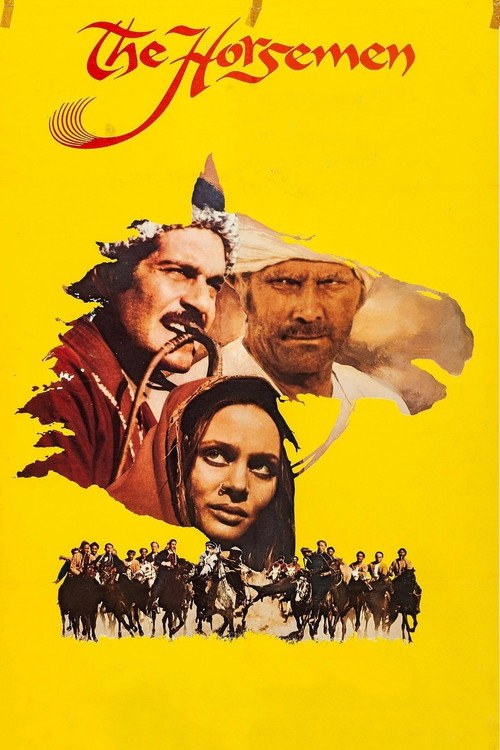
The Horsemen1971
Like *The Conqueror*, it's a prestige director making something genuinely strange under Hollywood constraints, and both films concern men whose appetites—for power, for women—define their identity. But where Wayne's film is lost in its own sincerity, Frankenheimer seems aware his protagonist is monstrous.
John Frankenheimer's strange, brutal film about a Parisian womanizer and the film's exploration of violence, desire, and identity. It's ambitious psychological cinema using genre frameworks—erotic thriller becoming horror becoming metaphysical inquiry.
But It's deeply misogynistic by modern standards, genuinely disturbing, and built on ideas about female sexuality that are difficult to watch. The violence isn't cathartic; it's meant to unsettle.
People
Cast
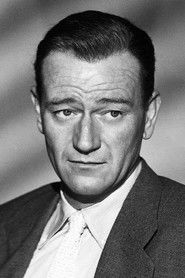 John WayneTemujin
 Susan HaywardBortai
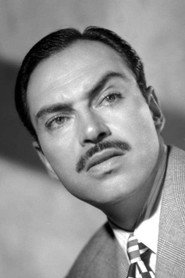 Pedro ArmendárizJamuga
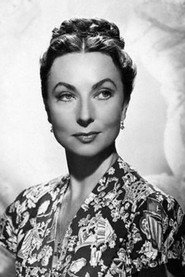 Agnes MooreheadHunlun
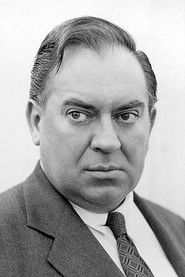 Thomas GomezWang Khan
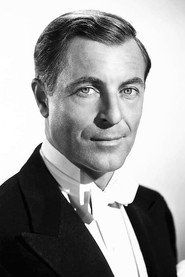 John HoytShaman
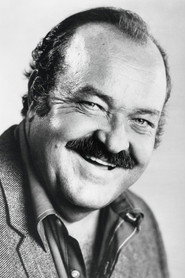 William ConradKasar
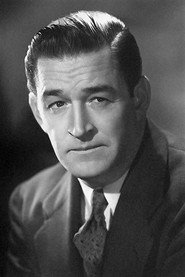 Ted de CorsiaKumlek
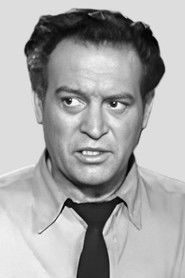 Leslie BradleyTargutai
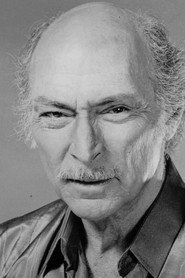 Lee Van CleefChepei
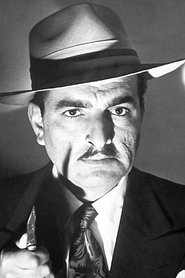 Peter MamakosBogurchi
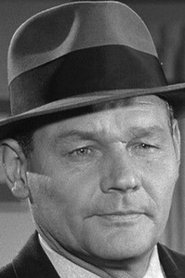 Leo GordonTartar Captain
Directing
- Edward KillyAssistant Director
- Dick PowellDirector
- William J. Hole Jr.Script Supervisor
- Cliff LyonsSecond Unit Director
Writing
- Oscar MillardWriter
Production
- Richard SokoloveAssociate Producer
- Dick PowellProducer
- Howard HughesProducer