
Television series
Africa
- Light-hearted
Six years in the making, this is Attenborough at his most ambitious: an entire continent broken down by habitat rather than country, from the Kalahari's cracked pans to the Congo's unmapped rivers. The camera work is extraordinary and unhurried, the storytelling patient rather than sensational. It's for anyone who wants scale and silence over spectacle, and doesn't mind an episode built around a single creature's slow, difficult year.
Should you watch it?
Watch it if you love nature films built on patient, big-screen-scale photography and want to see landscapes and animal behaviour treated as a grand, unhurried story across a whole continent.
Skip it if you want a narrative with characters, stakes or a plot to follow, since this is a guided tour of places and wildlife rather than a story driven by people.
What it asks of you: Six one-hour episodes, each tied to a different part of the continent, so it moves at a steady documentary pace and rewards settling in rather than skimming.
Not sure? Find tonight's pick in a minute.
If you liked this
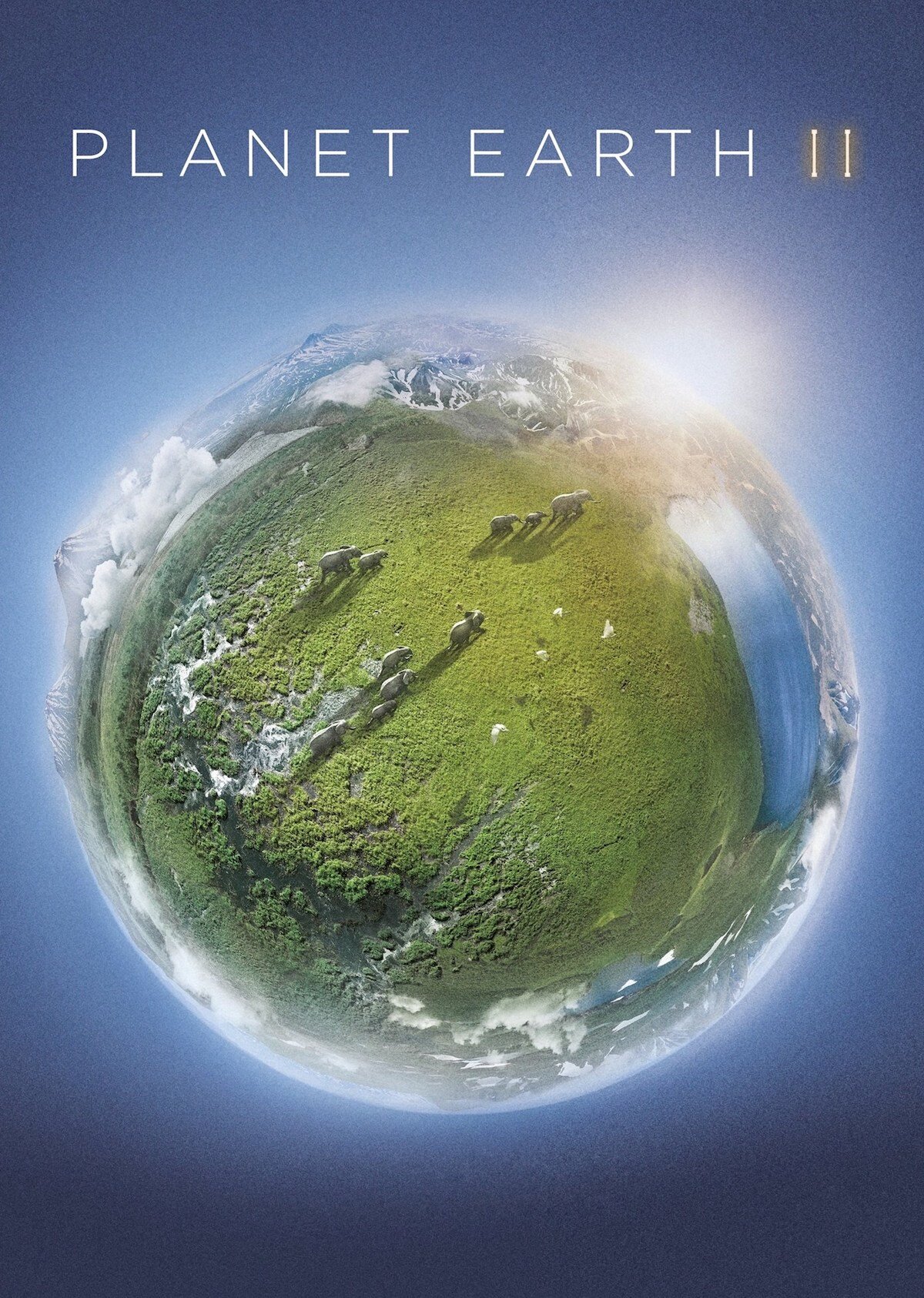
Planet Earth II2016
The natural successor in every sense — same appetite for scale, but with drone and stabilised camera tech that lets it get intimate with animals in ways Africa's crews couldn't quite manage yet.
But The city-fox and snake-vs-iguana sequences leaned harder into viral drama than Africa's slower, more observational style.
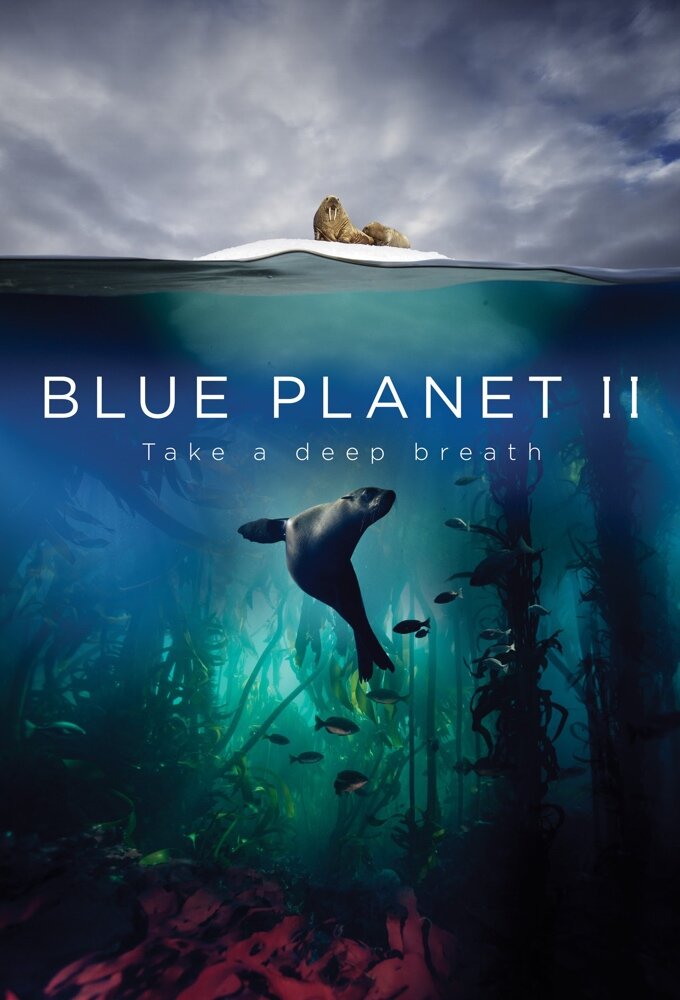
Blue Planet II2017
Swap savannah for ocean and you get the same patient world-building, plus genuinely alien footage from depths no camera had reached before — walking fish, tool-using octopuses, the works.
But If Africa's landscapes were the draw for you, this trades that grandeur for a colder, stranger environment that some find less emotionally involving.
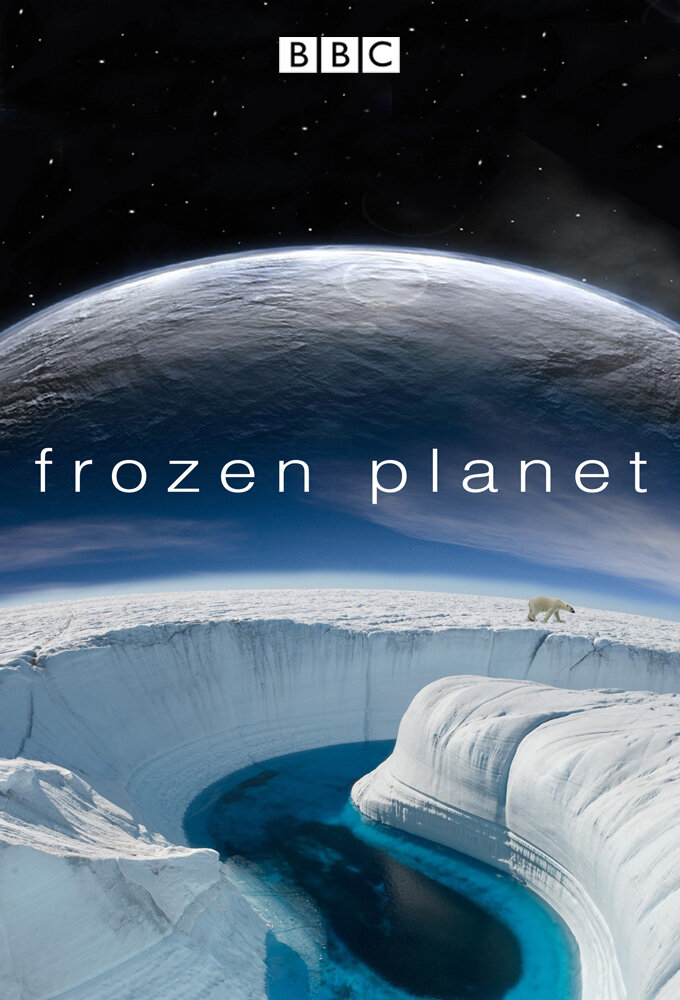
Frozen Planet2011
The polar counterpart to Africa's heat — same team, same structural ambition, but with ice instead of dust, and a genuine sense of a world quietly ending.
But Bleaker and colder in every sense; the climate-change final episode is a gut-punch Africa mostly avoids.
Not sure tonight? Get a pick in a minute, starting from Africa
The wildcard
Something you would not have found on your own.
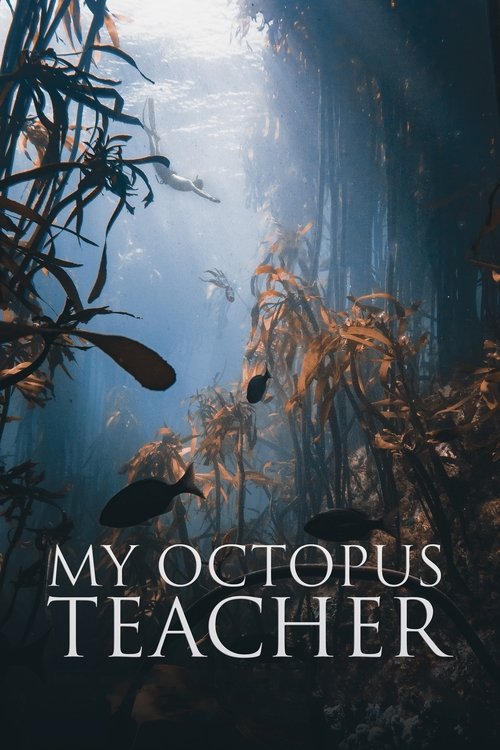
My Octopus Teacher2020
Same continent, same wide-eyed wonder at the natural world, but Africa's telescope becomes a microscope: one coastline, one creature, one intensely private story instead of six sprawling ones.
A single filmmaker's yearlong relationship with one octopus off the South African coast, shot on a shoestring compared to Africa's helicopters and army of crews — and somehow more moving for it.
But No continental sweep, no Attenborough voice, just one man, one animal, and a grief he doesn't disguise — some find it too personal, others too slow.
More like this (8)
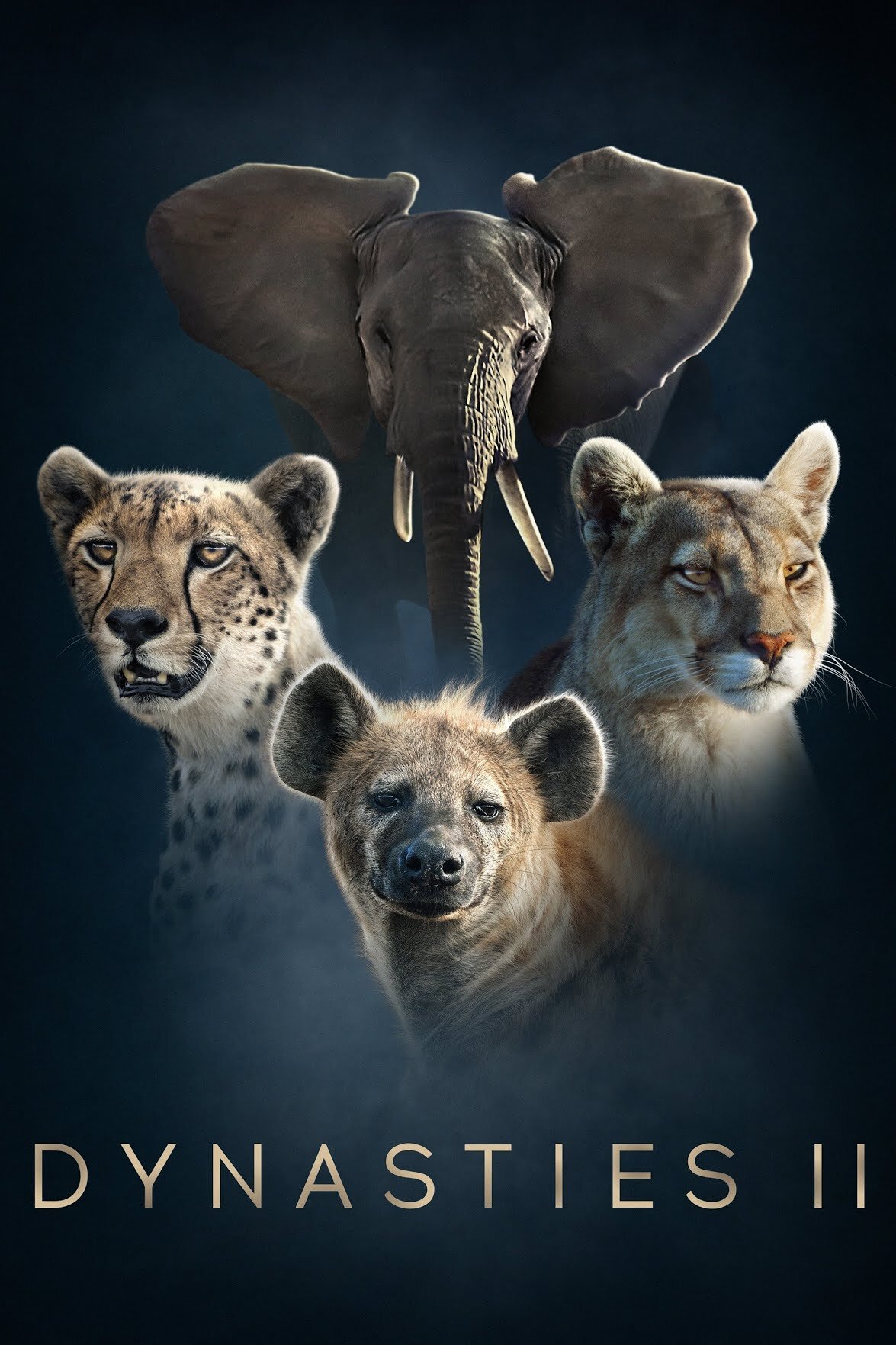
Dynasties2018
Narrower focus than Africa — five episodes, five animal families, each followed like a soap opera with real stakes. Painted wolves and chimpanzees have never felt more like protagonists.
But The tighter, character-driven format sacrifices Africa's continental sweep; you're watching individuals, not ecosystems.
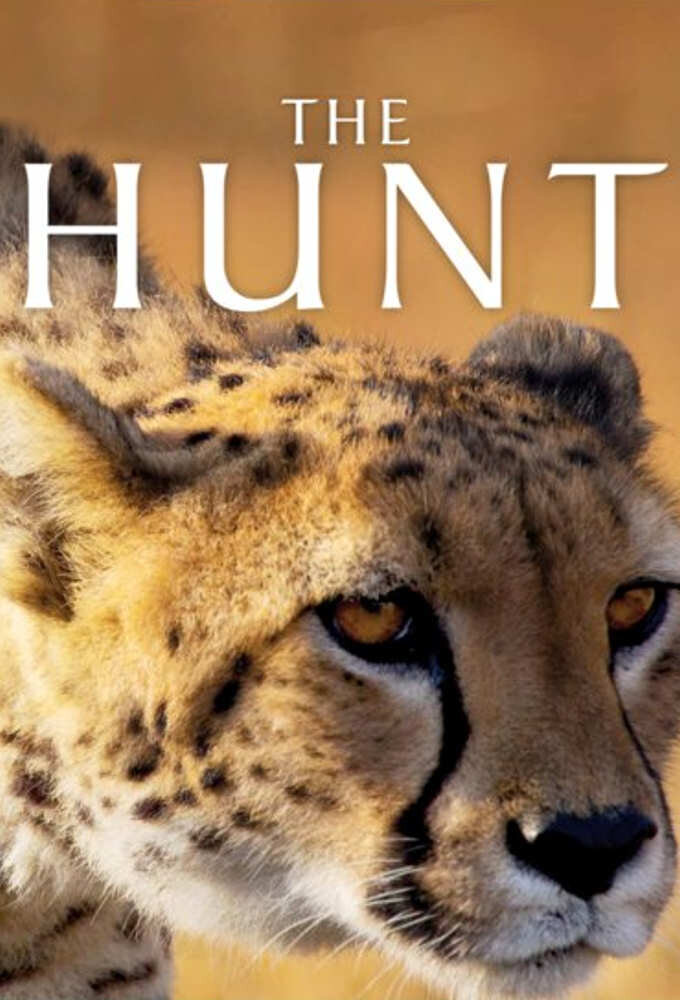
The Hunt2015
Takes one thread from Africa — predator versus prey — and pulls it taut across an entire series, with tension edited like a thriller rather than a nature doc.
But Relentlessly focused on chase and kill; lacks the wider ecological patience Africa is built on.
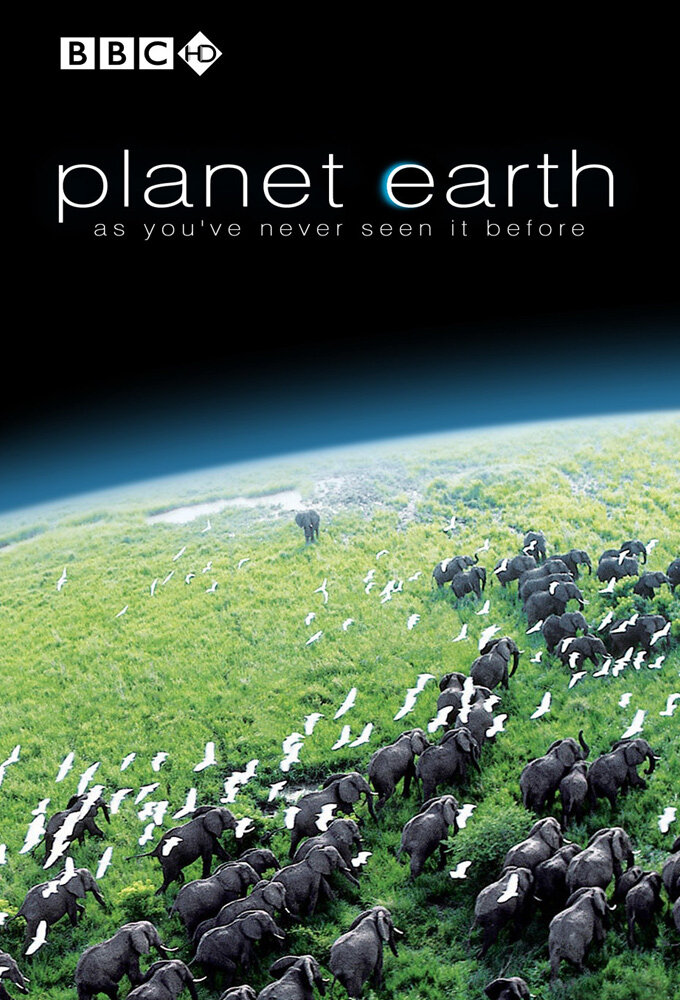
Planet Earth2006
The template Africa was built from — global rather than continental, but with that same sense of a series determined to show you things cameras had genuinely never captured before.
But Shows its age next to Africa's sharper, more recent cinematography and sound design.
Life2007
Less about place, more about strategy — how creatures across the planet solve the same problems Africa's animals face, told with real narrative tension episode to episode.
But Broader and less immersive geographically; you lose Africa's sense of one continent's specific character.

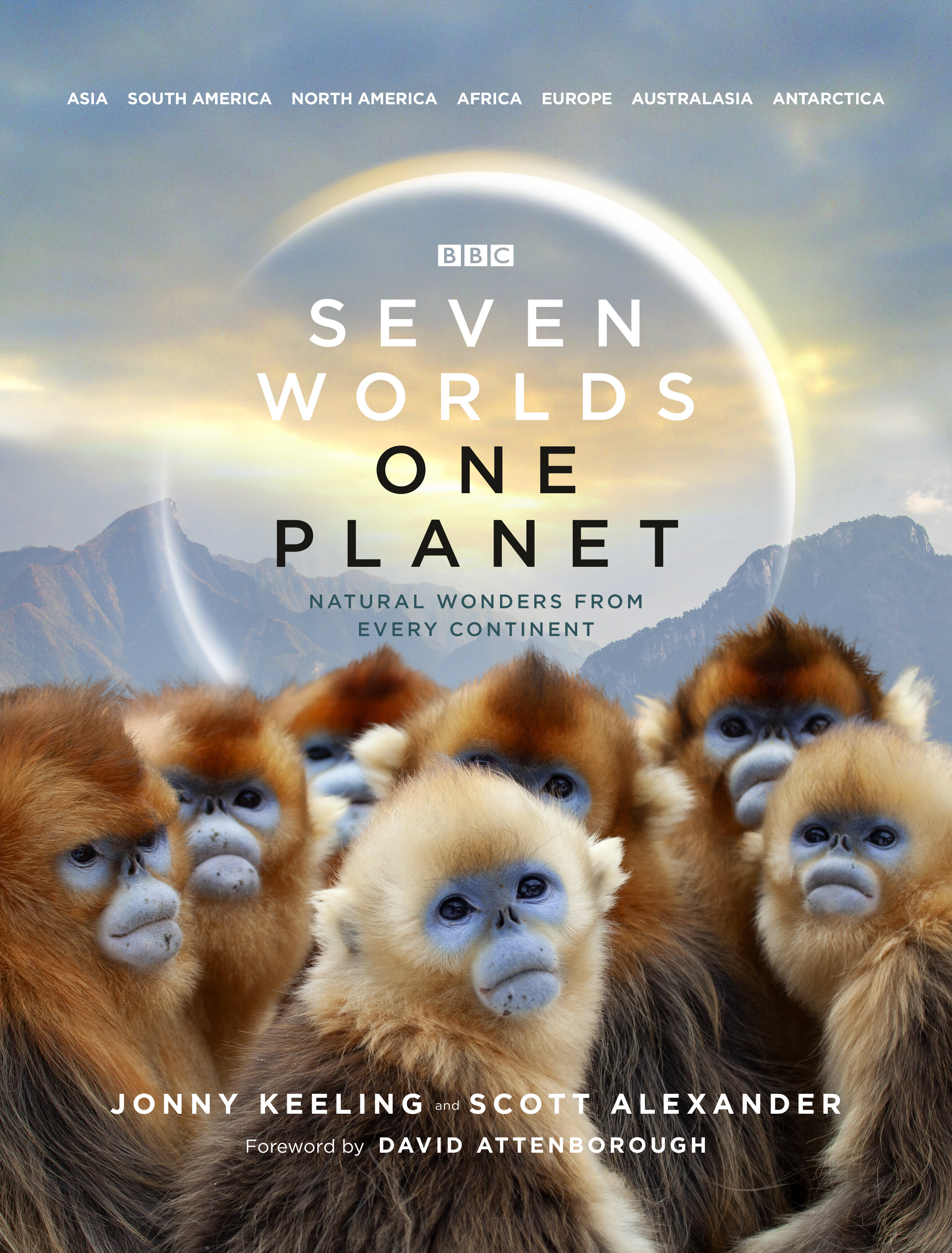
Seven Worlds, One Planet2019
Uses the exact structure Africa pioneered — one continent, one episode each — but applies it globally, so you get to see how the format handles Antarctica and South America too.
But Spreading across seven continents means less depth per region than Africa's single-continent focus allowed.
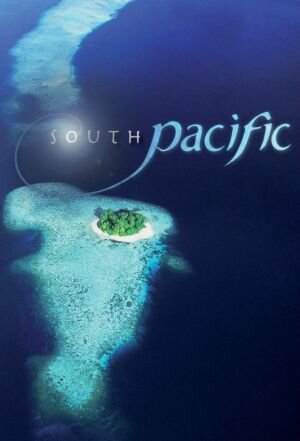
South Pacific2009
A quieter, less-famous BBC deep dive into one region's ecosystems, with the same slow-build storytelling and a real fondness for the strange and overlooked.
But Thinner production and narration than Africa's — a solid watch, not a landmark one.
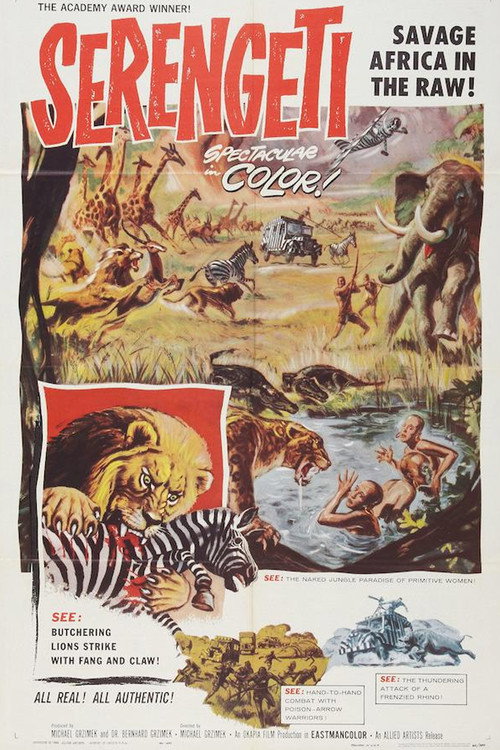
Serengeti Shall Not Die1959
Africa is the polished, high-budget grandchild of exactly this project: same landscape, same conservation anxiety, same desire to make audiences fall in love with a place before it's too late — just sixty years and a fortune in technology apart.
The film that basically invented the African wildlife documentary — a German zoologist and his son flying over the plains in a beat-up plane, narrating with genuine urgency and winning an Oscar for it.
But Black and white, hand-cranked cameras, a narration style decades removed from Attenborough's — feels like watching the ancestor rather than the cousin.
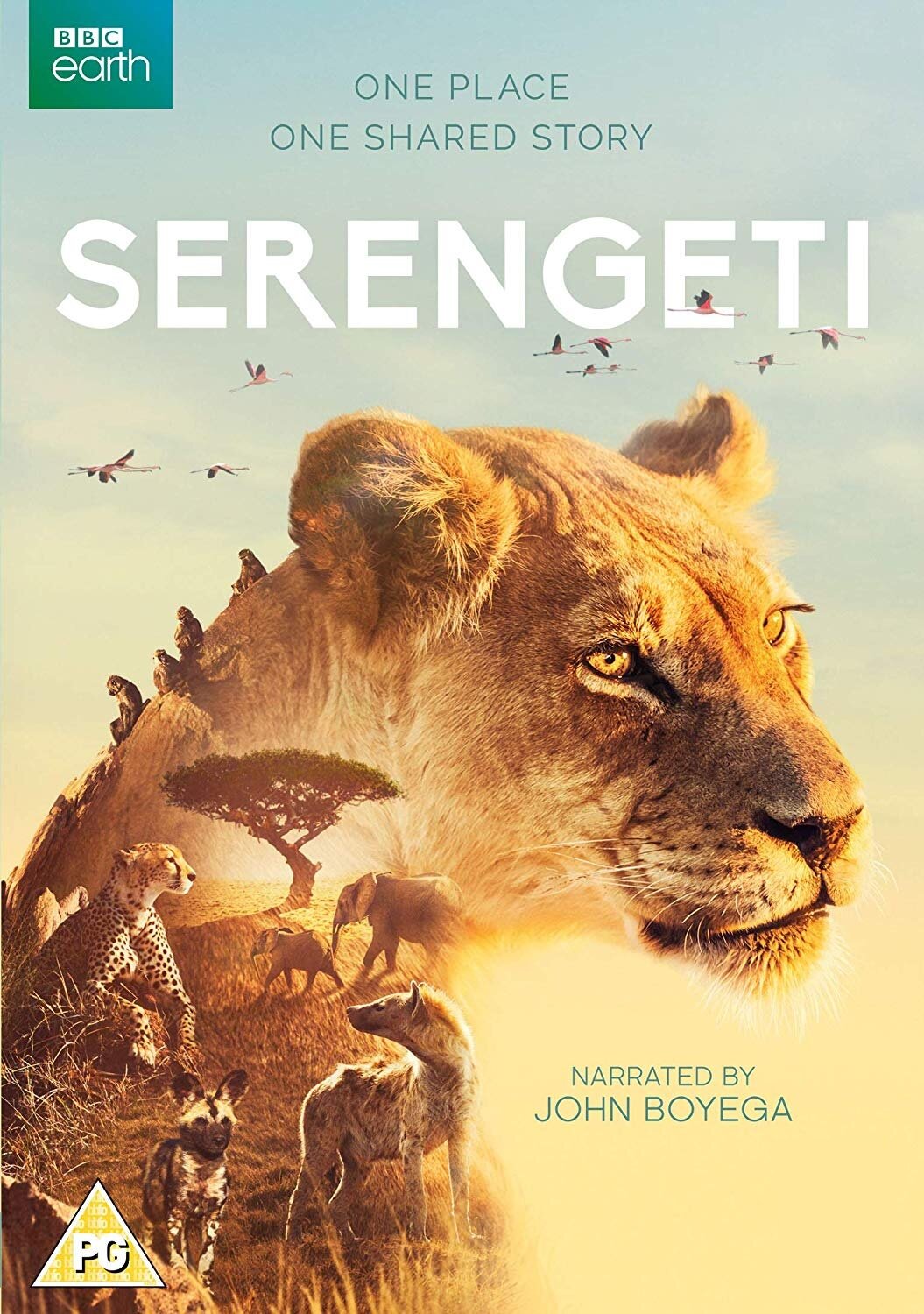
Serengeti2019
It takes Africa's exact raw material — the same predators, the same waterholes — and asks what happens if you drop the calm scientific narration and let it be as trashy and emotionally manipulative as any primetime drama.
Same animals, same landscape as Africa, but filmed and narrated like a soap opera — lions plotting, hyenas scheming, actual celebrity voice actors giving the wildlife interior monologues.
But Deliberately melodramatic and anthropomorphic in a way purists find grating; it's Africa's footage with the reserve stripped out.
People
Cast
 David AttenboroughPresenter
Recommended by
Planet Earth II, Planet Earth, Cosmos, Dynasties, Seven Worlds, One Planet, The Hunt, Prehistoric Planet, Meerkat Manor, Walking with Dinosaurs, Frozen Planet II, Life Story, Big Cats, South Pacific, Planet Earth III, The Life of Birds, Deadly 60, Attenborough's Life in Colour, Andy's Aquatic Adventures, Life, Mammals