
Television series
Planet Earth III
Planet Earth III is a visual triumph that combines Attenborough's unparalleled gift for narration with cutting-edge documentary filmmaking and five years of new research. It follows animals across every habitat in their daily struggle for survival, revealing behaviour never before captured on camera. Essential viewing for anyone who wants their sense of wonder regularly refreshed.
Should you watch it?
Watch it if you want jaw-dropping natural history footage with Attenborough's measured narration, the kind of wildlife filmmaking where a single shot of a animal in an unfamiliar habitat holds you for a full minute.
Skip it if you want a fast-moving story or a deep dive into one creature's life; each hour sweeps across different habitats and species, so the focus rarely settles long enough to get attached to anyone.
What it asks of you: Eight hour-long episodes that unfold at an unhurried, observational pace, asking you to sit back and let the images and calm voiceover carry the show rather than chase a plot.
Not sure? Find tonight's pick in a minute.
If you liked this
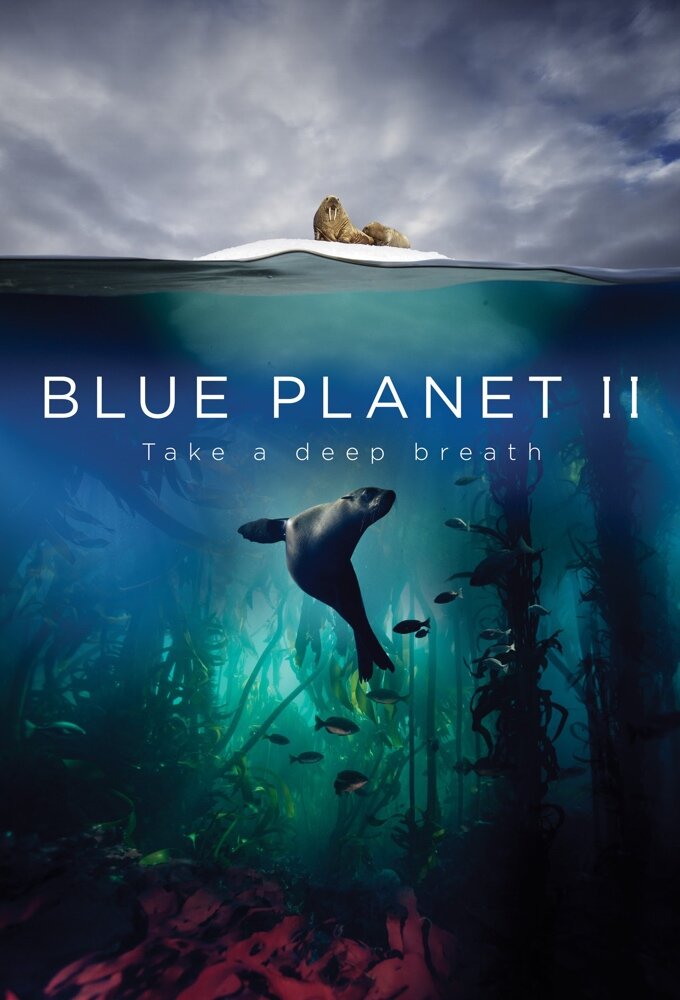
Blue Planet II2017
A masterclass in how life adapts to extreme environments. The ocean sequences are so immersive you'll forget you're watching through a screen. Attenborough's narration elevates every moment into something profound.
But Sixty minutes per episode means commitment, and some aquatic footage—while stunning—can feel slower-paced than the terrestrial drama you might crave.
Life2007
Directed by the same creative team, this explores animal behaviour across every major habitat with the same cinematic ambition. Each episode is a masterpiece of observation and storytelling. It pioneered the approach Planet Earth III perfects.
But Ten episodes is a significant time investment, and the pacing favours contemplation over adrenaline, which won't suit everyone.

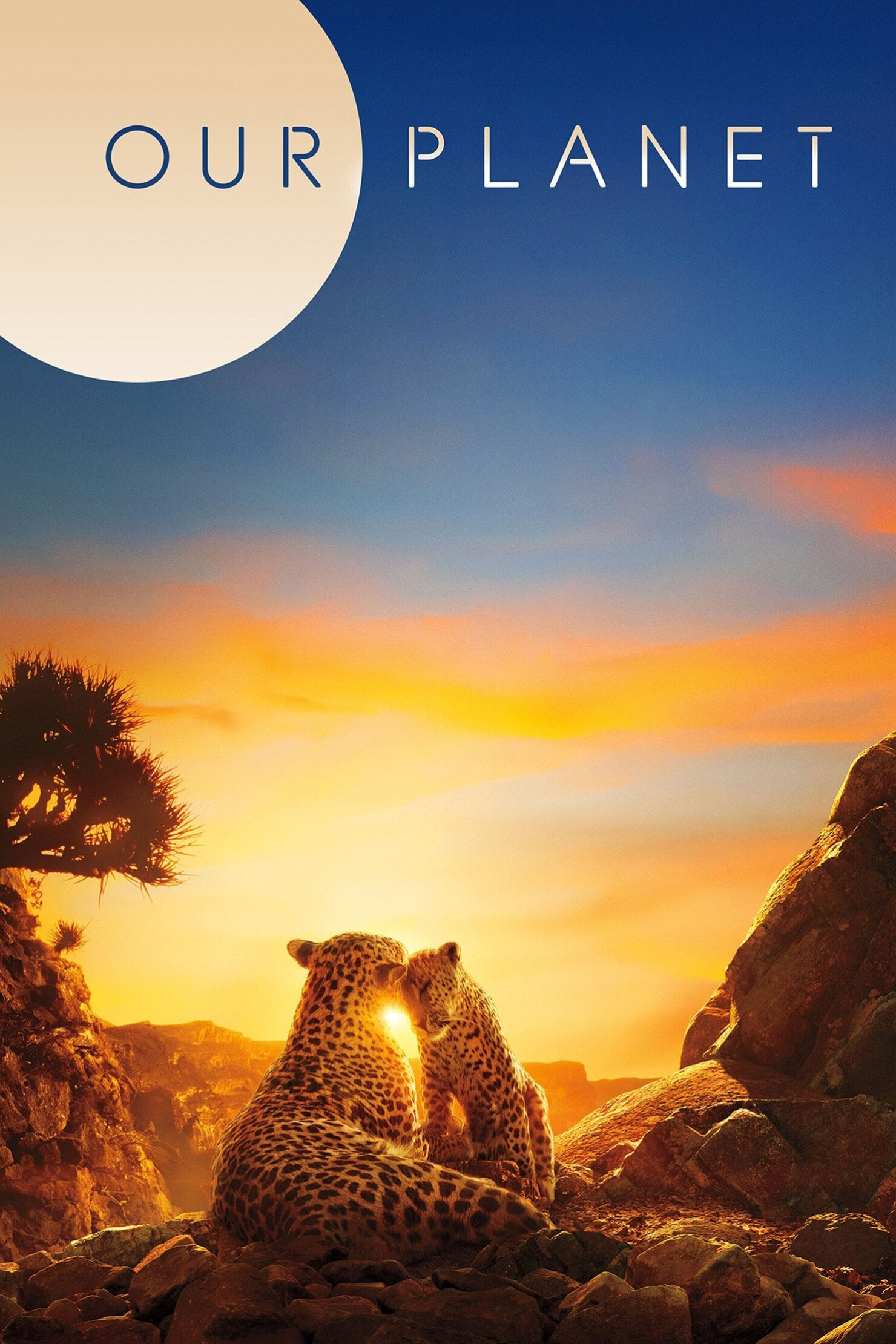
Our Planet2019
Attenborough returns with stunning cinematography that emphasises the interconnection between species and climate. It's visually breathtaking and emotionally intelligent about the fragility of what we're watching.
But The environmental message can feel heavy-handed at times, and some find the tone occasionally didactic rather than purely celebratory.
Not sure tonight? Get a pick in a minute, starting from Planet Earth III
The wildcard
Something you would not have found on your own.
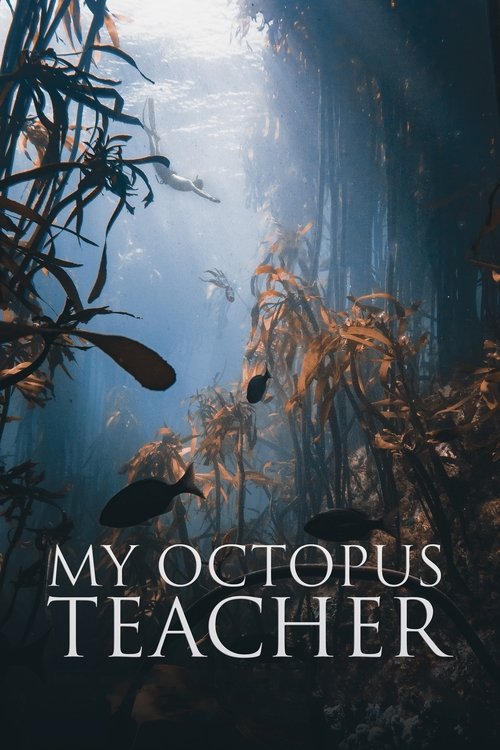
My Octopus Teacher2020
Both use intimate observation of animal behaviour to reveal something profound about consciousness and adaptation, but this one turns the camera inward on the human observer rather than staying purely with nature.
A personal documentary about a filmmaker who develops a relationship with an octopus over a year. It's meditative and strange—less about facts, more about wonder and connection. The cinematography rivals anything in Planet Earth III, and the emotional journey is entirely unexpected.
But It's quietly paced and philosophically inclined, so if you want spectacle and action, this introspective approach will feel glacial.
More like this (7)
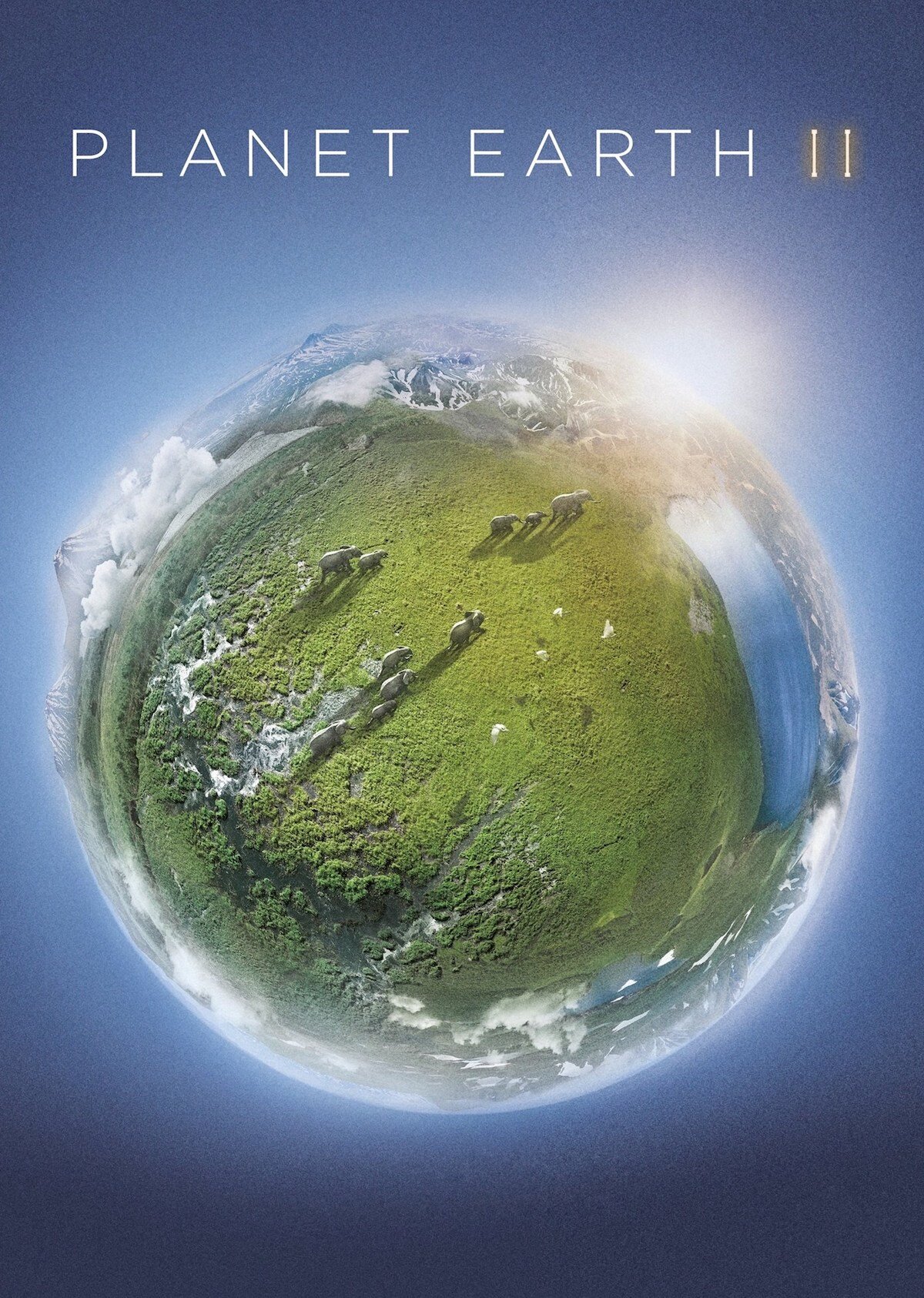
Planet Earth II2016
This is where character-driven wildlife storytelling really took off. Individual animals become heroes you're invested in across entire episodes. The cinematography set new technical standards for the genre.
But Once you've seen Planet Earth III, the older camera work looks noticeably less crisp, and some sequences feel less intimate in comparison.
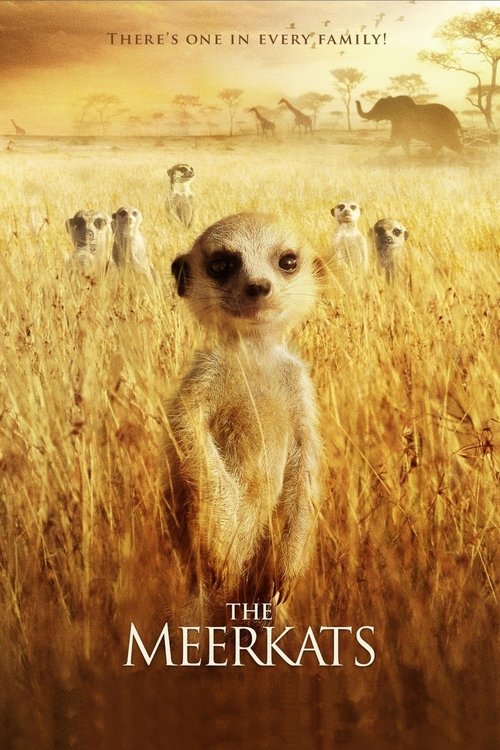
The Meerkats2008
A focused, feature-length dive into one family's survival in the Kalahari. It's intimate in a way the sprawling series cannot be, and incredibly moving. Attenborough's narration gives it unexpected emotional weight.
But The narrow focus means you don't get the breadth of habitats, and it's now nearly two decades old—production values show their age.
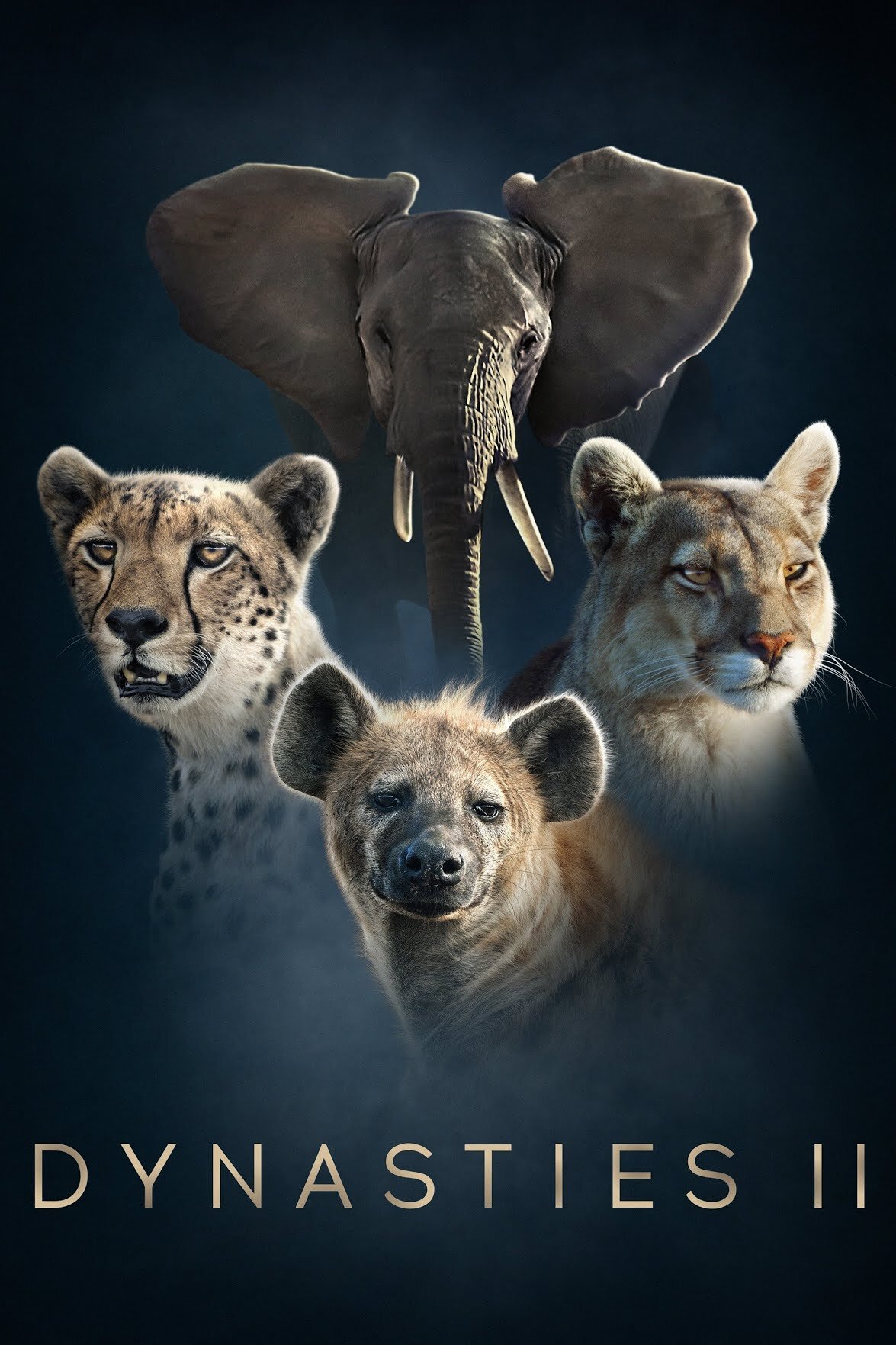
Dynasties2018
Follows five animal families over years, building genuine narrative tension and character investment. The storytelling is novelistic, and each episode becomes a saga you're deeply committed to.
But The five-episode structure means each animal family gets less coverage than you might want, and the episodic format can feel slightly repetitive in structure.
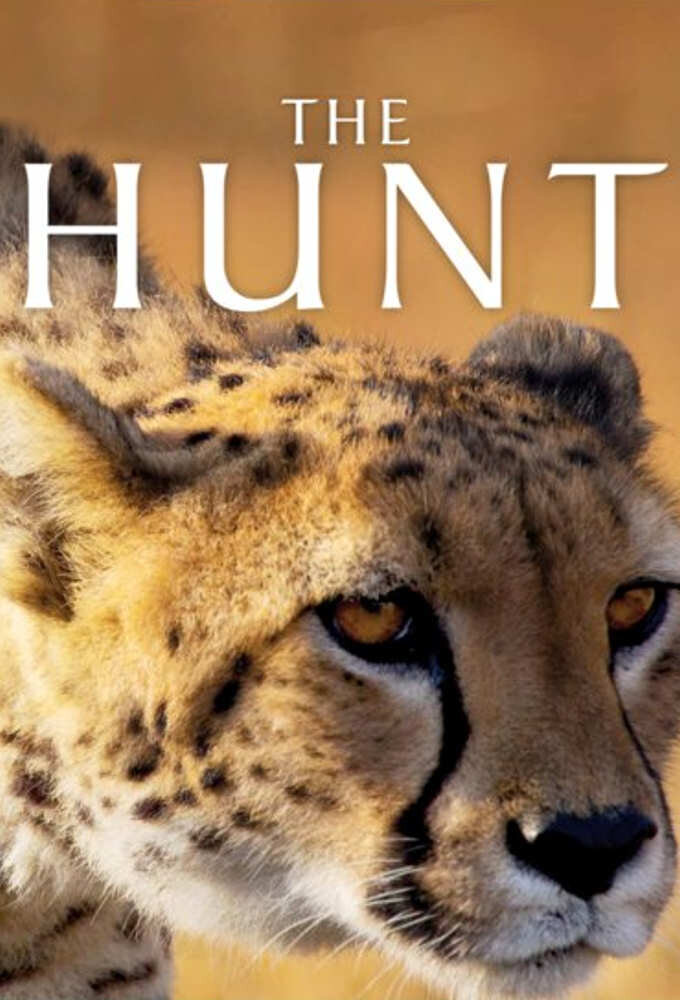
The Hunt2015
Focuses entirely on predator-prey dynamics with extraordinary action sequences. It's visceral, thrilling, and makes you understand the stakes every animal faces. Some of the most dramatic footage ever filmed in nature documentaries.
But The relentless focus on predation and killing isn't for viewers who find that distressing, and it deliberately avoids the wider ecological picture.
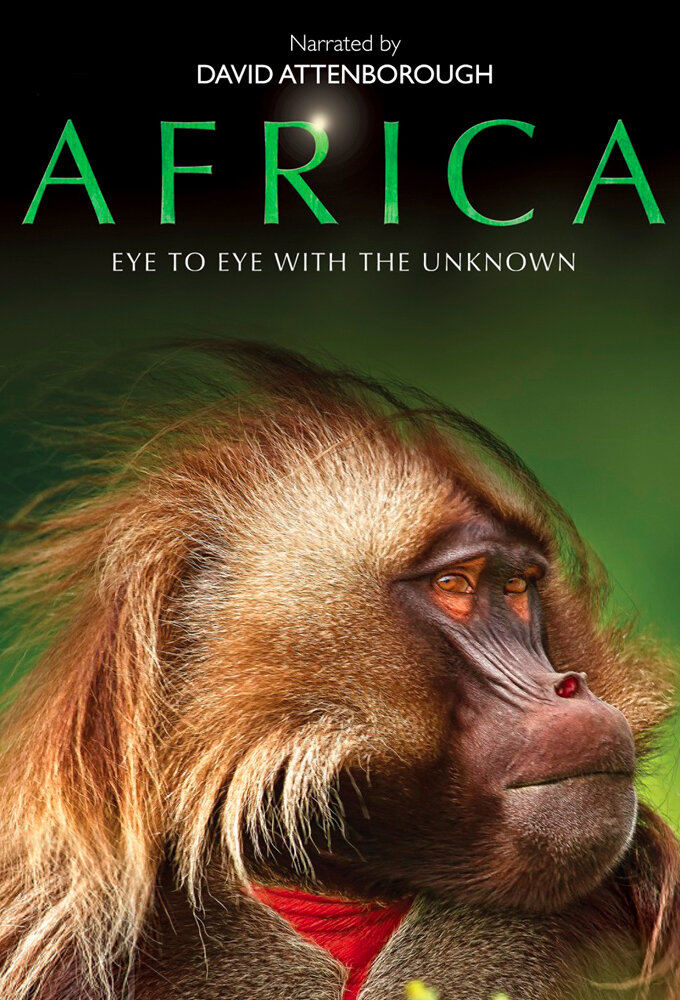
Africa2013
A continent-wide journey following animals through seasonal change and adaptation. The scale is magnificent, and the storytelling captures both the majesty and brutality of one of Earth's most dramatic regions.
But It covers a huge geographic area, so individual stories sometimes feel rushed, and the pacing varies significantly between episodes.
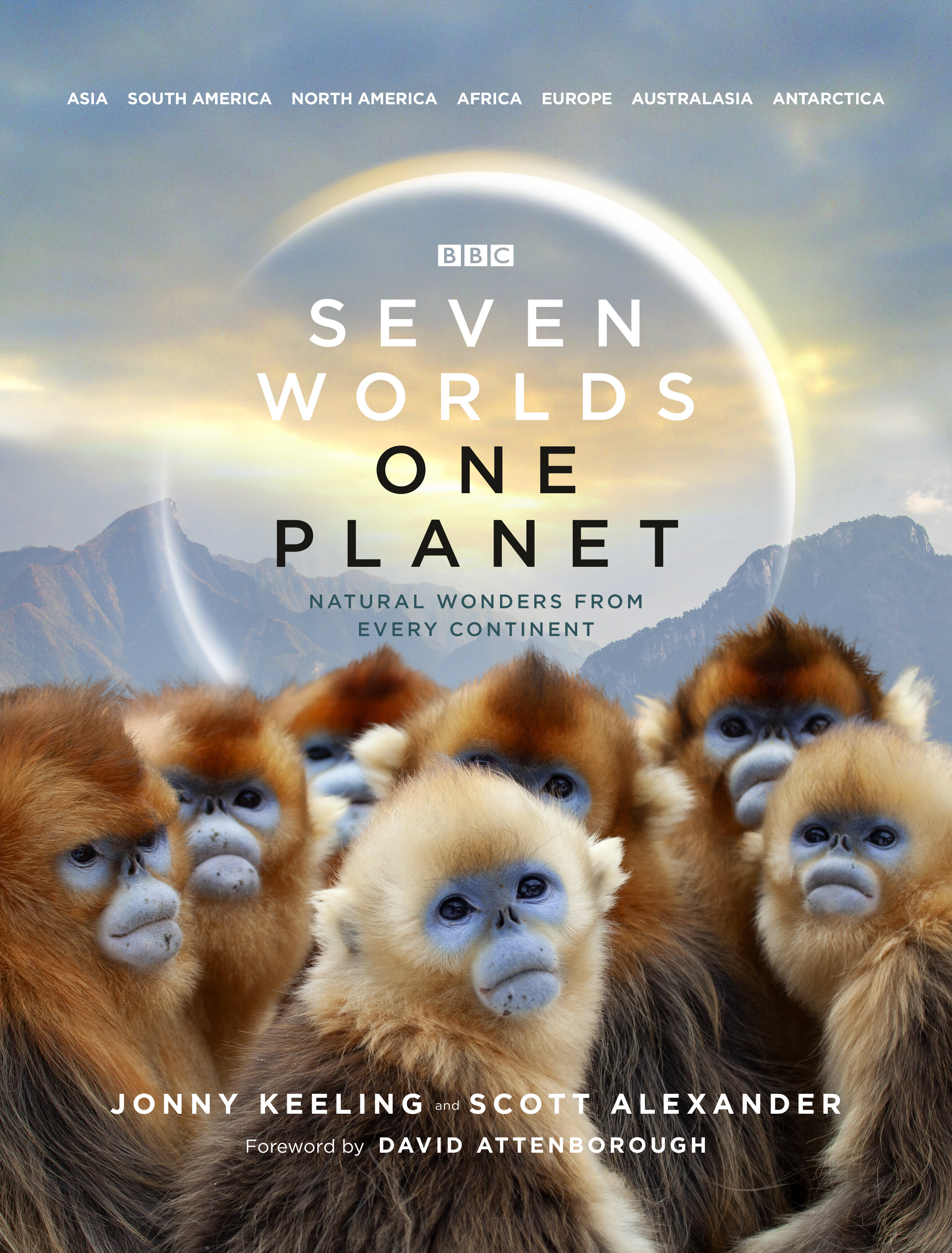
Seven Worlds, One Planet2019
Each episode is dedicated to a different continent, giving a grand tour of how evolution shaped wildly different solutions to survival. Attenborough's perspective on deep time and adaptation is luminous throughout.
But The broad continental scope means less time per habitat, and some viewers find the lecture-style approach less engaging than character-driven narratives.
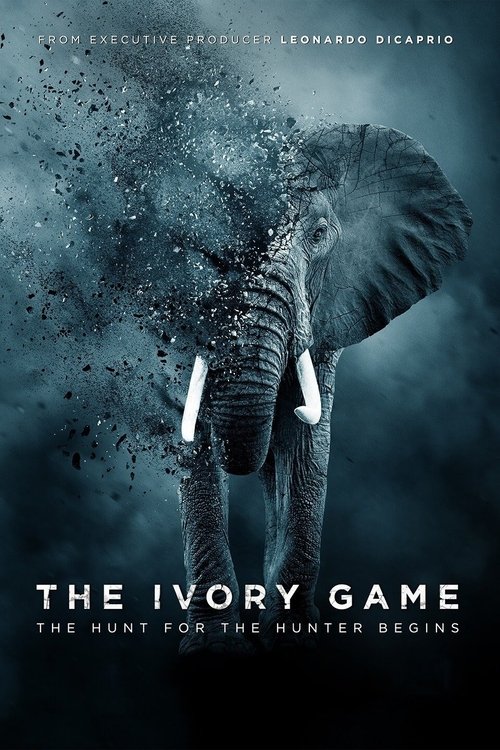
The Ivory Game2016
Where Planet Earth III shows us animals thriving in their worlds, this shows the same species and habitats under the pressure of human demand, creating an uncomfortable companion piece that recontextualizes wonder as responsibility.
A documentary following conservationists, poachers, and investigators across Africa and Asia in real time, with the tension of a thriller. It shows the same animals Planet Earth III celebrates under existential threat, and it's gripping in ways that feel urgent.
But It's politically engaged and sometimes angry in a way nature documentaries typically aren't—some find that didactic, and the human drama overshadows the animals.
People
Cast
 David AttenboroughNarrator
Recommended by
Before the Flood, The Year Earth Changed, The Private Life of Plants, Africa: Earth's Wild Home, Inside the Mind of a Dog, Chasing Monsters, The Green Planet, Our Universe, Mammals, Globe Trekker, Inside Nature's Giants