
Television series
Mammals
- Light-hearted
David Attenborough narrates a lavish six-part survey of mammalian life, from shrews to whales. It's visually stunning natural history—patient, intimate, occasionally astonishing—that treats its subjects with real curiosity rather than just spectacle. For anyone who finds the natural world genuinely moving.
Should you watch it?
Watch it if you love natural history that rewards close looking, the kind where a single odd behaviour, caught on camera for the first time, becomes the whole point of an hour.
Skip it if you want a narrative with characters or a plot to follow, since this is a loose parade of animals and ideas that moves from one case to the next without much through-line.
What it asks of you: Six hour-long episodes, each one a quick sequence of wildlife set pieces with a narrator steering the thread, so it asks for steady attention rather than long stretches of stillness.
Not sure? Find tonight's pick in a minute.
If you liked this
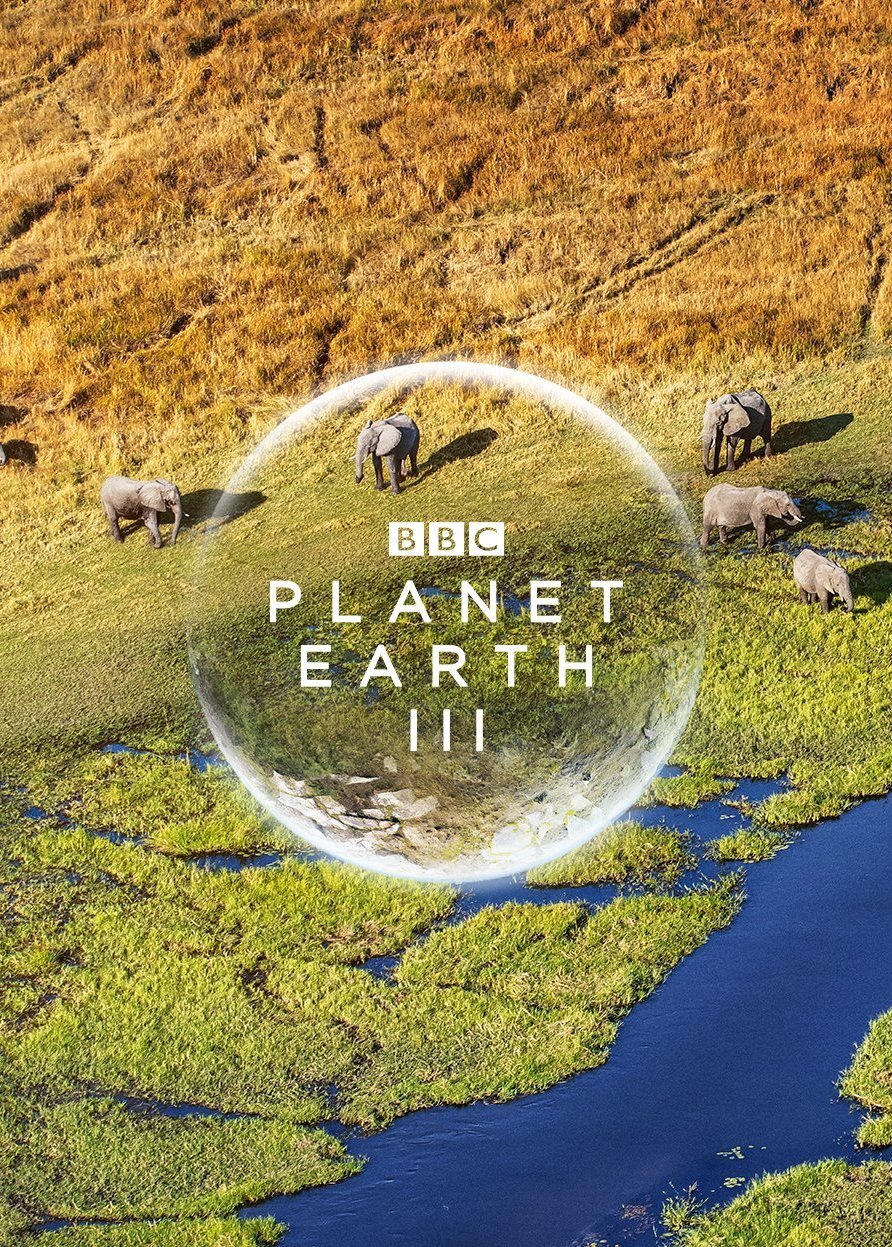
Planet Earth III2023
Attenborough again, with BBC's best camera work capturing ecosystems under pressure. Sweeping, gorgeous, and quietly urgent about what we're losing. A natural follow-up.
But The environmental stakes get heavy. It's beautiful but it can feel like watching something die in slow motion.
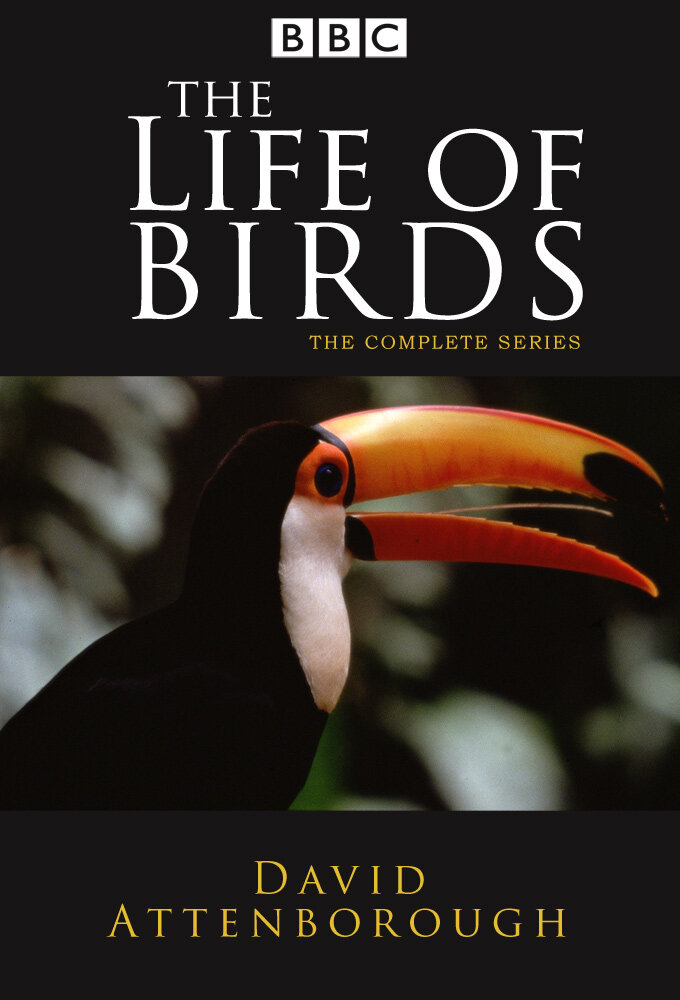
The Life of Birds1998
Attenborough's earlier masterwork using the same patient observational approach. A perfect blueprint for understanding how Mammals works—intimate, surprising, structured around genuine discovery.
But Older production values. Some may find the pacing slow compared to modern nature programming, though many find that meditative quality exactly right.
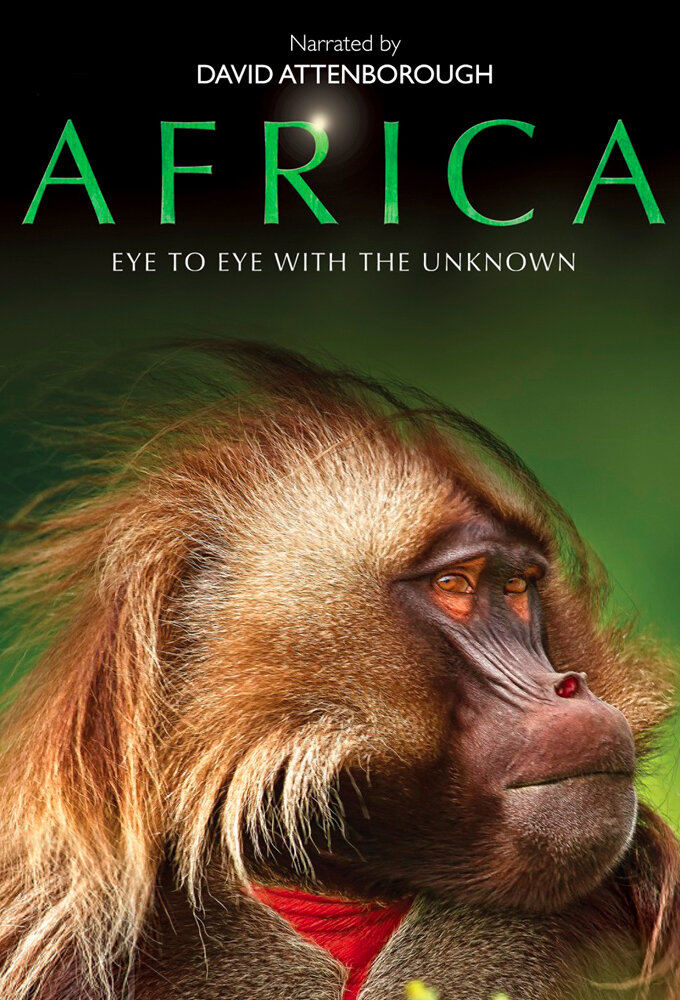
Africa2013
Stunning cinematography of a single continent's wild variety. Shows how mammals compete, adapt, and survive in one deeply observed place. Structured to showcase behavioral drama beautifully.
But Heavy predator-prey content. If you find hunting sequences distressing, there's nowhere to hide.
Not sure tonight? Get a pick in a minute, starting from Mammals
The wildcard
Something you would not have found on your own.
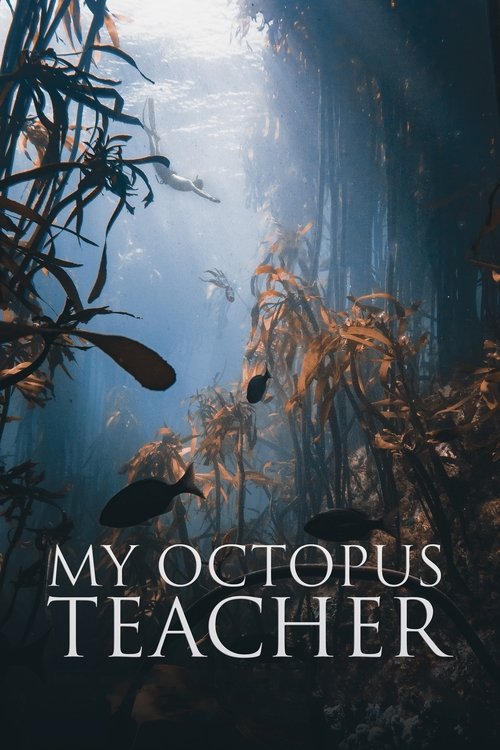
My Octopus Teacher2020
Both ask viewers to slow down and really *see* intelligence operating in a body radically unlike ours. Same meditative rhythm, wildly different subject.
A filmmaker spends a year in a South African kelp forest watching a single octopus. It's about observation, patience, and the shock of real connection with another intelligent being. Strangely meditative and profound.
But Octopuses aren't mammals—but the film's philosophy of intimate wildlife study mirrors Mammals perfectly, just inverted into something almost mystical. Some find it sentimental.
More like this (6)
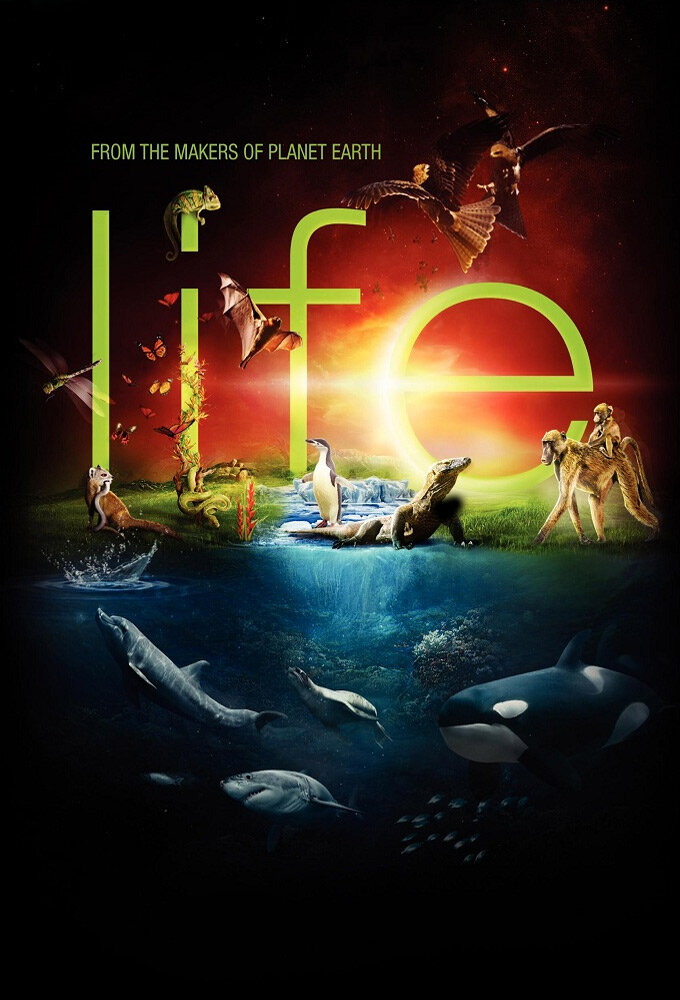
Life2009
Attenborough's epic journey through the entire animal kingdom with remarkable close-ups. Shows mammals in their broader ecological context with genuine wonder and technical innovation.
But Eleven episodes is a heavy commitment. The scope can feel less intimate than focused work.
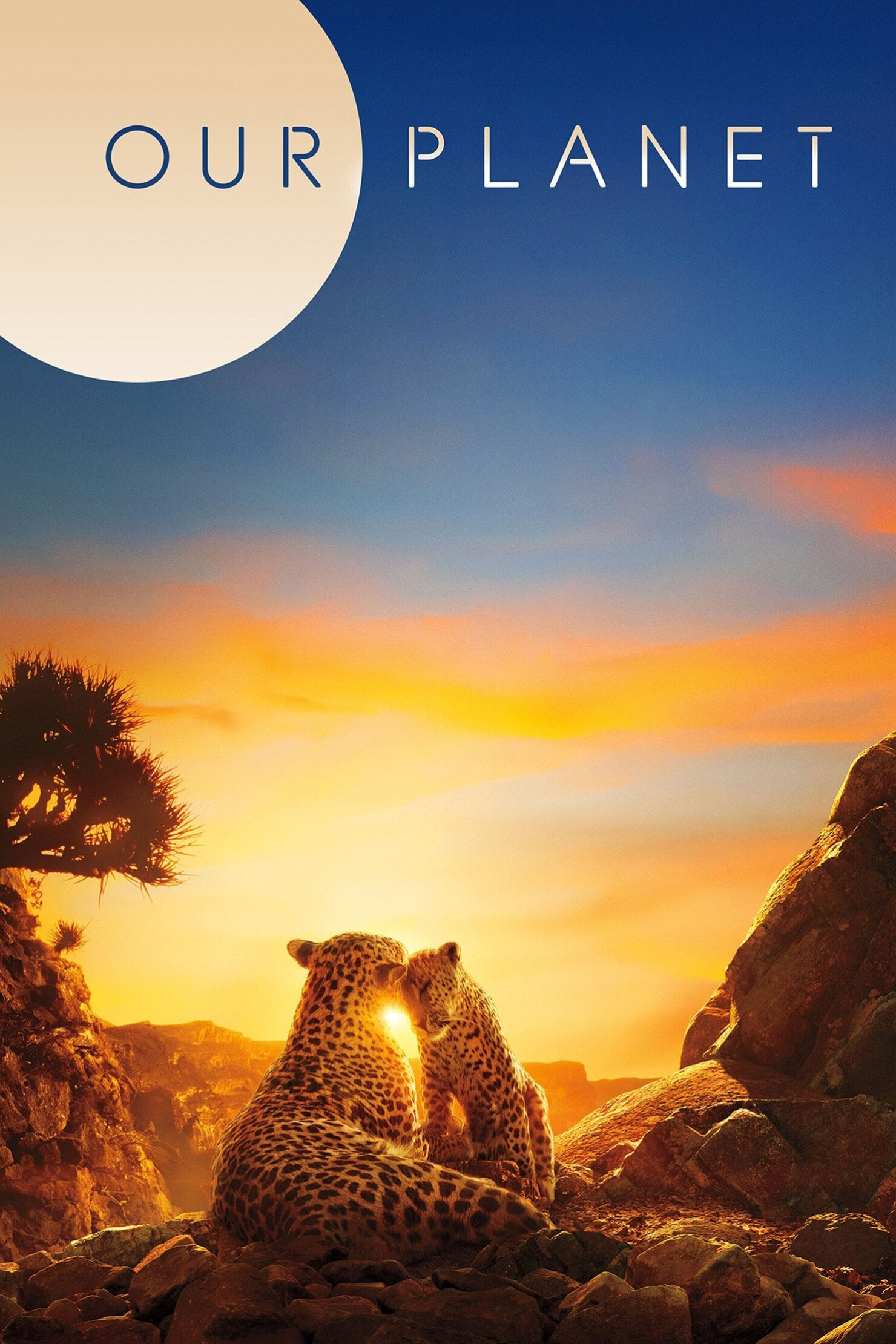
Our Planet2019
Recent, visually spectacular, and explicit about how climate change is reshaping mammal behavior and migration. Combines wonder with clear-eyed environmental concern.
But The environmental messaging is heavy-handed at times. Some find the celebrity narration less warm than Attenborough's intimate delivery.
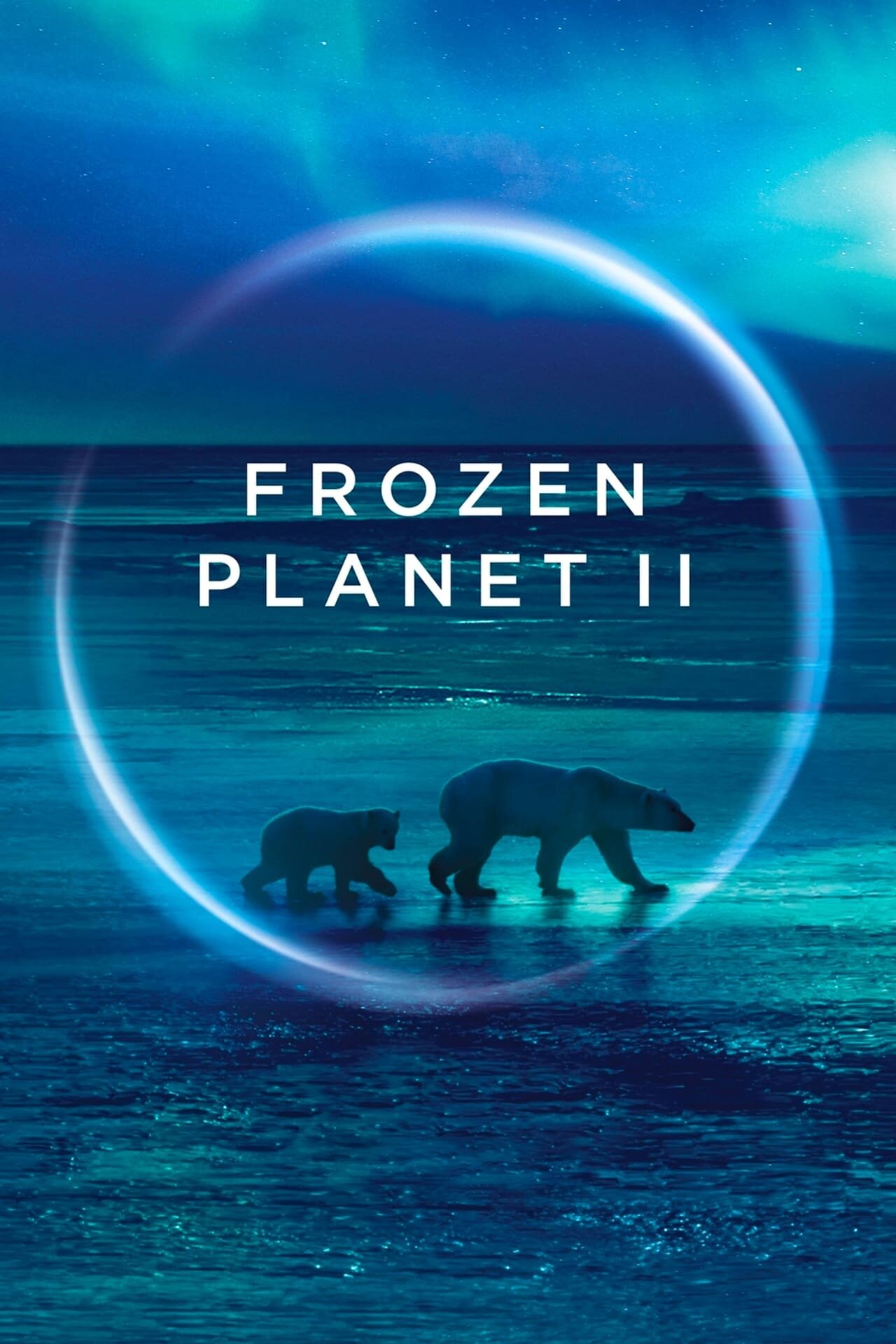
Frozen Planet II2022
Attenborough exploring polar mammals—walruses, musk oxen, seals—in landscapes that feel genuinely alien. Remarkable footage from places few filmmakers can reach.
But Arctic content means isolation and harsh survival. Less traditional mammal variety; this goes very specific.
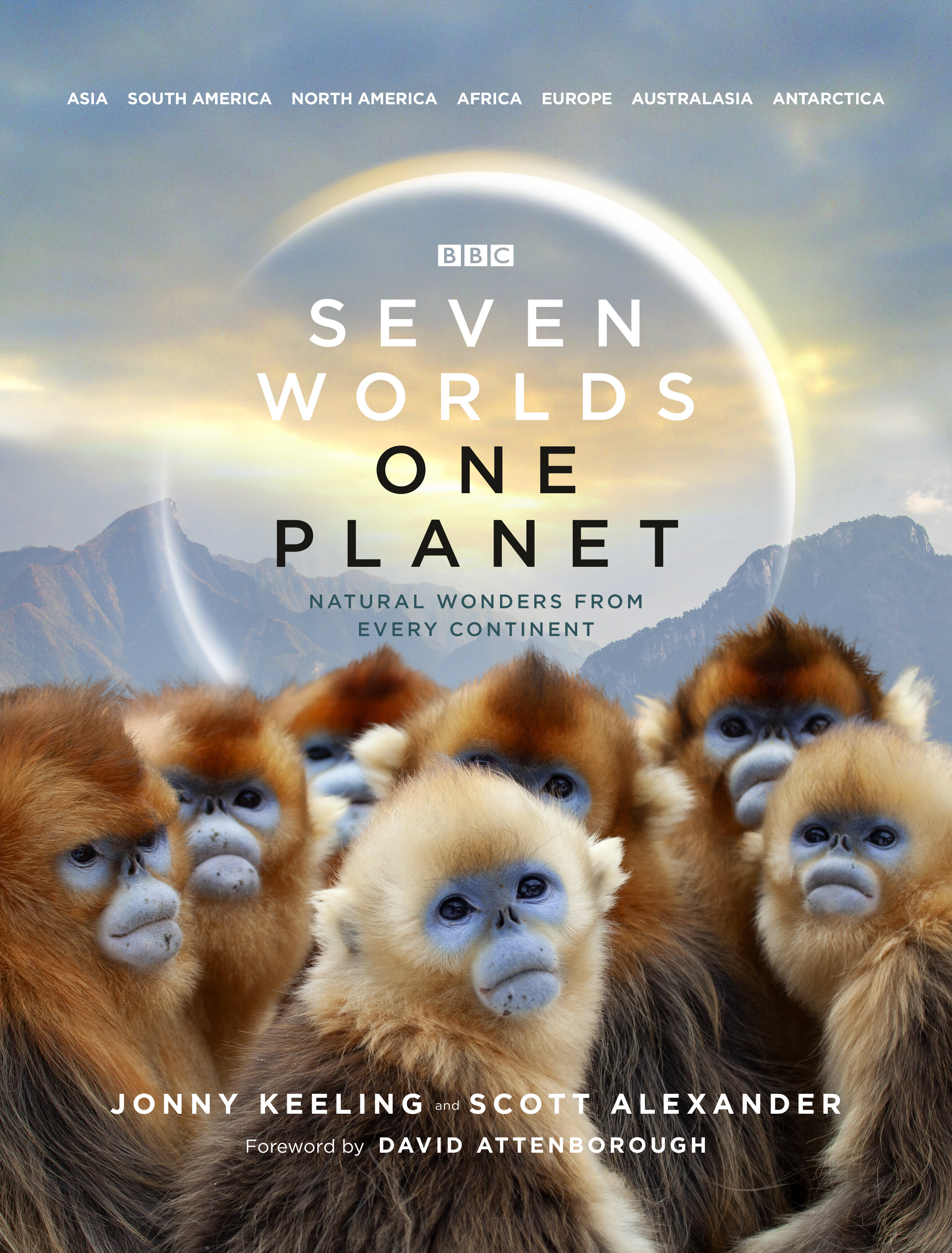
Seven Worlds, One Planet2019
Continental approach to global wildlife. Shows how mammalian evolution diverged across isolated landmasses. Excellent for understanding adaptation and survival strategy.
But Broad sweep means less depth on individual species. Some sequences feel rushed.
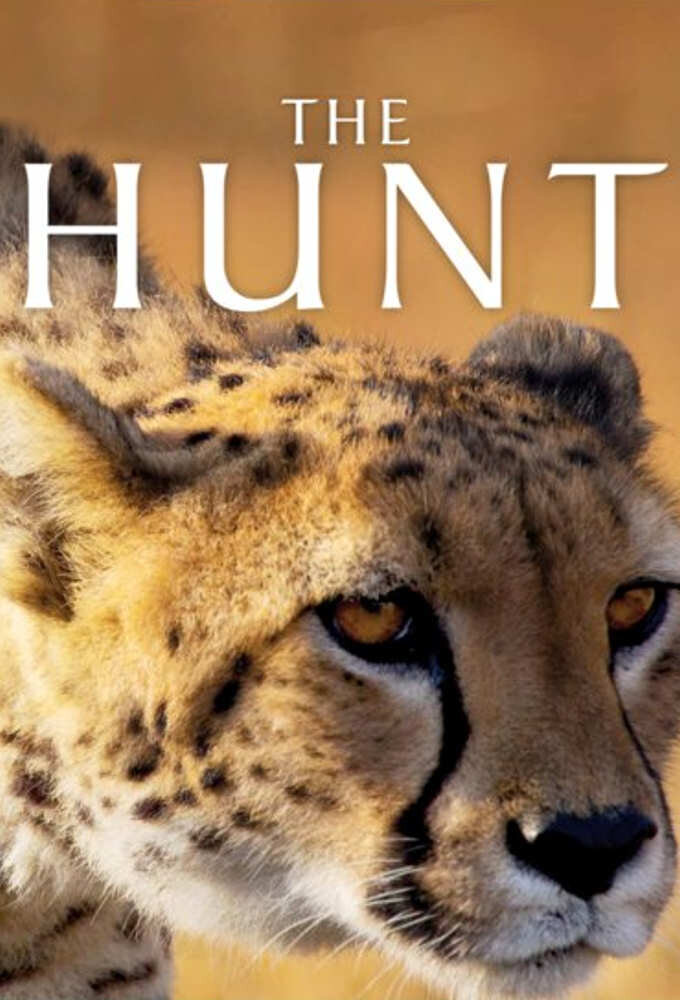
The Hunt2015
Flips the Mammals perspective to focus on predation itself—how hunters use intelligence, strategy, and teamwork. Darker, more dramatic, equally rewarding.
But This is hunting-focused predator content. Violence is the point. Not for viewers who find that upsetting.
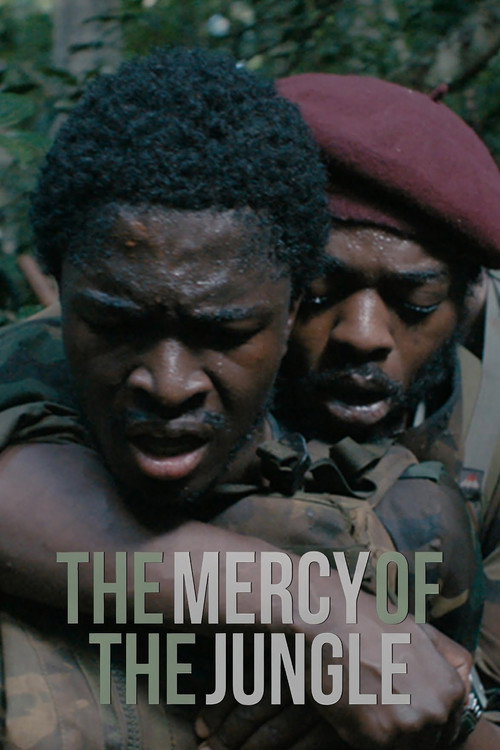
The Mercy of the Jungle2019
Uses the structure and visual language of natural history filmmaking to examine human animals under pressure. Asks: if we film mammals with such care, what happens when we turn that lens on ourselves?
A stunning, almost wordless feature film following two Rwandan soldiers lost in the Congo rainforest. Shot with the visual richness of a nature documentary but turned inward to human consciousness and survival. Breathtaking cinematography, minimal dialogue.
But It's a war film about trauma, not a nature film. Dense, difficult, deliberately paced. Some will find it obscure and demanding rather than accessible.
People
Cast
 David AttenboroughNarrator