
Television series
The World About Us
- Dip in and out
The World About Us is a pioneering BBC natural history anthology series that sent crews across the globe to document wildlife, ecosystems and human communities in their raw state. Each fifty-minute episode is a self-contained journey: intimate, unhurried, filmed with the patient observational style that defined 1960s public broadcasting. It's for anyone who loves the texture of the natural world and wants to see how people lived before everything was mediated through screens.
If you liked this
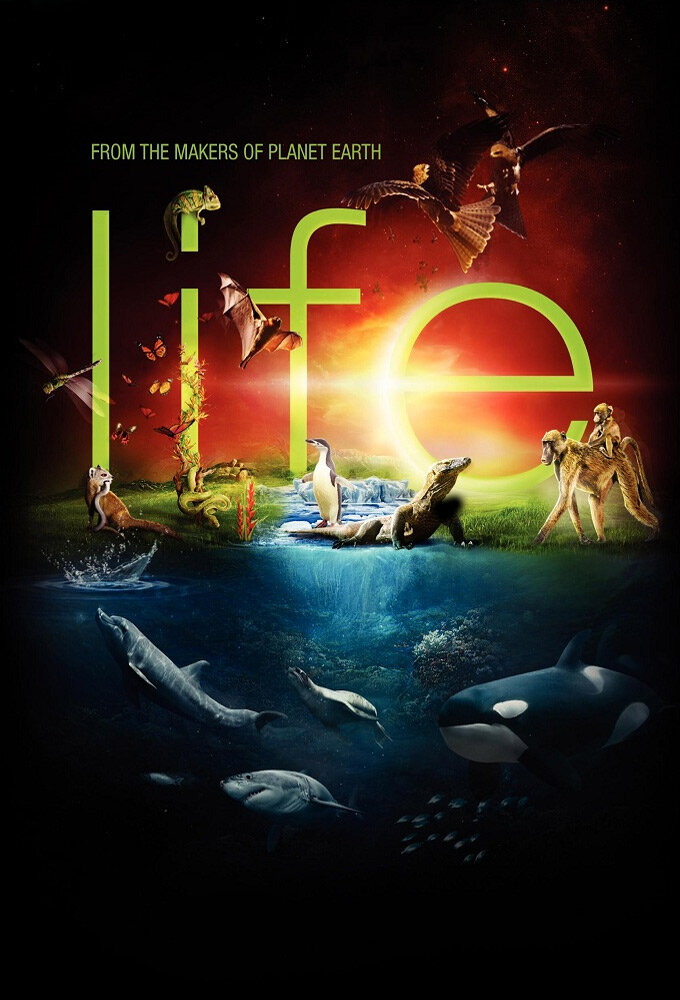
Life2009
A definitive modern natural history series with David Attenborough's narration and cinematography so pristine it feels like watching life in ultra-high definition. Structured by habitat and behaviour, utterly comprehensive.
But The scope is almost overwhelming. Eleven hours across eleven episodes means commitment, and the pacing assumes you have an evening to spare per episode.
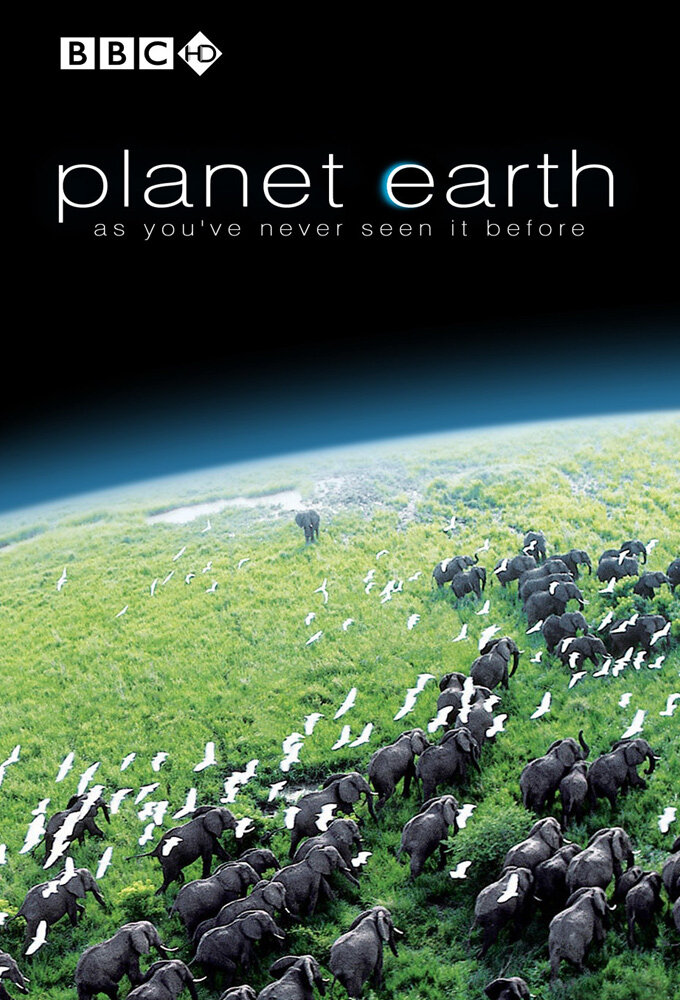
Planet Earth2006
The series that proved you could make natural history television feel like cinema. Stunning, beautifully constructed, with Attenborough's voice guiding you through ecosystems you'll never see in person.
But It's been everywhere. If you've already caught it or seen the clips, the impact dulls. Also relies heavily on dramatic music that some find intrusive.
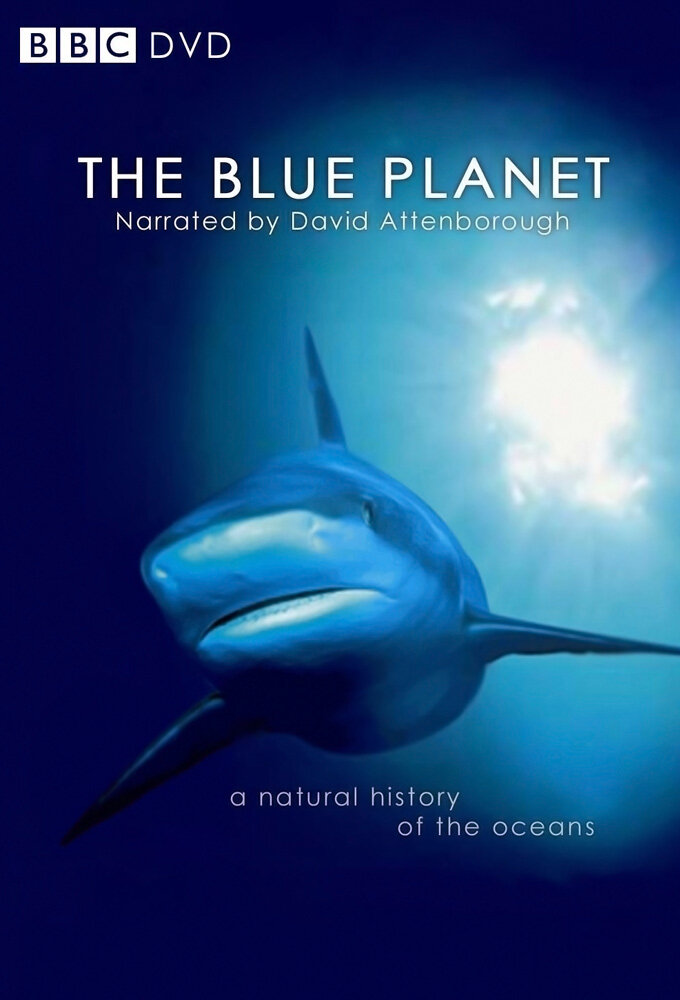
The Blue Planet2001
Focuses entirely on oceans and marine life with the same lush production values and patient observation. Quietly revelatory about a world we rarely witness directly. Attenborough again, doing what he does best.
But Aquatic life can feel abstract and remote compared to terrestrial animals. Some episodes drag when the subject matter is inherently still.
Not sure tonight? Get a pick in a minute, starting from The World About Us
The wildcard
Something you would not have found on your own.
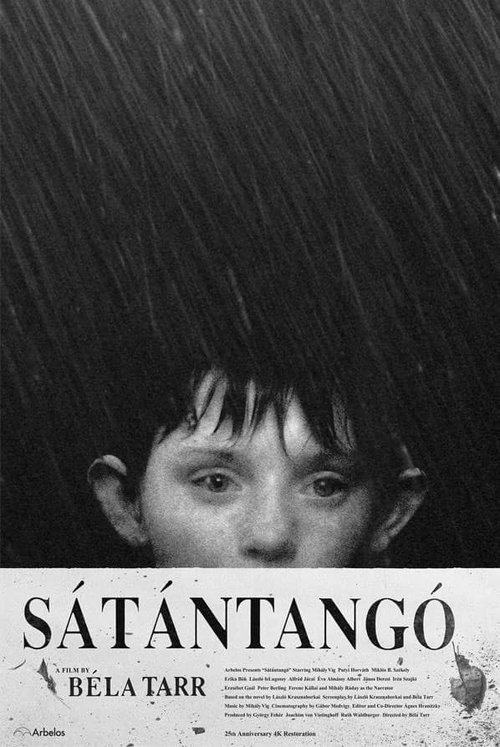
Satantango1994
Both trust silence and observation over narration. Both refuse to hurry the viewer toward conclusions. Both see beauty in the texture of existence itself, not in the story imposed on it.
A seven-hour Hungarian epic about memory, collapse and hope filmed in long, patient takes across a crumbling community. Not a nature documentary—a portrait of human systems with the same unflinching observational eye as The World About Us applied to society instead of wildlife.
But Seven hours of deliberately paced black-and-white cinema with no dialogue in places. This demands absolute silence and focus. Many will find it exhausting rather than enlightening.
More like this (8)
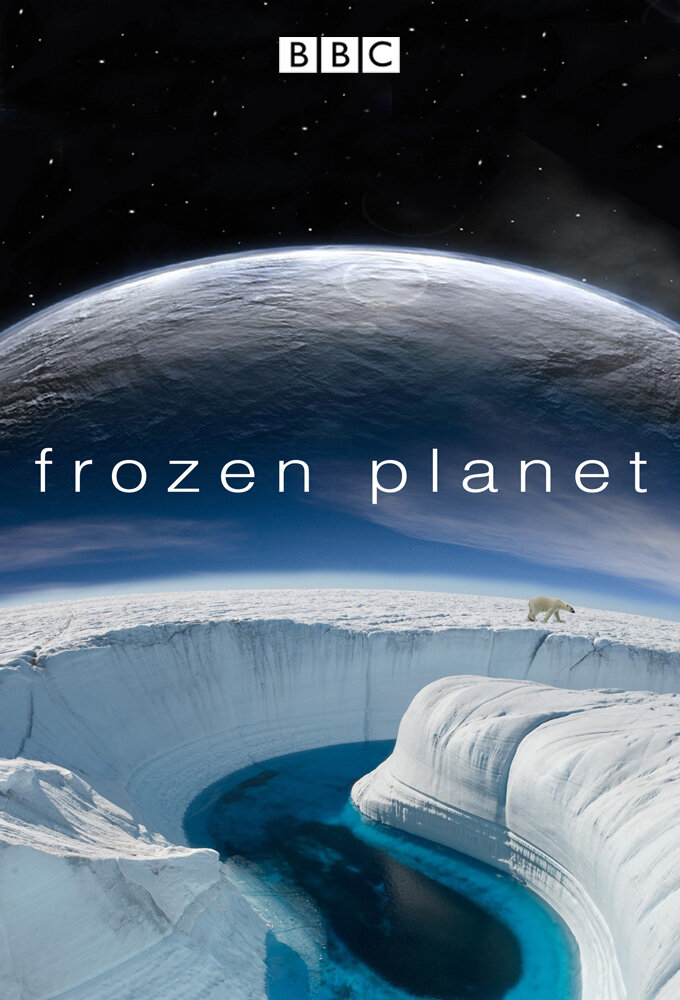
Frozen Planet2011
Polar regions filmed in extreme conditions, revealing ecosystems at the planet's edges. Stunning ice photography and animal behaviour you won't see anywhere else. Visceral and moving.
But The climate crisis context hangs over it uncomfortably now. Some viewers find the subject matter—survival in harsh places—relentlessly bleak.
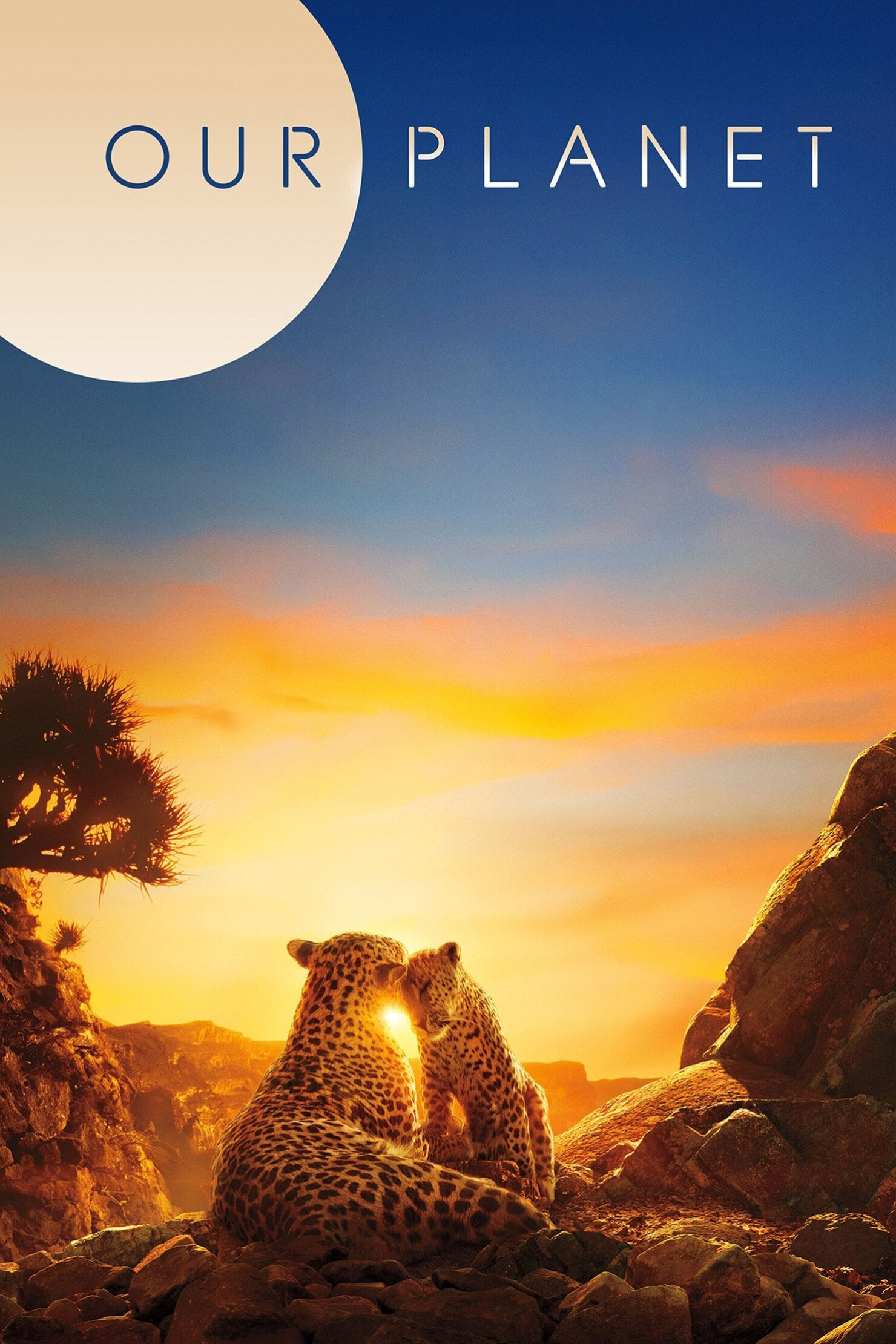
Our Planet2019
A sweeping state-of-the-world documentary following wildlife across all seven continents. Narrated by David Attenborough, it combines nature documentary with gentle environmental advocacy without becoming preachy.
But The environmental message is explicit and occasionally heavy-handed. If you're watching to escape rather than confront, it won't let you entirely.
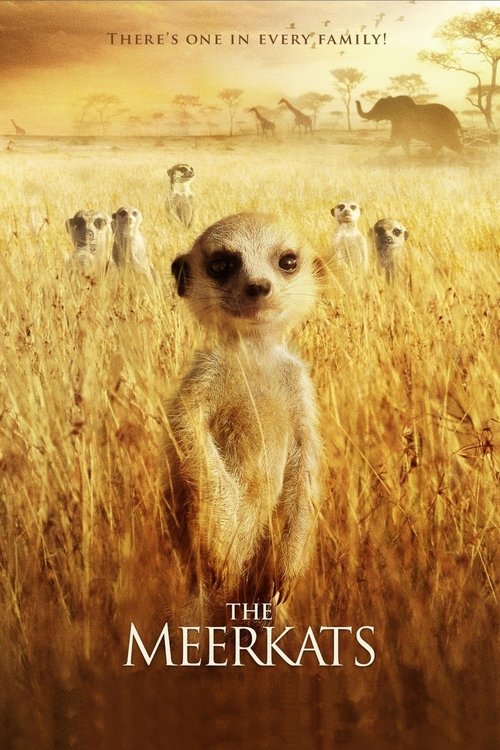
The Meerkats2008
A feature-length BBC natural history film following one meerkat colony for a year. Intimate, funny, surprisingly dramatic. It's a masterclass in how to make you care deeply about small animals with big personalities.
But It's an hour of meerkats doing meerkat things. If you don't find their society inherently fascinating, the narrow focus will feel slight.
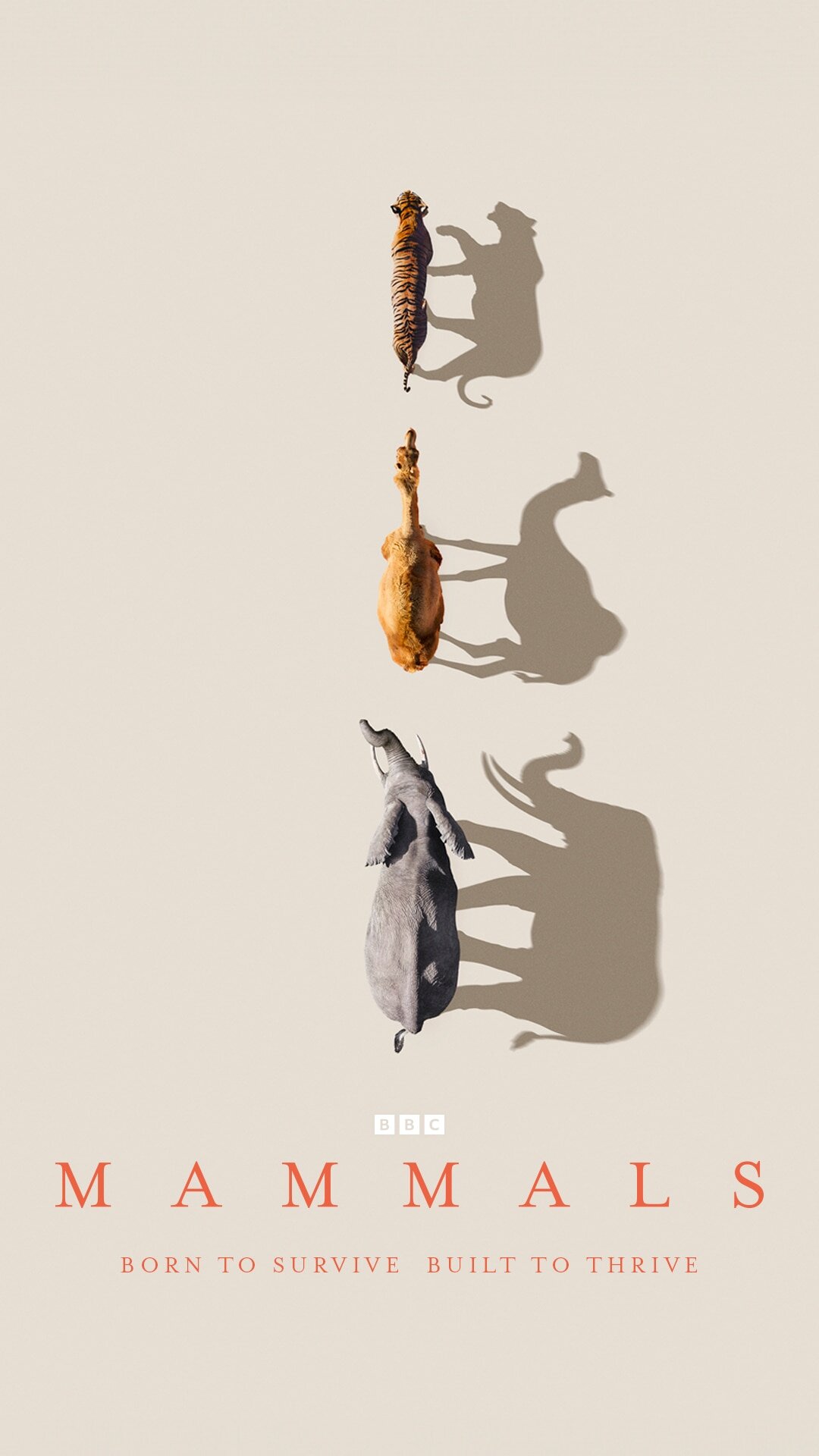
Mammals2024
A recent BBC series examining mammal behaviour and adaptation across the planet. Combines cutting-edge cinematography with the kind of observational patience The World About Us pioneered. Fresh approach to familiar ground.
But Very new, so less culturally embedded than the classics. Also occasionally leans on spectacle where older documentaries let quiet moments breathe.
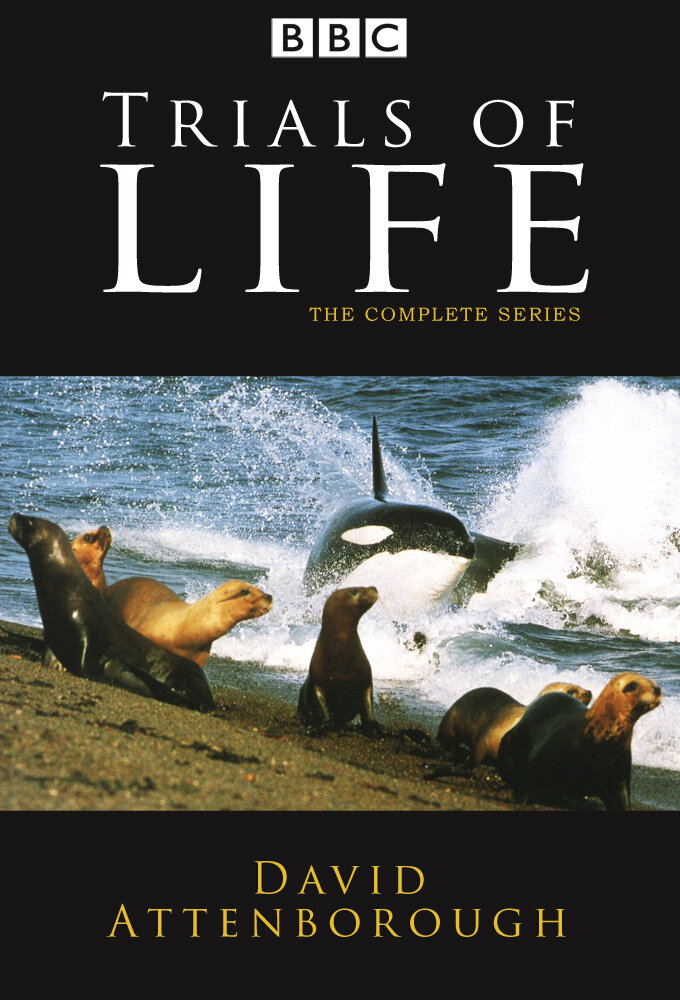
The Trials of Life: A Natural History of Behaviour1990
Attenborough walking through behavioural ecology—how animals eat, move, court, raise young, defend territory. Intellectually rigorous but never didactic. Feels like sitting in on the world's best biology class.
But Less emphasis on landscape beauty than other nature series. The focus is behavioural, which means you're watching specific actions repeatedly from different species.
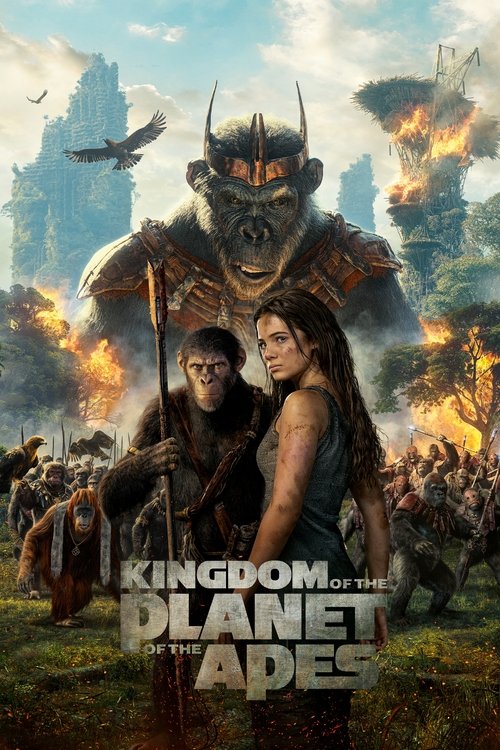
Kingdom of the Planet of the Apes2024
A National Geographic feature-length special following primate communities. Well-shot and intimate, with enough narrative structure to keep you engaged but enough observational depth to satisfy documentary lovers.
But Primate documentaries are thick on the ground now. This feels competent rather than revelatory, and doesn't quite reach the heights of the best BBC work.
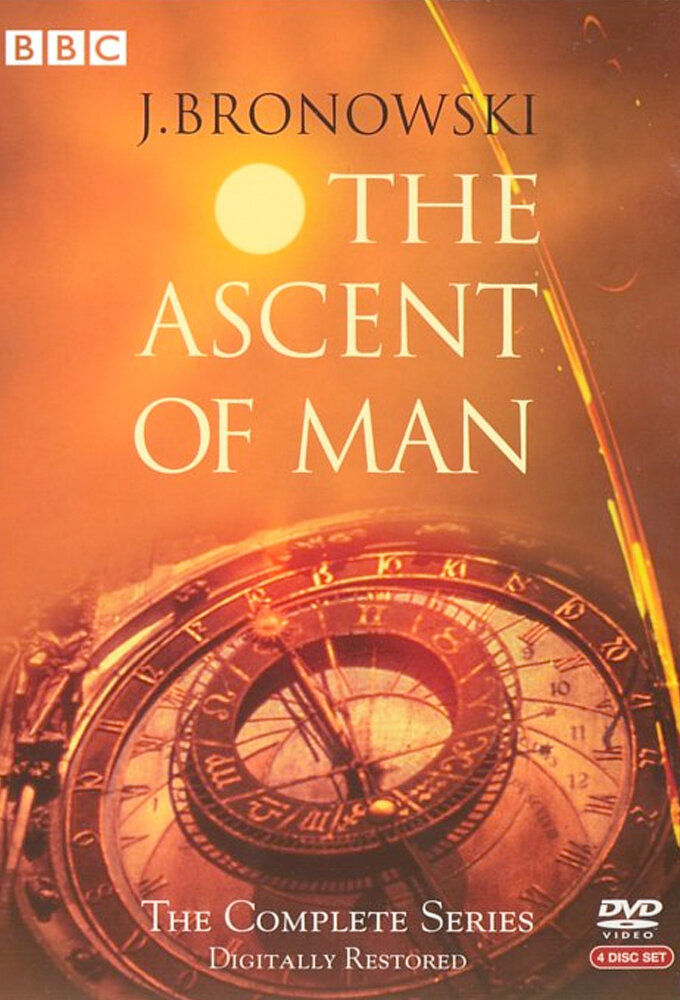
The Ascent of Man1973
Same era, same BBC sensibility, same restless curiosity to understand how systems actually work. The World About Us asks how nature works; this asks how human culture does.
Jacob Bronowski's thirteen-episode series on human civilization, science and culture—structured like a natural history documentary but about us. Shot on location worldwide, with Bronowski himself as the guide. Intellectually thrilling and visually stunning.
But The philosophical framework is mid-century secular humanism. If you're skeptical of grand progress narratives or find Bronowski's optimism naive, it grates. Also technically dated.
The Act of Killing2012
Both are unflinching observations of the world as it actually is, without sentiment or easy answers. Both trust the image over explanation. Both assume the viewer is intelligent enough to sit with complexity and draw their own conclusions.
A documentary about perpetrators of genocide in Indonesia, filmed with dreamlike surrealism as they restage and reflect on their own atrocities. Morally complex, visually extraordinary, utterly unlike any other documentary about violence.
But Unflinching and psychologically difficult. The formal approach—having killers recreate murders—feels provocative to the point of discomfort. Not for viewers seeking moral simplicity.

People
Writing
- David AttenboroughCreator