
Film
The Year Earth Changed
- Light-hearted
A David Attenborough film examining how pandemic lockdowns allowed nature to recover globally. Shot during 2020, it captures unprecedented moments of animals reclaiming spaces and thriving in human absence. Hopeful without being naive, it asks whether nature's resilience offers lessons for our future relationship with the living world.
Should you watch it?
Watch it if you want a calm, wondering tour of wildlife reclaiming empty streets and coastlines, the kind of nature film where Attenborough's narration does the heavy lifting and the images are allowed to breathe.
Skip it if you came for a rigorous, data-heavy account of lockdown's environmental effects, since this leans on gorgeous wonder and hopeful framing rather than hard analysis or a sustained argument.
What it asks of you: It runs under an hour and moves at a gentle, unhurried pace, asking for easy attention rather than close study, with a mostly light and reassuring tone.
Not sure? Find tonight's pick in a minute.
If you liked this
Our Planet: Behind the Scenes2019
Attenborough's earlier landmark series (this is a film version) shows ecosystems in balance and crisis with the same eye for wonder. If you loved the cinematography and scope here, this is the natural next step.
But At nearly four hours, it's a substantial commitment, and some footage of predation and starvation can be genuinely distressing.
Planet Earth III2023
Cuts deeper into animal behaviour and adaptation than most nature docs. The technology captures things previously impossible to film, and it's genuinely revelatory about how creatures live moment to moment.
But Very long series (six hours+), and it sometimes dwells on survival struggles in ways that feel harder to watch than The Year Earth Changed's hope.
Life2007
Another Attenborough masterpiece, this one tracking how evolution has equipped animals for extraordinary survival. Remarkable patience and curiosity in every frame—the kind of filmmaking that makes you lean in.
But Older technology means less visual spectacle than modern nature docs; the storytelling has to carry more weight.
Not sure tonight? Get a pick in a minute, starting from The Year Earth Changed
The wildcard
Something you would not have found on your own.
Encounters at the End of the World2007
Both use stunning landscape cinematography to ask what our relationship with the natural world might be, but Herzog interrogates it while Attenborough celebrates it—seeing the same moment from opposite angles.
Werner Herzog travels to Antarctica to film scientists working at Earth's most extreme edge. Philosophical and strange—less about nature bouncing back and more about humanity's compulsion to understand it. Hypnotic and profoundly weird.
But Herzog's voice and sensibility are inimitable and can feel deliberately difficult. Not a comfort watch, and Antarctica's beauty doesn't preclude Herzog's darker musings.
More like this (6)
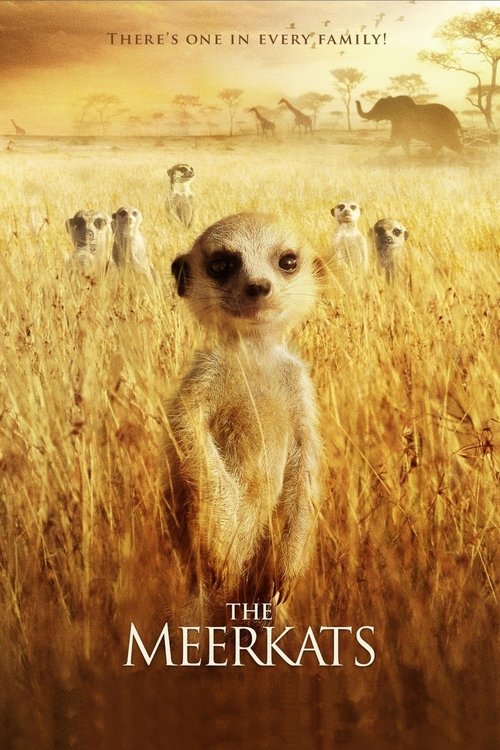
The Meerkats2008
Focused documentary following one family over a year. Intimate in ways sprawling global surveys can't be, and genuinely funny without ever mocking its subjects.
But Very narrow focus—if you want planetary scope rather than a single species story, this feels small.
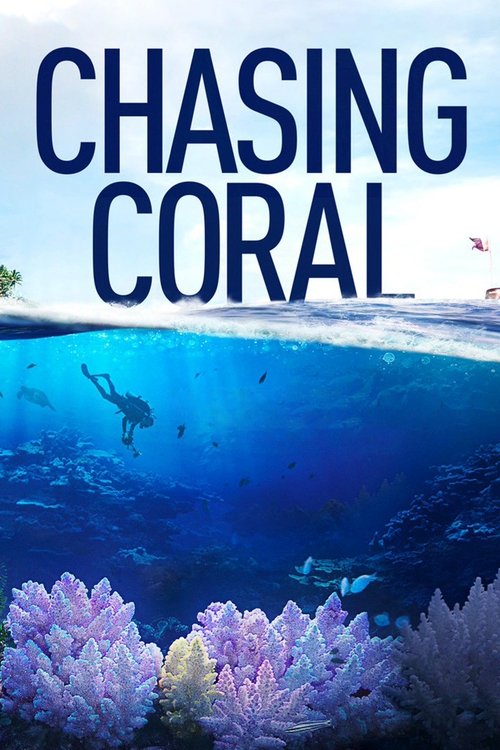
Chasing Coral2017
Urgent, visually stunning, and built around a genuine mystery. Scientists racing to understand coral bleaching in real time, with hope threaded through the alarm.
But More activist documentary than pure observation; if you prefer to draw your own conclusions, the message can feel heavy-handed.
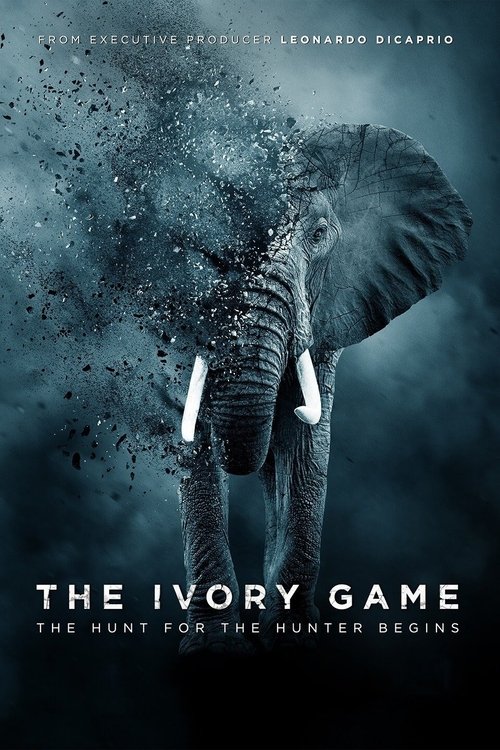
The Ivory Game2016
Combines wildlife filmmaking with on-the-ground activism, following people trying to stop poaching. Tense, well-crafted, and focused on actual change-makers rather than just tragedy.
But Sometimes dips into thriller conventions that feel slightly out of place in a nature doc.
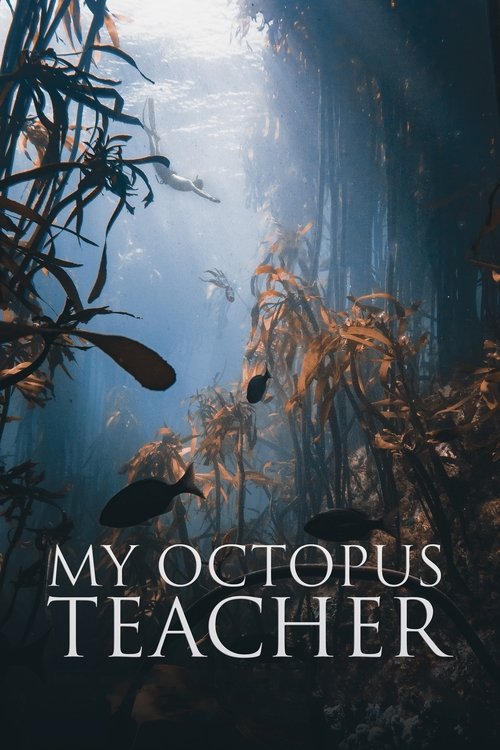
My Octopus Teacher2020
A filmmaker spends a year with one octopus in a kelp forest. Meditative and strange, it captures something almost spiritual about observation and connection.
But Very slow, very quiet. If you want narrative momentum or global ambition, this is the opposite—it's intimate and almost zen.
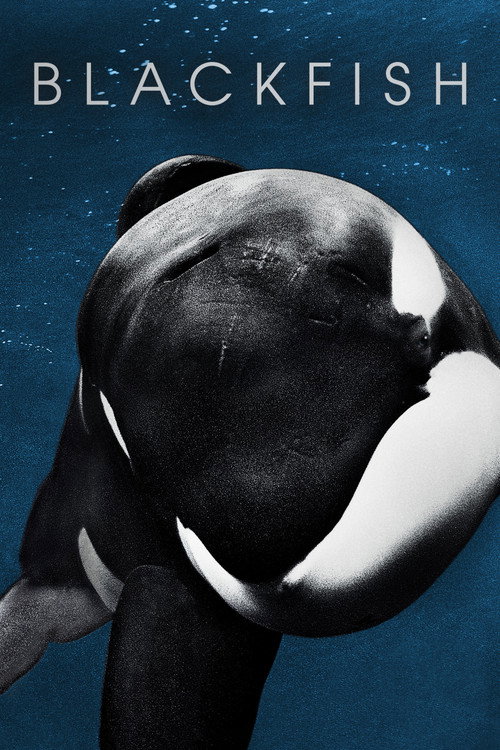
Blackfish2013
Documentary about orca intelligence and captivity. Powerful argument built through eyewitness testimony and footage, asks hard questions about how we treat nature.
But Potentially upsetting if you love marine parks, and the film has a clear agenda rather than neutral exploration.
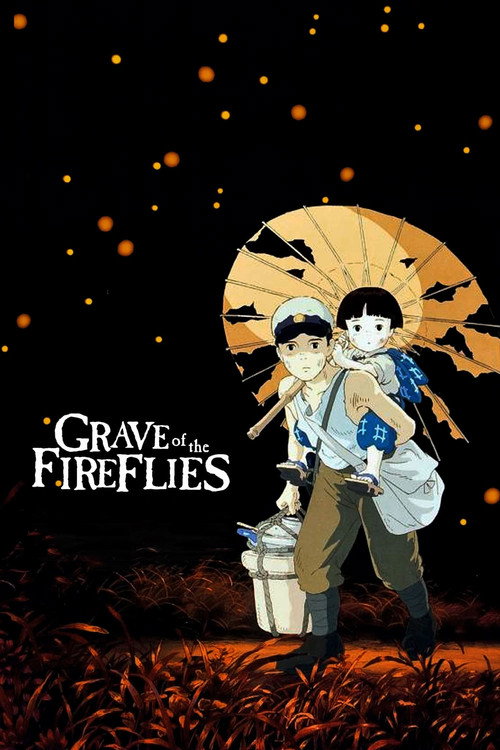
Grave of the Fireflies1988
The Year Earth Changed is hopeful because nature thrives without us. This animated tragedy suggests we owe nature more than our absence—that meaning comes from the struggle to protect it even when the world is burning.
Animated film about two children in wartime Japan. Devastatingly beautiful—a complete register shift from nature documentaries, but it asks the same question about what humanity owes to the living world, and whether we deserve it.
But Heartbreaking and unrelenting; not remotely escapist. The connection to lockdown documentaries is thematic rather than literal, and some find the sorrow unbearable.
People
Cast
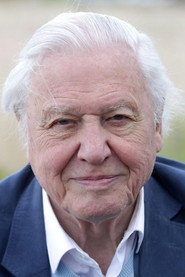 David AttenboroughSelf - Narrator (voice)
- Bhashkar BaraSelf - Villager
- Dulu BoraSelf - Conservationist
- Anshul ChopraSelf - Photographer
- Christine GabrieleSelf - Whale Researcher
- Meghna HazarikaSelf - Conservationist
- Russell MacLaughlinSelf - Wildlife Cameraman
- Salim MandelaSelf - Cheetah Researcher
- Janet NeilsonSelf - Whale Researcher
- Justin PerraultSelf - Turtle Researcher
- Suzie TeerlinkSelf - Whale Researcher
Directing
- Tom BeardDirector
Production
- Alice Keens-SoperExecutive Producer
- Mike GuntonExecutive Producer
- Alex GriffithsProducer