Television series
The Private Life of Plants
- Mystery
- Slow-burning
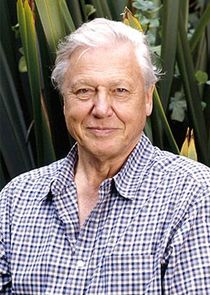
David Attenborough reveals the hidden dramas of plant life, using time-lapse and macro photography to show flowers fighting for light, roots competing for water, and seeds plotting their escape. It's mesmerising, patient television that finds genuine suspense in a tree's struggle to survive. For anyone who thought plants were boring background decoration.
If you liked this
Life2007
Planet Earth's sophisticated sibling, using the same cinematic scale and time-lapse magic to reveal animal behaviour as intricate as any thriller. Attenborough narrates with the same warm authority that made plants fascinating.
But Eleven episodes is a significant time investment, and some animal sequences lack the intimacy of watching a single organism's survival strategy unfold.
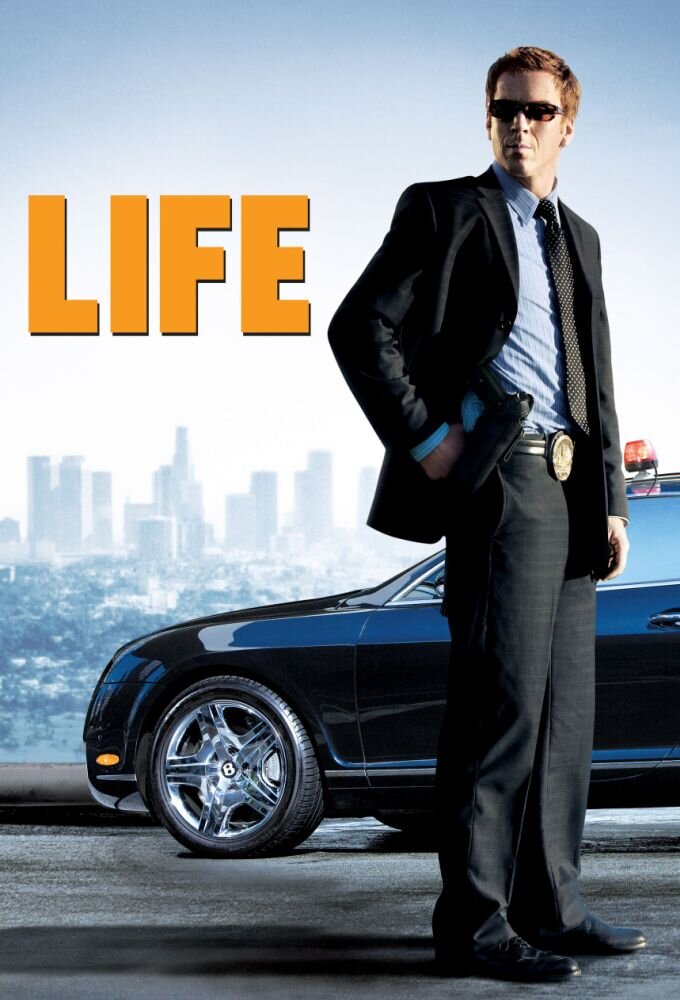
The Trials of Life: A Natural History of Behaviour1990
Attenborough's earlier masterpiece examining how animals solve the problems of existence: finding food, attracting mates, raising young. Same observational philosophy, different kingdom, equally hypnotic.
But The pacing is deliberately slow and contemplative—not a show for fidgeting or half-attention.
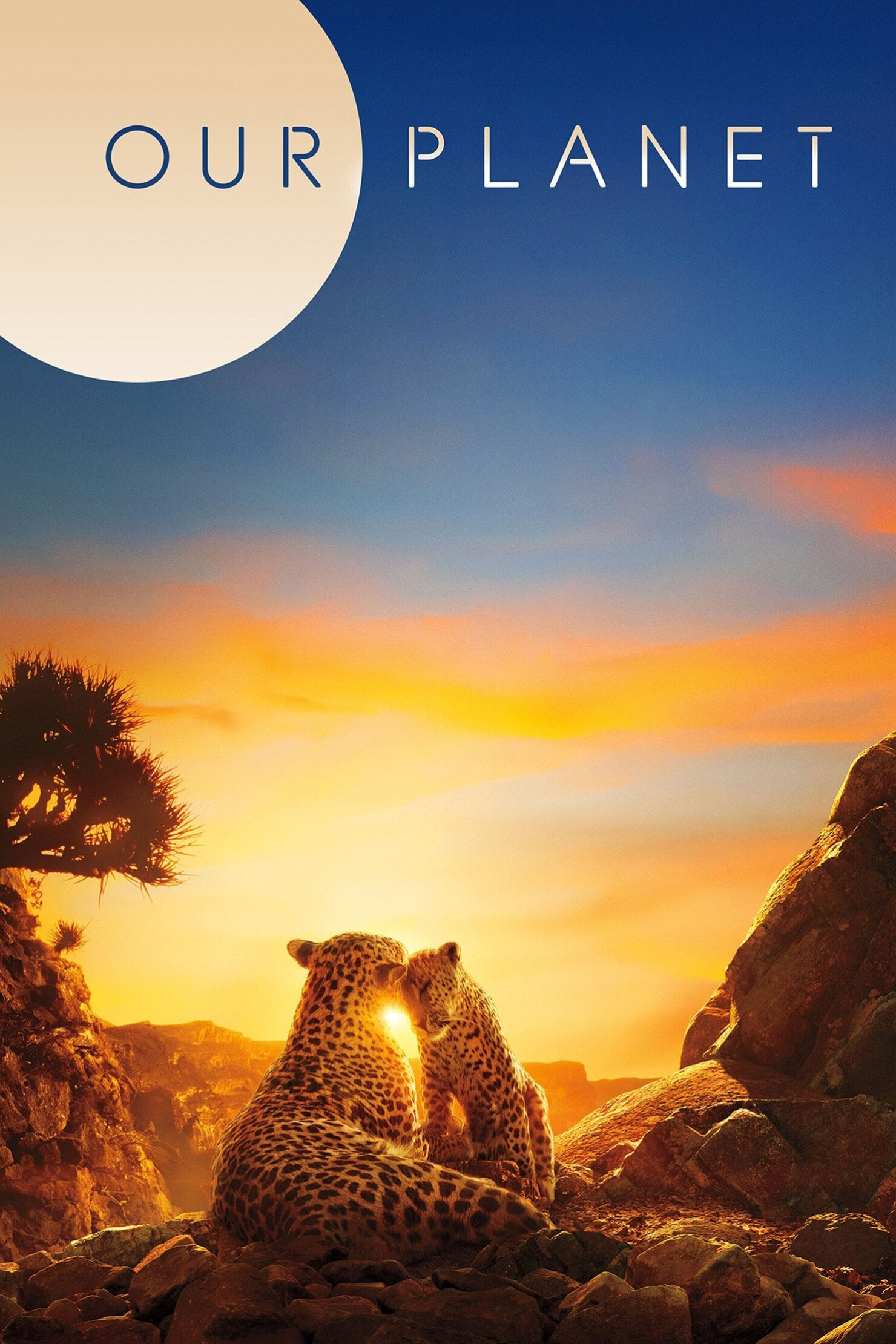
Our Planet2019
Sumptuous cinematography of ecosystems where plants and animals are shown as partners in survival, not separate stories. Modern production values, the same philosophical depth, genuinely urgent stakes.
But The climate crisis elements can feel heavy-handed, and the Netflix sheen is very different from BBC natural history's measured tone.
Not sure tonight? Get a pick in a minute, starting from The Private Life of Plants
The wildcard
Something you would not have found on your own.
Synecdoche, New York2008
Both are about watching the tiny dramas of growth and decay unfold at a scale we normally ignore. One uses time-lapse on ferns; the other uses narrative on ambition. Both suggest that if you look long enough at something, it becomes a story of survival.
Charlie Kaufman's film about creation and control: a director builds a city-sized replica of New York inside a warehouse to capture life's complexity, only to have it spiral from his grip. Like watching a mind colonise reality. Utterly strange.
But It's deliberately confusing, self-involved, and depressing. The metaphors are explicit and sometimes suffocating. Not for anyone seeking comfort or clarity.

More like this (6)
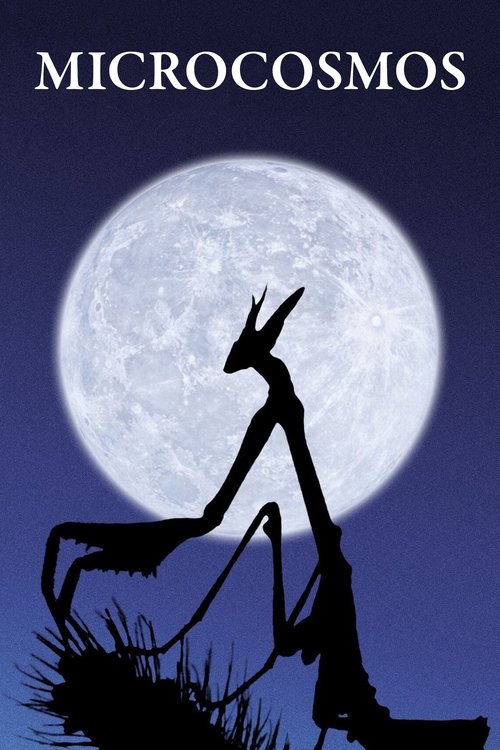
Microcosmos1996
A French film that does for insects what Private Life does for plants: reveals an entire world thriving in the grass beneath our feet, with no narration, just Vivaldi and wonder. Pure cinema.
But The lack of commentary means you're free to project meaning—some find that liberating, others find it frustratingly vague about what they're actually watching.
Catfish: The TV Show2012
Norwegian television's radical idea of real-time viewing applied to a journey—it shares Private Life's faith that slowing down reveals hidden beauty. Hypnotic in the same way.
But If you want narrative momentum or conventional drama, this is the opposite experience entirely.

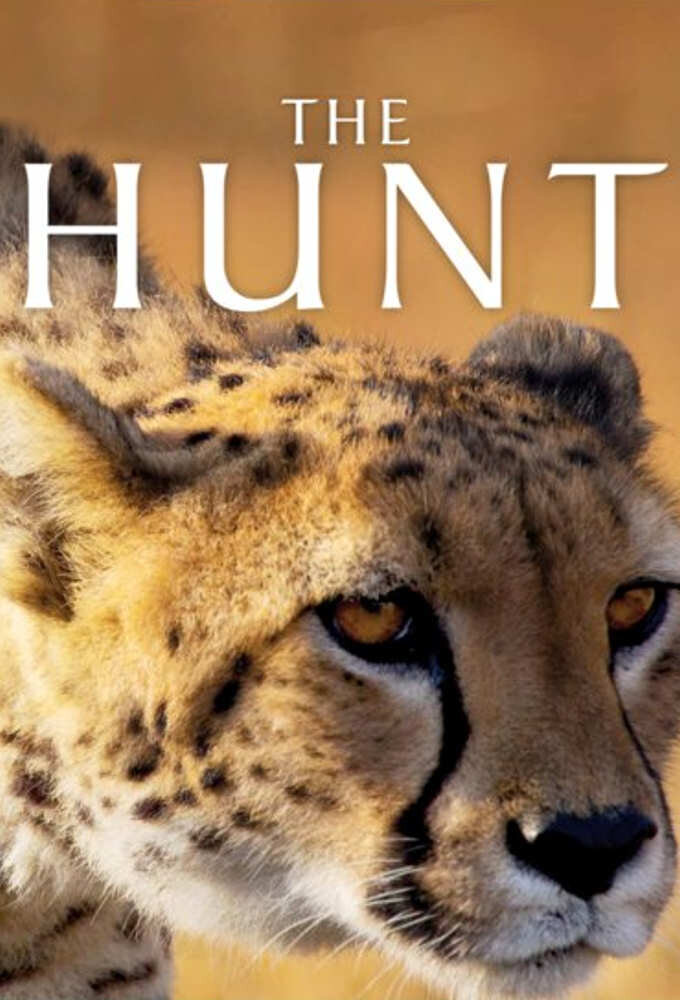
The Hunt2015
Six episodes of predator-prey relationships filmed with extraordinary intimacy. Attenborough again, same patient observation, but the tension is more overt—every chase matters life-or-death.
But Watching predation succeed repeatedly can feel relentlessly grim, especially if you prefer the gentler mood of botanical observation.
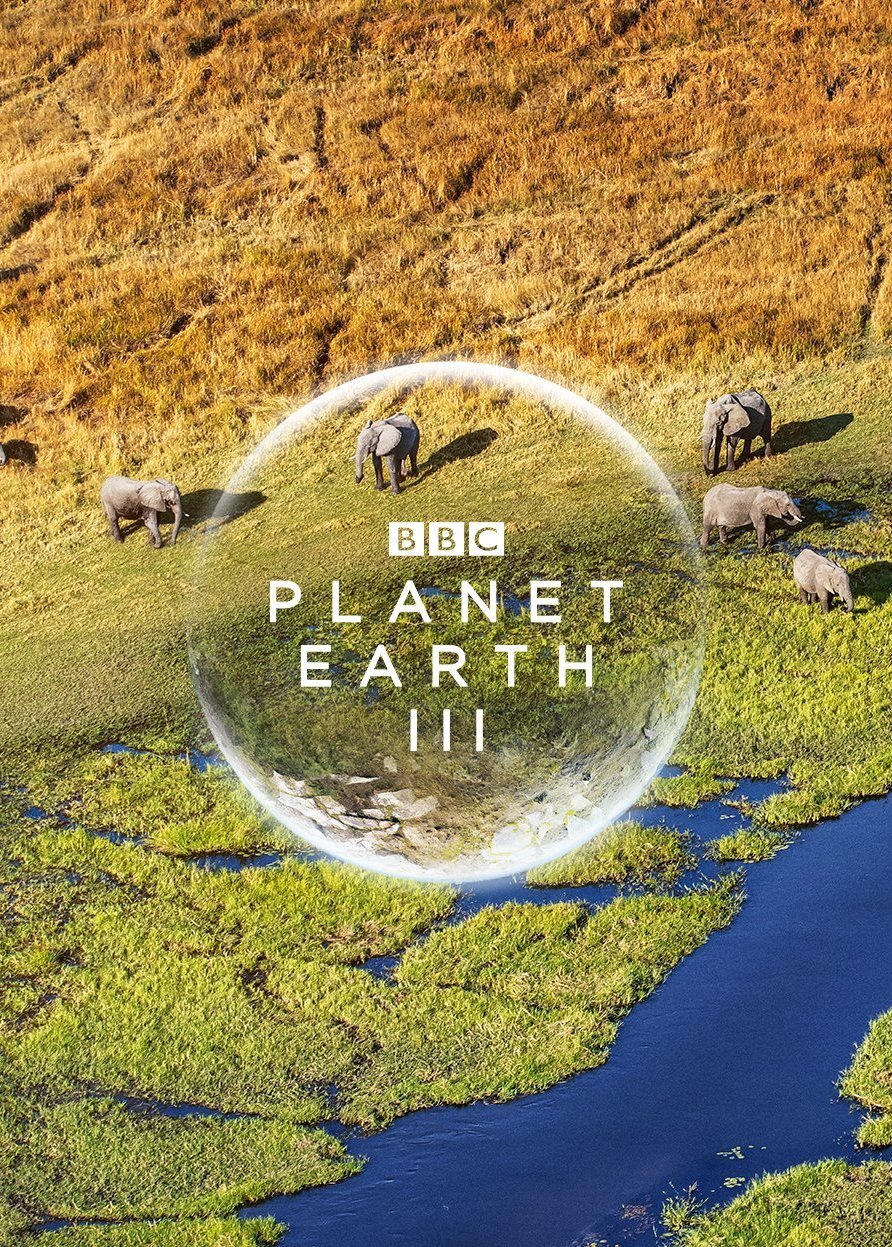
Planet Earth III2023
The latest planetary survey, shot in ways previous BBC nature docs couldn't manage. More accessible than Private Life, but carrying the same reverence for the ordinary drama of survival.
But Sometimes it feels like it's been cut for younger audiences, losing some of the contemplative silence that made earlier Attenborough documentaries transcendent.
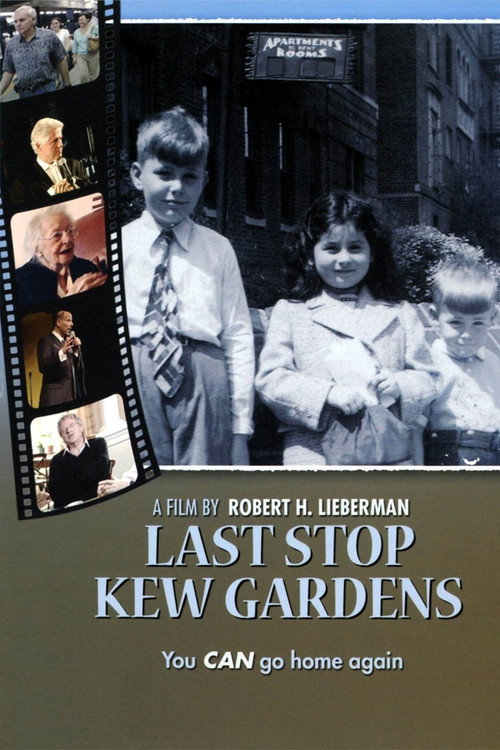
Last Stop Kew Gardens2006
Where Attenborough shows plants fighting and growing, Woolf's vision treats them as witnesses and mirrors to human emotion. Same garden, two languages—one scientific, one literary. Both remind you that plants are not scenery.
Virginia Woolf's short story adapted into a radiant 25-minute film: a day in an English garden told through the consciousness of plants and the fractured thoughts of visitors passing through. Impressionistic, poetic, alive.
But There's almost no plot, no dialogue for stretches, and it requires active imaginative participation. Feels more like a mood than a narrative.
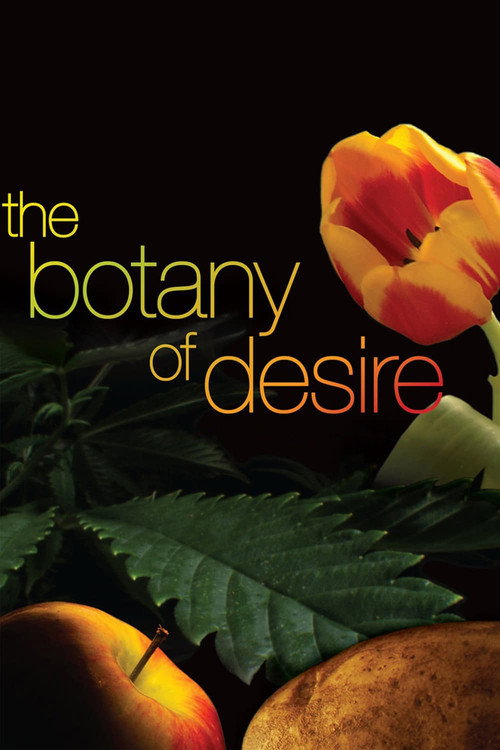
The Botany of Desire2009
Both films ask you to see plants as active agents rather than passive scenery. Attenborough shows their struggles; Pollan shows their seductions. Complementary visions of the same hidden agency.
A documentary (and Michael Pollan essay adapted) that inverts the question: not 'how do plants survive?' but 'how have four plants—apple, tulip, cannabis, potato—shaped human desire and history?' Clever, gorgeous, genuinely subversive.
But The cannabis section still raises eyebrows with some viewers, and the argument that plants have 'desires' is presented more as polemic than proof.