
Film
Last Stop Kew Gardens
- Mystery
- Slow-burning
A 2006 documentary exploring why an elementary school in Queens produced an outsized number of successful entertainers, artists, and intellectuals. It's a warmhearted investigation into a singular moment in American education, asking what combination of place, pedagogy, and luck created such abundance. For anyone curious about how talent gets spotted and nurtured.
If you liked this
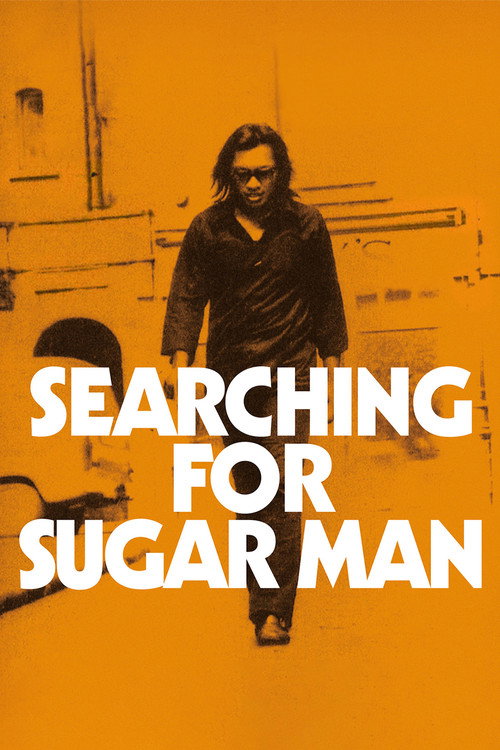
Searching for Sugar Man2012
A documentary mystery about a forgotten musician that expands into something larger about obscurity, legacy, and the gap between artistic worth and commercial success. It shares that same sense of wonder at how certain people got found.
But The central reveal, while moving, is relatively contained. If you're looking for sprawling institutional critique, this is more intimate and personal than systemic.
The Class2008
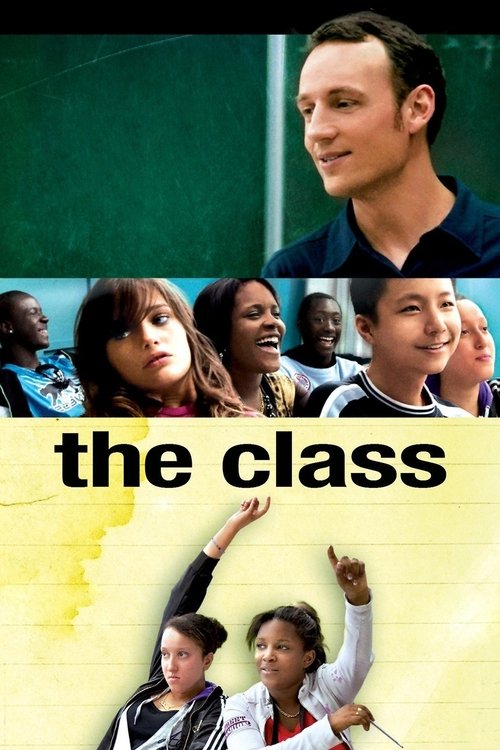
A French film about a year in a diverse elementary school classroom in Paris. It's a portrait of education itself—how teachers shape young minds, how children learn who they are through each other. The same question as Kew Gardens, asked differently.
But It's deliberately unglamorous and has long stretches where nothing dramatic happens. The beauty is in observation, not narrative momentum.
Hoop Dreams1994
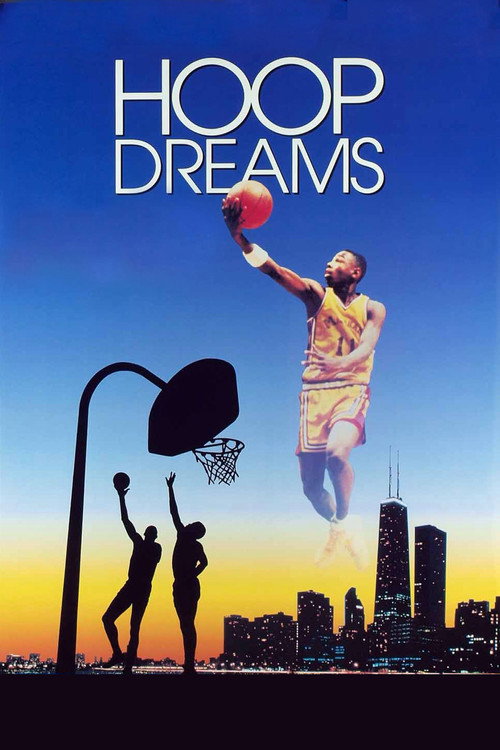
A landmark documentary following two basketball-playing boys over five years, examining talent, opportunity, race, and how institutions either nurture or exploit young promise. It asks the same question Kew Gardens does: what determines who rises?
But It's long (three hours) and sometimes painful. The story doesn't resolve neatly because real life doesn't either.
Not sure tonight? Get a pick in a minute, starting from Last Stop Kew Gardens
The wildcard
Something you would not have found on your own.
Singin' in the Rain1952
Both are love letters to a specific place and era where human potential seemed to flourish. Kew Gardens looks back and asks why; this film imagines what it felt like to be there.
A musical about artists in Hollywood during the transition to sound cinema, celebrating the sheer joy of making something beautiful with other talented people. Like Kew Gardens, it's about the thrill of a moment when everything lines up—the right people, the right time, the right resources.
But If you're expecting documentary realism, you'll get Technicolor fantasy instead. It's not about how talent survives; it's about talent exulting.

More like this (7)
My Architect: A Son's Journey2003
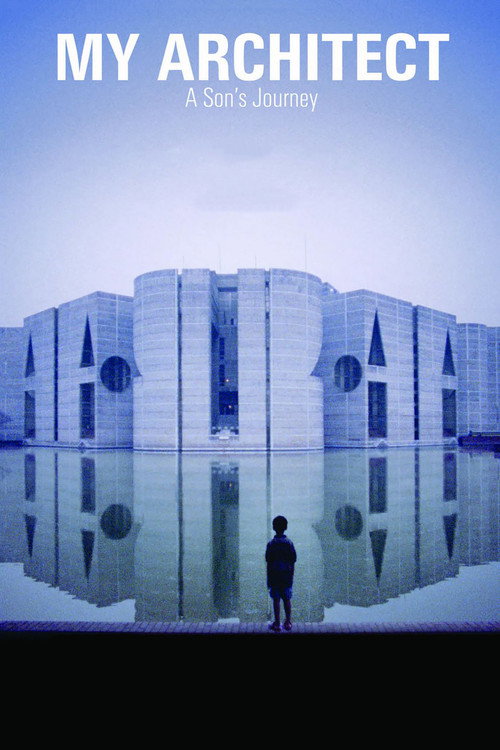
Nathaniel Kahn investigates his father Louis Kahn's life and work after learning his dad had a secret second family. It's part biography, part architectural tour, part reckoning with how talent and legacy persist across generations.
But It's as much about the director's own emotional journey as about Kahn himself. If you want clean biographical facts, this gets messier and more subjective.
Won't You Be My Neighbor?2018
A documentary about Fred Rogers and the creation of Mr. Rogers' Neighborhood. It's fundamentally about one man's belief that children deserve beauty, intelligence, and respect—and how he built an institution around that conviction.
But It can feel reverential to the point of hagiography. There's very little critical distance or acknowledgment of what Rogers might have gotten wrong.

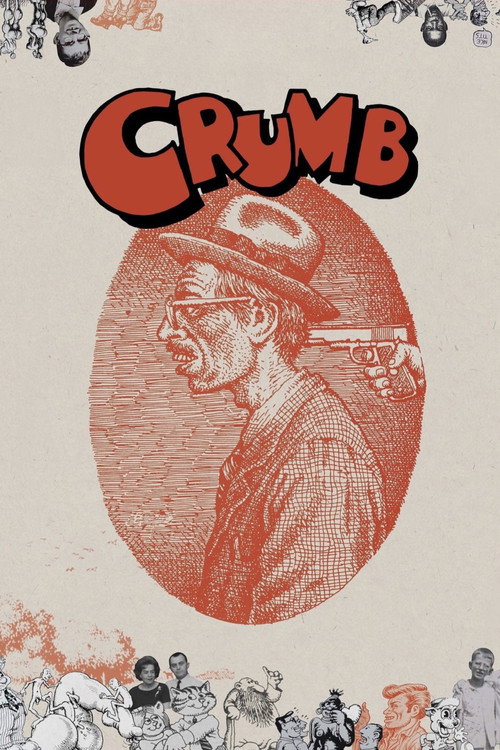
Crumb1995
Terry Zwigoff's portrait of cartoonist Robert Crumb, examining how a singular creative vision emerges from a troubled family. It's a deep excavation of artistic personality and the places genius comes from.
But Crumb himself is prickly and sometimes misogynistic. The film doesn't redeem him; it just documents him, which some find exhausting.
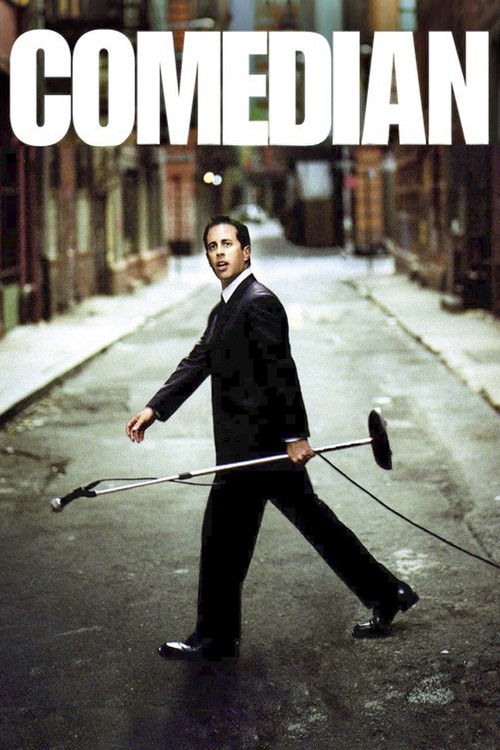
Comedian2002
Jerry Seinfeld (who appears in your documentary) follows Orny Adams as a young comic trying to break into stand-up. It's a close look at how a comedic voice develops through repetition, failure, and small rooms.
But It's a narrow portrait of one struggling artist. The film doesn't widen out into larger questions about comedy or culture.
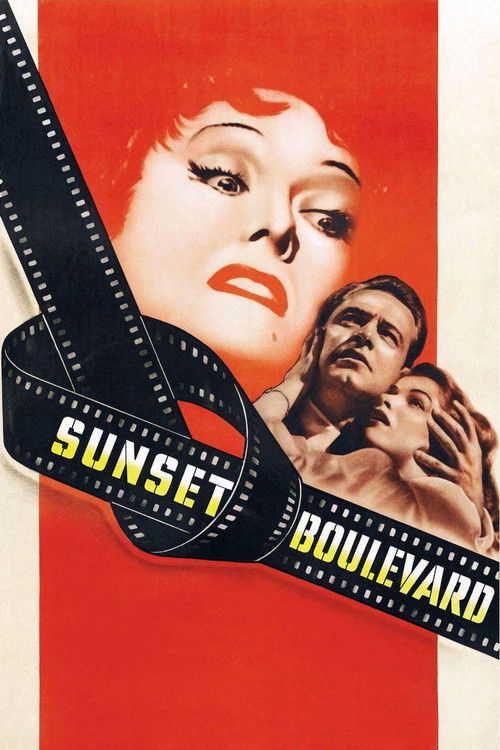
Sunset Boulevard1950
Billy Wilder's masterpiece about a failed silent-film actress and the writer who becomes entangled in her delusions. It's a dark meditation on talent, fame, and what happens to people when the spotlight moves on.
But It's noir and cynical. If you're looking for something celebrating the generosity of artistic communities, this is the opposite—a cautionary tale about decay and illusion.
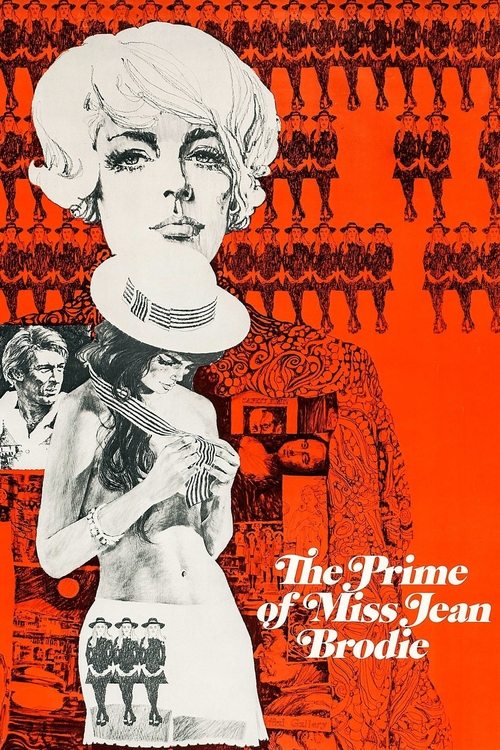
The Prime of Miss Jean Brodie1969
Both examine the alchemy of a teacher creating an environment where students blossom. This one asks the darker question: what responsibility does an educator bear for the lives they shape?
Maggie Smith plays an idiosyncratic teacher who inspires her young students—but also manipulates them. It's a gorgeous, unsettling portrait of educational charisma and how a single adult can reshape how young people see themselves.
But It's ambiguous about whether Jean Brodie is a hero or a villain. The film doesn't let you settle comfortably into admiration.
Moonlight2016
Both ask how certain people become themselves. Where Kew Gardens celebrates institutional success, this explores how individuals survive and are remade through connection—often despite institutions, not because of them.
A three-act portrait of a Black man's life from boyhood to adulthood, told in a lyrical, non-linear way. It's about how small moments of kindness and attention from mentors—a drug dealer, a friend, a teacher—quietly shape who we become.
But There's no plot arc or resolution. It's meditative and slow, asking you to find meaning in texture and gesture rather than story.

People
Cast
 Joshua BrandSelf
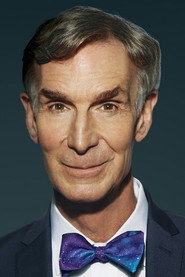 Bill NyeSelf
 Jerry SpringerSelf
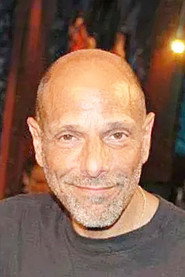 Robert SchimmelSelf
Directing
- Robert H. LiebermanDirector
Writing
- Robert H. LiebermanWriter