
Television series
Africa: Earth's Wild Home
A four-year natural history epic across 30 African nations, narrated by Wunmi Mosaku. Africa: Earth's Wild Home balances stunning wildlife cinematography with on-the-ground conservation work, showing both the continent's raw beauty and the urgent battles to protect it. For anyone who loves nature documentaries with purpose.
Should you watch it?
Watch it if you love patient, wide-angle natural history where the camera lingers on animal behaviour and the people protecting it, and you don't mind a documentary that trades plot for scale.
Skip it if you want a single animal's story with a clear arc, since this is a broad tour that moves from place to place rather than following one thread.
What it asks of you: Roughly an hour in total across seven short parts, so it is easy to fit in, but it wants slow looking and patience with long stretches of open landscape.
Not sure? Find tonight's pick in a minute.
If you liked this
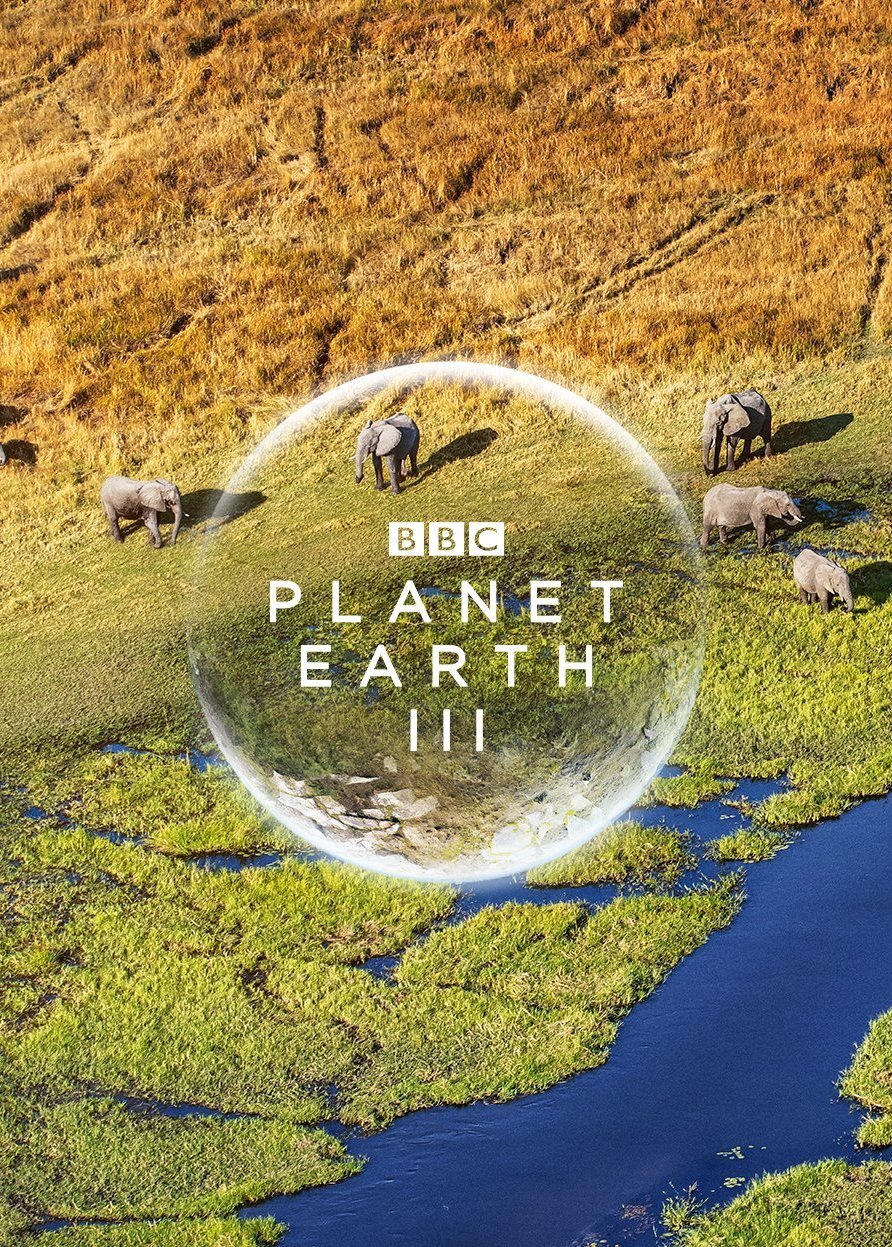
Planet Earth III2023
David Attenborough's latest uses cutting-edge camera technology to reveal animal behaviour never before filmed. The production values are staggering and the storytelling is genuinely moving without being manipulative.
But If you've seen the previous Planet Earth series, the formula—stunning shots, dramatic music, gentle wisdom—remains largely unchanged. Some find it emotionally exhausting.
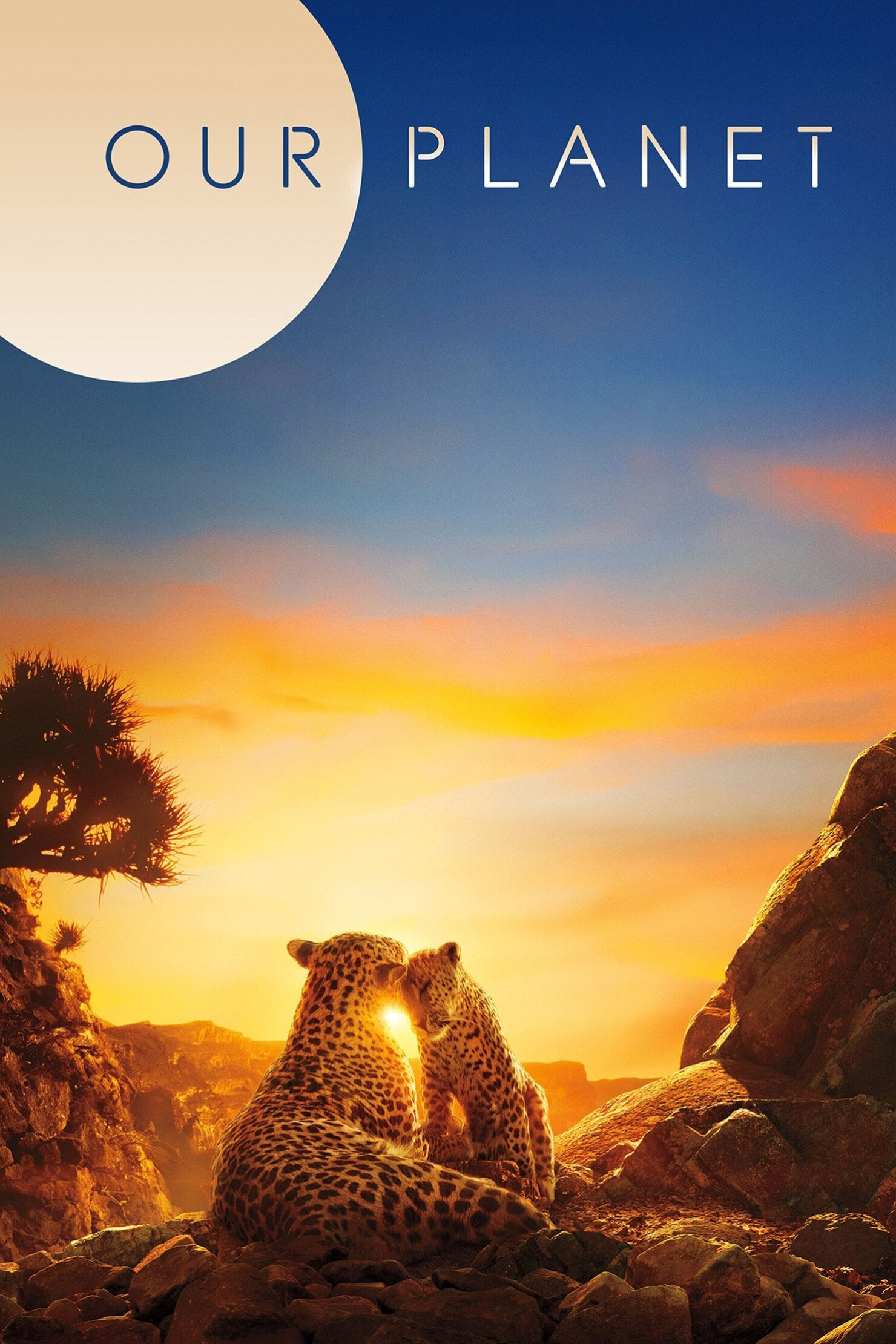
Our Planet2019
David Attenborough guides you through eight ecosystems with the same scale and intimacy as Africa: Earth's Wild Home. It's visually gorgeous and deeply concerned with conservation and human impact.
But The climate anxiety is relentless. It's designed to move you toward action, which some find manipulative or too heavy for casual viewing.
Life2007
Ten episodes of BBC natural history at its absolute peak: inventive storytelling, extraordinary access to animal behaviour, and David Attenborough's voice doing what it does best. Holds up beautifully.
But Slightly slower pacing than modern documentaries. Some sequences, while brilliant, linger longer than current streaming audiences expect.

Not sure tonight? Get a pick in a minute, starting from Africa: Earth's Wild Home
The wildcard
Something you would not have found on your own.
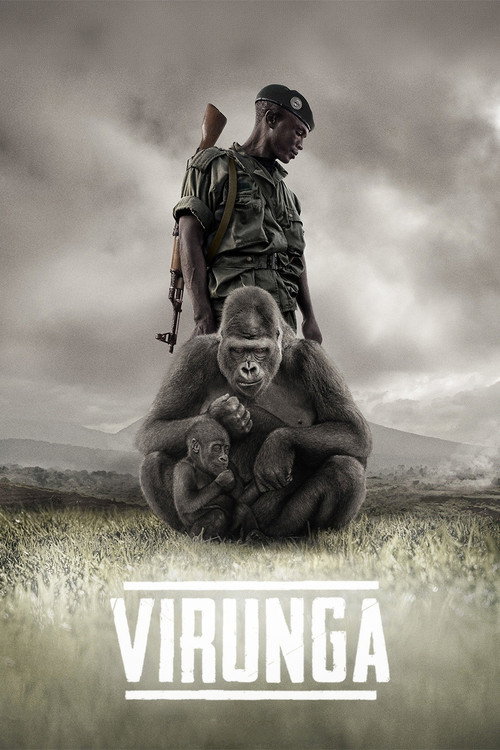
Virunga2014
Both centre conservation as the story, not just the backdrop. Both show Africa's wild places through the eyes of people fighting to keep them alive, not just cameras documenting from a distance.
A documentary about rangers protecting mountain gorillas in the Democratic Republic of Congo, but it's structured like a thriller with real danger and real stakes. Combines stunning wildlife footage with on-the-ground conservation drama that feels urgent and human.
But Political complexity and genuine violence—people die. It's less about the beauty of nature and more about the cost of protecting it. Not an escape; it's a reckoning.
More like this (7)
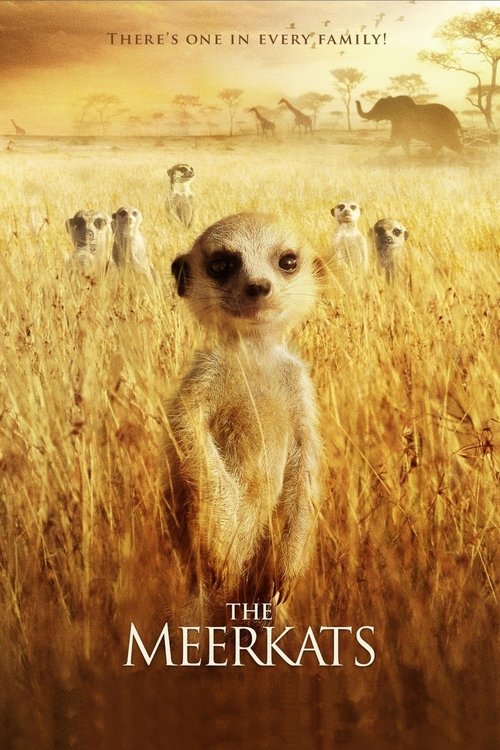
The Meerkats2008
A feature-length dive into one meerkat family across a year in the Kalahari. Intimate, funny, genuinely suspenseful. Proves you don't need a continent to tell a gripping story.
But Narrower focus than you might want. If you need epic scale and variety, this feels small by comparison.
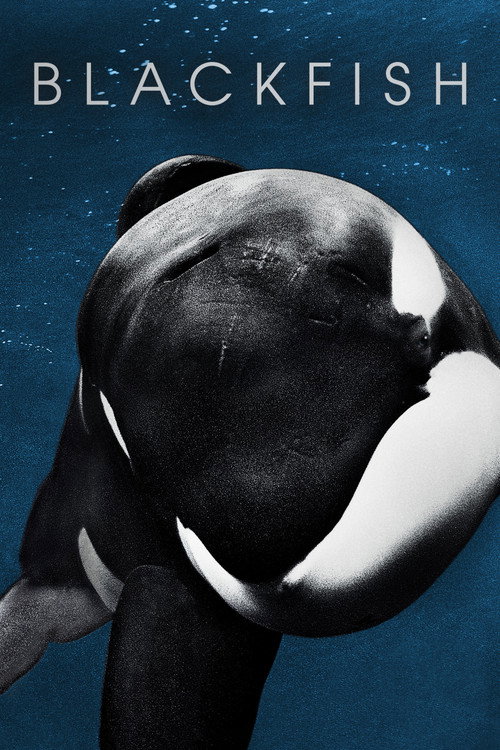
Blackfish2013
Conservation documentary with real narrative momentum. It investigates captive orcas with the pacing of a thriller, combining stunning footage with investigative journalism that actually changes minds.
But Darker and angrier than Africa: Earth's Wild Home. Less about wonder, more about what we've done wrong. Some find it deliberately inflammatory.
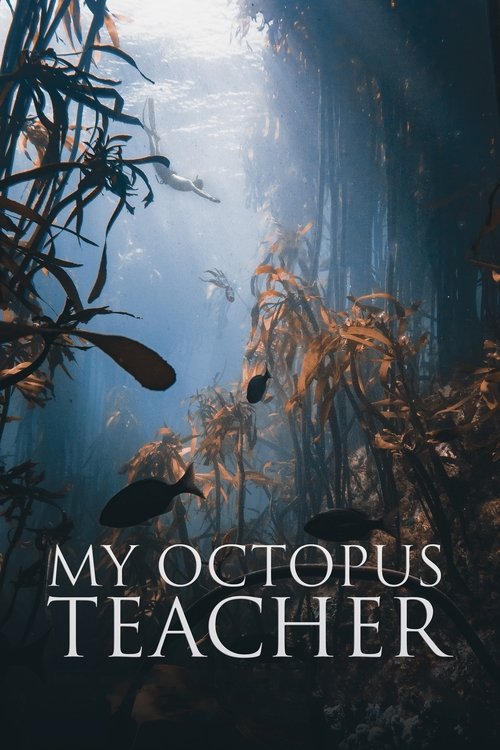
My Octopus Teacher2020
A filmmaker spends a year with one octopus in a South African kelp forest. Meditative, surprising, and genuinely philosophical about connection and the non-human world. Smaller in scope but immense in feeling.
But Very slow and personal rather than epic. If you want scale and variety across multiple species, this intimate approach might feel limiting.
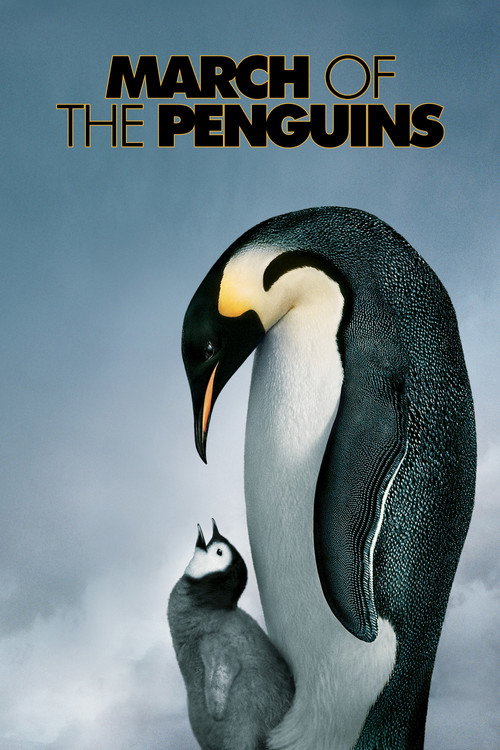
March of the Penguins2005
A single-species journey across an entire breeding cycle. The cinematography in Antarctica is breathtaking, and watching emperor penguins survive is genuinely thrilling without being sensationalized.
But The Morgan Freeman narration feels dated now. It's a bit more sentimental than modern documentaries, which some find cloying.
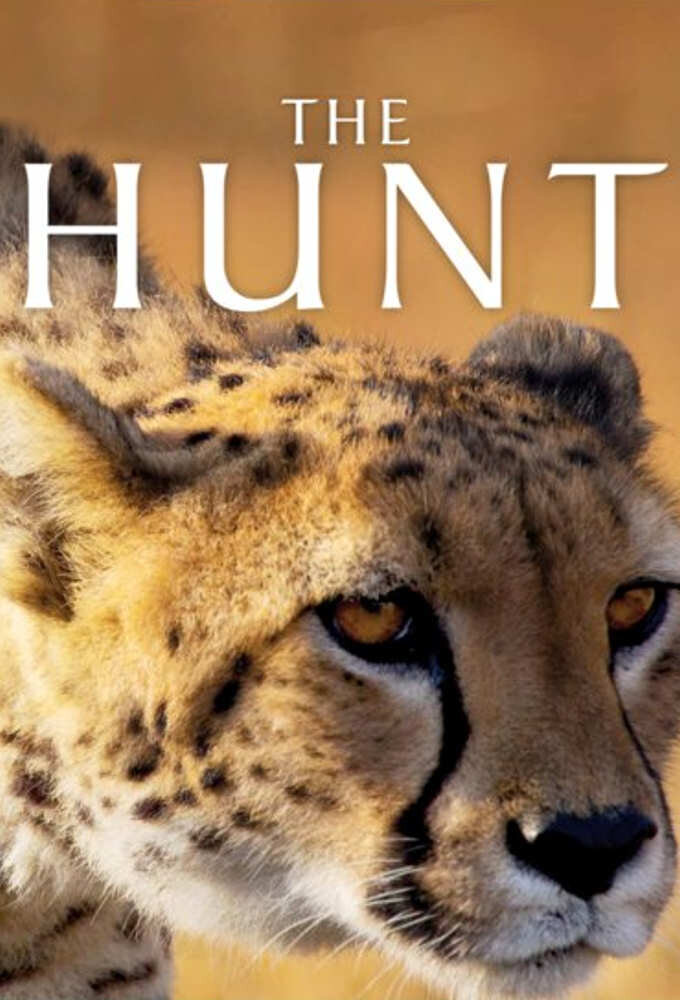
The Hunt2015
BBC's answer to Planet Earth but focused purely on predator-prey dynamics. The cinematography is extraordinary and the behaviour sequences are genuinely novel—things you've never seen filmed before.
But Relentlessly focused on killing and survival. Beautiful but grim. If you want hope and conservation work alongside the wildlife, this is pure nature red in tooth and claw.
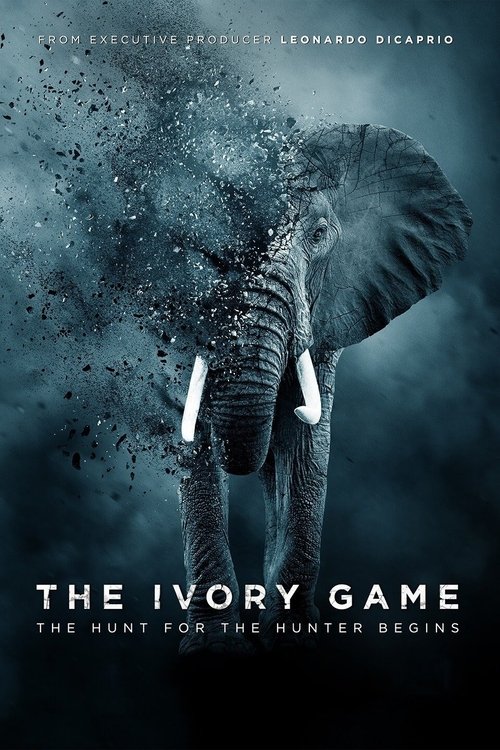
The Ivory Game2016
Same geographical sweep, same commitment to showing the people and systems behind conservation, but the drama is human conflict rather than wildlife behaviour.
Follows conservationists, ivory traders, and rangers across multiple African countries in real time as they try to stop elephant poaching. Genuinely suspenseful, morally complex, and filled with characters you come to care about.
But More geopolitical thriller than nature documentary. If you're watching for the animals themselves rather than the human fight to save them, the focus will feel frustrating.
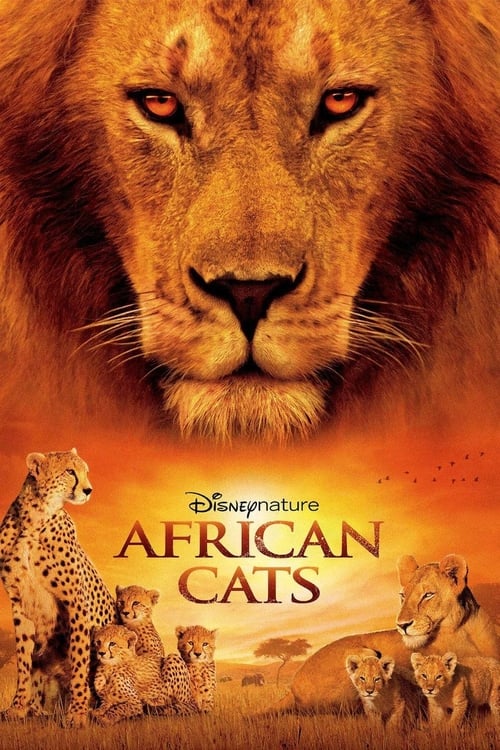
African Cats2011
Wunmi Mosaku's narration style (warm, emotionally present, humanizing without being false) feels like the descendant of this approach—bringing viewers close to individual animals and their dramas rather than treating them as ecosystem components.
Two years following lion and cheetah families in the Serengeti and Masai Mara—less a comprehensive survey and more a deep narrative focus. Stunning action photography of predation and survival, with real emotional stakes for individual animals.
But Highly anthropomorphized. Disney's version of African wildlife is beautiful but occasionally editorializes emotions onto behaviour. Some nature purists find this intellectually lazy.
People
Cast
 Wunmi MosakuNarrator