
Film
Deep Blue
Deep Blue is an 83-minute cinematic love letter to Earth's oceans. Stunning underwater cinematography captures creatures from the surface to the abyss, narrated with warmth and wonder. It's a visual feast that moves like a thriller—predator chases, migrations, symbiosis—rather than a classroom lecture. For anyone who finds the ocean magnificent or terrifying or both.
If you liked this
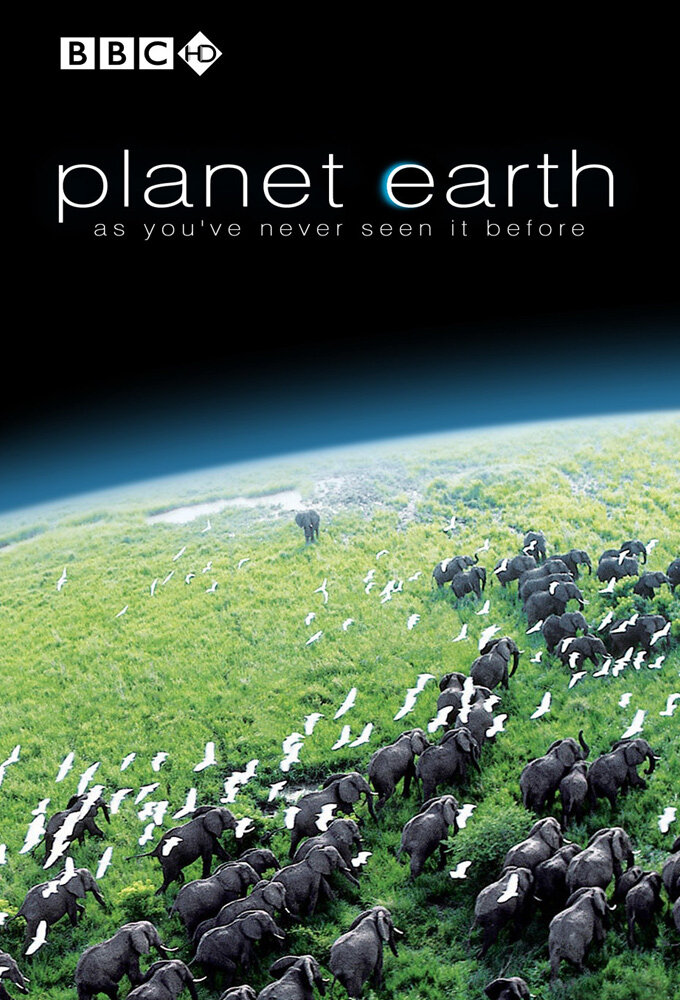
Planet Earth2006
A BBC phenomenon that sets the gold standard for nature documentary scope and ambition. If you loved Deep Blue's immersive cinematography and epic scale, this extends that philosophy across every terrestrial ecosystem with even more jaw-dropping access.
But It's eleven episodes, not eighty minutes. The commitment required is real, and pacing occasionally dips when exploring less charismatic biomes.
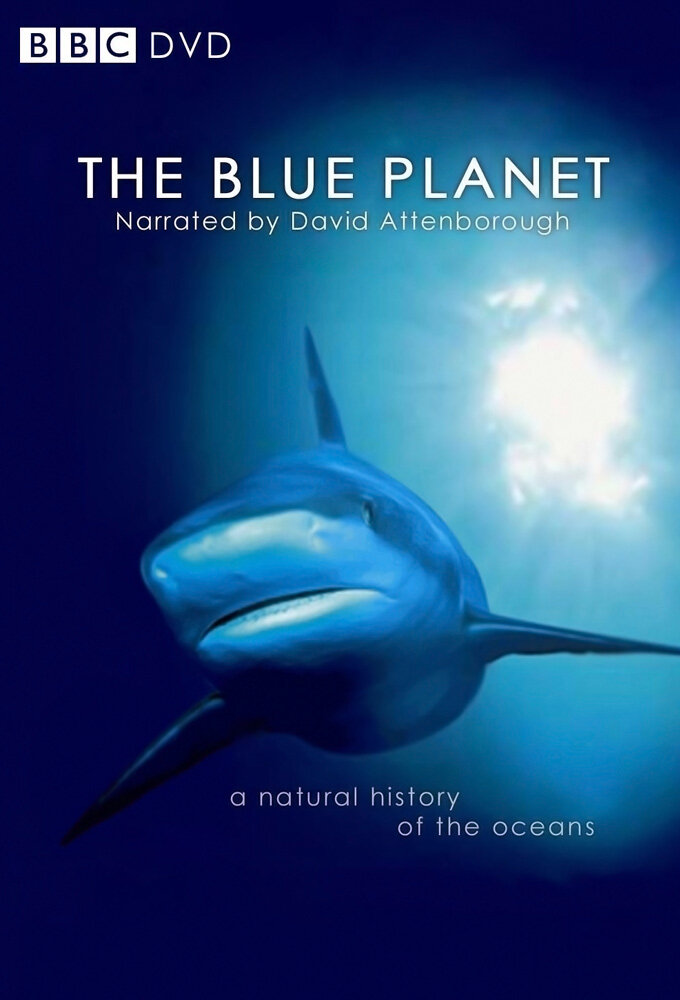
The Blue Planet2001
Deep Blue's closest cousin—a BBC series that shares its obsession with ocean life but gives each ecosystem an entire episode. More intimate, more detailed, and the same narration philosophy that makes Deep Blue so watchable.
But Predates Deep Blue's cinematographic innovations, so the image quality feels noticeably softer. Some sequences can feel slow compared to Deep Blue's edited highlights.
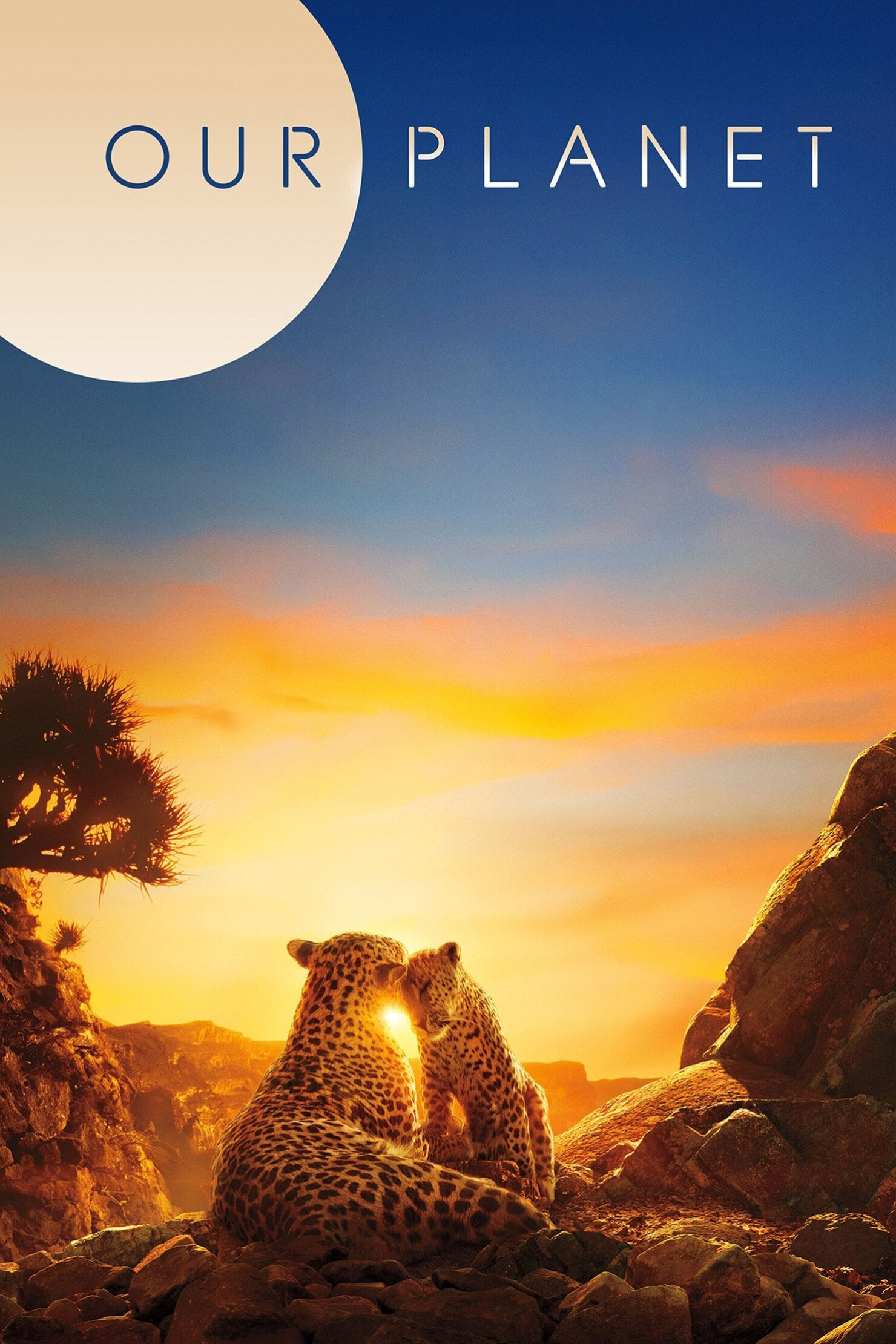
Our Planet2019
Modern nature documentary that learned everything from Deep Blue about how to make the ocean visually overwhelming. Broader scope, current environmental angle, and production values that justify every frame. Narratively it's gentler but visually it's transcendent.
But The climate crisis thread running through it can feel heavy-handed. If you want pure spectacle without the sermon, this preaches more than Deep Blue does.
Not sure tonight? Get a pick in a minute, starting from Deep Blue
The wildcard
Something you would not have found on your own.
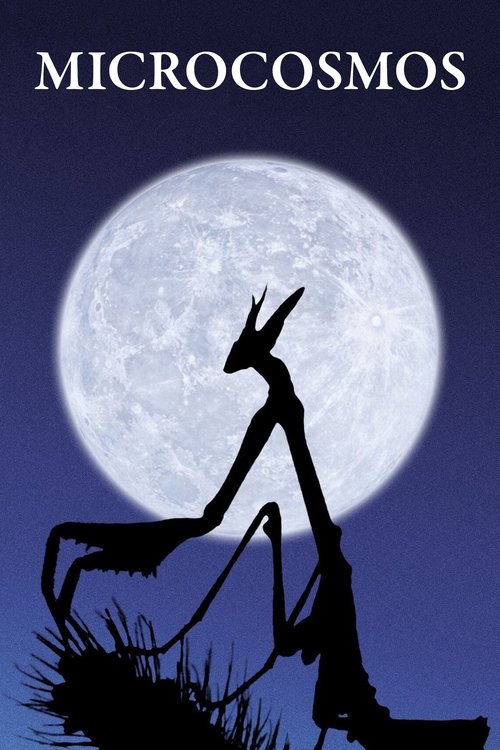
Microcosmos1996
Both treat the alien as utterly beautiful—Deep Blue looks at the abyss the way Microcosmos looks at the insect world. Both use close cinematography to make the unfamiliar feel intimate. Both are pure visual storytelling with minimal dialogue.
A French documentary that applies Deep Blue's cinematic approach to insects—the same sense of wonder, the same epic scope, but inverted downward into a realm of strangeness that's equally alien. Macro photography becomes landscape cinematography. Mesmerizing, sometimes unsettling, scored rather than narrated.
But No narration at all, which is a radical departure. The abstraction can feel pretentious, and the insect focus will unsettle anyone who finds them inherently creepy.
More like this (7)
Life2007
Another BBC masterpiece that shares Deep Blue's gift for turning animal behavior into cinematic drama. Eleven episodes of evolution, survival, and predation told with the same narrative flair that makes Deep Blue feel like an adventure rather than a lecture.
But Terrestrial focus means if oceans are specifically what grabbed you, you're in different habitat. And again, it's a series commitment rather than a quick watch.
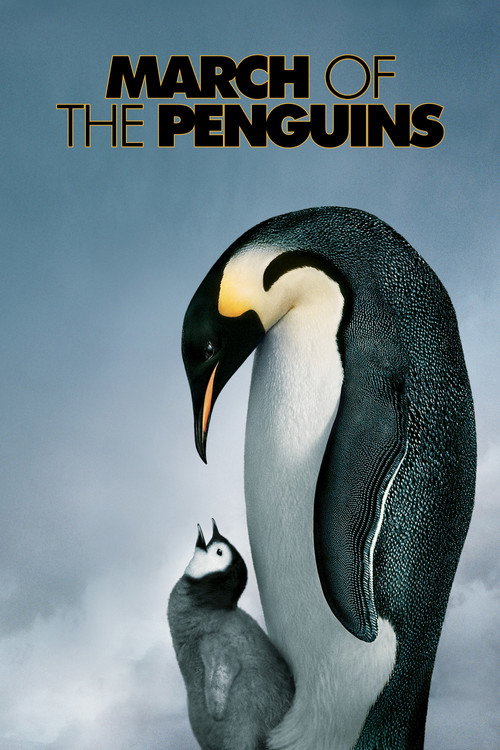
March of the Penguins2005
A feature-length documentary with Deep Blue's sense of stakes and survival. The penguin migration is told as genuine tragedy and triumph, with Morgan Freeman narration that gives weight to every frame. Emotionally grounded in ways that feel earned.
But Focused and narrow—just one species, one journey. If you wanted the ocean's full spectrum of life, this will feel claustrophobic by comparison.
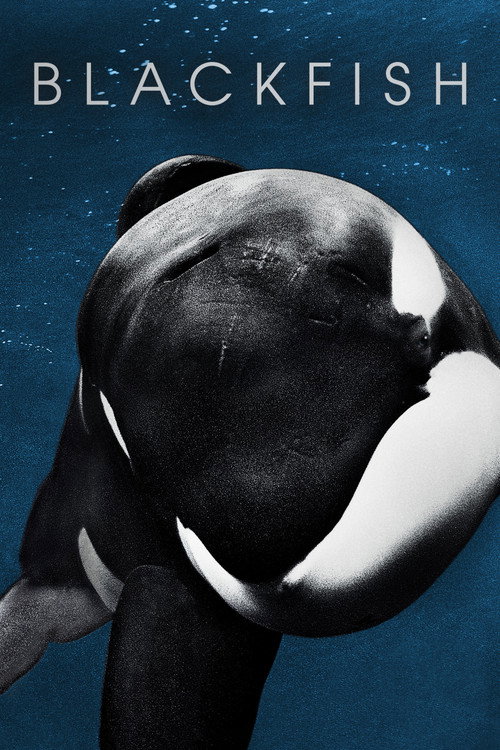
Blackfish2013
A documentary that weaponizes footage of orcas to tell an urgent story about captivity and intelligence. Where Deep Blue celebrates the ocean as spectacle, this forces you to reckon with what those creatures actually are. Morally serious in a way that reframes the whole medium.
But It's an argument, not a celebration. The film has a clear activist agenda that some find heavy-handed. Less about wonder, more about indictment.
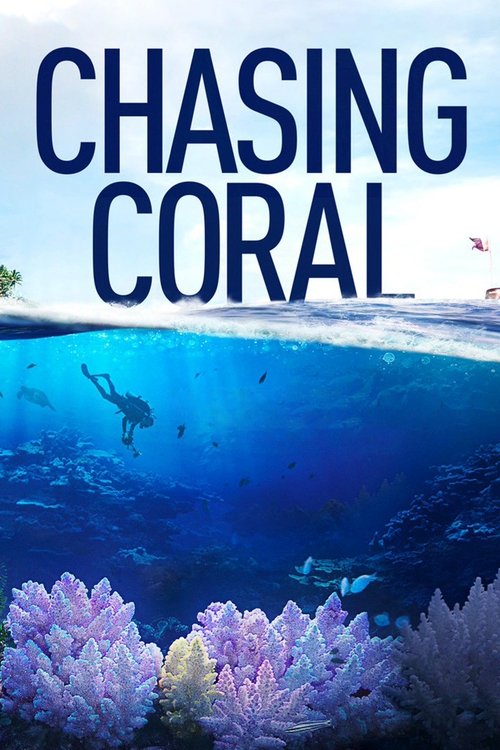
Chasing Coral2017
A documentary crew films coral bleaching in real time, turning environmental catastrophe into visual narrative. Uses the same cinematographic language as Deep Blue but points it at something tragic. If you want to understand what you're looking at in Deep Blue, this explains the stakes.
But Deliberately depressing. The beauty is freighted with loss. It's not a comfortable watch, and some will find the environmental messaging overbearing.
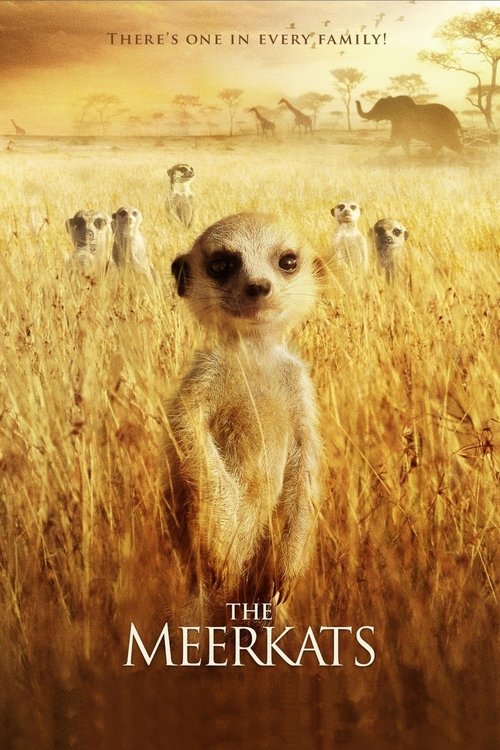
The Meerkats2008
A BBC feature with the same narrative structure as Deep Blue—following a family through their year, with real stakes and genuine drama. Smaller scale but same emotional intelligence. Proof that BBC's documentary formula works for any creature, anywhere.
But Land-based, so if specifically oceanic wonder is what you're after, this is a lateral move. Also lighter and less cinematic than Deep Blue's production values.
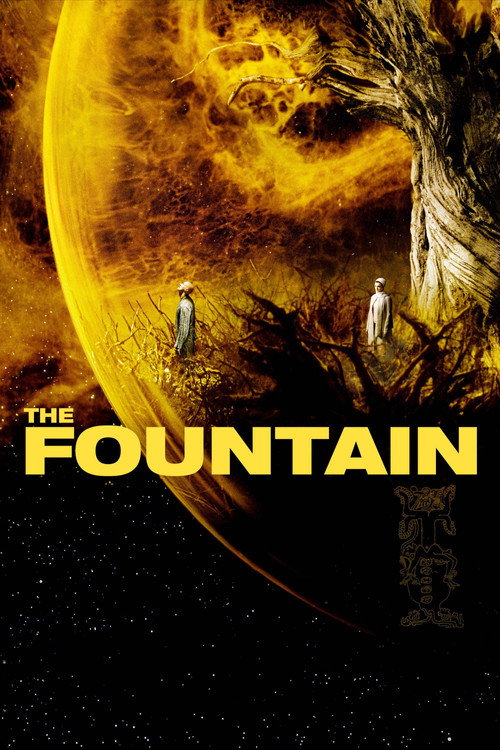
The Fountain2006
Both are cinematic experiences built on the visual language of beauty and time. Deep Blue lets you float in wonder; The Fountain drowns you in it. Both treat water as the primary subject, not merely backdrop.
Not a documentary, but a three-timeline narrative film about death and water and love, shot with practical effects and a visual palette that's somehow both natural and operatic. If you respond to Deep Blue's sense of scale and luminescence, Aronofsky's control of image and time might absolutely destroy you.
But Structurally confusing until the third viewing, potentially pretentious, and emotionally demanding in ways pure spectacle isn't. Some find it incomprehensible. Also: not the ocean as you know it, but as myth.
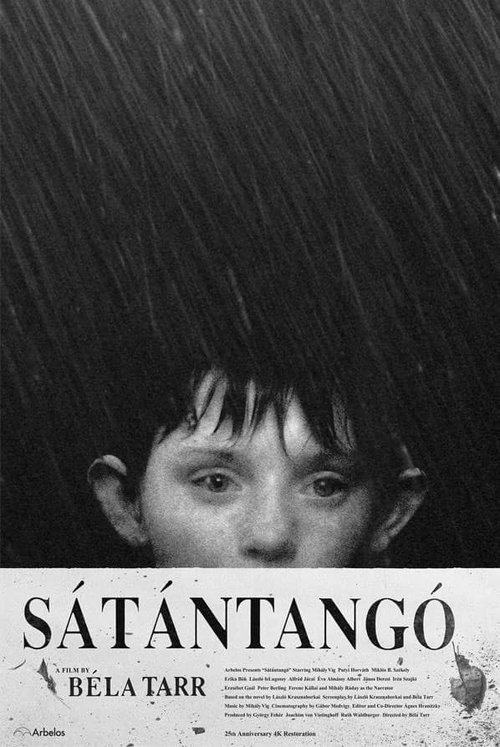
Satantango1994
Both are pure observation of systems and survival. Deep Blue watches creatures navigate environments; Sátántangó watches people navigate social collapse. Both are fascinated by time, movement, and the logic of community. Both trust the image over explanation.
A seven-hour Hungarian film by Béla Tarr about human community and dissolution, shot in black-and-white with camera movements that feel like underwater drifting. Feels totally distant from Deep Blue until you realize they're both about ecosystem—one aquatic, one social. Hypnotic, mournful, unforgettable.
But Seven hours, black-and-white, minimal dialogue, narrative is purely observational. If you want spectacle and excitement, this is the absolute opposite. It is slow in ways that test patience.
People
Cast
 Michael GambonNarrator (voice)
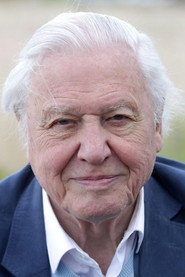
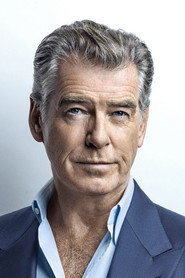 Pierce BrosnanNarrator
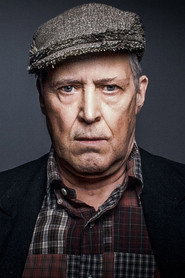 Frank GlaubrechtNarrator
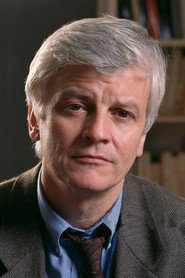 Jacques PerrinNarrator
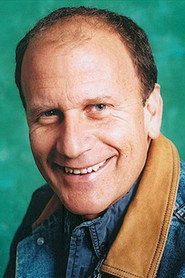 Dalik WollinitzNarrator
Directing
- Alastair FothergillDirector
- Andy ByattDirector
Writing
- David AttenboroughWriter
Production
- Andre SikojevExecutive Producer
- Nikolaus WeilExecutive Producer
- Stefan BeitenExecutive Producer
- Alix TidmarshProducer
- Sophokles TasioulisProducer