
Television series
Earth: The Power of the Planet
- Dip in and out
Iain Stewart journeys across the planet to reveal how five elemental forces—wind, water, fire, ice, and life itself—have sculpted Earth and continue to shape our future. Visually stunning and intellectually rigorous, it makes geology visceral and urgent without sacrificing nuance or wonder. Essential viewing for anyone wanting to understand the planet they inhabit.
Should you watch it?
Watch it if you enjoy patient, big-picture science documentaries where a single presenter walks you through how wind, water, volcanoes and climate actually shape the planet, and you like learning the mechanics behind spectacular landscapes.
Skip it if you want a hushed, wildlife-focused nature film with animals front and centre, since this one is a presenter-led science lesson with its attention on geology and weather rather than creatures.
What it asks of you: Five hour-long episodes, each one a single concentrated sitting, with a steady rather than rushed pace and a presenter talking you through explanations on location.
Not sure? Find tonight's pick in a minute.
If you liked this
Cosmos1980
Carl Sagan's vision reimagined with contemporary science and visual splendour. Each episode unfolds cosmic history with the same sense of awe and clarity that makes Earth so compelling.
But Thirteen hours is a commitment. Some episodes drift toward abstraction when Earth stays grounded in tangible processes.
The Blue Planet2001
David Attenborough's masterwork on ocean systems and marine life rivals Stewart's ambition. Water as a force gets the full treatment here—currents, ecosystems, the lot.
But It's almost entirely focused on aquatic life. If you want geology and atmosphere too, you'll need Earth as well.
Life2007
From the same BBC Natural History Unit, this series shows how organisms shape their environments and vice versa. The final episode directly echoes Earth's 'Life' installment in scale and philosophy.
But Nine hours. The pace is gentler than Earth's—beautiful but occasionally slow if you prefer momentum.

Not sure tonight? Get a pick in a minute, starting from Earth: The Power of the Planet
The wildcard
Something you would not have found on your own.
Baraka1992
Both use the planet itself as the protagonist. Stewart explains how forces work; Fricke shows you the feeling of living inside them. Complementary modes of understanding the same subject.
Ron Fricke's wordless visual essay on planetary systems, human culture, and natural cycles. No narration, no argument—just overwhelming sensory evidence of Earth's power and beauty. It is what watching Earth feels like from inside.
But Demands patience and imagination. Without dialogue or explanation, you're reading images, not being told. Some find it pretentious; others find it profound.
More like this (8)
How the Earth Was Made2009
Focuses on specific geological formations and the forces that created them. If Earth made you want to know more about individual mountains, valleys, or coastlines, this scratches that itch precisely.
But Less philosophically ambitious than Earth. It's a supplement, not a replacement—more FAQ than manifesto.
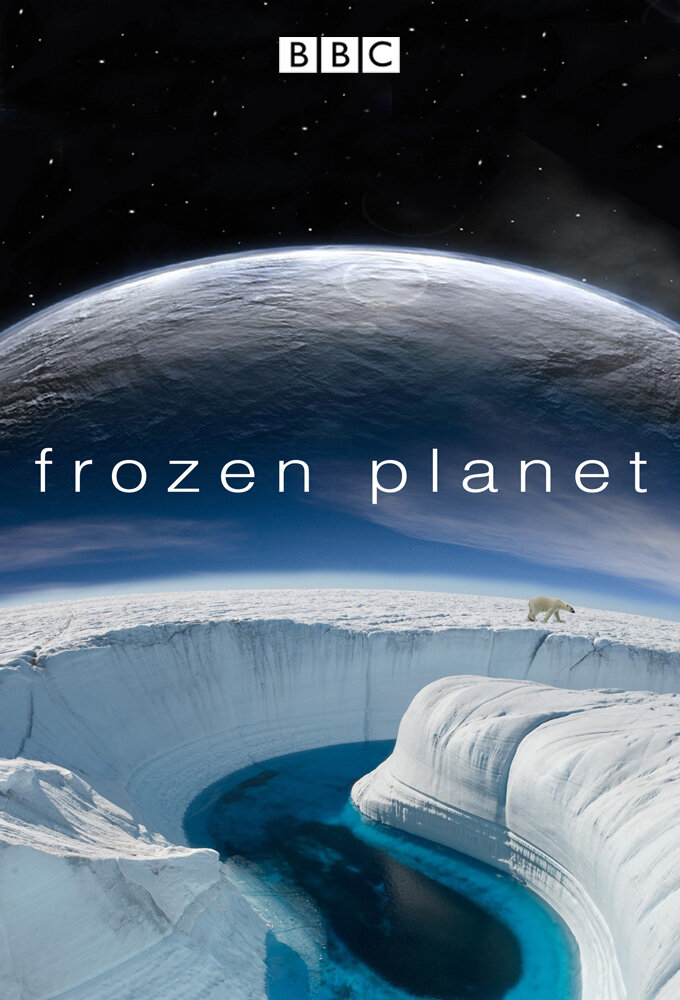
Frozen Planet2011
Attenborough exploring ice as a living system, from glaciers to permafrost. Visually breathtaking and complements Earth's 'Ice' episode with intimate detail and real ecological consequences.
But Predates the climate crisis acknowledgment many viewers now expect. Feels incomplete without Earth's harder look at warming.
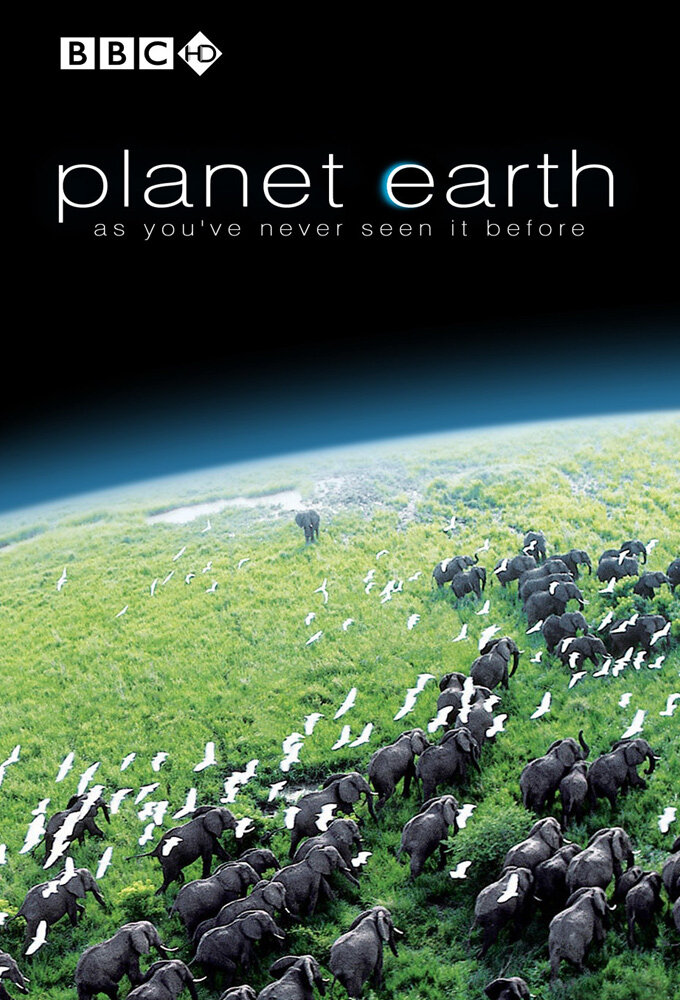
Planet Earth2006
A year older than Earth but equally essential. Less thematic than Stewart's approach—it surveys biomes rather than forces—but the cinematography alone justifies the watch.
But If you're after explanation of *why* things work, this prioritizes beauty over mechanism. It's a travelogue, not a physics lesson.
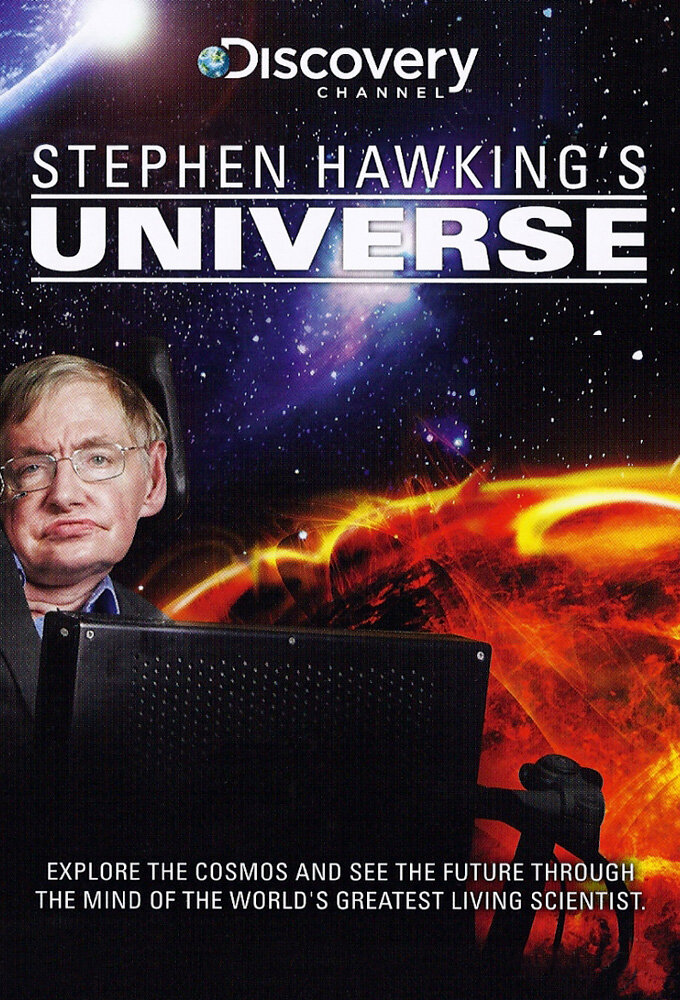
Stephen Hawking's Universe1997
Hawking on cosmology and fundamental forces. Complements Earth by zooming out; both ask how the universe builds and maintains itself, just at different scales.
But Dated visual effects and a more abstract register than Stewart's grounded empiricism. Requires comfort with theoretical physics.
Connections1978
James Burke tracing how historical discoveries in science snowball into civilisation-changing breakthroughs. Earth asks 'how does the planet work?'; this asks 'how did we learn to ask?'
But Seventies production values are charming but not gorgeous. The narrative jumps can feel scattered compared to Earth's systematic approach.
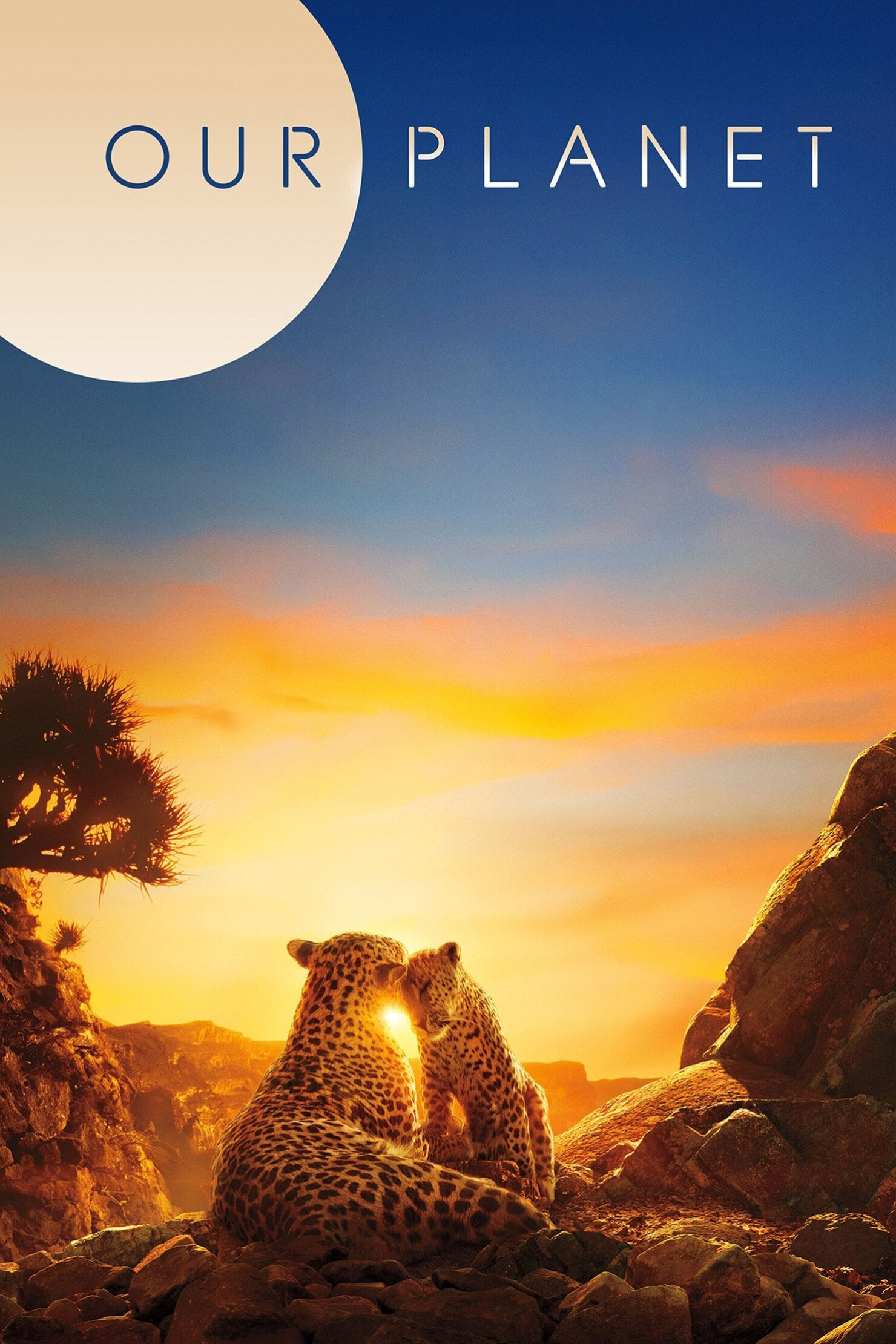
Our Planet2019
Recent Attenborough series showing ecosystems under climate stress. A necessary counterpoint to Earth's optimistic framing, showing the systems Stewart describes under acute pressure.
But More polemic than documentary in places. If you want pure process over environmental messaging, Earth maintains better neutrality.
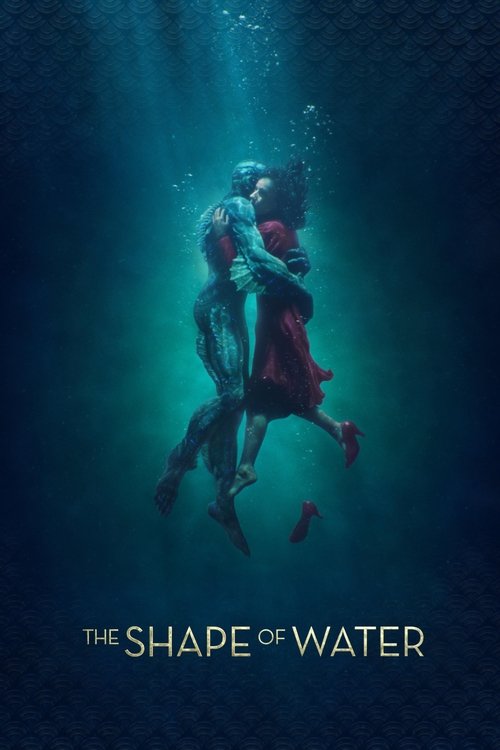
The Shape of Water2017
Earth teaches you what water *does*. This film asks what water *means*—what it feels like to live as part of a system rather than observing it. Inverse mode, same reverence.
Guillermo del Toro's fable about water, transformation, and inhuman beauty. A love story that treats water as a conscious force—poetic, sensual, and oddly respectful to the element's own agency.
But It's romantic fantasy, not documentary. If you come for planetary science, you'll find mythology instead. Some find del Toro's tone precious.
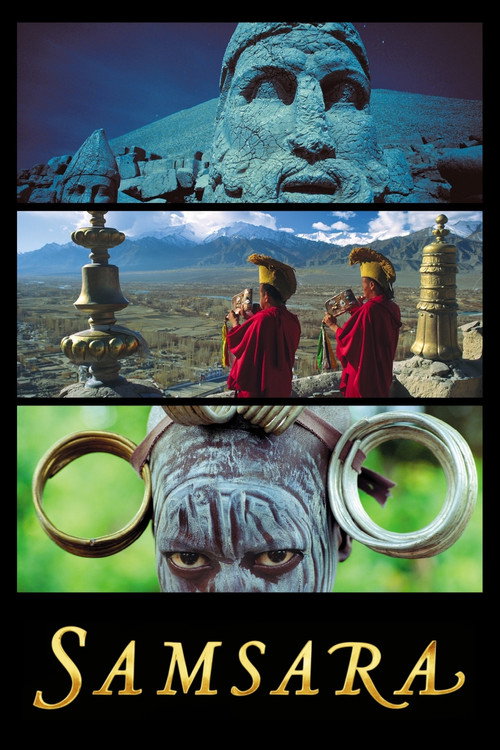
Samsara2011
Where Earth shows planetary forces at work independently, Samsara shows the same forces *in collision* with human civilisation. Both refuse easy moral answers.
Another Fricke non-narrative epic, but focused on human activity across landscapes and time. Volcanic eruptions, agricultural rhythms, industrial processes—Earth's forces meeting human agency. Hypnotic and unsettling by turns.
But Wordless, demanding, and deliberately ambiguous about whether it's celebrating or condemning human activity. Some will find it punishing rather than contemplative.
People
Cast
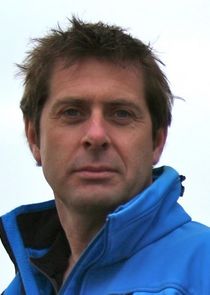 Iain StewartPresenter