
Film
An Inconvenient Sequel: Truth to Power
Al Gore's decade-later follow-up charts his global campaign for climate action, interweaving policy negotiations, personal moments, and a fundamentally optimistic argument about renewable energy. It's earnest advocacy cinema—sometimes inspiring, sometimes preachy. For viewers who found the first film galvanizing or want to see where the conversation landed post-Paris Agreement.
If you liked this
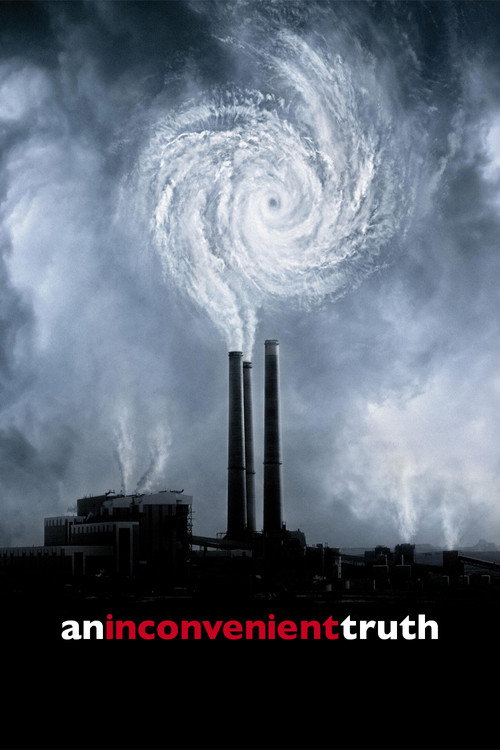
An Inconvenient Truth2006
The original that changed how millions think about climate. Essential context for the sequel, and still devastating in its clarity about what's at stake.
But The presentation is dated, and if you already accept climate science, the shock value has faded. It can feel slow to modern viewers.
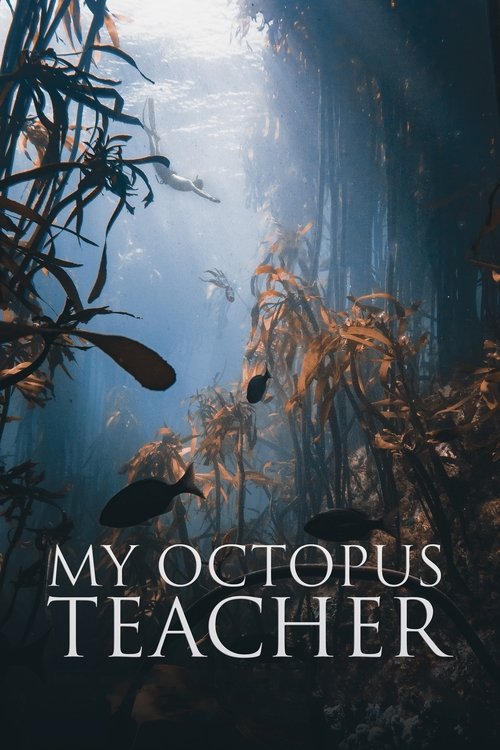
My Octopus Teacher2020
A documentary about wonder and connection that reshapes how you see the natural world. Meditative, beautifully shot, and emotionally generous in ways that stick with you.
But Very slow and quiet. If you need narrative momentum or conflict, this patient observation might feel thin.
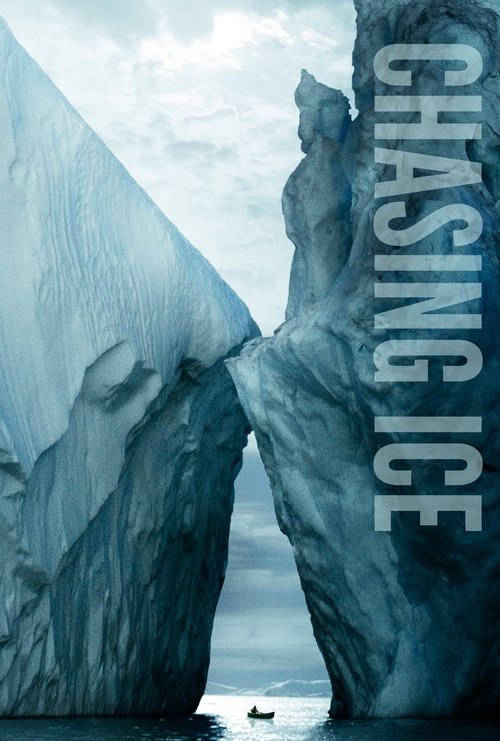
Chasing Ice2012
A photographer documents glacial collapse across the Arctic with stunning time-lapse footage. Combines visual spectacle with genuine scientific urgency and human determination.
But The repetition of melting-ice sequences, while powerful, can feel like a single point hammered home. Some viewers find it visually depressing rather than mobilizing.
Not sure tonight? Get a pick in a minute, starting from An Inconvenient Sequel: Truth to Power
The wildcard
Something you would not have found on your own.
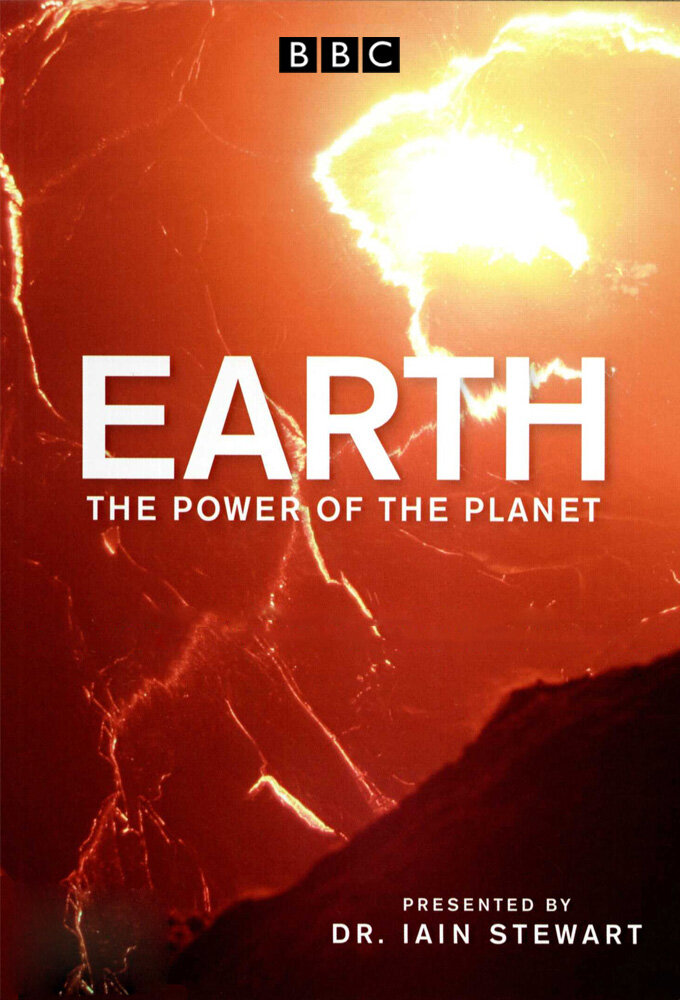
Earth: The Power of the Planet2007
Both films believe humans can move mountains through collective will. This one reminds you that the mountain is literally moving—and that awe can be a starting point for action.
Imax-scale documentary series on extreme weather and geological forces. It shows climate systems in motion with jaw-dropping visuals—the kind of thing that makes you feel the planet's power rather than just understand it intellectually.
But It's more about natural spectacle than human agency or solutions. You'll feel small and sometimes helpless rather than mobilized.
More like this (6)
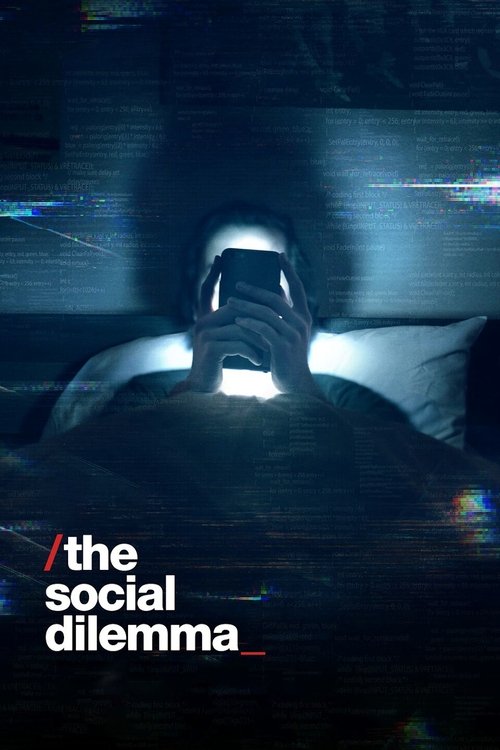
The Social Dilemma2020
Part documentary, part narrative: it traces how tech platforms enabled climate denial and misinformation. Accessible, angry, and directly relevant to why climate action stalled.
But The dramatized sequences feel awkward next to the talking heads. Some criticisms of the film itself are valid—it can oversimplify tech's role.
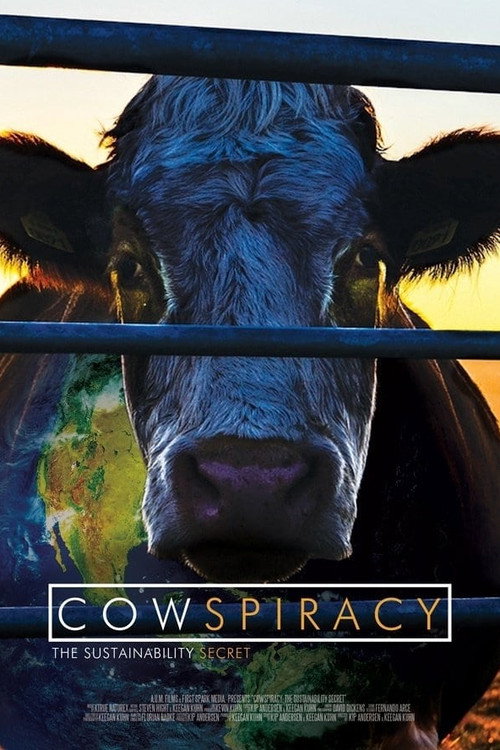
Cowspiracy: The Sustainability Secret2014
Focuses on agriculture's climate impact—a angle Gore touches but doesn't lead with. Surprising, specific, and will change how you think about food systems.
But It has vegan activism underneath, which some find preachy. The production is cheaper and less polished than you might want.
Our Planet2019
David Attenborough narrates eight hour-long episodes of pristine nature footage. It's gorgeous, it's melancholic, and it makes the stakes feel personal rather than abstract.
But It's primarily portrait-of-nature rather than solutions-focused. If you need calls to action, this is more elegy than manifesto.

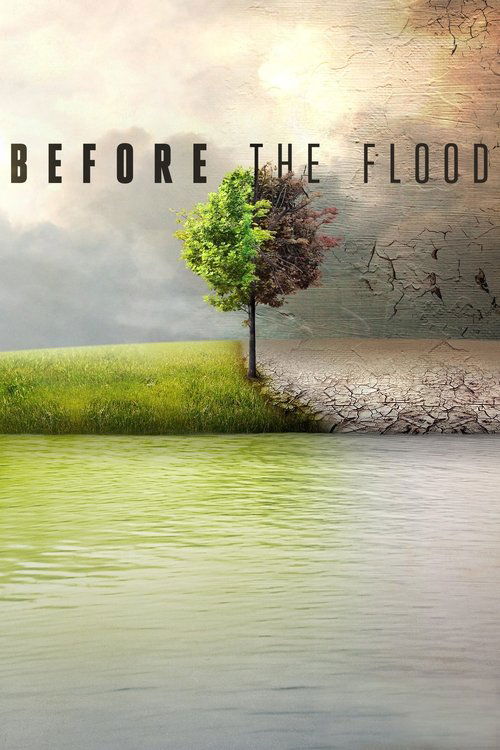
Before the Flood2016
Leonardo DiCaprio travels with climate scientists to frontline communities. More cinematic than Gore's work, with high production values and genuine curiosity driving the investigation.
But DiCaprio's presence is distracting for some. The film often feels more about his journey than the climate crisis itself.
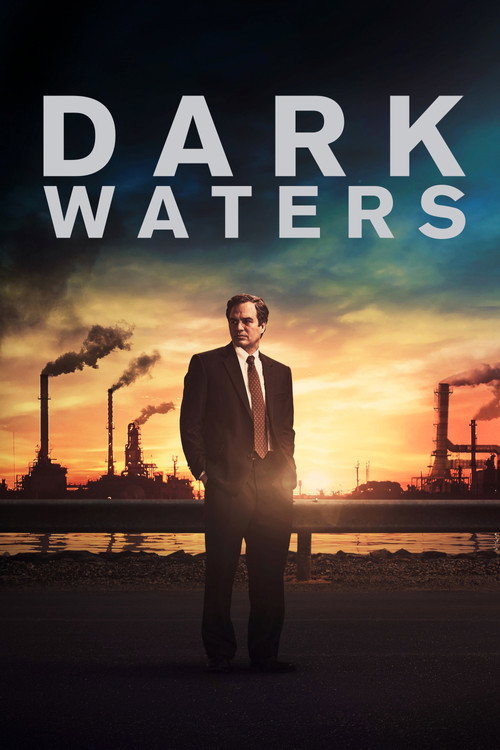
Dark Waters2019
Gore argues we can win through policy and innovation. This film shows what we're up against in the companies and institutions that profit from denial. Both are necessary.
Mark Ruffalo as a lawyer uncovering corporate pollution. A legal thriller with real teeth—it's how environmental destruction actually happens: through industrial cover-ups, not distant abstractions.
But It's frustrating and infuriating by design. The heroes lose more than they win. If you need hope, this will drain it from you.
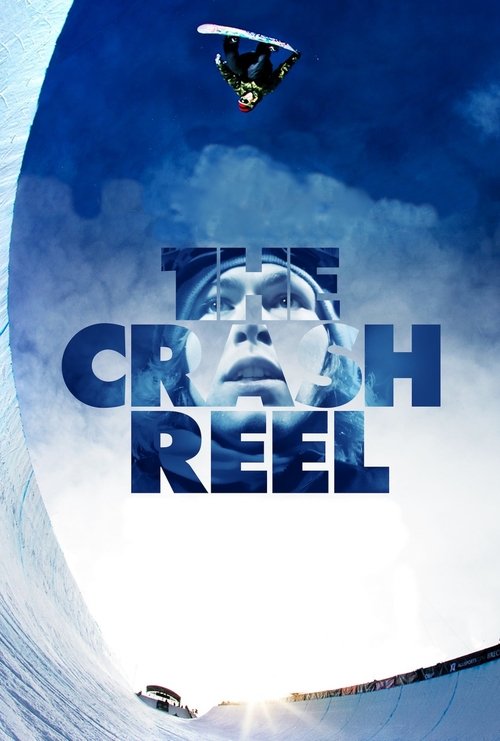
The Crash Reel2013
Both pit individual passion against systemic forces. Gore channels his into policy; this film channels passion into bearing witness. Different tools, same moral urgency.
A snowboarder's recovery from brain injury becomes a meditation on climate, sports, and what we choose to protect. Personal essay rather than policy argument—poetic and politically enraged at once.
But It's oblique. The climate connection isn't explicit, and the injury narrative might feel tangential if you want straightforward environmental argument.
People
Cast
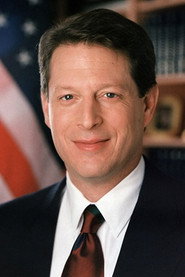 Al GoreSelf
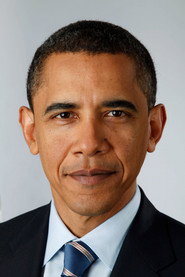 Barack ObamaSelf (archive footage)
 Donald TrumpSelf (archive footage)
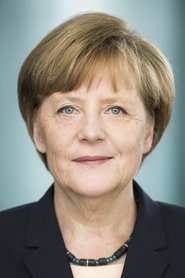 Angela MerkelSelf
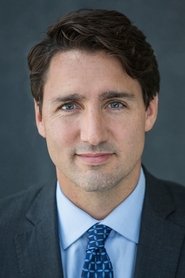 Justin TrudeauSelf
 Xi JinpingSelf
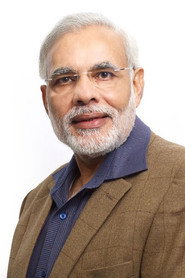 Narendra ModiSelf
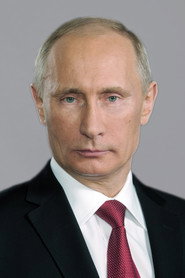 Vladimir PutinSelf
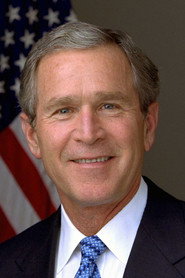 George W. BushSelf
 Bill ClintonSelf (archive footage)
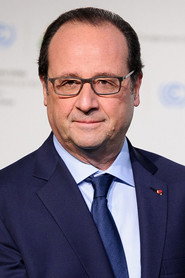
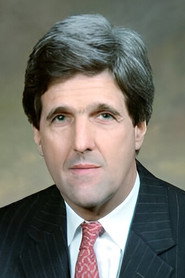 John KerrySelf
Directing
- Bonni CohenDirector
- Jon ShenkDirector
Writing
- Al GoreWriter
Production
- Sara DosaCo-Producer
- Davis GuggenheimExecutive Producer
- Jeff SkollExecutive Producer
- Laurie LennardExecutive Producer
- Lawrence BenderExecutive Producer
- Lesley ChilcottExecutive Producer
- Scott Z. BurnsExecutive Producer
- Diane WeyermannProducer
- Richard BergeProducer