Television series
How the Earth Was Made
- Dip in and out
A geological documentary series that traces how Earth's most dramatic landscapes were formed—mountains, canyons, volcanoes, glaciers. Each episode focuses on a single feature, using geological science, field investigation, and vivid animation to show the deep-time processes that shaped our planet. It's visual and accessible; smart without being dry.
Should you watch it?
Watch it if you enjoy patient, wide-angle explanations of how mountains, oceans and continents came to be, and you like a documentary that treats the planet itself as the main character.
Skip it if you want a fast-moving, narrated story with people in it; this is mostly landscapes, animated models and an expert's voice explaining deep time at a steady, unhurried pace.
What it asks of you: Each hour is a self-contained look at one geological feature, so you can dip in and out, but you need to be willing to sit with long stretches of explanation rather than drama.
Not sure? Find tonight's pick in a minute.
If you liked this
Planet Earth2006
David Attenborough narrates breathtaking footage of Earth's ecosystems and geological wonders. It shares the same sense of awe at planetary scale, but through living systems rather than stone and time.
But The focus is on wildlife and current ecosystems rather than the ancient geological processes that created them. Different question entirely.
Cosmos1980
Neil deGrasse Tyson guides you through the universe's 13-billion-year history with the same clarity and wonder. It zooms out from Earth to the cosmos, but the explanatory approach and sense of deep time are kindred.
But Vastly broader in scope. If you want geology specifically rather than astrophysics and cosmology, you'll feel adrift.
The Day the Earth Stood Still1951
Actually, this is about the evolution of plate tectonics theory—how scientists figured out what *How the Earth Was Made* shows you. It's the detective story behind the documentary's answers.
But It's a feature film dramatization, not a documentary. More narrative drama than geological detail.
Not sure tonight? Get a pick in a minute, starting from How the Earth Was Made
More like this (5)
Life2007
From the same era and approach as *How the Earth Was Made*—visually stunning, scientifically rigorous, structured around a single organizing principle. Both feel like premium cable education done right.
But Focuses entirely on living creatures and their behaviors. No geology, no deep time, no landscapes.

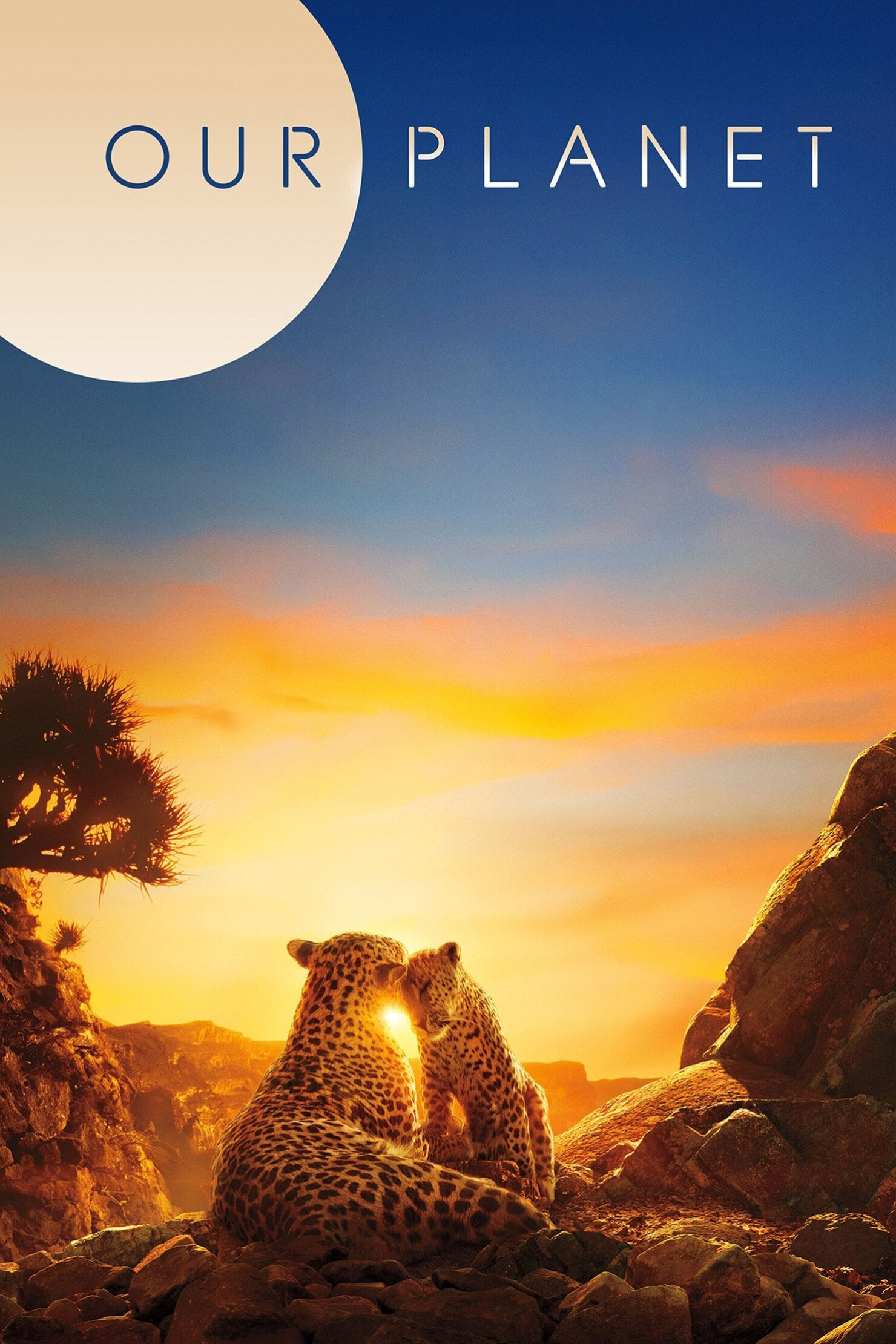
Our Planet2019
Another Attenborough production with the same production values and clarity. Shows how geological history shapes the ecosystems we see today—a natural companion piece to the stone half of the story.
But Climate-focused and contemporary. Less about how things formed, more about how they're changing now.
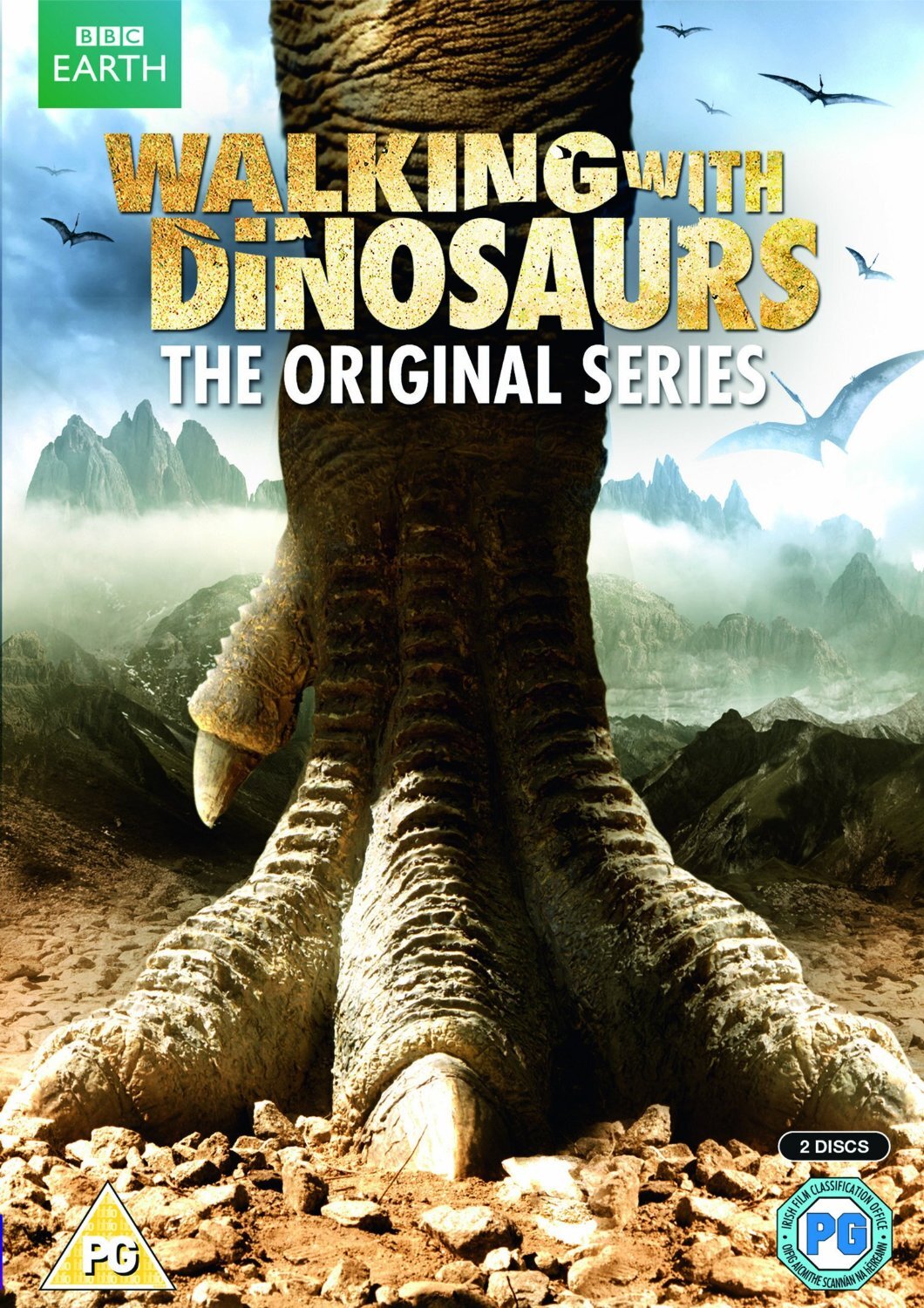
Walking with Dinosaurs1999
Prehistoric landscapes rendered with the same visual flair, using animation to show a world shaped by geology. Complements *How the Earth Was Made* by populating those ancient Earths with life.
But Dinosaur-entertainment can feel dated now. Less rigorous scientific education, more spectacle and narrative drama.
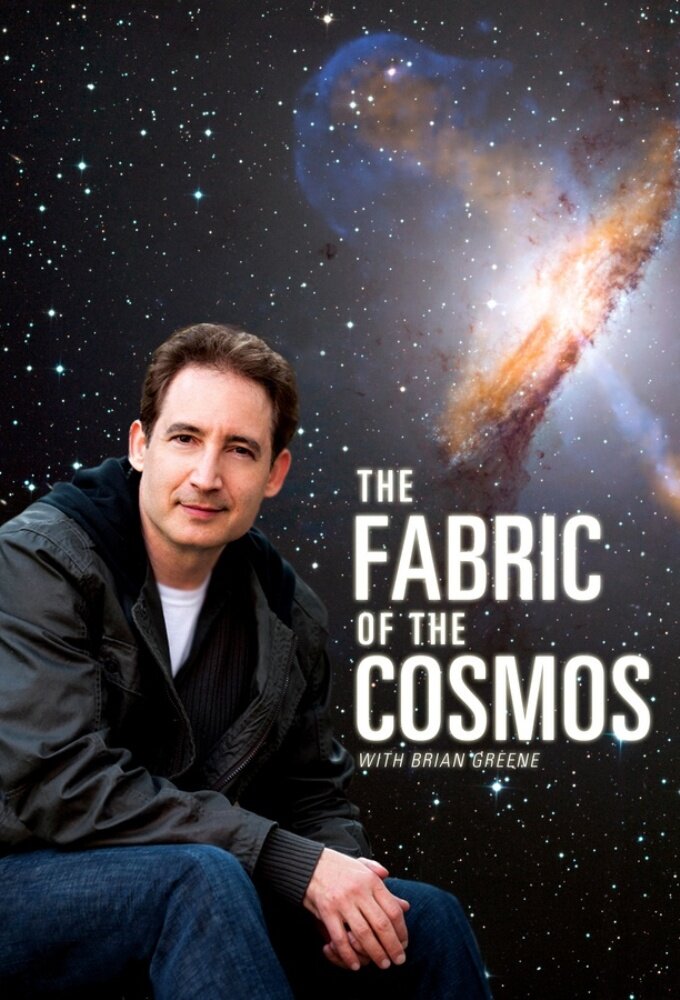
The Fabric of the Cosmos2011
Brian Greene explains how the universe works at every scale, from quantum to cosmic. Same educational spirit as *How the Earth Was Made*, same sense that understanding physical reality is genuinely exciting.
But Abstract physics rather than concrete geology. You won't see a mountain or a canyon explained—you'll see equations made visual.
Blue Planet II2017
The ocean as a geological force—currents, trenches, seamounts shaped by tectonics. *How the Earth Was Made* from the water's point of view, with Attenborough's incomparable narration.
But Marine life takes as much screen time as geology. If you want only rocks and time, the biology will feel like filler.