
Television series
The Undersea World of Jacques Cousteau
- Dip in and out
Jacques Cousteau's groundbreaking series submerged viewers in the ocean's alien beauty with then-revolutionary underwater cinematography. Meditative yet gripping, it captures marine life with wonder rather than sensationalism. For anyone curious about the natural world, or nostalgic for television that trusted silence and observation over hype.
Should you watch it?
Watch it if you love patient natural-history photography and want to watch the ocean's strange creatures unfold at their own pace, with a host who treats every reef like a discovery.
Skip it if you need fast cuts, a plot, or modern underwater footage, since this is an hour-long tour of marine life that moves gently and rarely hurries.
What it asks of you: Sixty-minute episodes, thirty-six in all, each moving at the pace of its animals, with long quiet stretches of watching rather than quick cuts.
Not sure? Find tonight's pick in a minute.
If you liked this
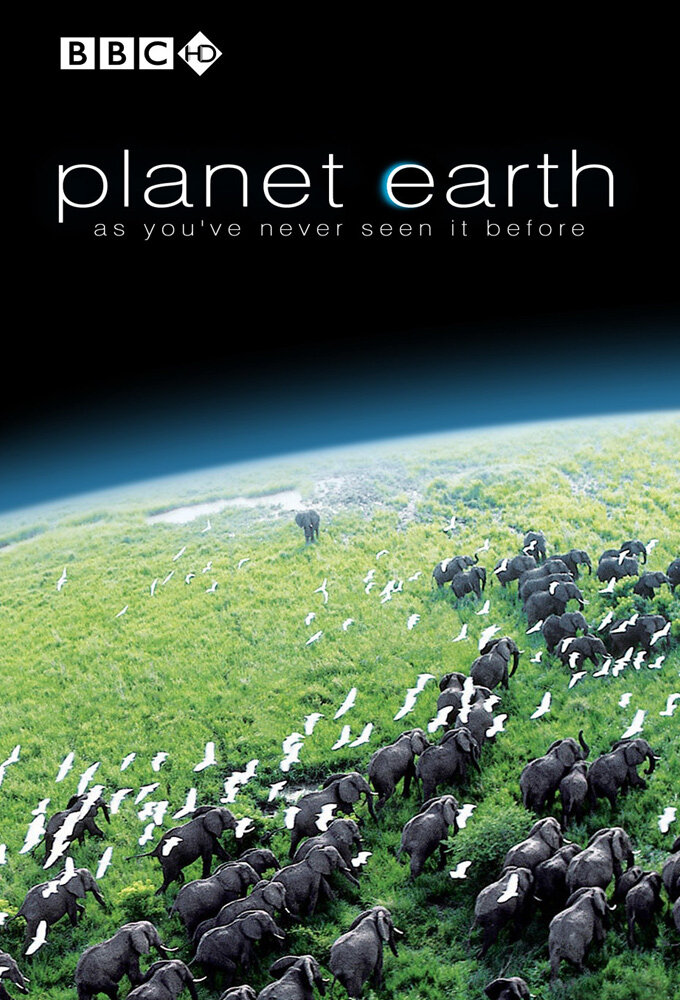
Planet Earth2006
David Attenborough's definitive nature documentary uses modern technology to achieve what Cousteau pioneered: letting wild places speak for themselves. Sweeping, meticulous, and genuinely moving across ten perfect hours.
But It can feel like comfort viewing now—so familiar it risks becoming wallpaper. Also, some ecosystems are presented more sympathetically than others.
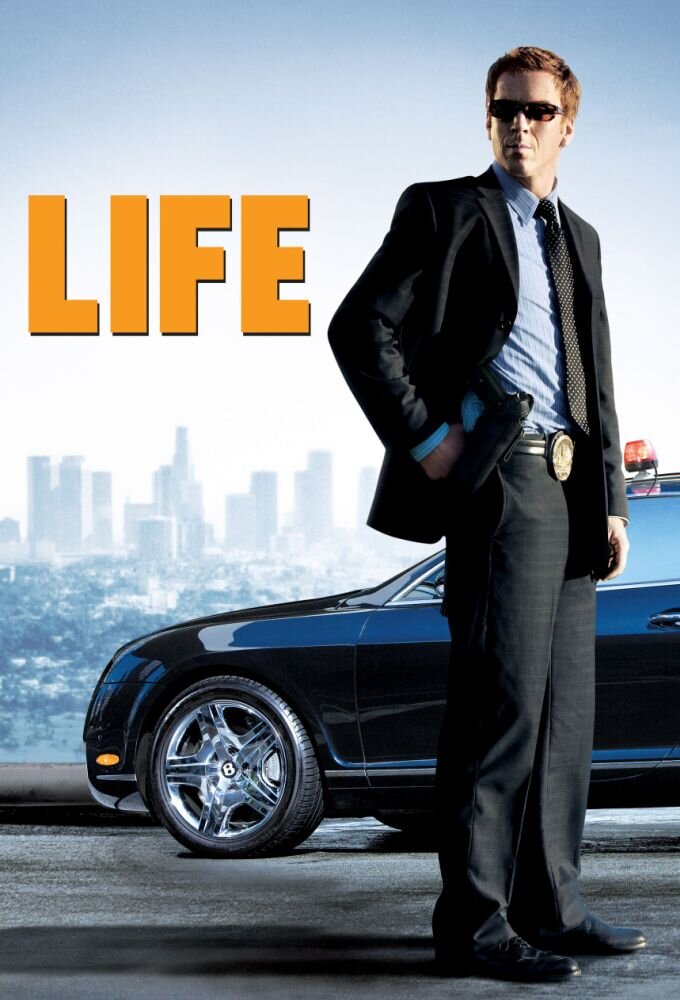
Life2007
Another Attenborough series, this one focused on animal survival strategies across all environments. Ingenious camerawork and storytelling that makes adaptation and behavior feel like narrative drama.
But Occasionally veers into melodrama—not everything needs a musical swell. Episodes can feel repetitive if you binge them.
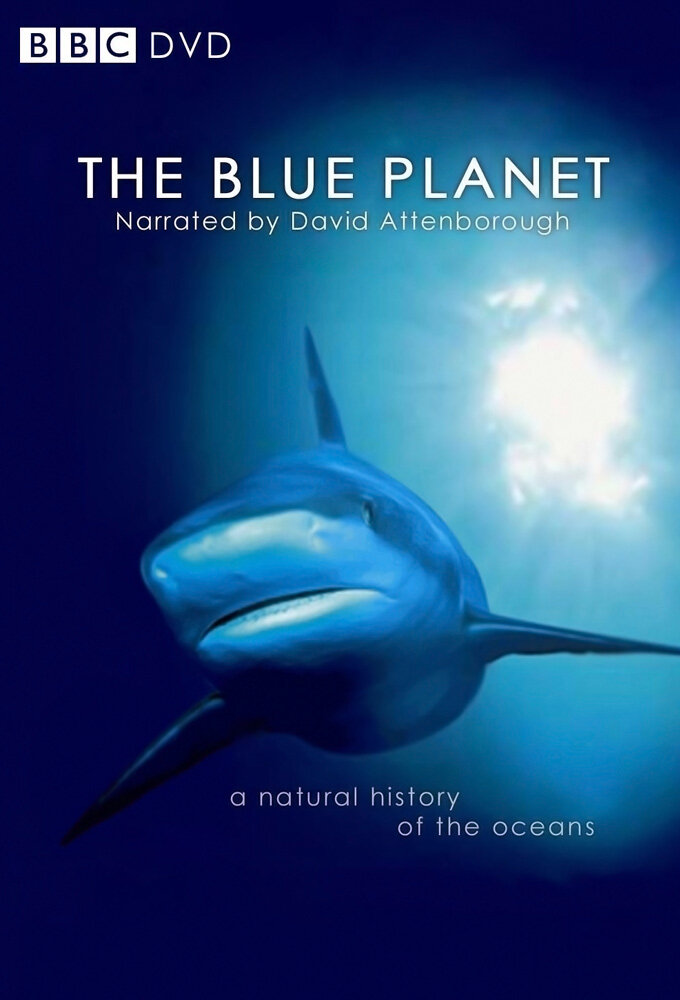
The Blue Planet2001
Attenborough returns to explore Earth's oceans with technology Cousteau could only dream of. Hypnotic footage of creatures most humans will never witness, narrated with genuine awe.
But The sentimentality about ocean conservation can feel heavy-handed. Some sequences prioritize spectacle over understanding.
Not sure tonight? Get a pick in a minute, starting from The Undersea World of Jacques Cousteau
The wildcard
Something you would not have found on your own.
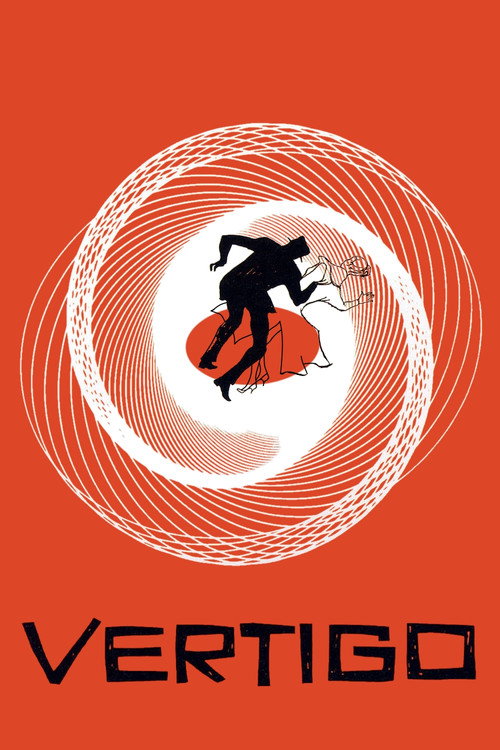
Vertigo1958
Both place you inside an alien world—ocean or memory—and let you drift. Both use photography as philosophy. Both trust silence and observation over explanation. Both are about wonder without neat resolution.
Hitchcock's masterpiece is about obsession, beauty, and the impossibility of truly knowing another person. Hypnotic, strange, visually perfect—it trusts the viewer to feel rather than understand.
But A plot summary makes it sound trashy; the film is about texture and psychological state, not story. Some find it slow and overwrought.
More like this (6)
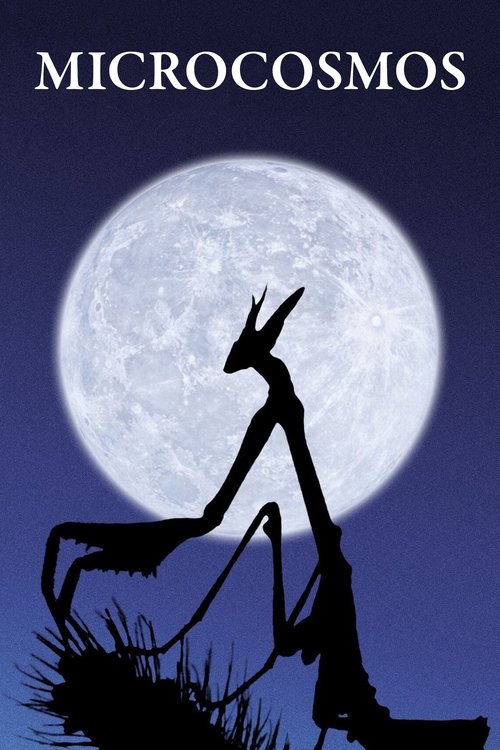
Microcosmos1996
A feature-length meditation on insects and small life forms using extreme close-up photography. Methodical, almost abstract, but utterly absorbing—it finds the alien in the everyday.
But No dialogue, almost no plot. Requires patience and a willingness to sit with pure observation. Not everyone finds that restful.
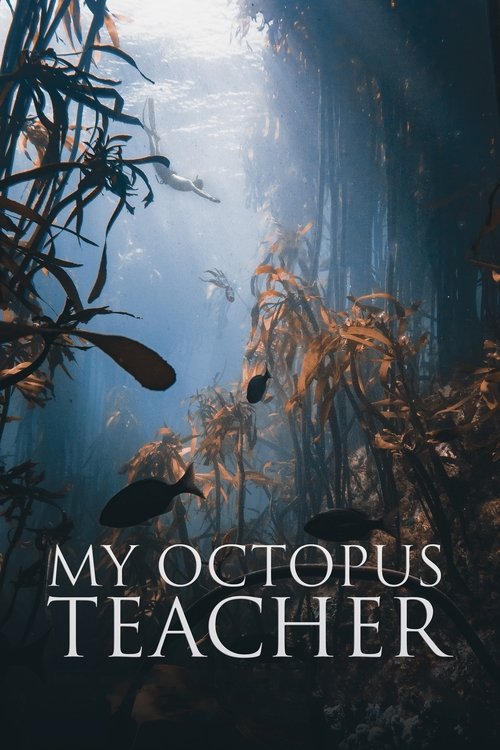
My Octopus Teacher2020
A marine biologist documents a year observing one octopus in a South African kelp forest. Tender, surprising, genuinely thought-provoking about intelligence and connection across species.
But The personal story can overshadow the animal science. Some find the earnestness cloying; it wears its heart very openly.
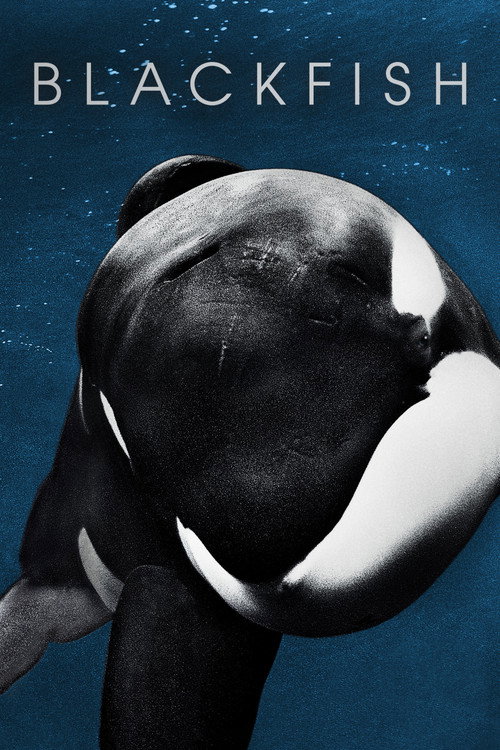
Blackfish2013
A documentary investigation into orca captivity that builds into an argument about animal consciousness and suffering. Gripping, morally urgent, cinematically sophisticated.
But Deliberately one-sided advocacy piece, not balanced journalism. Can feel manipulative if you're resistant to its thesis.
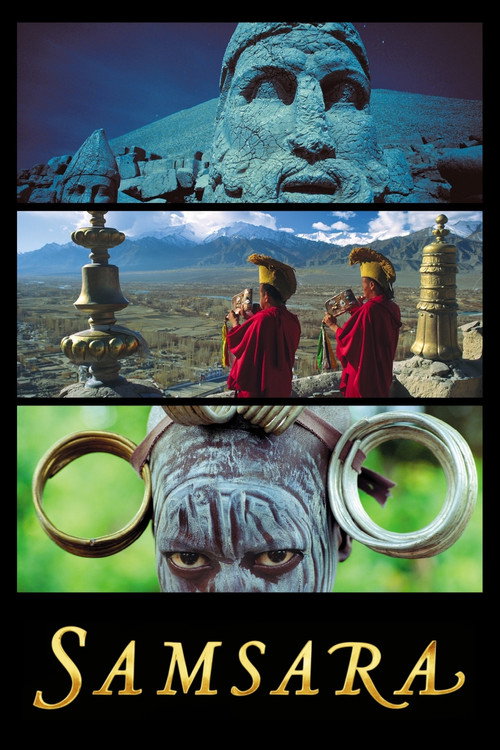
Samsara2011
A visual meditation on cycles—human, natural, industrial—captured in stunning cinematography across dozens of locations. No narration, just image and music. Hypnotic and unsettling.
But Deliberately ambiguous and open-ended. If you want a clear argument or story, you'll find it frustrating rather than transcendent.
Our Planet2019
Attenborough again, now explicitly framing nature through the lens of climate change. Gorgeous and heartbreaking, with a clearer point of view than his earlier work.
But The eco-anxiety is relentless. Some sequences feel designed to provoke guilt rather than understanding. Can be exhausting.
Baraka1992
Like Cousteau, Fricke rejects narration and explanation in favor of direct sensory experience. Both ask viewers to find their own meaning in observation. Both reveal the sacred in the ordinary through sustained looking.
Ron Fricke's wordless feature captures human and natural worlds in time-lapse and extreme cinematography. A pure visual symphony about life, death, and interconnection. Extraordinary on any screen, transcendent in IMAX.
But Entirely without narrative or argument. Some people find it pretentious; others find it unmoored and exhausting rather than meditative.
People
Cast
Production
- Andy WhiteProducer
Recommended by
Aquaman, The Voyage of the Mimi, Sealab 2020, Surface, Flipper