
Film
Seal Island
Seal Island is a 27-minute wildlife documentary that captures the dramatic life cycle of seals on their breeding grounds. Narrated with theatrical flair by Winston Hibler, it unfolds like a nature thriller—birth, survival, predation, and death rendered with surprising emotional weight. The first Disney True-Life Adventure film, it's mesmerizing for anyone who loves animals, cinema history, or simply watching the natural world happen.
If you liked this
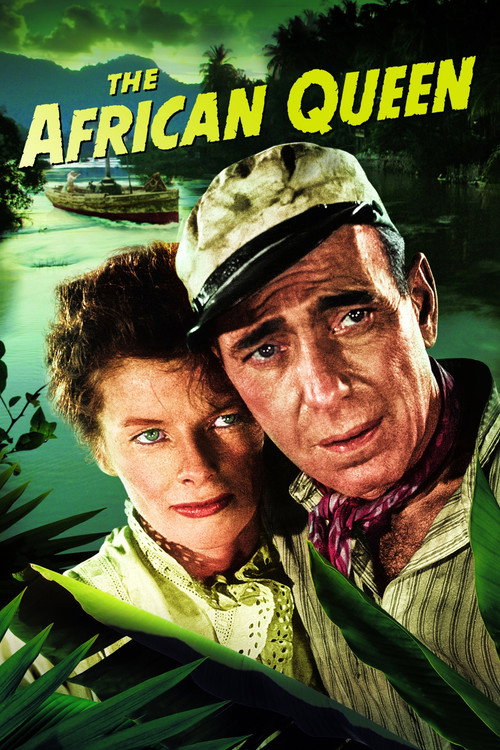
The African Queen1952
A perfect complement: both use vivid location footage and a narrator to build tension and wonder. Humphrey Bogart and Katharine Hepburn navigate danger with wit and grit, much as the seals navigate their precarious world.
But It's a studio adventure, not pure nature. If you want unmediated wildlife, the romance and Hollywood gloss might feel like intrusion.
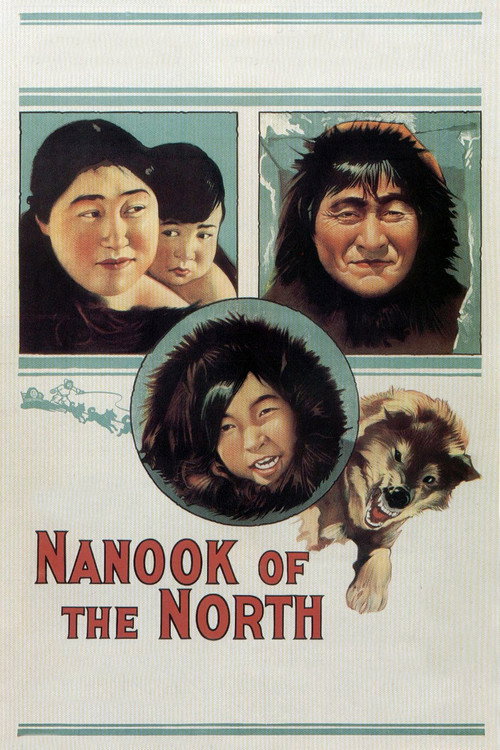
Nanook of the North1922
The pioneering documentary that showed cinema could make real life as gripping as fiction. An Inuit family's survival in the Arctic has the same narrative drive and visual poetry that Seal Island perfected decades later.
But It's nearly a century old and the pacing is deliberate. Modern audiences accustomed to quick cuts may find it slow to unfold.
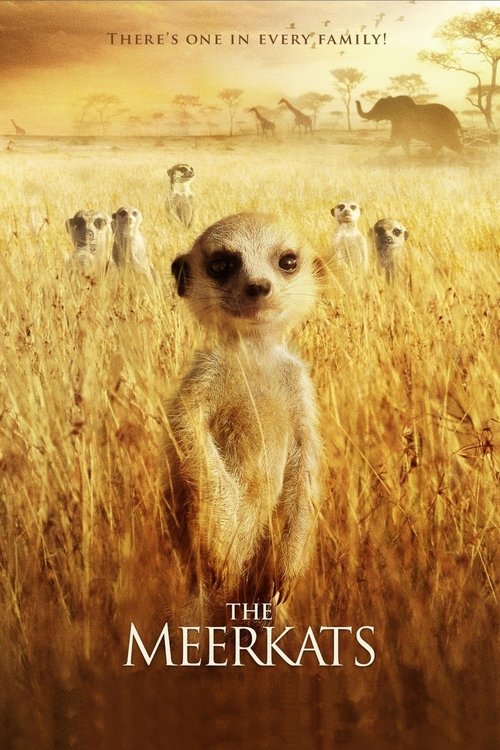
The Meerkats2008
Planet Earth's spiritual descendant: a 50-minute nature film that treats a meerkat colony as characters in an epic. Narrated by Sean Penn, it has the same blend of wonder, danger, and anthropomorphic storytelling that makes Seal Island work.
But It's BBC-made naturalism, which some find over-scored and a touch sentimental compared to purely observational documentary.
Not sure tonight? Get a pick in a minute, starting from Seal Island
The wildcard
Something you would not have found on your own.
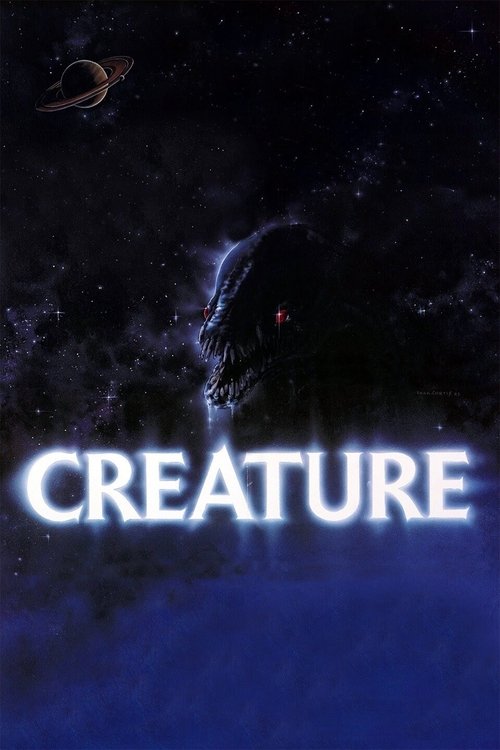
Creature1985
Both films treat their landscapes as characters and their inhabitants as subjects of fate. The seals survive their world; the crew must survive something their world contains. Same spatial logic, different terrors.
John Carpenter's Antarctic horror uses the seals' world as landscape for a different kind of survival story. It's Seal Island's visual poetry of isolation and predation transformed into terror—the same environment, flipped.
But It's a visceral sci-fi horror film with practical effects that haven't aged gracefully. If you want naturalism unbroken, the artificial monsters will shatter the spell.
More like this (8)
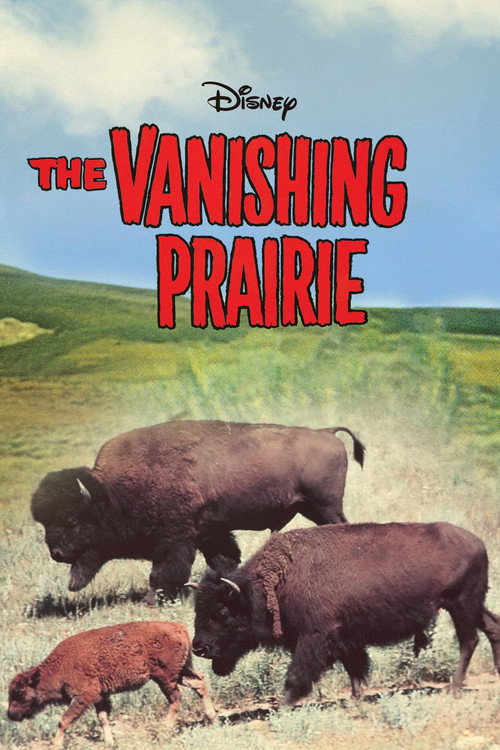
The Vanishing Prairie1954
Disney's second True-Life Adventure, even more ambitious than Seal Island. It sprawls across the American West capturing predator and prey in a landscape under threat. Sweeping, suspenseful, genuinely profound about ecological loss.
But The narration occasionally tips into melodrama. The editing is sometimes heavy-handed in building emotion.
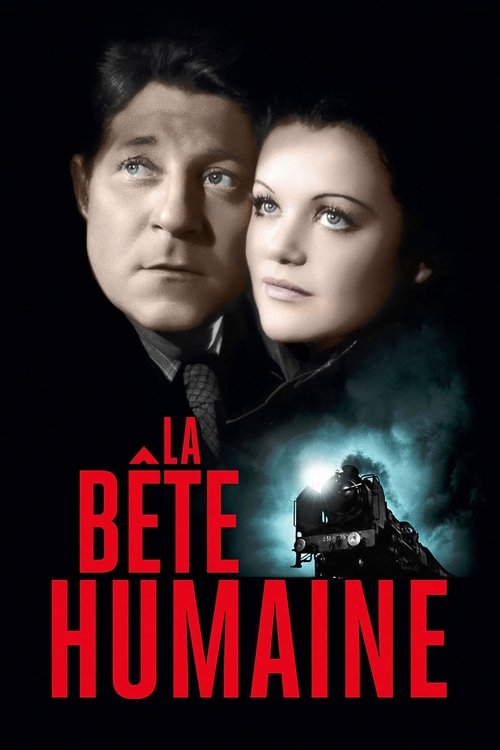
La Bête Humaine1938
Jean Renoir's masterpiece uses naturalistic mise-en-scène to show humans as animals driven by instinct and circumstance. It shares Seal Island's unsentimental eye on survival and desire, but through a train and obsession rather than the sea.
But It's a dark psychological drama, not a nature film. If you want to stay in the animal world, this departure into human brutality may feel jarring.
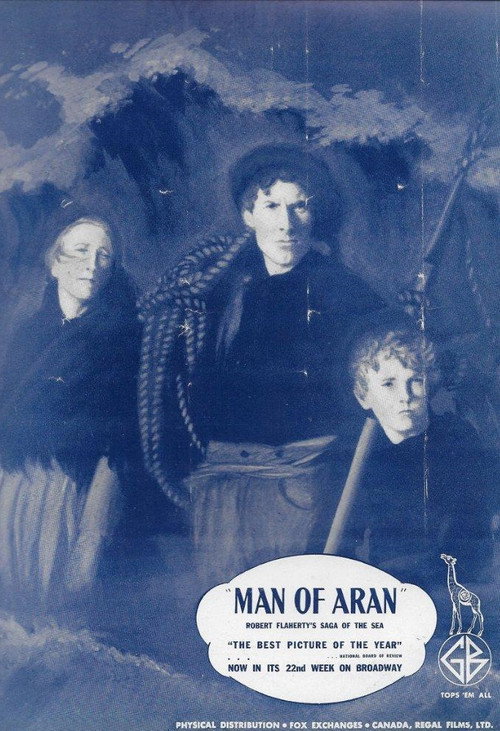
Man of Aran1934
Robert Flaherty's documentary of life on a remote Irish island treats humans as creatures adapting to their landscape. The same patient observation, the same epic struggle against nature that defines Seal Island.
But The reconstructed sequences feel staged now. Some shots were filmed after the fact for cinematic effect, which troubles the line between documentary and fiction.
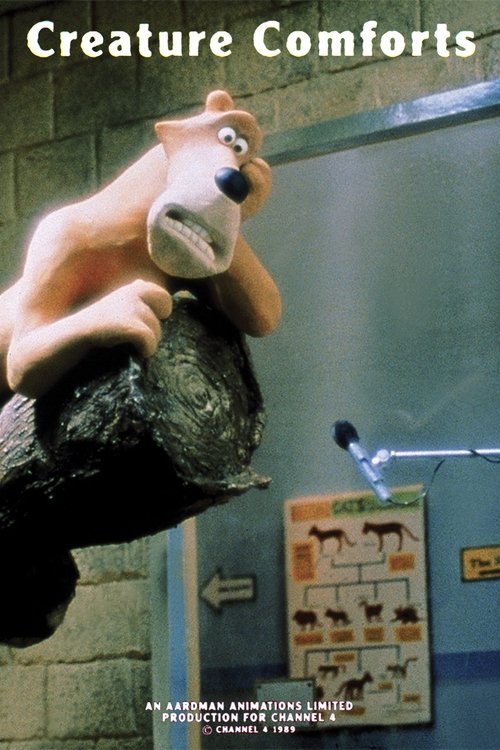
Creature Comforts1989
Aardman's stop-motion short observes animals in a zoo with deadpan humor and genuine affection. It's lighter than Seal Island but shares the same belief that animal behavior, observed closely, tells us something true about living.
But It's comedy, which changes the register entirely. The lightness might feel trivial if you came for gravitas.
The Leopard1963
Luchino Visconti's epic uses natural light and landscape the way Seal Island does—as a character, as fate. A Sicilian prince navigates a changing world with the same resigned grace the seals show in theirs.
But It's a slow, painterly three-hour drama about aristocratic decline. If you want more wildlife and less Tomasi di Lampedusa, you'll be impatient.

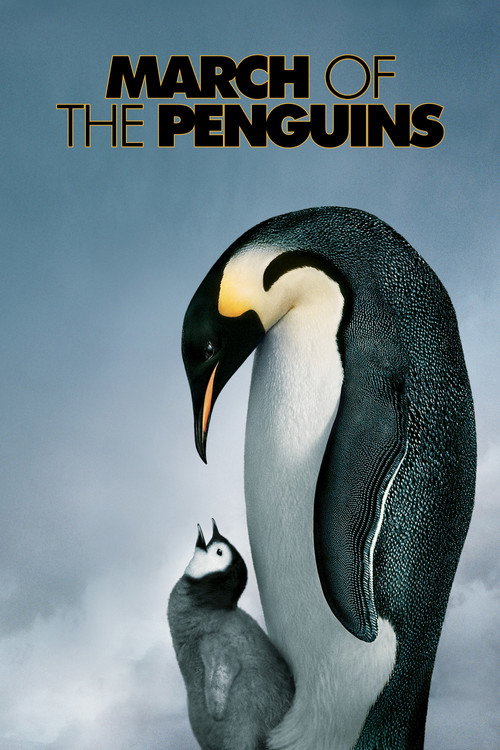
March of the Penguins2005
A direct spiritual successor: penguins on Antarctica, Morgan Freeman narrating their annual cycle of breeding and survival. It has Seal Island's structure, stakes, and refusal to look away from death and hardship.
But The anthropomorphism verges on saccharine. Some viewers find the emotional manipulation—the swelling score, the narrator's tone—overwrought.
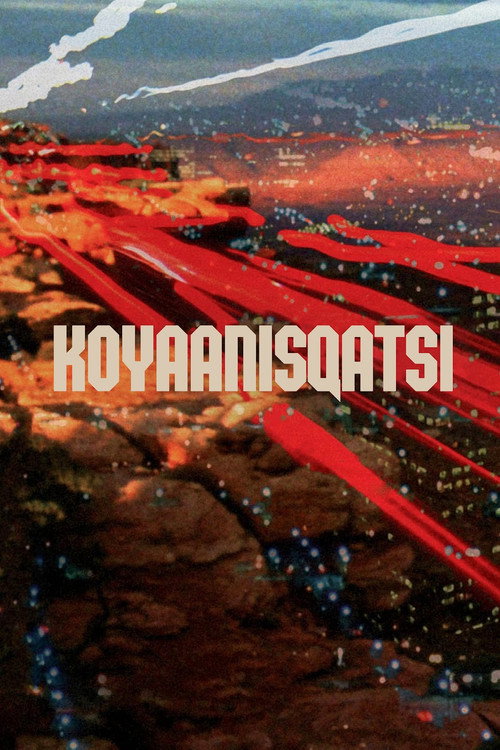
Koyaanisqatsi1983
Both films use cinema to make the rhythms of life visible—breeding seasons, migration, cycles of survival. Koyaanisqatsi does this with cities and factories instead of seals, but with the same formal patience and moral weight.
An experimental documentary of staggering visual beauty, set to Philip Glass's hypnotic score. No dialogue, only images and music, asking what human civilization looks like when filmed the way Seal Island films nature.
But There's no plot, no characters, no narrative drive. If you need story and meaning handed to you, abstract observation with no guide will frustrate rather than entrance.
Winter Light1963
Both are spare, closely observed studies of creatures (animal and human) navigating an indifferent world. Neither offers comfort; both offer clarity about what survival costs.
Bergman's austere masterpiece about a pastor's crisis of faith in a small Swedish parish. Stripped of ornament, it observes human behavior with the same unflinching naturalism Seal Island brings to animals—no sentiment, no rescue, only endurance.
But It's bleak, internally focused, and philosophically demanding. If you watched Seal Island for wonder and beauty, this will feel punishing rather than cathartic.

People
Cast
 Winston HiblerNarrator
Directing
- James AlgarDirector
Production
- Walt DisneyProducer