
Film
Doctor Who: The Evil of the Daleks
Nearly three hours of pure 1960s Doctor Who: seven episodes stitched together with the Daleks at peak scheming, the Second Doctor at peak cunning, and Patrick Troughton proving he could hold anything just by being present. It's theatrical, plotty, and wildly ambitious in that ramshackle way that defined early Who. For people who love serialized sci-fi and trust their instincts about villains.
If you liked this
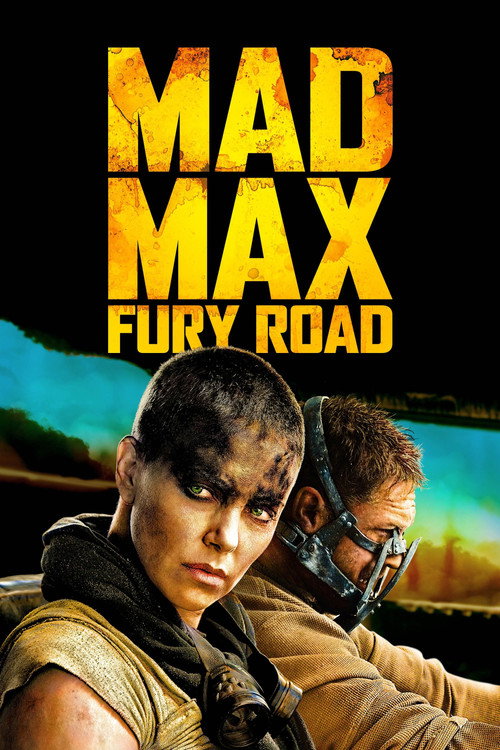
Mad Max: Fury Road2015
Two hours of pure forward momentum: a chase that never stops, shot with such clarity you always know where everyone is. It's what happens when a master craftsman makes an action film about action itself.
But There's almost no plot beneath the mechanism, and the minimal dialogue might feel thin if you're looking for character work.
Beneath the Planet of the Apes1970
A sequel that actually escalates the premise instead of repeating it, taking the world underground and making it stranger and more unsettling. It commits to its apocalyptic vision completely.
But It's darker and weirder than the first film, which will delight some people and leave others cold. The ending is absolutely bleak.

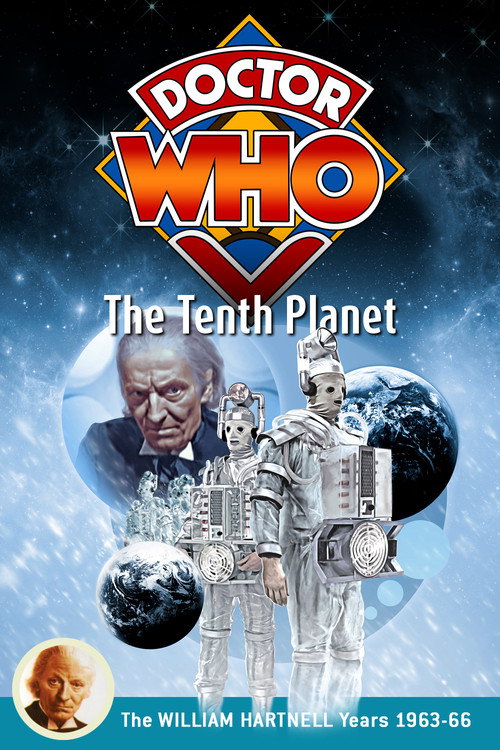
Doctor Who: The Tenth Planet1966
The Cybermen's debut, and they're genuinely creepy—more tragic than the Daleks, which gives the story a different kind of dread. Only four episodes, so it moves like a knife.
But The fourth episode is a reconstruction (the original was junked), which breaks the viewing experience. You'll notice the seam.
Not sure tonight? Get a pick in a minute, starting from Doctor Who: The Evil of the Daleks
The wildcard
Something you would not have found on your own.
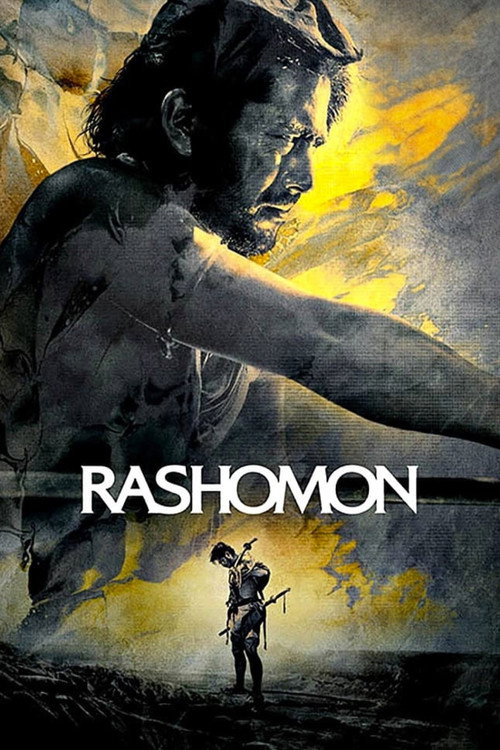
Rashomon1950
Both hinge on perspective and deception: the Doctor *appears* to betray his companions just as each witness appears to tell the truth. Neither the Doctor nor Rashomon lets you trust what you're seeing until you've heard all the versions.
The same crime witnessed four different ways, each account equally convincing and impossible to reconcile. It's the template for unreliable narrative, and it moves like nothing else from its era.
But The central event is never definitively revealed, and if you need the story to make one true shape, this will frustrate you.
More like this (7)
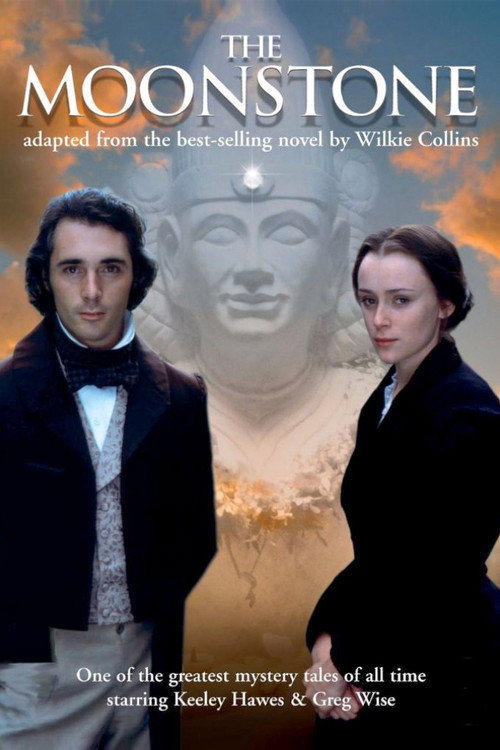
The Moonstone1996
If you love intricate plotting and unreliable perspectives, this Victorian novel has both in abundance. It's genuinely suspenseful and moves faster than you'd expect from the era.
But The prose is dense and the digressions are real. You can't skim it, and some secondary characters go on forever about nothing.
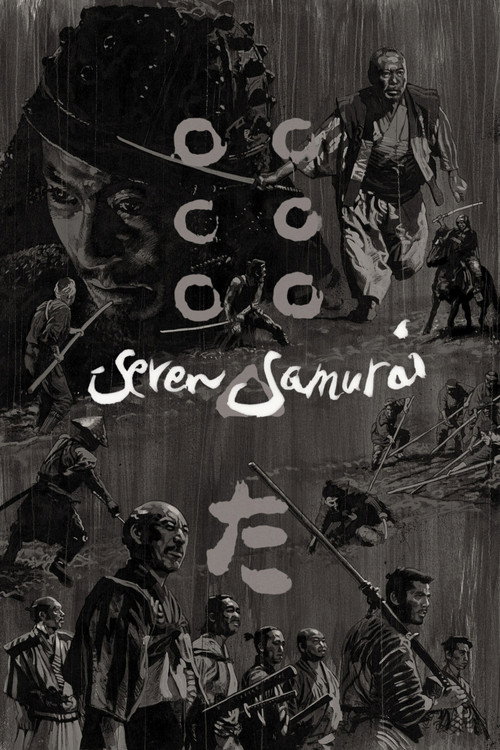
Seven Samurai1954
Three-and-a-half hours that justify every second: a masterclass in ensemble storytelling where every character has weight and agency. Kurosawa knew how to make time expand.
But The middle section is deliberately slow, building atmosphere instead of action. Patience is required, and subtitles if you haven't seen it before.
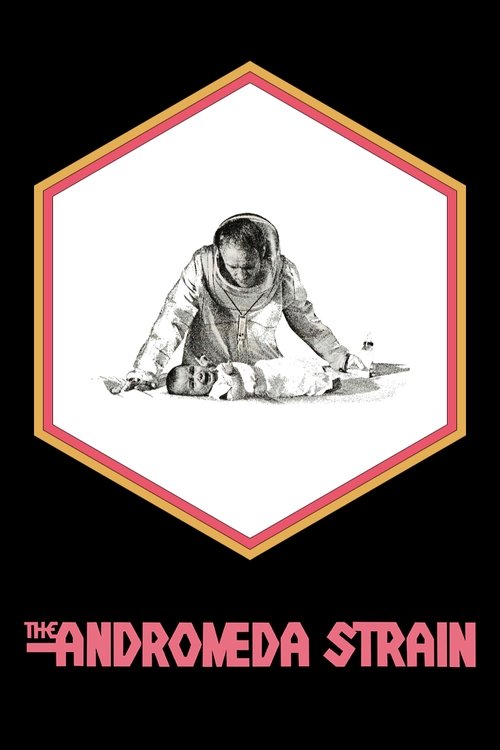
The Andromeda Strain1971
A procedural sci-fi thriller that treats the science as real and urgent. The production design is immaculate, and watching smart people solve an impossible problem is deeply satisfying.
But There are no car chases or dramatic confrontations. It's pure problem-solving, which some find boring rather than tense.
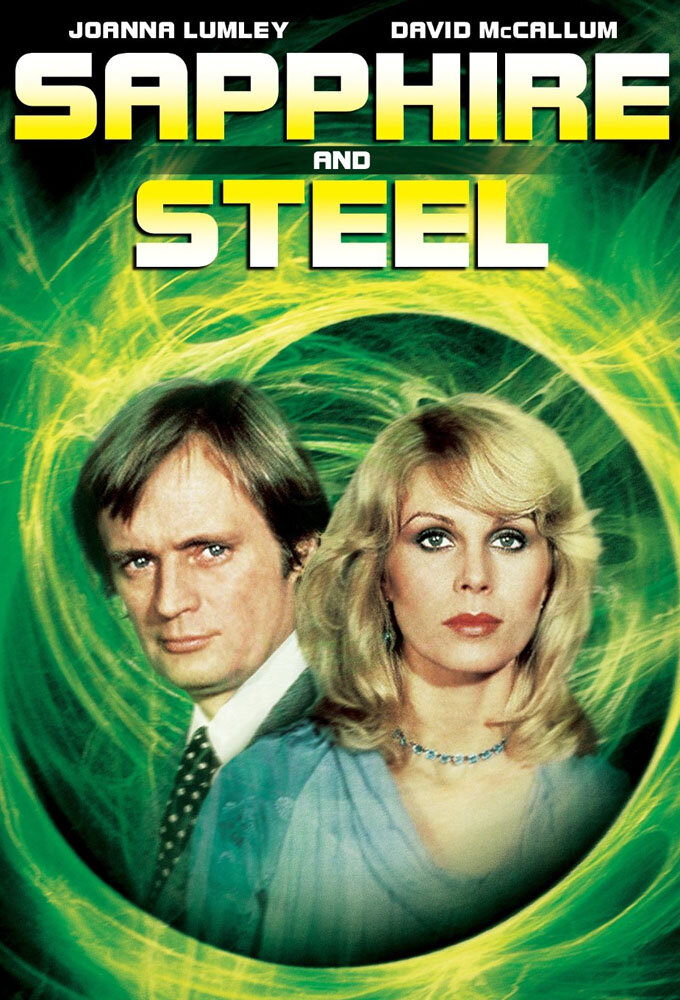
Sapphire and Steel1979
Six-episode serial that treats time itself as an antagonist. Deliberately slow-burn and eerie, with two leads who communicate in glances and intonation. Genuinely unnerving.
But The resolution is oblique and unsatisfying if you want clear answers. It's more interested in mood than plot closure.
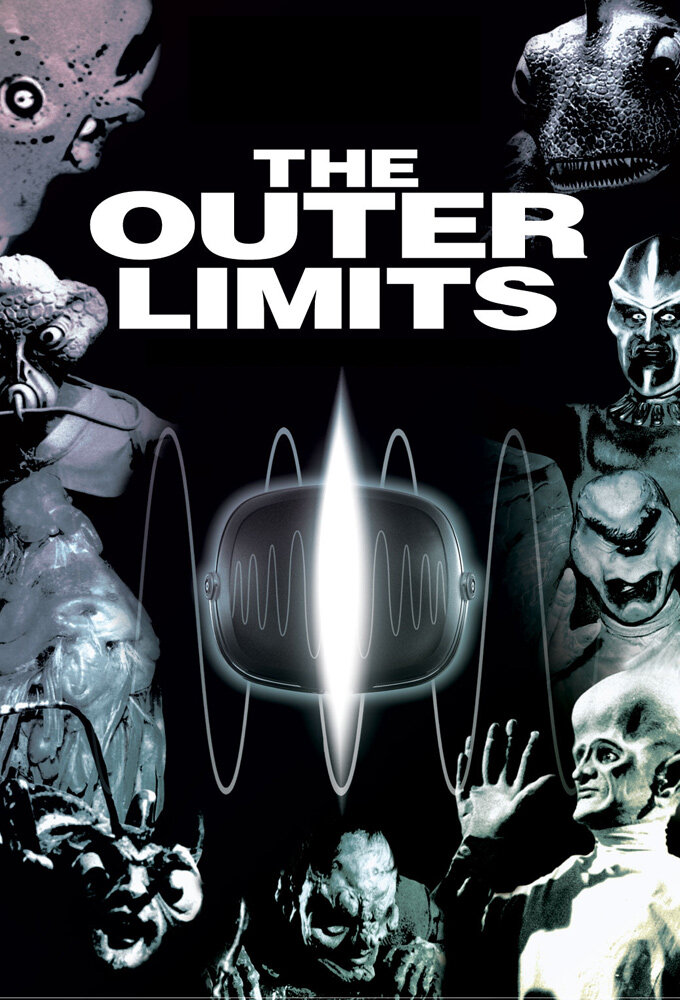
The Outer Limits1963
Thirty-minute sci-fi anthology where each episode is a self-contained idea executed with real ambition. The creature design is practical and unsettling, and the writing is sharp.
But The quality varies wildly episode to episode, and some of the practical effects have dated in ways that undercut the intended horror.
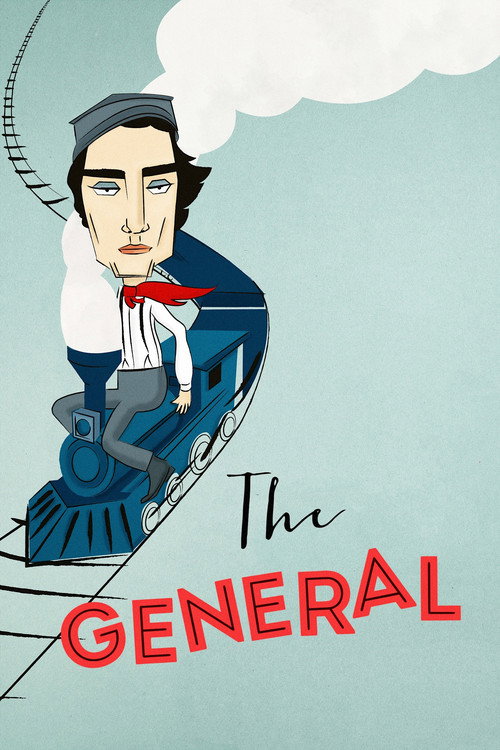
The General1926
Both are serials built on chase and complication, where the protagonist must be clever and resourceful under impossible pressure. Keaton and Troughton share a commitment to letting the audience see exactly what's happening.
Buster Keaton in a 75-minute silent film where a locomotive chase is the entire plot. The scale is staggering, the stunts are real, and the mechanical perfection of the gag-work is breathtaking.
But Silent film requires a different viewing muscle. If you can't adjust to the rhythm, it feels quaint rather than thrilling.
Come and See1985
Both take genre premises—alien invasion, war—and strip away sentimentality to ask what would *actually* happen if this conflict occurred. Both demand the audience sit with discomfort rather than resolve it neatly.
A Eastern European war film that treats violence as genuinely horrifying rather than exciting. Shot with such clarity and physicality that you cannot look away or distance yourself from what you're watching.
But It is one of the most brutal films ever made. The final image will stay with you for years. Do not watch this expecting entertainment.

People
Cast
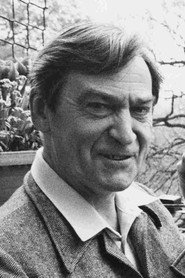 Patrick TroughtonThe Doctor
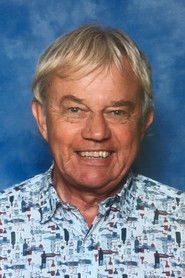 Frazer HinesJamie McCrimmon
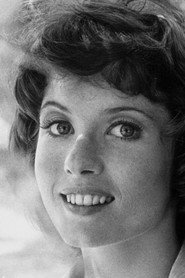 Deborah WatlingVictoria Waterfield
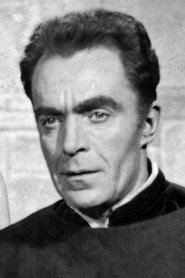 John BaileyEdward Waterfield
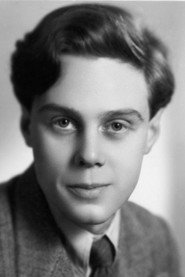 Marius GoringTheodore Maxtible
 Brigit ForsythRuth Maxtible
- Geoffrey ColvillePerry
- Griffith DaviesKennedy
- Alec RossBob Hall
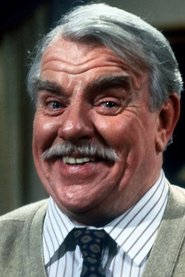 Windsor DaviesToby
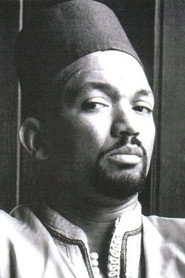 Sonny CaldinezKemel
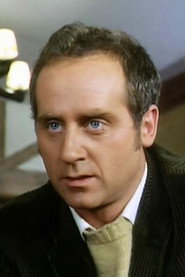 Gary WatsonArthur Terrall
Directing
- Derek MartinusDirector
Writing
- Gerry DavisScript Editor
- Peter BryantScript Editor
- David WhitakerWriter
Production
- Peter BryantAssociate Producer
- Innes LloydProducer
- Timothy CombeProduction Assistant