
Film
Our Vines Have Tender Grapes
- Drama
- Slow-burning
A 1945 family drama set in a Norwegian-American farming community in Wisconsin. Edward G. Robinson anchors this gentle, episodic film about two cousins navigating childhood amid seasonal rhythms and small-town life. Warm without being saccharine, it captures the texture of rural America with real affection and restraint. For viewers who want their Americana honest.
If you liked this
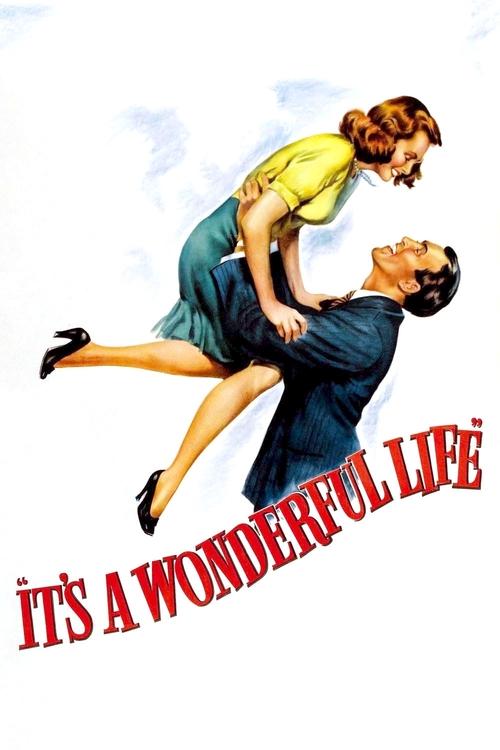
It's a Wonderful Life1946
Capra's equally beloved portrait of small-town America, built on the same foundation of ordinary lives containing genuine meaning. Both films trust their communities and their characters without condescension.
But The sentimentality can feel oppressive on repeat viewings, and George Bailey's crisis has overshadowed the quieter virtues of the film itself.
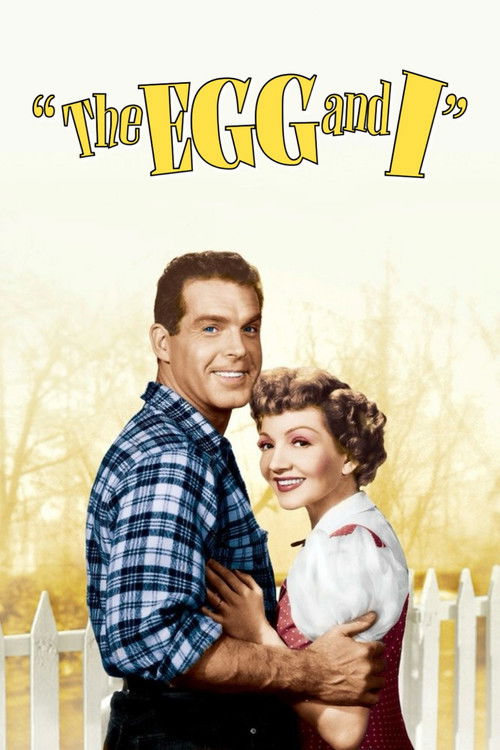
The Egg and I1947
Similar postwar warmth about settlers building a life in unfamiliar American terrain. Claudette Colbert and Fred MacMurray navigate community and belonging with the same unhurried sincerity that Robinson brings here.
But The pacing is glacial by modern standards, and the 1940s attitudes toward Native Americans haven't aged well.
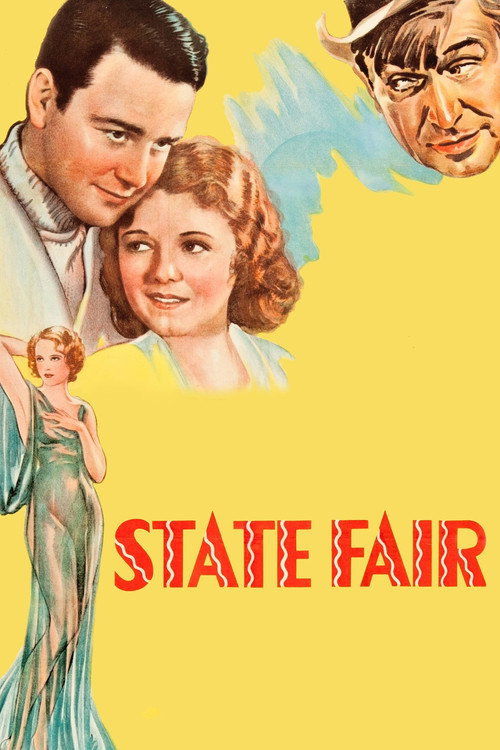
State Fair1933
Rodgers and Hammerstein's musical about rural American life and family rituals. The same episodic, affectionate structure—a community and a season, small dramas that matter enormously to those living them.
But If you're not ready to surrender to a cheerful musical, the brightness might feel relentless rather than earned.
Not sure tonight? Get a pick in a minute, starting from Our Vines Have Tender Grapes
The wildcard
Something you would not have found on your own.
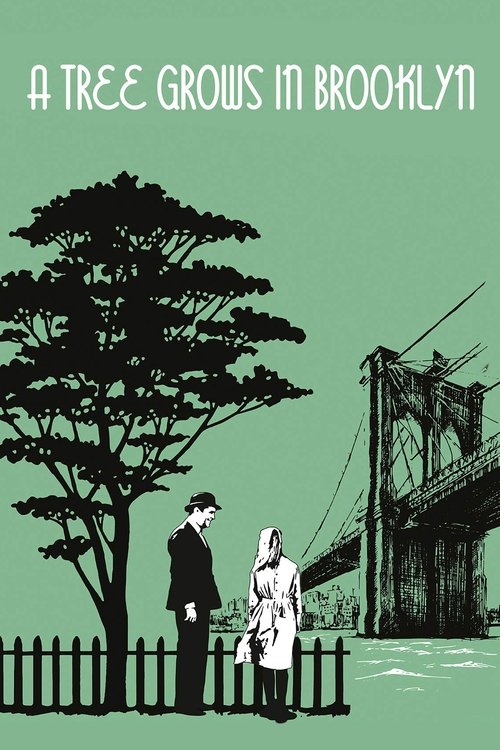
A Tree Grows in Brooklyn1945
Both films from 1945 trust children as the measure of a community's health. Both build meaning from ordinary days rather than plot events. One is rural and Norwegian-American; one is urban and Irish-American. Together they suggest what American cinema believed about childhood and place in that precise moment after the war.
Released the same year as Robinson's film, this is its urban mirror—the same attention to children's inner lives, the same episodic structure following seasons and growth, the same refusal to simplify poverty or struggle. But here the community is tenement Brooklyn, and the texture is grittier.
But The film refuses easy comfort. There is real hardship, real failure, and moments of genuine darkness. It's not cozy.
More like this (7)
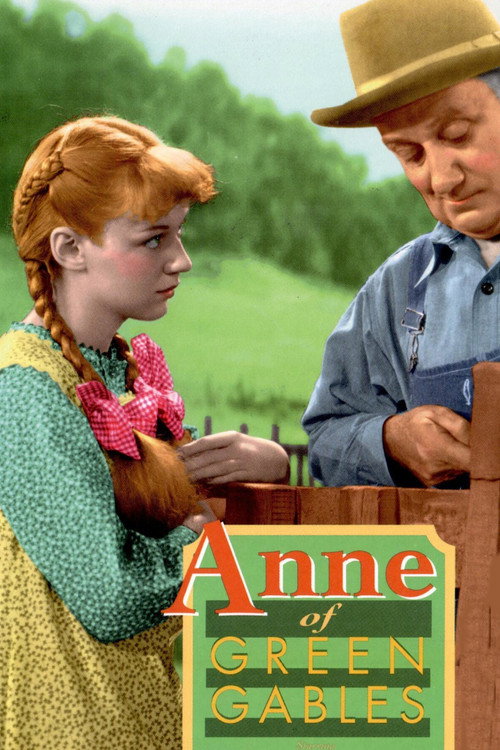
Anne of Green Gables1934
Another 1930s gem about a young outsider finding home in a close-knit community. The attention to the inner lives of children and the small moments of connection mirrors what Robinson's film does so well.
But The whimsy can tip into cloying, and the film is very much a product of its era's approach to children and education.
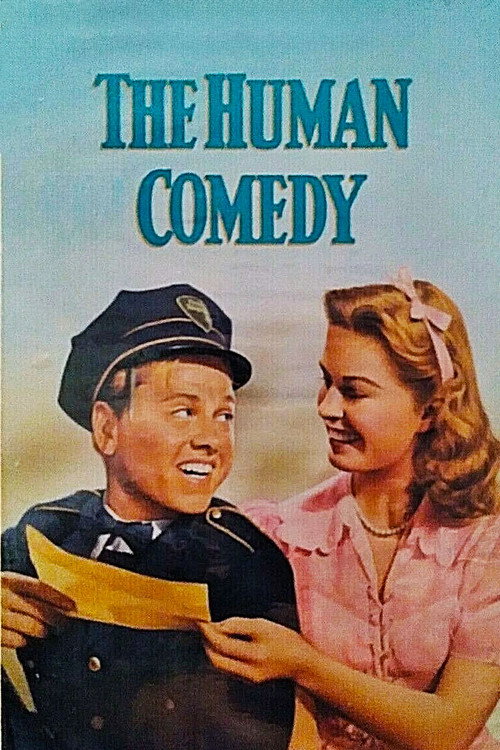
The Human Comedy1943
William Saroyan's loose, episodic portrait of a small California town during wartime. The same faith in ordinary people and their daily kindnesses; the same refusal to turn American life into something grand or false.
But The episodic structure means there's no driving narrative—some viewers find it scattered rather than meditative.
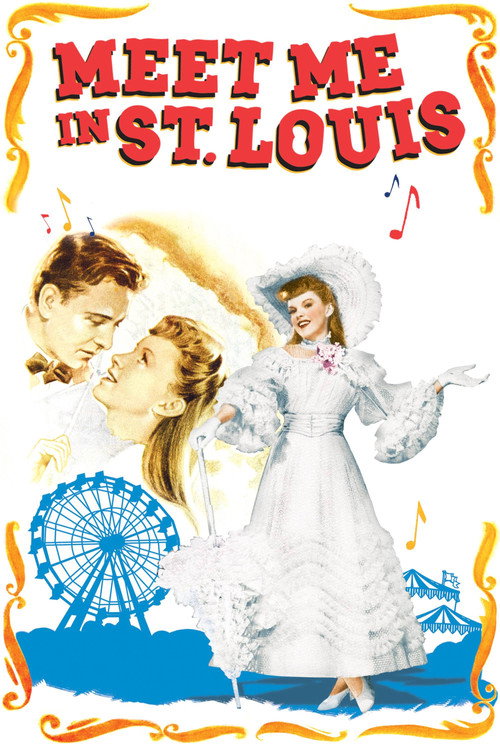
Meet Me in St. Louis1944
Vincente Minnelli's musical about a family's year and seasons, built on similar rhythms of small dramas and familial love. Judy Garland's genuine warmth echoes Margaret O'Brien's naturalism.
But The musical numbers interrupt the intimate family texture, and the film's nostalgia can feel more performed than felt.
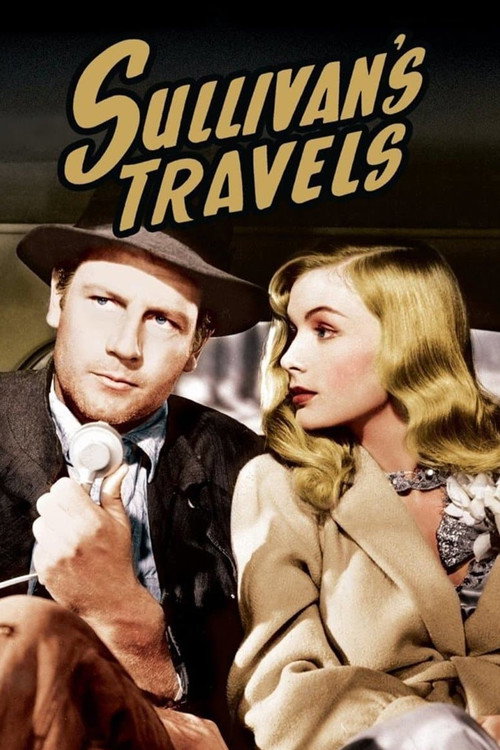
Sullivan's Travels1941
Preston Sturges's sharp meditation on what ordinary American life looks like and why it matters. The second half shifts into the same register of real community that Robinson's film inhabits so naturally.
But The tonal shift from comedy to something graver might feel abrupt, and the first half's screwball energy feels disconnected from the ending.
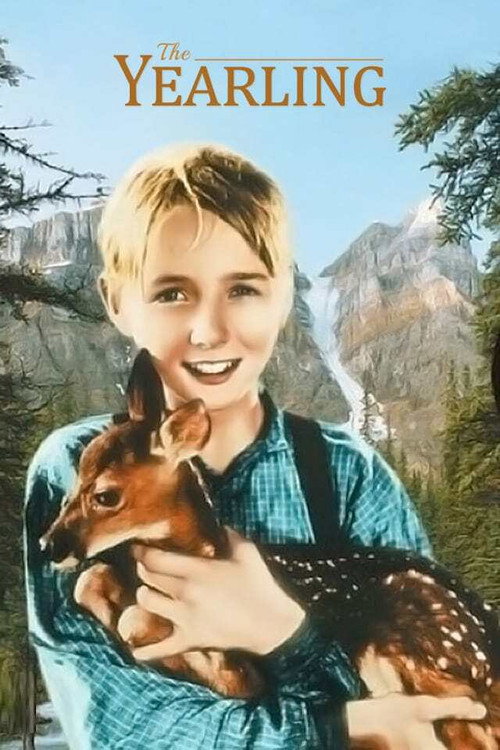
The Yearling1946
Another postwar family drama about childhood in rural America. Gregory Peck and Jane Wyman anchor a story about learning and loss that trusts both its landscape and its characters' interior lives.
But The hunting and animal themes are genuinely distressing; some scenes of death and injury are difficult to watch.
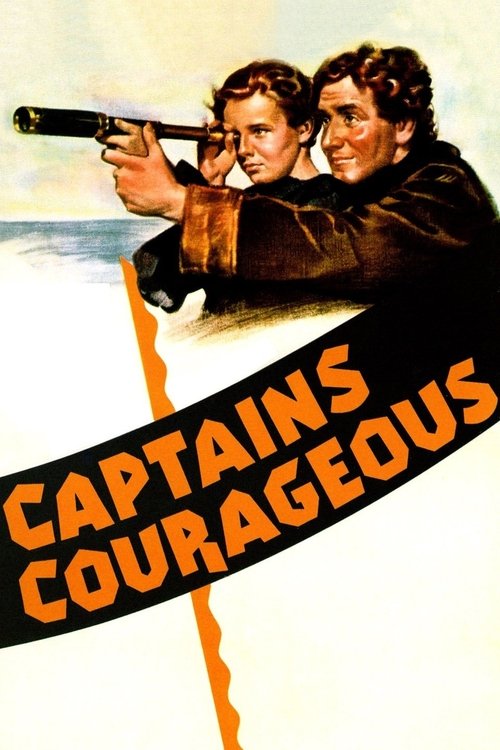
Captains Courageous1937
Spencer Tracy's rugged warmth and Spencer's episodic growth aboard a fishing vessel. A similar belief that character emerges through work, community, and the natural world.
But The pacing is very slow, and the film's beliefs about masculinity and discipline feel period-specific in ways that can grate.
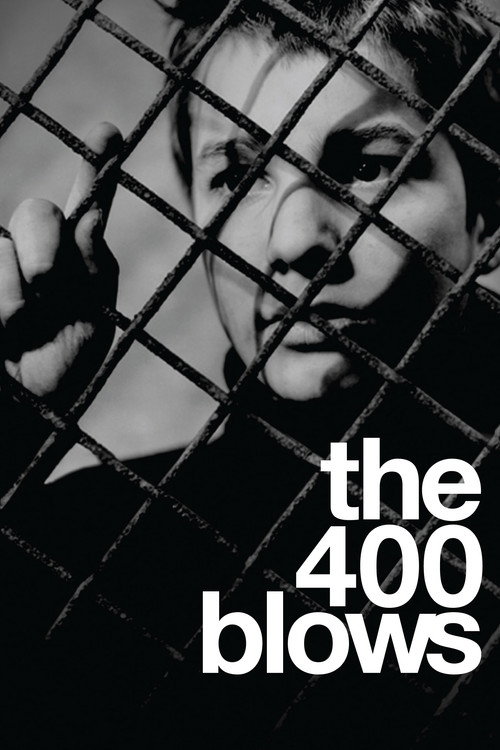
The 400 Blows1959
Both films are built from the texture of a child's attention and the rhythm of seasons. Both trust viewers to sit with small moments. But they reach opposite conclusions about whether a community catches you or lets you fall. Watching them together—one American, one French; one rural, one urban; one from 1945, one from 1959—shows how cinema thought about childhood differently across borders and time.
Truffaut's revolutionary portrait of childhood in Paris. Like Robinson's film, it moves episodically through a season of a young person's life, watching how the world shapes them. But where Our Vines offers community and belonging, this offers alienation and the beginning of awareness that the world is not built for you.
But It's in French, it moves at its own pace, and it ends on genuine desolation rather than reconciliation. It is, by design, uncomfortable.
People
Cast
 Edward G. RobinsonMartinius Jacobson
 Margaret O'BrienSelma Jacobson
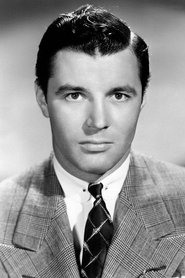 James CraigNels Halverson
 Frances GiffordViola Johnson
 Agnes MooreheadBruna Jacobson
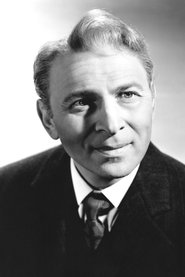 Morris CarnovskyBjorn Bjornson
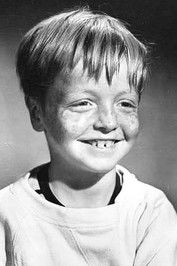 Jackie 'Butch' JenkinsArnold Hanson
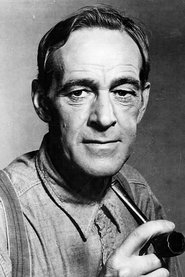 Arthur SpacePete Hanson
 Francis PierlotMinister
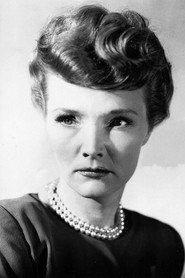 Elizabeth RussellKola Hanson
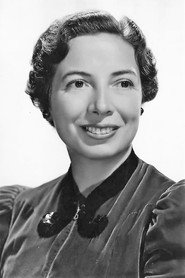 Sara HadenMrs. Bjornson
 Dorothy MorrisIngeborg Jensen
Directing
- Horace HoughAssistant Director
- Roy RowlandDirector
Writing
- George Victor MartinNovel
- Dalton TrumboScreenplay
Production
- Robert SiskProducer
- Keith WeeksUnit Manager