
Film
Sunday Dinner for a Soldier
A modest Florida family scrapes together their savings to host a soldier for Sunday dinner during WWII, but a mix-up sends a stranger instead. What emerges is a tender wartime romance wrapped in genuine affection for ordinary people—the kind of small-scale human story Hollywood made with real warmth in the 1940s. It's gentle, unpretentious, and deeply felt.
If you liked this
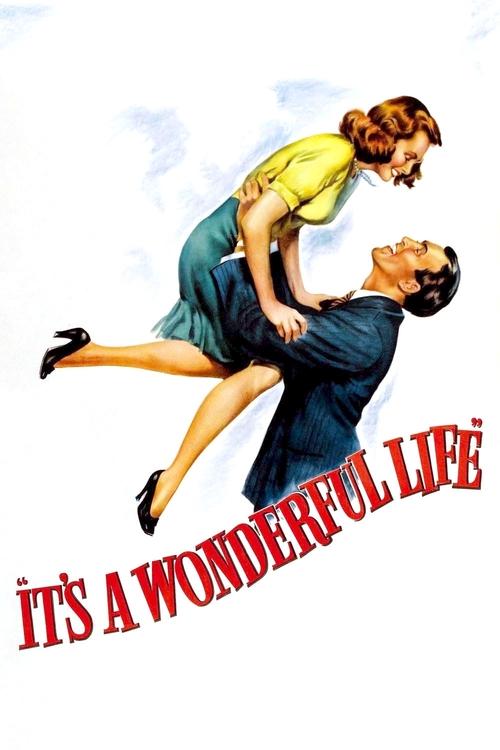
It's a Wonderful Life1946
Both center an ordinary American family's quiet decency and the ripple effects of small kindnesses. Capra captures that same faith in everyday people that makes Sunday Dinner so moving—the belief that ordinary lives matter.
But It's been sentimentalized to death by repeat viewing and commercial use. The ending can feel saccharine if you're not in the right frame of mind, and the length might test patience.
The Best Years of Our Lives1946
A post-war masterpiece about soldiers returning home and rebuilding civilian lives. It has the same emotional authenticity, the same investment in working people, and captures the era's genuine uncertainty about the future.
But At over three hours, it demands real commitment. Some characters are more developed than others, and it can feel slow if you're not ready for its deliberate pace.

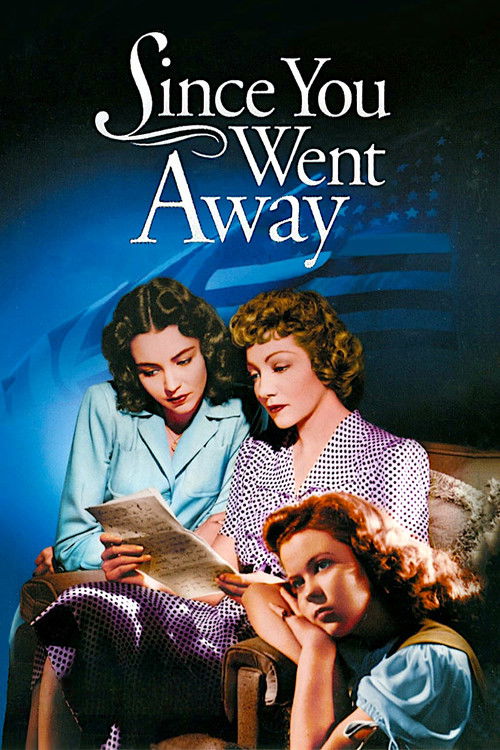
Since You Went Away1944
Selznick's wartime melodrama about a family holding together while the father fights overseas. It shares the homefront perspective, the focus on women's resilience, and that Forties sincerity about sacrifice and duty.
But It's unabashedly sentimental and runs nearly three hours. The patriotic messaging is thick, and some of the emotional beats land with less subtlety than they intend.
Not sure tonight? Get a pick in a minute, starting from Sunday Dinner for a Soldier
The wildcard
Something you would not have found on your own.
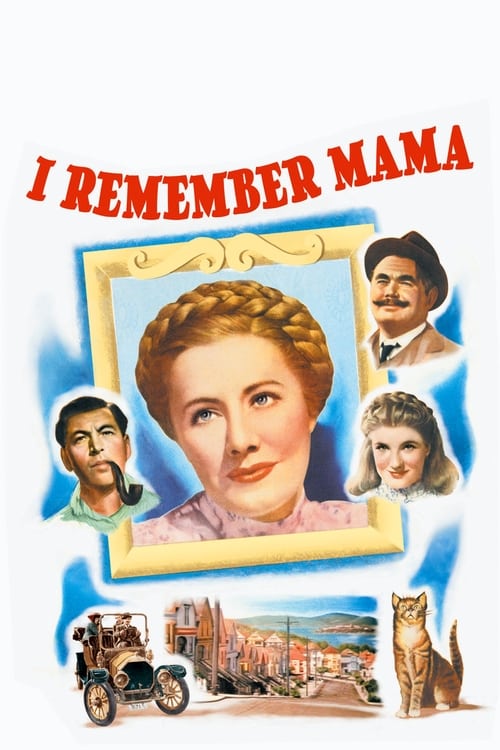
I Remember Mama1948
Both films believe that Sunday dinner—the ritual of family gathering—is where the real drama of human life lives.
Barbara Bel Geddes as a Norwegian-American girl remembering her immigrant family's life. It's structured as memory, not plot, focusing on small domestic moments and the quiet strength of mothers. Like Sunday Dinner, it finds profound meaning in feeding people and holding families together.
But There's almost no dramatic conflict. It's a series of vignettes, and if you need propulsive plot, you'll find it meandering and slight.
More like this (7)
A Tree Grows in Brooklyn1945
Set among poor New Yorkers, it has that same tender regard for working families trying to make dignity from nothing. Kazan directs with such care for his characters' inner lives, and the performances feel lived-in rather than acted.
But The poverty imagery, while respectful, can feel like a well-meaning tour of hardship. Some younger viewers might find it slow or overly nostalgic.

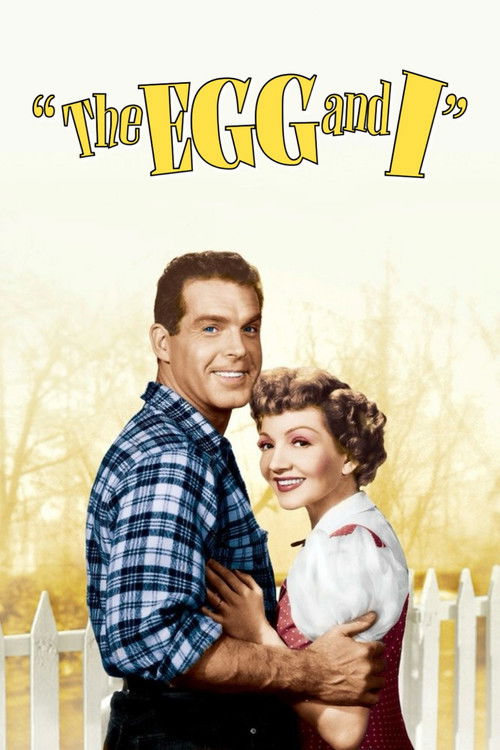
The Egg and I1947
Claudette Colbert and Fred MacMurray navigate rural life and marriage with warmth and comedy. It has the same focus on ordinary domestic life as a source of meaning, plus genuine chemistry and humor.
But The gender roles are locked firmly in the Forties. It's lighter than Sunday Dinner and less interested in emotional depth—more a romantic romp than a character study.
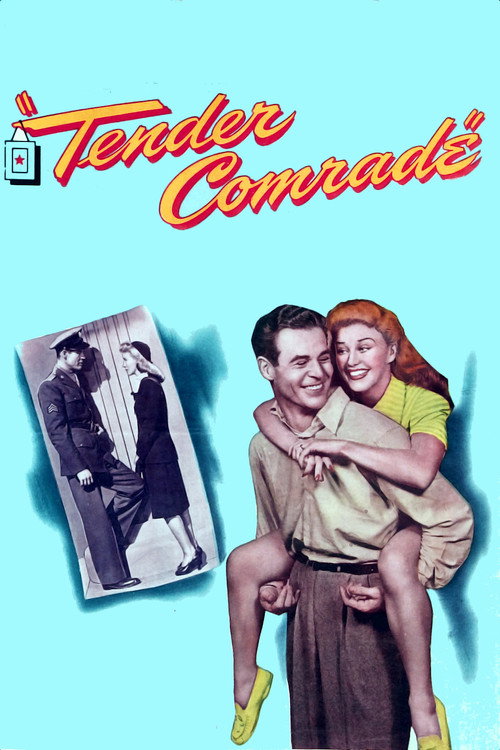
Tender Comrade1944
Ginger Rogers leads a film about working women supporting each other while their men fight. It's earnest, focused on female friendship and resilience, and genuinely moved by ordinary people's sacrifices.
But It's a propaganda film and wears its message heavily. The politics are heavy-handed, and the film's reputation was damaged by Cold War recriminations that overshadow its actual content.
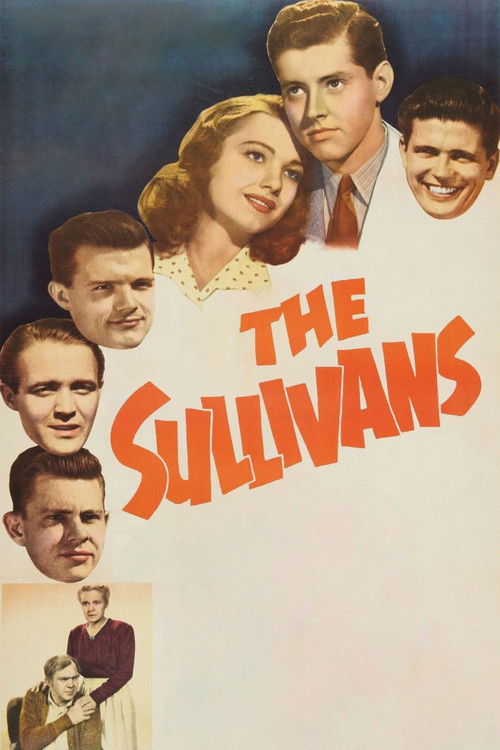
The Fighting Sullivans1944
Based on the true story of five brothers, all killed when their ship was torpedoed. It's a working-class tragedy told with documentary-like restraint. The family scenes have real warmth before the devastation arrives.
But It's genuinely bleak and doesn't offer much comfort. The ending is historically predetermined, which removes suspense and leaves only the weight of inevitability.
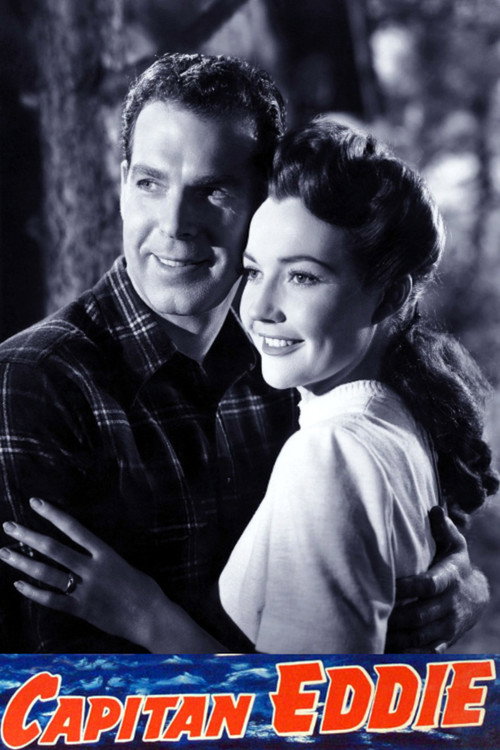
Captain Eddie1945
Fred MacMurray in a biographical war film about a pilot's life, mixing action with homefront scenes of ordinary Americans. It has that Forties faith in decency and duty, delivered without cynicism.
But It's fairly conventional in structure and sometimes feels like a recruitment film. The aerial sequences can't save it from occasional narrative stiffness.
Practically Yours1944
Claudette Colbert and Fred MacMurray in a romantic comedy set during wartime about mistaken identity and genuine feeling. It's lighter than Sunday Dinner but shares that affection for ordinary people and earnest emotion.
But It's primarily a rom-com, so emotional stakes are lower and humor is the priority. Some of the misunderstanding plot mechanics feel contrived even by Forties standards.

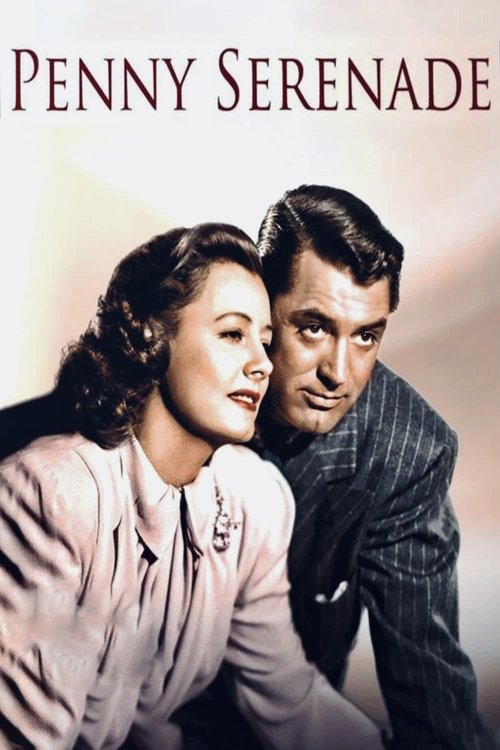
Penny Serenade1941
Both films locate deep emotion in domestic spaces and ordinary moments, and both trust that small, quiet scenes can devastate without melodrama.
Cary Grant and Irene Dunne in a quiet film about a couple's marriage told through memory, punctuated by records they've collected. It's achingly about how ordinary couples build lives together despite grief and disappointment. The film trusts its audience to feel without telling them.
But Grant plays completely against type—no charm, no comedy, just a man trying to hold his marriage together. If you want Cary Grant, this isn't it. And the pacing is deliberately meditative to the point of melancholy.
People
Cast
 Anne BaxterTessa Osborne
 John HodiakSgt. Eric Moore
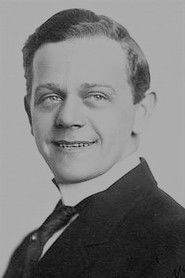 Charles WinningerDudley 'Granfeathers' Osborne
 Connie MarshallMary Osborne
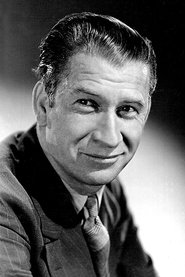 Chill WillsMr. York
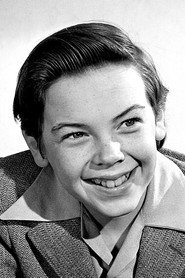 Bobby DriscollJeep Osborne
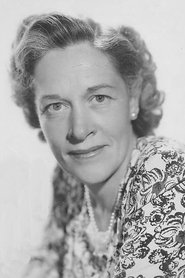 Anne RevereAgatha Butterfield
Directing
- Lloyd BaconDirector
Writing
- Melvin LevyWriter
- Wanda TuchockWriter
Production
- Walter MoroscoProducer
- Frances C. RichardsonResearcher