
Film
A Kid for Two Farthings
A 1955 British drama about a working-class boy who buys a one-horned goat, believing it's a wish-granting unicorn. Tender and unsentimental, it captures postwar London through a child's determined magical thinking. A story about hope in cramped circumstances, told with warmth and without condescension. For anyone who loved the gentleness of early Ealing or admires films that trust their audience's emotional intelligence.
If you liked this
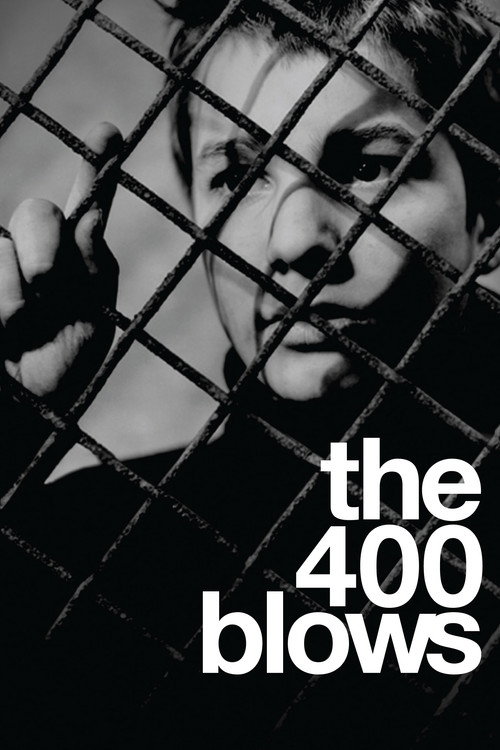
The 400 Blows1959
Truffaut's portrait of a Parisian boy adrift in an indifferent system has the same ache—childhood loneliness, adult incomprehension, small acts of rebellion. Shot with such clarity you feel the cold.
But It's deliberately slow and offers no easy answers. The famous ending divides people sharply.
Kes1970
Ken Loach's film about a Yorkshire boy and his falcon shares the same DNA: a kid from nothing finding grace through an animal, set against grim social reality. Unflinching and deeply moving.
But The violence and cruelty are not softened for effect. It can feel punishing to watch.

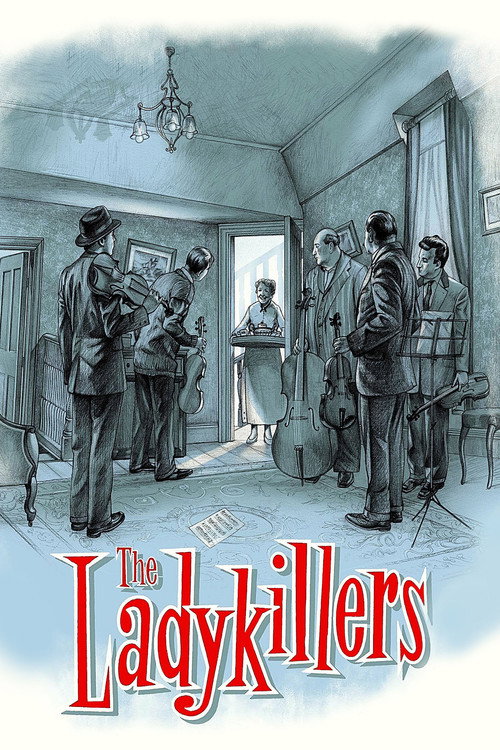
The Ladykillers1955
Also 1955, also set in London's working streets, this Ealing comedy has the same affection for character and place. A completely different tone, but the same eye for detail and humanity.
But It's a heist comedy, not a drama. If you're seeking the emotional weight of *Kid*, this trades it for laughs.
Not sure tonight? Get a pick in a minute, starting from A Kid for Two Farthings
The wildcard
Something you would not have found on your own.
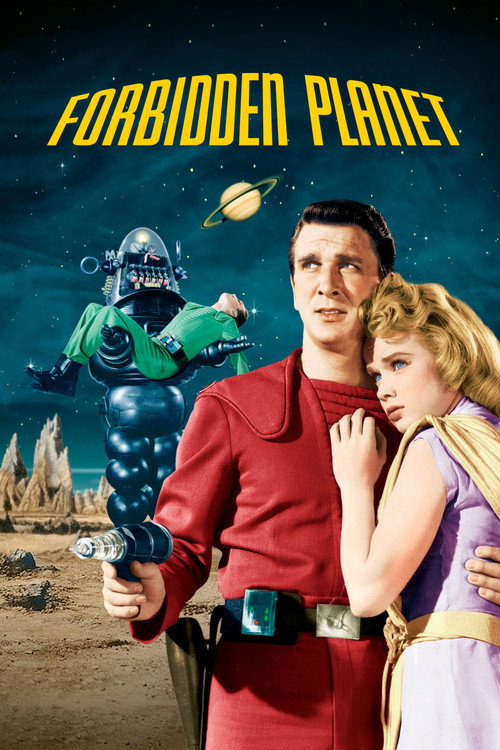
Forbidden Planet1956
Both films stage the same central argument: can imagination survive contact with the world? Both answer: yes, but not unchanged.
A year after *Kid*, this science-fiction film uses a similar structure: a child's magical thinking (Robby the robot as wish-granter) collides with adult reality on another world. The goat becomes technology, but the heart is identical.
But It's Space Opera, full of 1950s retrofuturism and Shakespearean plot machinery. Expecting intimate social realism will leave you cold.
More like this (8)
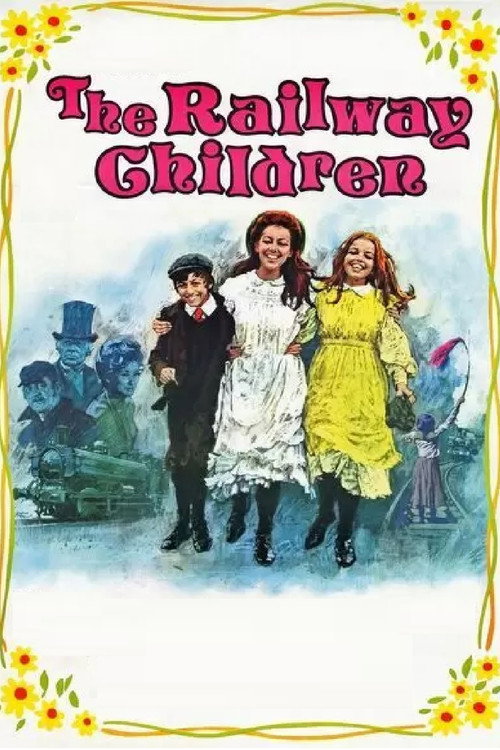
The Railway Children1970
Lionel Jeffries captures that same magical-thinking childhood, siblings against the world, small kindnesses blooming in hardship. Wonderfully cast, genuinely moving without ever trying too hard.
But It's more overtly sentimental. Some find it saccharine; others find that entirely the point.
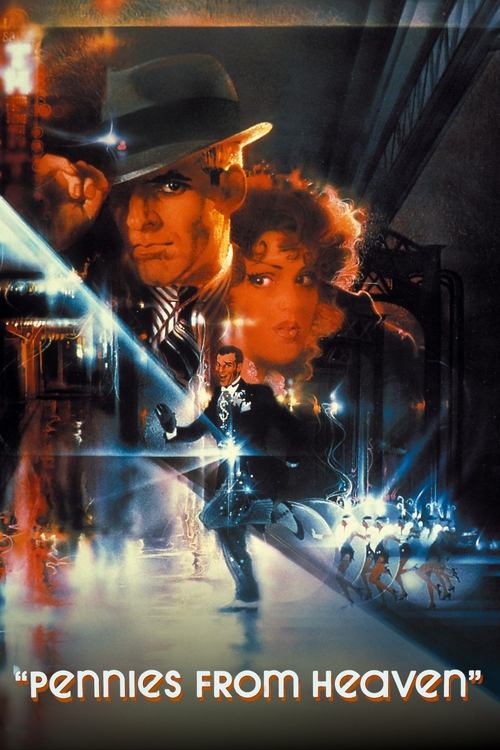
Pennies from Heaven1981
Pam St. Clement in a story of working-poor life and thwarted dreams. Less whimsical than *Kid*, but the same affection for ordinary people and the same refusal to make poverty poetic.
But It's considerably darker. The magic here is bitterly scarce. Some scenes are genuinely difficult.
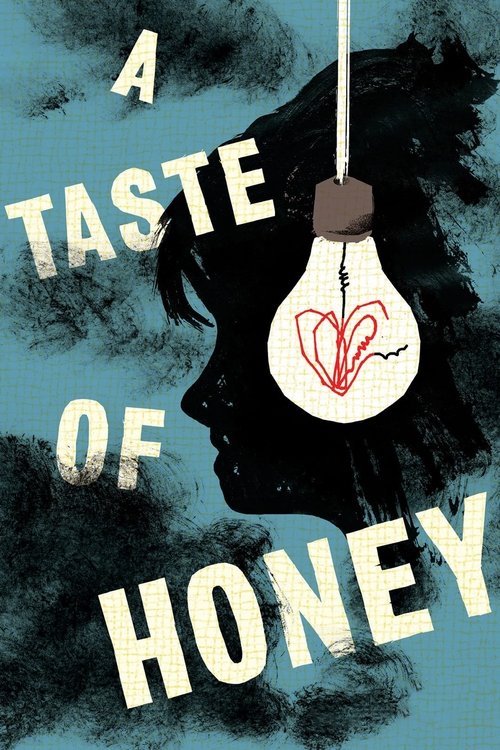
A Taste of Honey1961
Working-class Manchester, a girl and her mother, a tailor figure in the background—similar scaffolding, similar warmth towards flawed people. The performances are extraordinary.
But Much grittier. Sex, racism, and pregnancy are not handled gently. It's not a fairy tale.
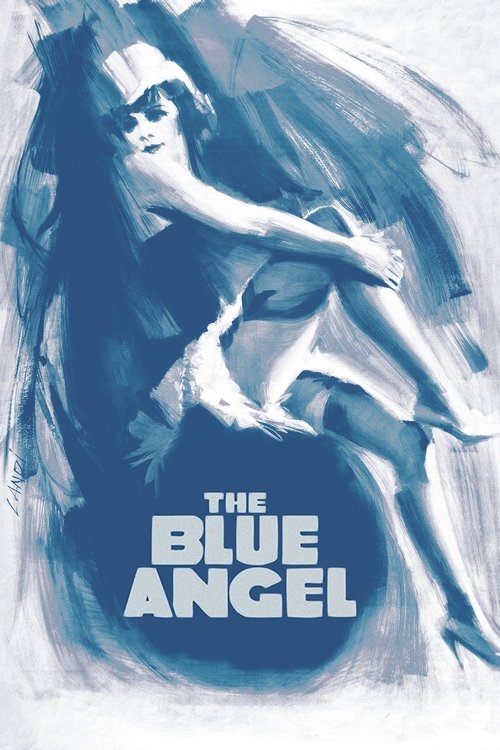
The Blue Angel1930
An earlier vision of adults telling stories that shape children's lives. The German setting and era give it a different texture, but the theme of how imagination meets reality is identical.
But It's a talkie from 1930, shot in German with subtitles. The pacing is glacial by modern standards.
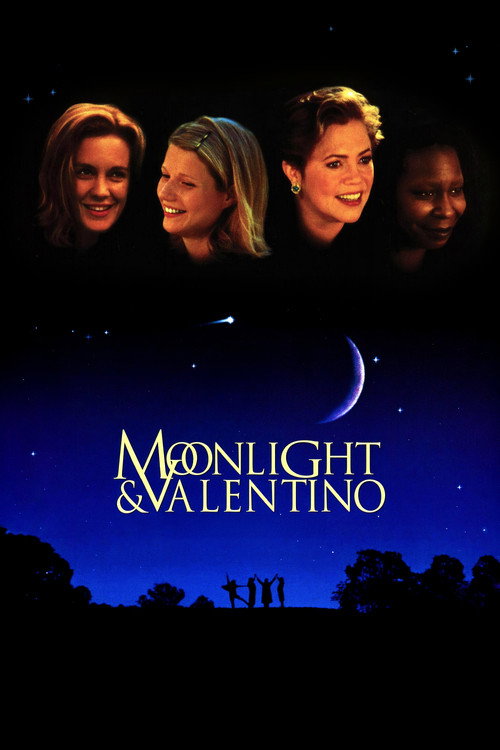
Moonlight and Valentino1995
Four women processing grief and hope in a small apartment. Not about a child, but the same quiet focus on how people endure, how small gestures hold weight, how life continues.
But It's entirely adult and entirely interior. There's no plot to speak of, just conversation and feeling.
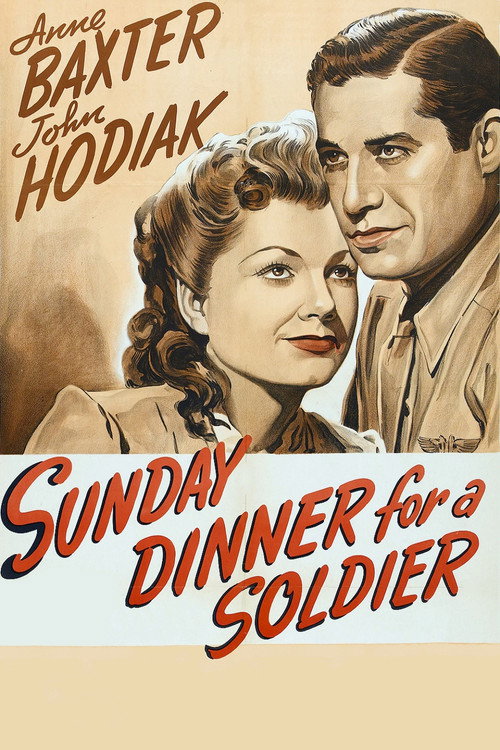
Sunday Dinner for a Soldier1944
A working family invites a serviceman to dinner; the evening becomes a study in how ordinary people show love. Pre-dates *Kid* but shares its faith in small gestures and human decency.
But It's a wartime American film, which means it can feel propaganda-adjacent. The sentiment is genuine, but the context is loud.
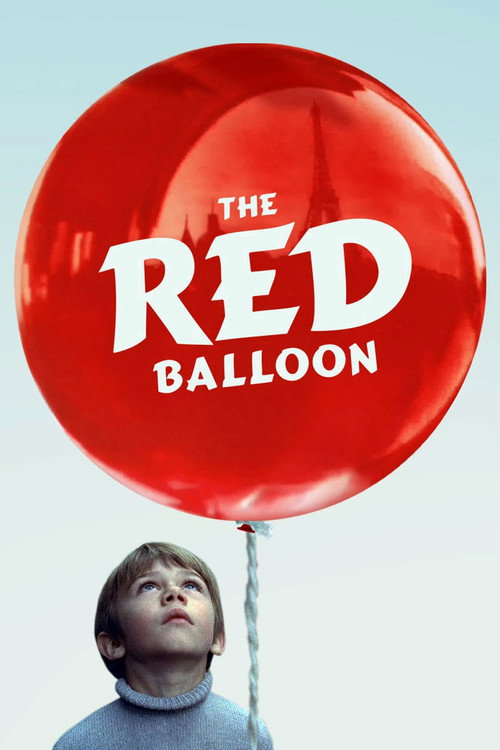
The Red Balloon1956
Both are fables about childhood enchantment set against urban poverty, both trust the audience to feel without explanation, both were made in the same year and share a post-war European sensibility.
A French boy and a red balloon. Wordless, fantastical, utterly unsentimental. The balloon is his unicorn—an object of impossible hope in a grey city. Shot like poetry.
But No dialogue. Fewer than 50 words spoken in the entire film. Some find it precious; others find it mannered.
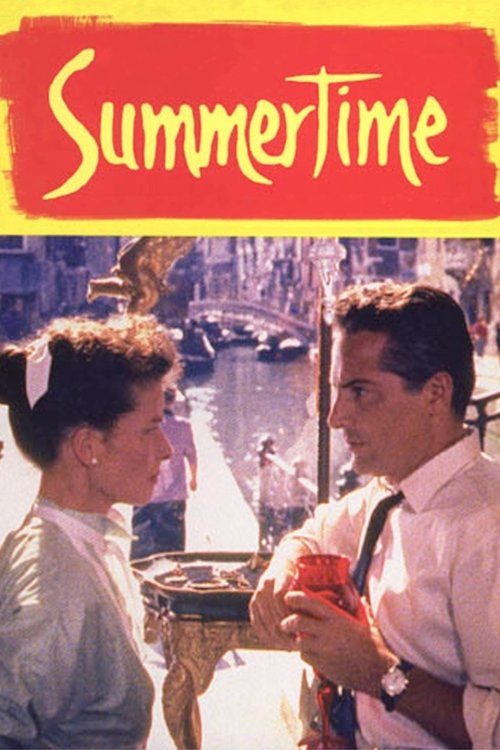
Summertime1955
Both Lean films from 1955 ask: how do people hold onto hope? One says through magic (a goat), one says through love (Venice). The engine is identical; the fuel is different.
Katharine Hepburn in Venice, a tourist falling in love with a place and a person. Same year, same director (David Lean), utterly different in scale and tone—but the same belief that ordinary people deserve beauty and that wishing matters.
But It's glossy Hollywood romance, not gritty realism. Some see it as escapist where *Kid* is grounded. Venice is not East London.
People
Cast
 Celia JohnsonJoanna
 Diana DorsSonia
 David KossoffAvrom Kandinsky
 Joe RobinsonSam Heppner

 Brenda De BanzieLady Ruby
 Primo CarneraPython Macklin
 Lou JacobiBlackie Isaacs
 Sidney JamesIce Berg
 Irene HandlMrs. Abramowitz
 Sydney TaflerMadam Rita
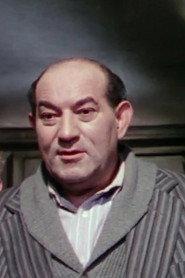 Danny GreenBully Bason
Directing
- John BremerAssistant Director
- Carol ReedDirector
- Jack N. GreenThird Assistant Director
Writing
- Wolf MankowitzNovel
- Wolf MankowitzScreenplay
Production
- Alexander KordaExecutive Producer
- Carol ReedProducer
- John PalmerProduction Manager
- Margaret TownsendProduction Secretary