
Film
Practically Yours
- Screwball comedy
- Light-hearted
A wartime screwball comedy where a pilot declared dead gets confused in press reports with his actual romantic feelings, leading to a young woman believing he's in love with her. It's got the rapid-fire dialogue and physical farce of 1940s Hollywood at its best: smart, preposterous, and impossible not to smile at. For anyone who loves the era's comedic timing.
If you liked this
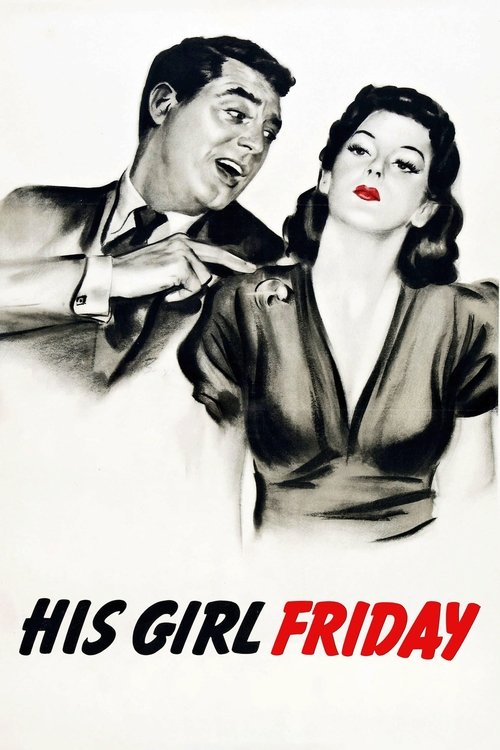
His Girl Friday1940
Breakneck dialogue, genuine chemistry, and Rosalind Russell running circles around everyone on screen. If you love the screwball energy of Practically Yours, this is where that style reached its peak.
But The banter can feel airless if you're not in the mood for pure linguistic speed; there's no real emotional breathing room.
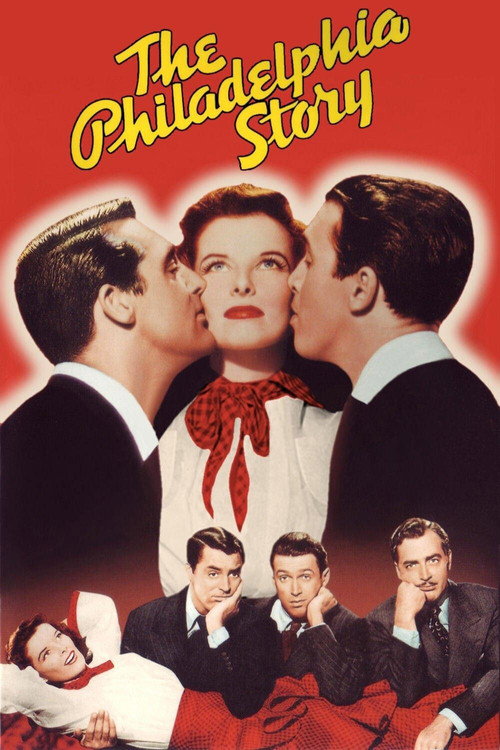
The Philadelphia Story1940
Cary Grant, Jimmy Stewart, and Katharine Hepburn tangling over love and deception in the same buoyant register. It's screwball romance done with real wit and genuine stakes underneath the chaos.
But It's very polished and pretty, which some find emotionally distant—a film for watching rather than feeling.
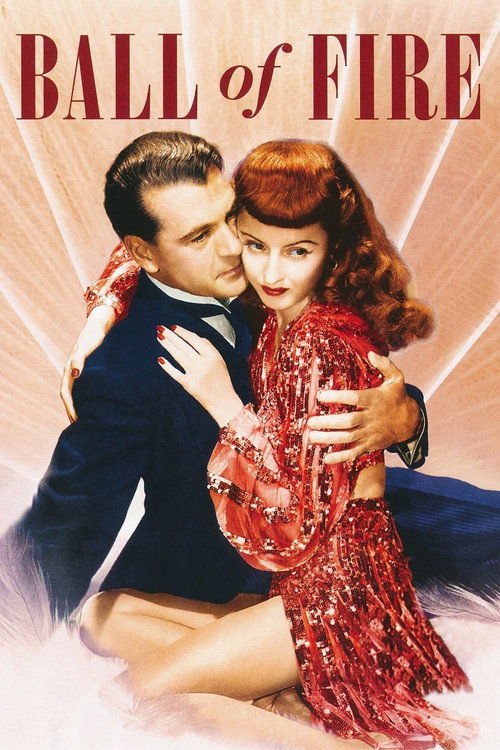
Ball of Fire1941
Barbara Stanwyck lights up every frame as a nightclub singer hiding out with seven professors. Howard Hawks directs the chaos with perfect timing, and the romance builds underneath the comedy beautifully.
But It's a long setup before the real plot kicks in, and the tone lurches between screwball and something darker than some prefer.
Not sure tonight? Get a pick in a minute, starting from Practically Yours
The wildcard
Something you would not have found on your own.
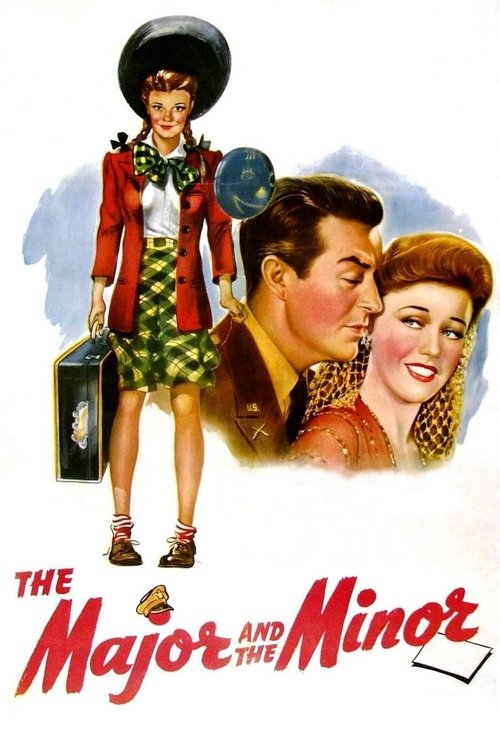
The Major and the Minor1942
Both films hinge on mistaken identity and the lead character going along with a false impression to avoid embarrassment; both are working out what happens when a lie has its own momentum.
Ginger Rogers disguises herself as a child to get a train fare, then has to maintain the lie. Billy Wilder directed this before he became Wilder, and the premise is anarchic enough to feel genuinely dangerous underneath the comedy.
But The central premise—a woman pretending to be a child, played for laughs—lands very differently now than it did in 1942, and will make modern viewers uncomfortable.
More like this (8)
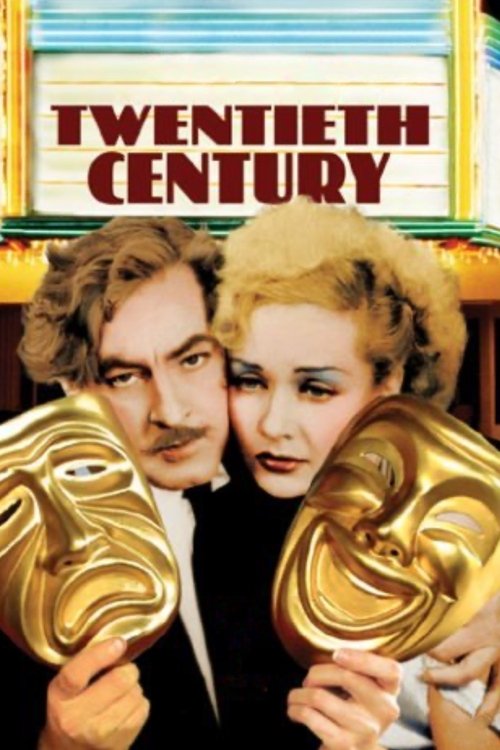
Twentieth Century1934
John Barrymore and Carole Lombard in a comedy about two theater people whose antagonism masks attraction. It's theatrical, mannered, and utterly committed to its own ridiculous energy.
But The theatrical register is extremely broad; if you don't surrender to the artifice, it reads as affected.
It Happened One Night1934
Clark Gable and Claudette Colbert on the road, bickering their way toward inevitable romance. It's charming, grounded compared to wilder comedies, and has a genuine warmth under the humor.
But For modern tastes, it feels slower and less anarchic than the screwball peak; the pace is almost romantic-drama-like.

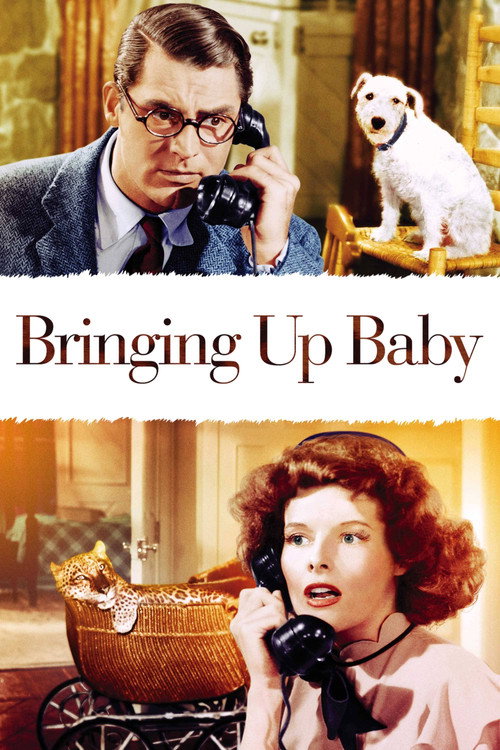
Bringing Up Baby1938
Cary Grant tries to stay dignified while Katharine Hepburn and a leopard destroy his entire life. Howard Hawks choreographs controlled chaos, and the script is endlessly quotable.
But The plot is paper-thin and deliberately nonsensical; if you need narrative logic, this will frustrate you.
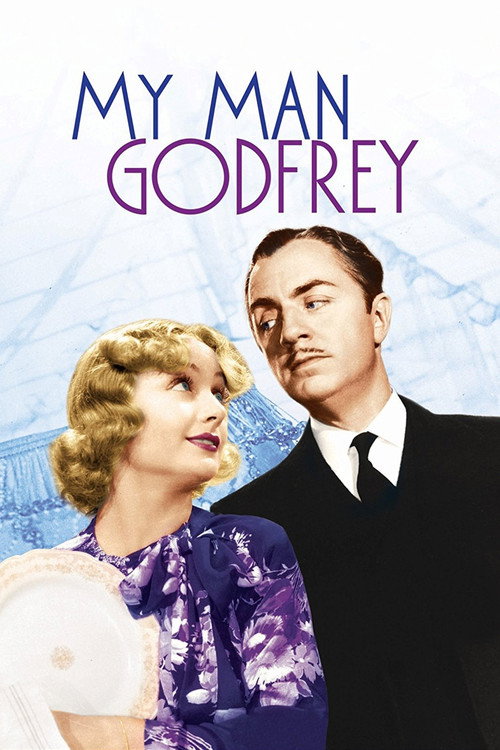
My Man Godfrey1936
William Powell as a homeless man taken in by a chaotic wealthy family, Carole Lombard as the dizzy daughter. It's genuinely funny but also humane—screwball with a social conscience.
But The tonal shifts between comedy and sentiment don't always land; some scenes aim for heart and miss.
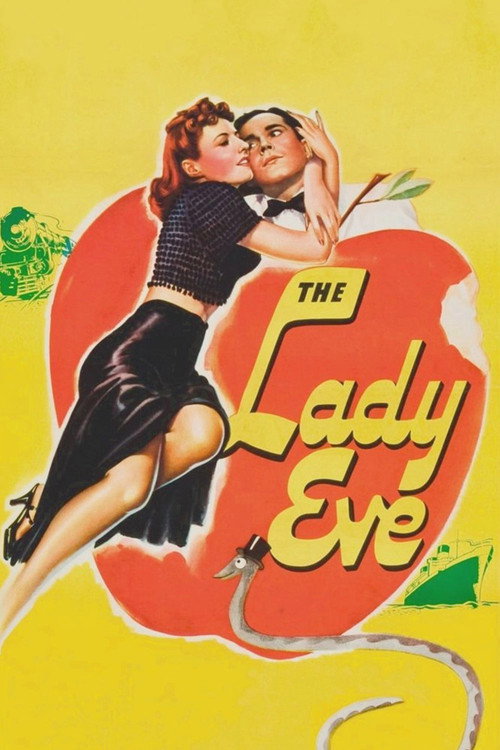
The Lady Eve1941
Barbara Stanwyck as a con artist and Henry Fonda as her mark, directed by Preston Sturges at his peak. It's seduction, deception, and real passion dressed up in elaborate comedy.
But The sexual subtext is so loaded that it can read as aggressively sexual to modern viewers; that might delight or alienate you.
Easy Living1937
Jean Arthur in a Cinderella story about a working girl mistaken for a wealthy woman's friend. It's lighter fare but has genuine charm and some inventive comic set pieces.
But It's definitely the lightest entry here—if you want substance or edge, this might feel too slight.
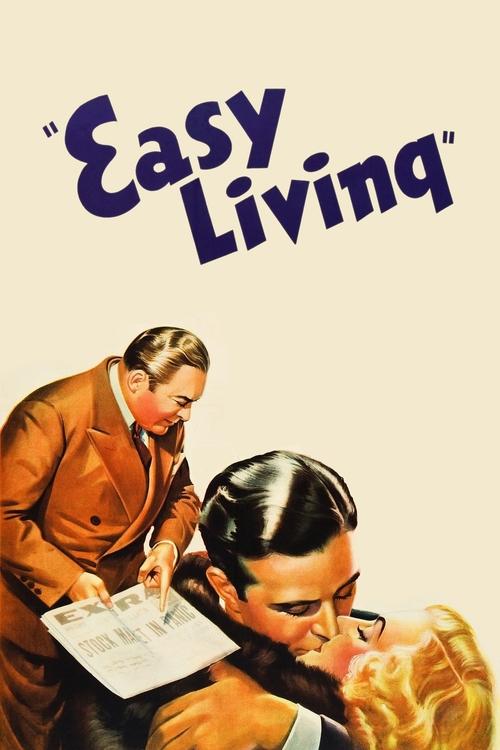
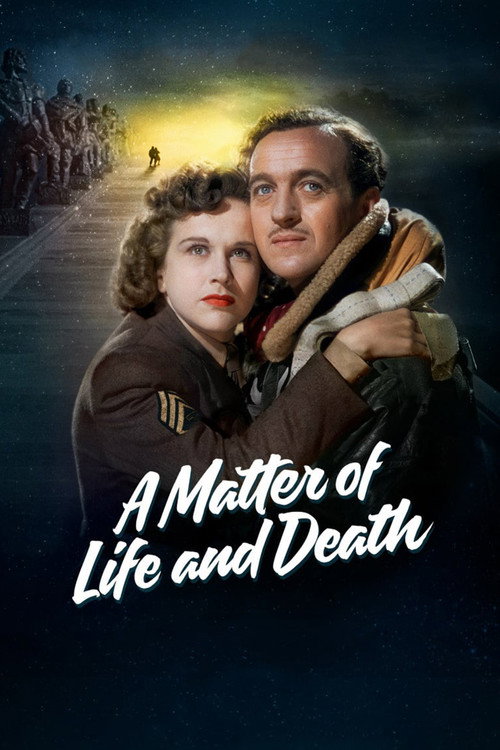
A Matter of Life and Death1946
Both are wartime films grappling with pilots and the absurdity of modern warfare, but this one asks whether any of it matters while the other laughs at the confusion it creates.
A RAF pilot argues with heaven itself about whether he should live or die. It's visually stunning, philosophically ambitious, and genuinely moving—a wartime film that earned its emotion. Powell and Pressburger made art here.
But It's solemn and formal where Practically Yours is lightweight; if you want to stay in screwball mode, this is a tonal whiplash into sincerity.
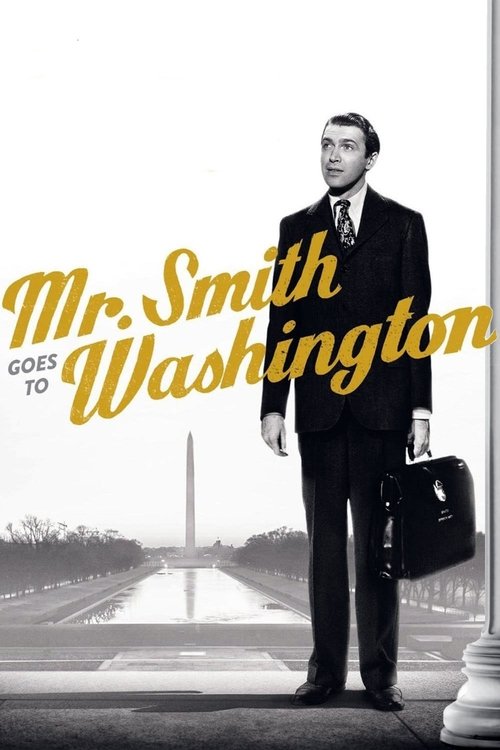
Mr. Smith Goes to Washington1939
Both feature protagonists navigating confusion and absurdity in institutions (military bureaucracy in one, political machinery in the other) and discovering that decency and honesty can survive even when everything around you is chaos.
James Stewart as a naive everyman confronting corruption in American institutions. It's got warmth, humor, and genuine idealism—Frank Capra's faith in ordinary people shines through every frame.
But It's earnest to the point of sentimentality; the speechifying can feel dated, and cynical viewers will find it painfully naïve.
People
Cast
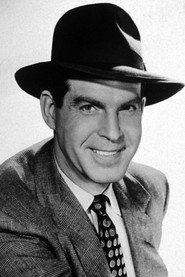 Fred MacMurrayDaniel Bellamy
 Claudette ColbertPeggy Martin
 Gil LambAlbert W. Beagell
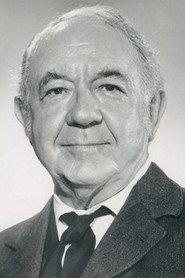 Cecil KellawayMarvin P. Meglin
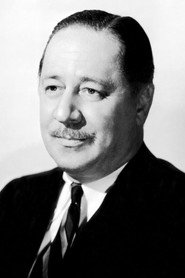 Robert BenchleyJudge Robert Simpson
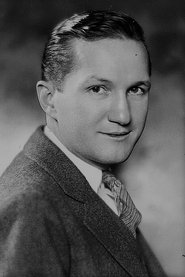 Tom PowersCommander Harry Harpe
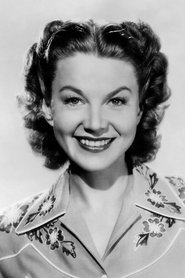 Jane FrazeeJane Frazee - Vocalist
 Rosemary DeCampEllen Macy
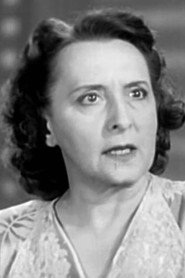 Isabel RandolphMrs. Meglin
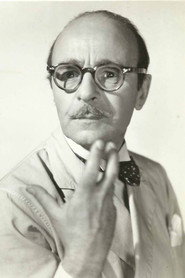 Mikhail RasumnyLaCrosse
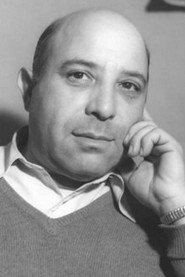 Bobby BarberMan on Subway (uncredited)
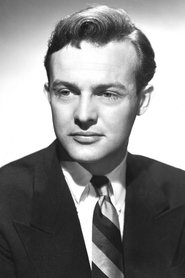 Byron BarrNavigator (uncredited)
Directing
- Mitchell LeisenDirector
Writing
- Norman KrasnaWriter