
Film
The Farmer's Wife
A 1928 British silent comedy about a widowed farmer hunting for a new wife among the village women. Hitchcock directs with visual wit and unexpected tenderness, finding both humour and genuine loneliness in middle-aged courtship. It's warm without being sentimental, funny without cruelty—a film that loves its characters even as it gently mocks them.
If you liked this
Sunrise: A Song of Two Humans1927
Murnau's masterpiece about marriage, temptation and redemption moves with operatic grace. Silent cinema at its most visually inventive, with emotional depth that still cuts hard. A benchmark for what the medium could do.
But The German Expressionist style feels remote now, and the melodrama can seem overwrought if you're not attuned to silent storytelling's particular register.

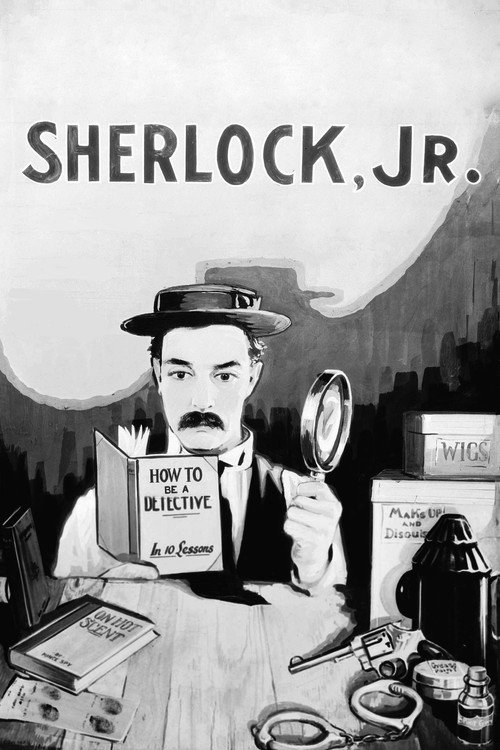
Sherlock Jr.1924
Buster Keaton as a projectionist dreaming himself into a film—endlessly inventive gags, genuinely touching romance, and a formal daring that cinema took decades to match. Pure joy.
But Slapstick comedy can feel one-note if you're expecting dialogue to carry character. The film is brief, which some find perfect and others find too quick.
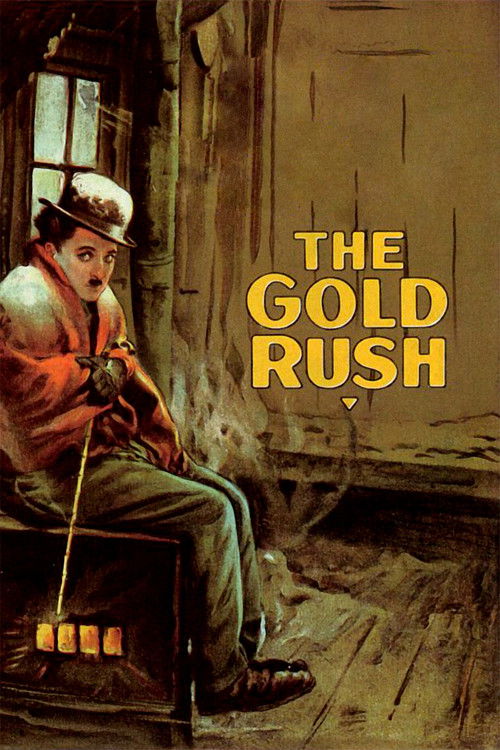
The Gold Rush1925
Chaplin in the Yukon, balancing pathos and comedy with absolute mastery. The starving man eating his own boot, the dance with the woman he loves—scenes of unforgettable poignancy wrapped in laughs.
But Chaplin's sentimentality isn't everyone's taste, and the pacing is unhurried in ways modern films aren't. Long stretches of mime can tax your patience.
Not sure tonight? Get a pick in a minute, starting from The Farmer's Wife
The wildcard
Something you would not have found on your own.
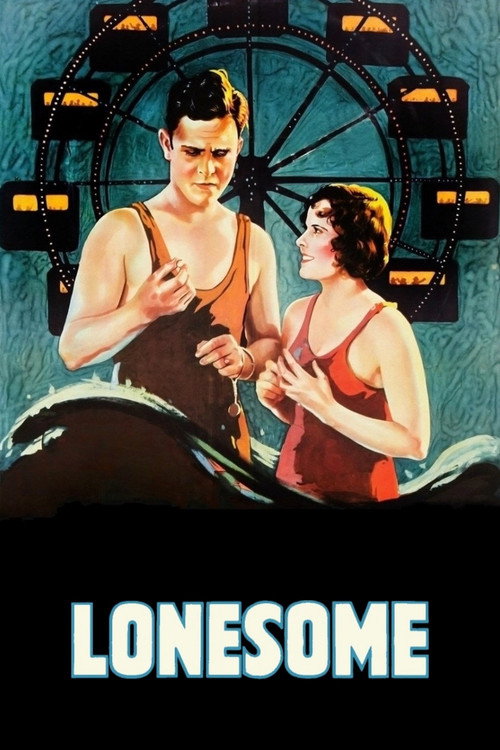
Lonesome1928
Both films centre middle-class characters seeking connection after loss, finding it not through grand gestures but through patience, kindness, and recognising loneliness in others.
Borzage's film about two lonely Manhattanites who meet by chance—shot in a mix of silent and early sound, part of it in colour. Achingly beautiful about urban isolation and the accidents that save us. Like *Farmer's Wife*, it finds romance in ordinary people's quiet desperation.
But The plot is feather-thin, and colour sequences are degraded now. The sentiment can tip into saccharine if you're resistant to it.
More like this (5)
Pandora's Box1929
Pabst's German masterpiece about a femme fatale and the men she destroys, starring the magnificent Louise Brooks. Sophisticated, sexual, tragic—cinema as tragedy, not entertainment.
But It's bleak and morally murky in ways that can feel cold. The film is also incomplete in surviving versions, which fractures the experience.

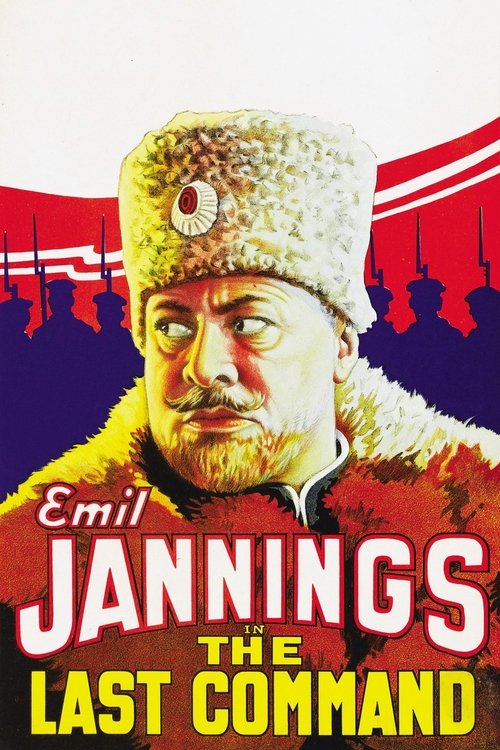
The Last Command1928
Emil Jannings as a deposed Russian general trying to survive in Hollywood—a film about exile, pride and the cruelty of circumstance. Jannings is extraordinary, and the theme of displacement haunts it.
But It's heavy and relentless without much comic relief. The finale is brutally sad, and the film's sympathies can feel muddled by modern standards.
Metropolis1927
Lang's sci-fi epic about class warfare in a future city—visually staggering, formally ambitious, with a utopian faith in human connection that's moving even when heavy-handed.
But It's bombastic and schematic; the dialogue cards explain everything, and characters exist more as ideas than people. At two-and-a-half hours, it can feel like a sermon.

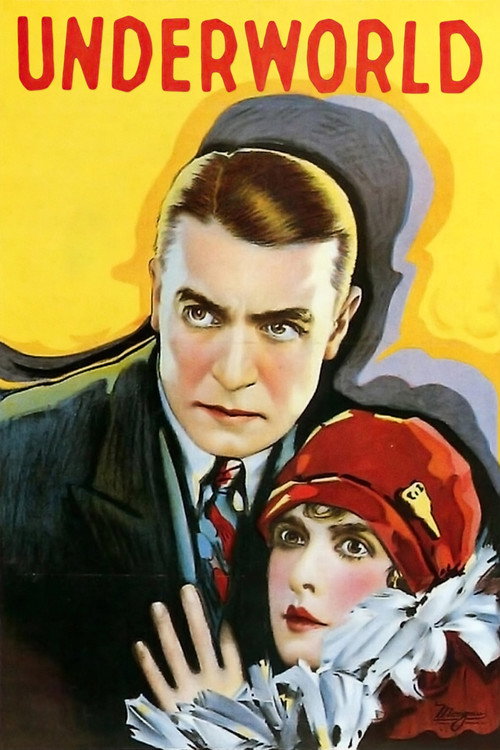
Underworld1927
von Sternberg's crime film—a study of loyalty and moral compromise among gangsters. Sleek, shadowy, and surprisingly tender about its criminals. A foundational gangster picture.
But The plot is thin and exists mainly to showcase mood and style. If you want story momentum, this will feel static and slow.
A Page of Madness1926
Like *Farmer's Wife*, it's fundamentally about the persistence of human feeling—desire, loyalty, the need to be known—but it reaches that theme through formal radicalism rather than comic warmth, suggesting that sentiment doesn't require sentimentality.
Kinugasa's experimental Japanese film about a man incognito in an asylum. Avant-garde in form, shot with cascading imagery and disorienting edits—yet the emotional core is a simple, fierce love. Visually unlike anything else from the era.
But The narrative is oblique and the editing deliberately fragmented. You're never quite certain what's real or symbolic, which some find enriching and others simply confusing and tedious.

People
Cast
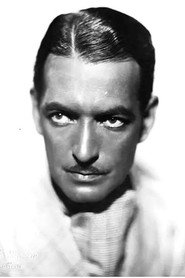 Jameson ThomasSamuel Sweetland
- Lillian Hall-DavisAraminta 'Minta' Dench
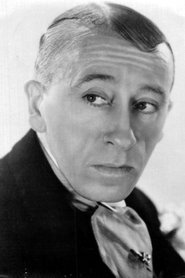 Gordon HarkerChurdles 'Ash' Ash
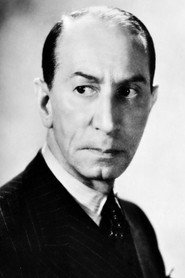 Gibb McLaughlinHenry Coaker
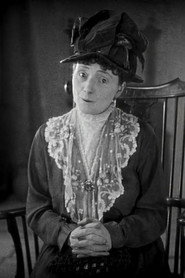 Maud GillThirza Tapper
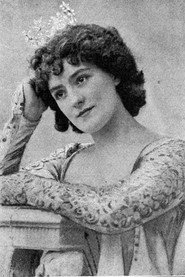 Louie PoundsLouisa Windeatt
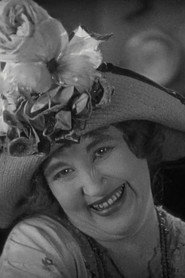 Olga SladeMary Hearn
- Ruth MaitlandMercy Bassett
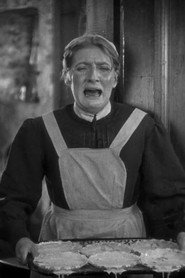 Antonia BroughSusan
- Haward WattsDick Coaker
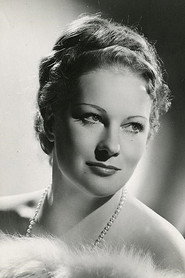 Diana NapierSibley Sweetland
Directing
- Frank MillsAssistant Director
- Alfred HitchcockDirector
Writing
- Eliot StannardAdaptation
- Eden PhillpottsTheatre Play
- Alfred HitchcockWriter
- J.E. HunterWriter
- Leslie ArlissWriter
- Norman LeeWriter