
Film
The Docks of New York
A 1928 silent melodrama about a dockworker who rescues a suicidal woman and falls into a brief, transformative romance amid the waterfront's grime and desperation. Directed by Josef von Sternberg with expressionist shadows and moral complexity, it's intimate and unsentimental—a portrait of working-class life where love and duty collide. For silent film devotees and anyone curious about cinema's emotional precision before sound.
If you liked this
Sunrise: A Song of Two Humans1927
Murnau's masterpiece about a man tempted away from his wife by a seductress, with visual storytelling so powerful it transcends the silent era. Shares the moral reckoning and visual poetry of Sternberg's work.
But Extremely slow by modern standards, and the plot hinges on a woman coded as a temptress—the gender politics haven't aged well.

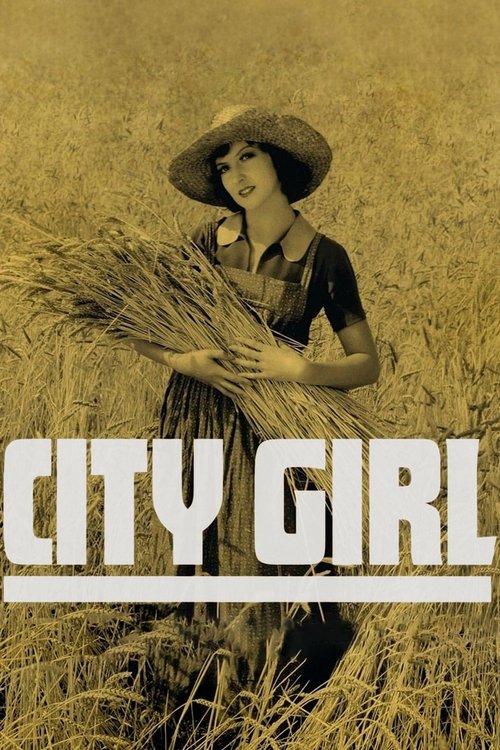
City Girl1930
F.W. Murnau's intimate portrait of working-class struggle and marital devotion in rural and urban settings. Like *Docks*, it finds tragedy and tenderness in ordinary lives caught between desire and obligation.
But A rural melodrama that can feel ponderous; the pacing is deliberate rather than propulsive, and the ending is uncompromising.
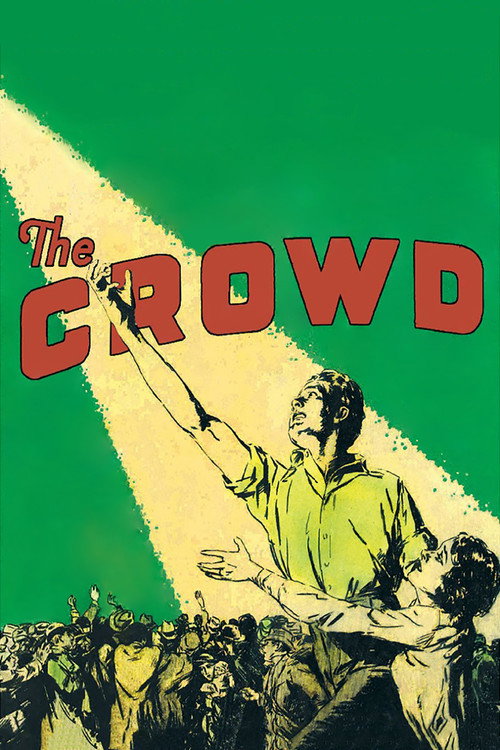
The Crowd1928
King Vidor's hymn to ordinary people crushed and elevated by circumstance in modern America. It has the same clear-eyed compassion and urban texture, tracking a marriage through the same moral weight.
But Genuinely bleak in places, and the resolution is deliberately ambiguous rather than cathartic—it won't leave you feeling uplifted.
Not sure tonight? Get a pick in a minute, starting from The Docks of New York
The wildcard
Something you would not have found on your own.
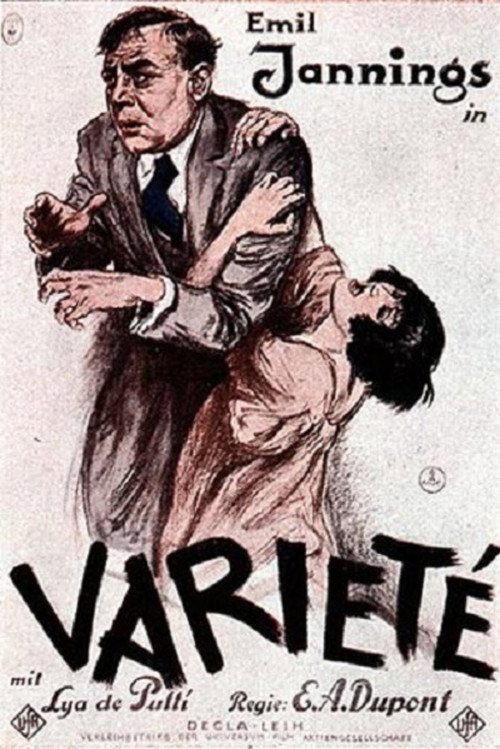
Variety1925
Both are Weimar-era films about ordinary people whose worlds collapse; both use expressionist camera and shadow to show internal states. But *Variety* is a formal experiment while *Docks* is intimate—see how the era's two approaches to the same emotional territory diverge.
E.A. Dupont's backstage circus film told in swirling, vertiginous angles and experimental camera work. Like *Docks*, it's working-class and morally tangled, but it remakes the whole visual grammar of cinema itself.
But The camerawork is so dizzying it can induce headaches; the plot is secondary to the visual virtuosity, which some find exhausting.
More like this (8)
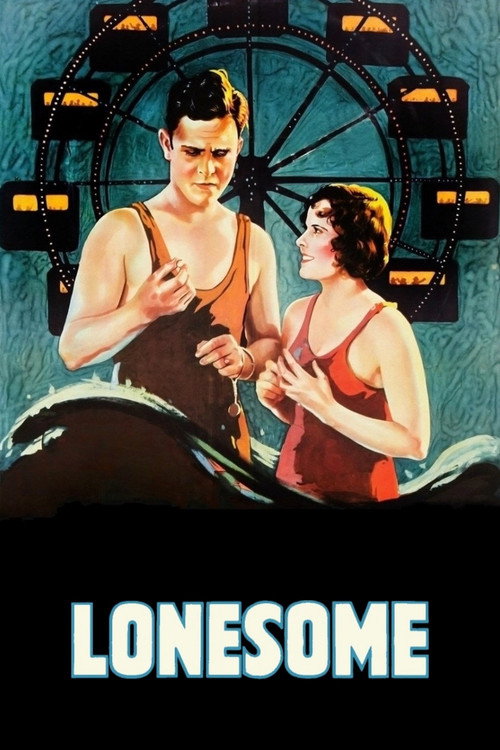
Lonesome1928
Borzage's film about two lonely strangers who meet at Coney Island finds grace in momentary human connection. Like *Docks*, it's about working people whose inner lives are vivid and deserving of cinema's attention.
But Some sequences switch awkwardly between silent and sound film, a technical compromise that can feel jarring even for patient viewers.
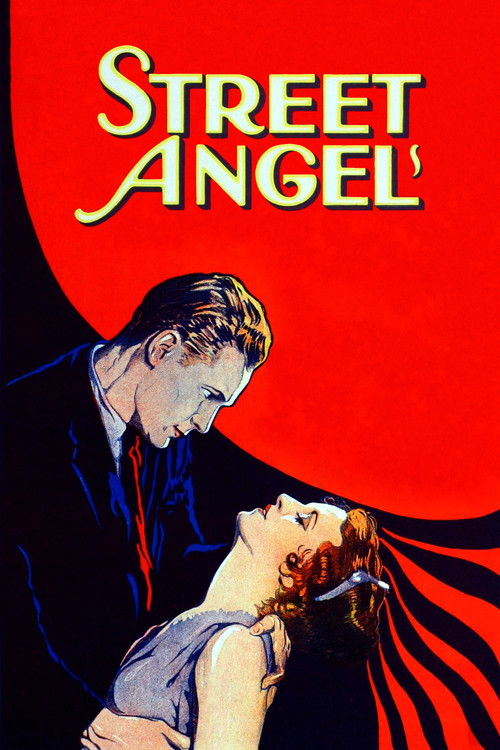
Street Angel1928
Another Borzage romance about a woman fleeing the law who meets a gentle man—tender, visually lyrical, and centered on how people save each other through small acts of faith.
But The sentimentality is thick, and the plot relies on coincidence and self-sacrifice that modern audiences often find overwrought.
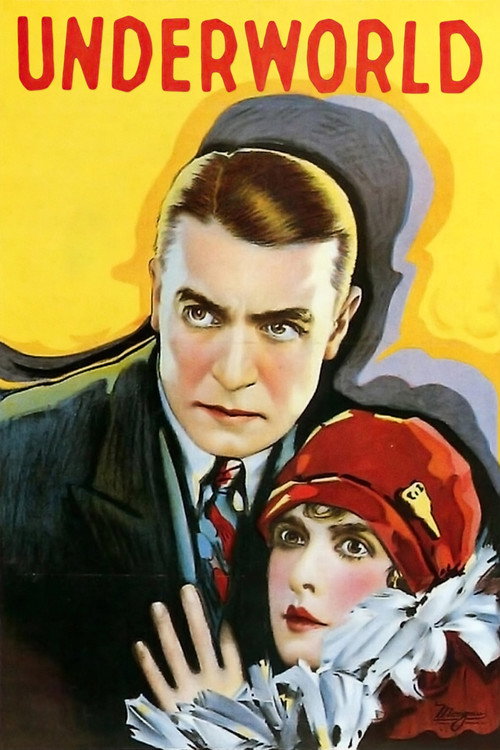
Underworld1927
Von Sternberg's own crime drama with similarly shadowed visuals and a fascination with how ordinary rules collapse in compressed, dangerous spaces. The emotional clarity is unmistakable.
But The gangster plot is dated, and the female character exists mainly as a love object between two men, which gets tired quickly.
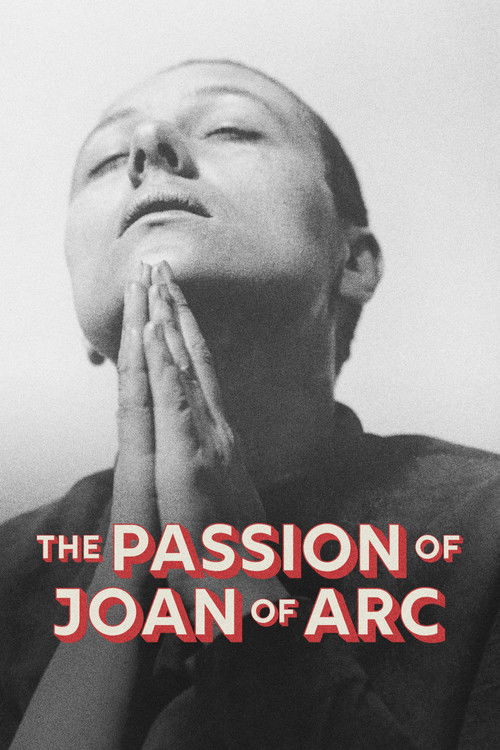
The Passion of Joan of Arc1928
Bresson's hypnotic close-ups of Renée Jeanne Falconetti create a spiritual intensity through gesture and expression alone. Shares silent cinema's power to convey the inexpressible without dialogue.
But Austere and repetitive by design; it's a trial film that moves inward rather than outward, and it can feel claustrophobic for two hours.
M1931
Fritz Lang's early sound film about a city hunting a killer captures urban paranoia and moral confusion with Sternbergian precision. Both films use shadows and architecture to show how cities compress morality.
But The subject matter is disturbing—the search for a child murderer—and the ending offers no catharsis, only investigation and judgment.

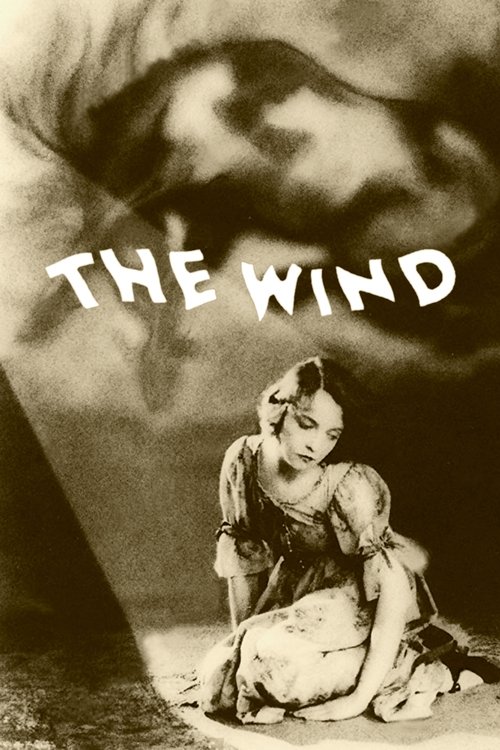
The Wind1928
Victor Sjöström's brutal western about a woman driven to madness by landscape and isolation. Visually stunning and psychologically complex, it shows silent cinema's capacity for internal collapse.
But Relentlessly grim and almost plotless; the pacing can feel aimless, and the nihilism may exhaust rather than move you.
Pandora's Box1929
Both films pit working-class characters against their own desires. But where *Docks* is about a man saving a woman through restraint, *Pandora's Box* is about a woman destroying men through release. They're moral inversions.
Pabst's film of Wedekind's play, with Louise Brooks as a woman whose appetites destroy everyone around her. Like *Docks*, it's about desire and class, but it's far more transgressive—sexuality is the engine, not the wreck.
But The sexual politics are complex and sometimes troubling; the misogyny is historical, not ironic, and a woman's sexual autonomy leads directly to her destruction.

In a Lonely Place1950
Both films use a rescue or redemption as their spine, but both pull back and show it failing. *Docks* is about what love can't fix; *In a Lonely Place* is about whether certain men can be fixed at all. Same noir impulse, two eras apart.
Ray's American noir about a volatile man suspected of murder, with Bogart's best performance as someone we're never sure about. It has *Docks*' waterfront mood and moral ambiguity translated into the postwar American masculine crisis.
But It's a film noir with no clear heroes; the violence is interpersonal rather than cinematic, and the ending is bleak about human connection itself.

People
Cast
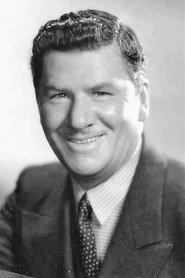 George BancroftBill Roberts

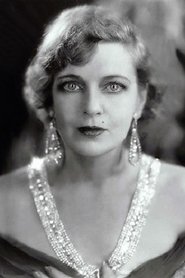
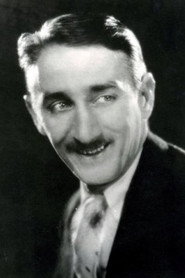 Clyde Cook'Sugar' Steve
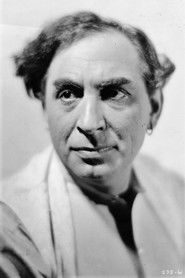 Mitchell LewisAndy
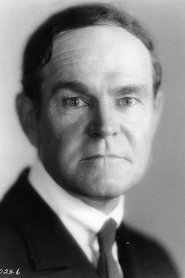 Guy OliverThe Crimp
- May FosterMrs. Crimp
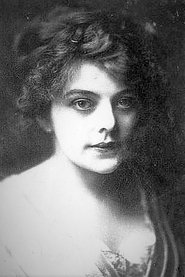 Lillian WorthSteve's Girl
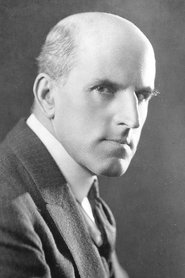 Gustav von SeyffertitzHymn Book Harry
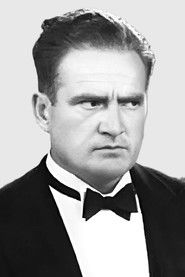 Richard AlexanderLou's Sweetheart (uncredited)
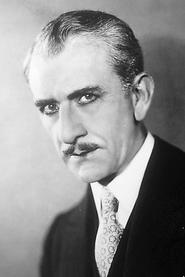 George IrvingNight Court Judge (uncredited)
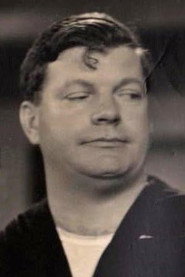 John KellySailor Barfly (uncredited)
Directing
- Josef von SternbergDirector
Writing
- Jules FurthmanScreenplay
- Jules FurthmanStory
- John Monk SaundersWriter
- Julian JohnsonWriter
Production
- J.G. BachmannAssociate Producer
- B.P. SchulbergGeneral Manager
- Josef von SternbergProducer