
Film
Finishing School
A 1934 comedy-drama about a wealthy girl at an elite boarding school who falls for a poor medical intern working as a waiter. Class snobbery collides with genuine affection in this light but pointed look at how institutions police desire. Ginger Rogers shines in support, and the film moves with charm despite its brevity.
If you liked this
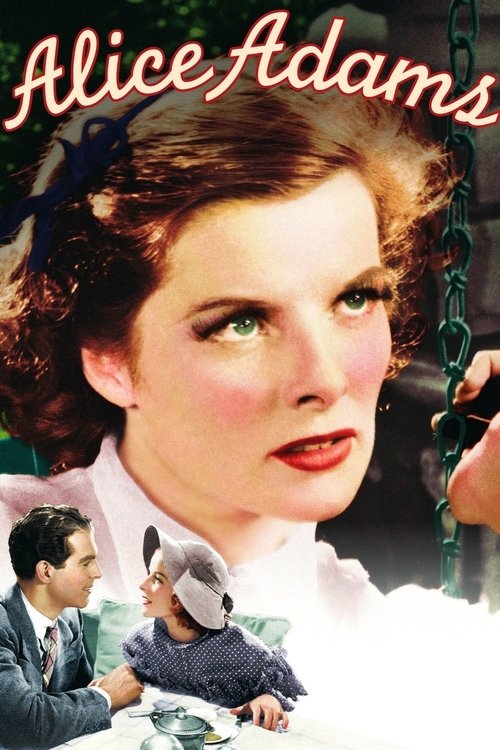
Alice Adams1935
Katharine Hepburn as a social climber desperate to escape her working-class origins, navigating the same class anxieties and romantic confusion. Tender, funny, and genuinely moving about the cost of wanting more.
But It's a talky chamber piece without the visual spectacle of later prestige films. If you need constant plot momentum, the interpersonal drama may feel slight.
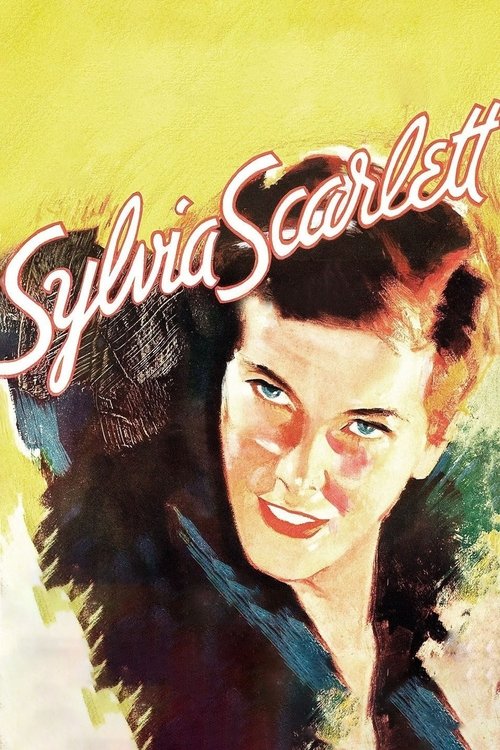
Sylvia Scarlett1935
Cary Grant and Katharine Hepburn in a scrappy, eccentric film about class masquerade and unconventional romance. It shares the period's fascination with people pretending to be something they're not for love or survival.
But It's genuinely odd and poorly constructed, even by 1935 standards. The tone whipsaws and the plot barely holds together; some find it delightful, others exhausting.
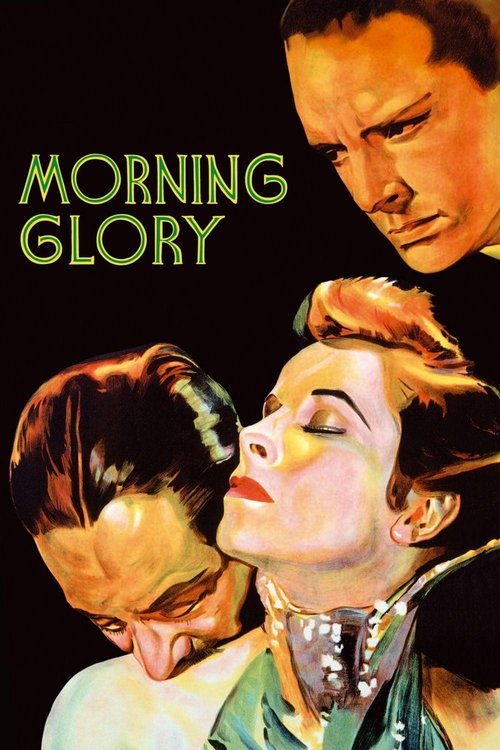
Morning Glory1933
Katharine Hepburn's Oscar-winning turn as an ambitious young actress trying to break into theatre while navigating romance with an older, richer man. Same era, same themes of ambition versus emotion, with Hepburn's characteristic electricity.
But The film itself is slight and moves fast in ways that can feel rushed. Hepburn's performance is so vivid it sometimes overpowers the story around her.
Not sure tonight? Get a pick in a minute, starting from Finishing School
The wildcard
Something you would not have found on your own.
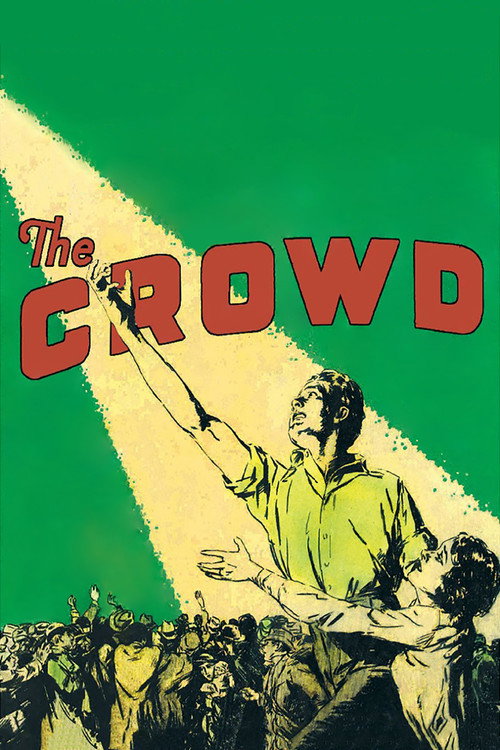
The Crowd1928
Both are interested in how class functions as an invisible wall that individuals cannot will away. Both center on young people whose futures are decided by forces they cannot control, but Vidor refuses the romantic compromise that Finishing School allows.
King Vidor's silent masterpiece about ordinary people and ordinary dreams crushed by circumstance and class. It shares Finishing School's interest in how institutions and society shape desire, but it's bleak, visual, and technically revolutionary.
But It's silent, and the emotional power comes from images and acting rather than dialogue. Some find this unbearably slow; others find it the purest cinema.
More like this (8)
Dinner at Eight1933
An ensemble piece about old money and new money colliding at a society dinner, with a wonderful cast including Marie Dressler and Jean Harlow. Witty, gossipy, and interested in how class actually works in practice.
But It's an all-star parade with no single protagonist; if you like tight focus and emotional depth, the episodic structure may feel scattershot.

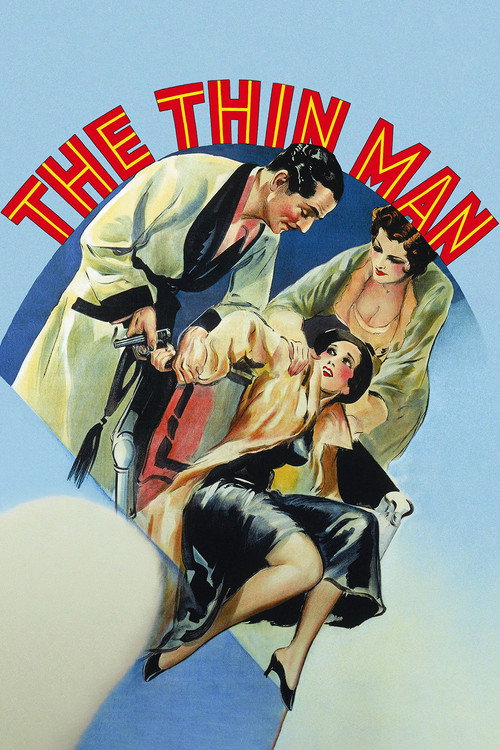
The Thin Man1934
William Powell and Myrna Loy as a wealthy couple solving a murder—smart, sexy, funny, and proof that screwball was already in full flight. The chemistry between leads and the sheer verve make it endlessly rewatchable.
But It's a murder mystery first and foremost. If you're looking for romantic drama rather than detection and wisecracks, this pivots away from what you came for.
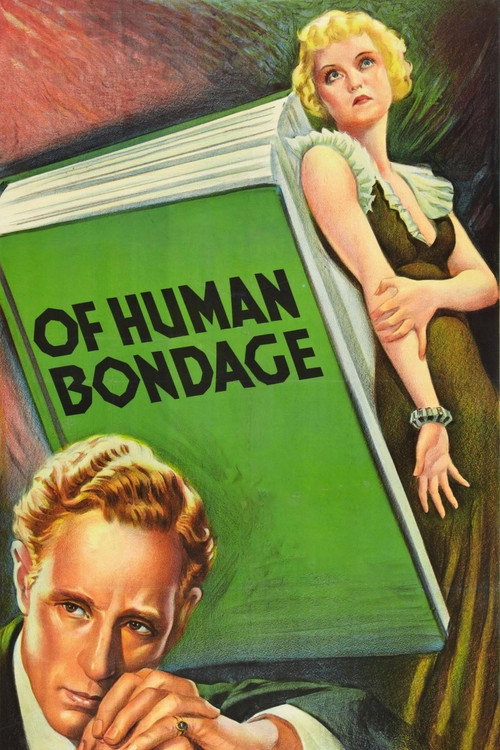
Of Human Bondage1934
Bette Davis and Leslie Howard in a dark, unflinching look at obsessive love across class lines. Davis is magnificent and unsettling; the film refuses to make passion noble or redemptive.
But It's genuinely bleak and unglamorous. The male lead is passive and sometimes contemptible, which some find dramatically interesting and others find tedious.
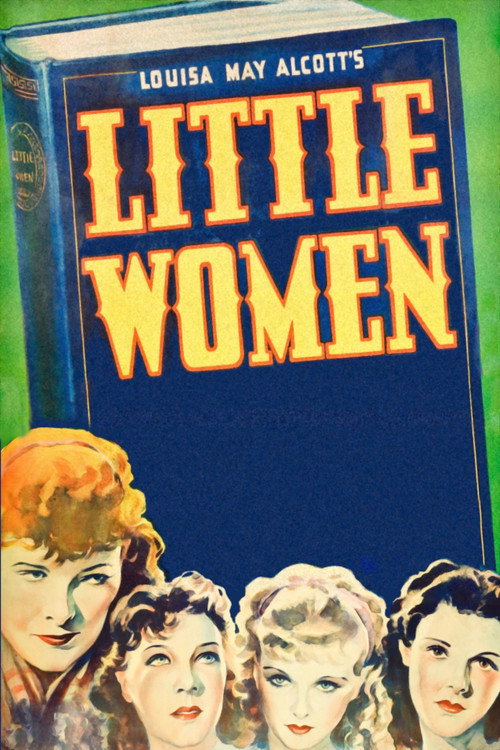
Little Women1933
George Cukor's lush adaptation with Katharine Hepburn, Joan Bennett, and a stellar cast. It's about ambition, family duty, and romance for women of modest means—class anxiety from the other direction.
But At nearly three hours, it's a commitment. The episodic structure of the novel carries over; some scenes feel like obligations rather than compelling cinema.
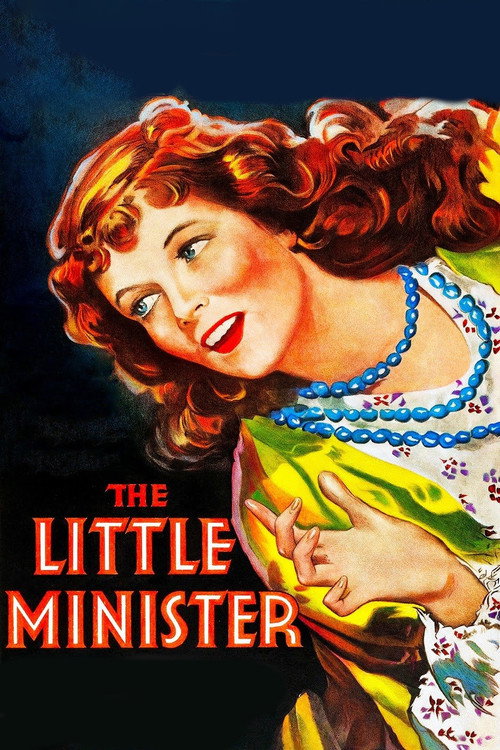
The Little Minister1934
A romantic drama about class collision in rural Scotland, with Barbara Stanwyck and John Beal. It has the same earnestness about forbidden romance and social pressure, directed with genuine feeling.
But It's rarely revived and somewhat dated even by 1934 standards. The romance doesn't have the electricity that makes class-crossed love stories sing.
The Silver Cord1933
Joel McCrea and Laura La Plante in a drama about a son torn between his possessive mother and his new wife. It's about institutional power and emotional manipulation—the mother is a headmistress figure in her own right.
But The plot turns melodramatic and the resolution is abrupt. It's interested in psychology but doesn't quite have the craft to make its themes fully land.
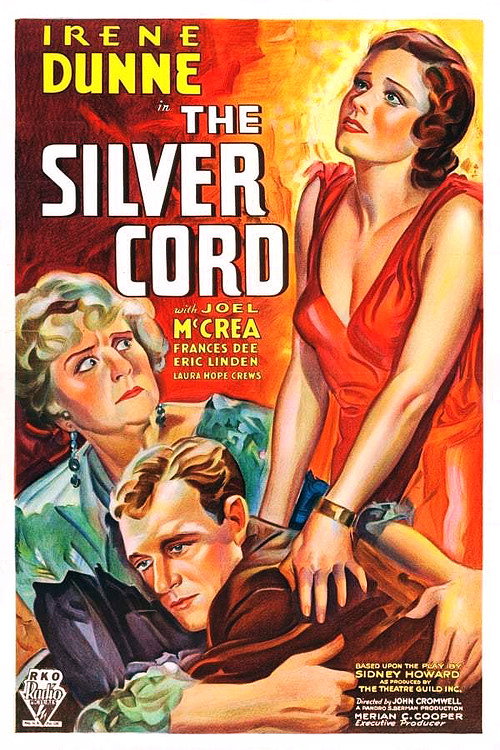
Greed1924
Both dramatize conflict between genuine feeling and social/economic pressure, but where Finishing School resolves the conflict hopefully, Greed argues that money and desire are fundamentally incompatible. Same root, opposite branches.
Erich von Stroheim's four-hour epic about obsession, greed, and the corruption of love by money. It's a moral investigation into how institutions and capitalism poison human connection—the same material as Finishing School, but apocalyptic.
But It's a silent film from 1924, heavily edited from Stroheim's nine-hour original. The pacing is immense and the moral bleakness may exhaust rather than move you.

L'Atalante1934
Both films center on young lovers thwarted by external social pressure, but Vigo internalizes the conflict—the lovers fight themselves as much as the world. The film is in the magical-realist register rather than drama, making the class struggle feel cosmic rather than social.
Jean Vigo's lyrical, magical film about a young couple on a barge, torn apart by bourgeois expectations and their own doubt. It's Finishing School's exact contemporary—a film about class, romance, and institutions, but poetic and surreal instead of comic.
But It's in French with subtitles, and the tone is dreamy and digressive. If you're expecting plot clarity or realistic dialogue, the film's drift and symbolism may frustrate you.

People
Cast
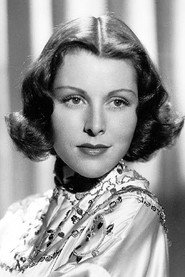 Frances DeeVirginia Radcliffe
 Billie BurkeMrs. Radcliffe
 Ginger RogersPony
 Bruce CabotRalph McFarland
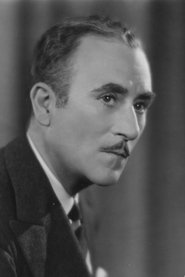 John HallidayMr. Radcliffe
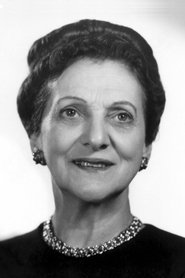 Beulah BondiMiss Van Alstyne
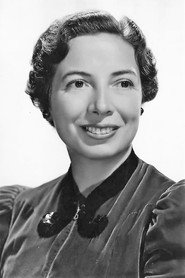 Sara HadenMiss Fisher
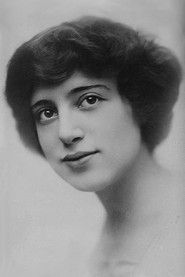 Helen FreemanDr. Hewitt
- Marjorie LytellRuth
- Adalyn DoyleMadeline
 Anne ShirleyBillie
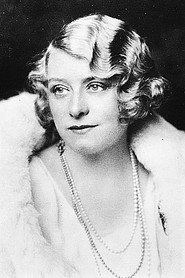 Irene FranklinAunt Jessica
Directing
- George Nichols Jr.Director
- Wanda TuchockDirector
Writing
- Laird DoyleScreenplay
- Wanda TuchockScreenplay
- David HempsteadStory
Production
- Kenneth MacgowanAssociate Producer
- Merian C. CooperExecutive Producer