
Film
Hotel Imperial
A 1927 silent melodrama set in a World War I hotel caught between armies. Pola Negri commands the screen as a chambermaid protecting an Austrian officer from Russian forces, with espionage, romance, and danger swirling through its confined setting. A showcase for silent cinema's emotional intensity and Negri's magnetic presence—if you can adjust to the pacing and missing dialogue.
If you liked this
Sunrise: A Song of Two Humans1927
Released the same year as Hotel Imperial, this Murnau masterpiece uses similar visual storytelling and romantic intensity. A man and woman navigate betrayal and redemption in a world designed to overwhelm them. Pure cinema.
But Silent film with a much slower, dreamier tempo. The symbolism can feel heavy-handed, and the print quality varies wildly depending on which version you find.

Pandora's Box1929
Louise Brooks in a career-defining role as a woman whose sexuality and agency wreak havoc on everyone around her. German Expressionism at its most dangerous and alluring. Every frame matters.
But The moral landscape is bleak and the ending is genuinely bleak. Brooks' character is not redeemed, and the film offers no comfort.

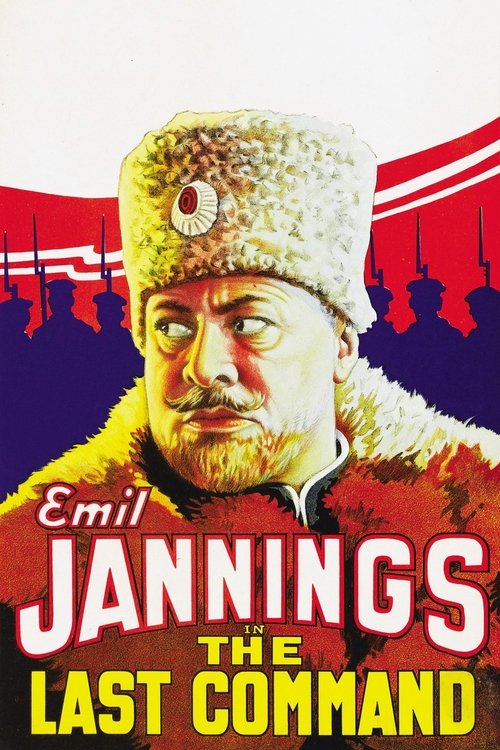
The Last Command1928
Emil Jannings in a tour-de-force performance as a Russian general reduced to bit parts in Hollywood, haunted by his past. Examines power, exile, and the ghosts we carry. Visually sumptuous.
But Jannings' heavy, theatrical style can feel dated. The film's sympathies lie with the exile, which some find uncomfortable.
Not sure tonight? Get a pick in a minute, starting from Hotel Imperial
The wildcard
Something you would not have found on your own.
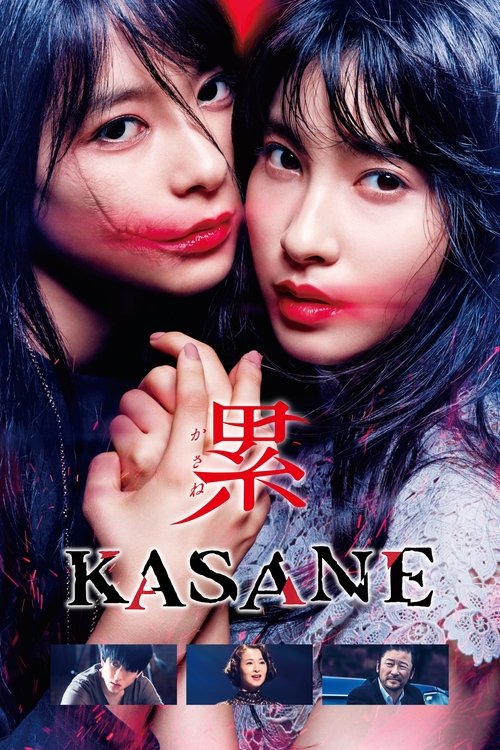
KASANE –Beauty and Fate–2018
Both center a woman's face as her survival tool and her trap. Both use a woman's body as the contested ground of war—whether literal (WWI hotel) or personal (the mask). Both understand how appearance becomes destiny.
A Japanese thriller about actresses, disfigurement, and a parasitic mask that transfers beauty and ugliness between women. Uses doubles and facial transformation as both visual spectacle and metaphor. Gorgeous and cruel in equal measure.
But The central conceit is absurd—a magical mask—and some viewers will reject that premise outright. The body horror can be grotesque and the violence toward women is real even if fantastical.
More like this (8)
Intolerance: Love's Struggle Throughout the Ages1916
D.W. Griffith's epic about love and persecution across four eras. The ambition is staggering—huge sets, thousands of extras, four parallel narratives. If you want to see what silent cinema could do, this is it.
But At three hours it demands patience. The editing is frantic by modern standards, and Griffith's politics are deeply problematic despite his stated intentions.

The Phantom Carriage1921
A Swedish ghost story that influenced everything after it. A man encounters his own death before it happens, and must reckon with how he's lived. Haunting and morally complex, with effects that still unsettle.
But The pacing is deliberate to the point of glacial. It's a story about regret told slowly, which is the point but also means it requires your full attention.

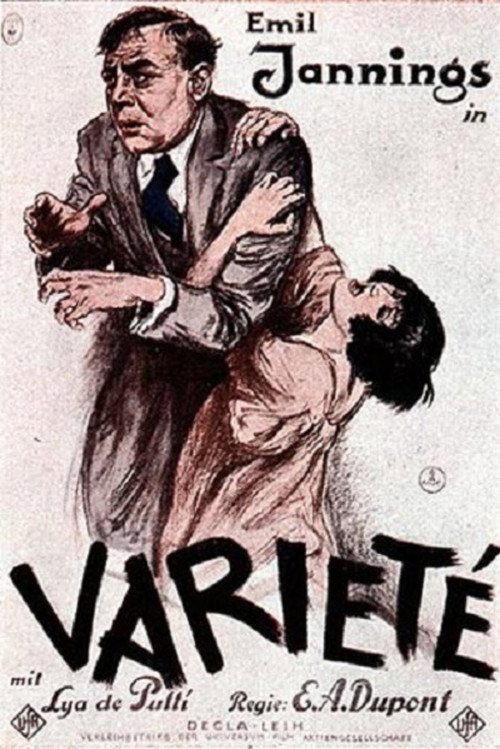
Variety1925
A behind-the-scenes thriller set in a Berlin circus, famous for using innovative camera angles and movement to heighten tension. Emil Jannings again—raw, physical, desperate. Feels modern in its restlessness.
But The love triangle plot is thin and the jealousy driving the narrative feels overwrought even by silent standards. The circus setting can't quite carry the weight the script asks of it.
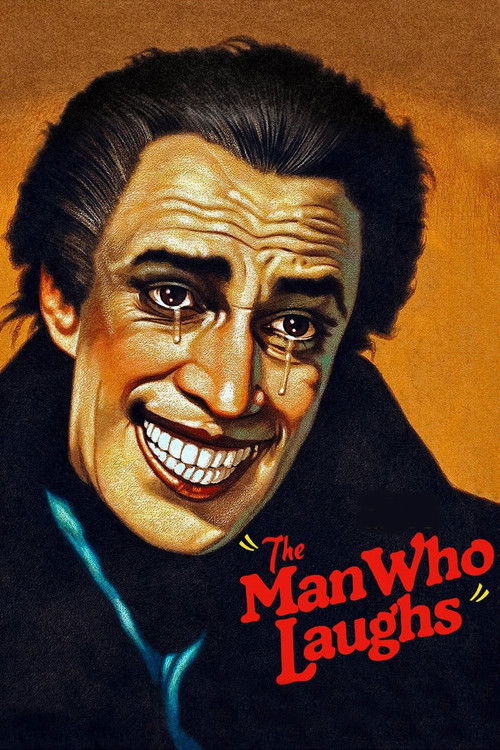
The Man Who Laughs1928
Conrad Veidt as a man surgically disfigured to look like he's smiling, navigating pity and love in a hostile world. Gothic, grotesque, genuinely moving. Mary Philbin's tenderness against Veidt's tragedy is unforgettable.
But The grotesque makeup is genuinely upsetting and the film doesn't shy from that. The story is somewhat melodramatic and relies heavily on physical performance.
Battleship Potemkin1925
Sergei Eisenstein's revolutionary film about a naval mutiny uses editing and montage as pure storytelling—no intertitles in key sequences, just images building meaning. The Odessa Steps sequence alone changed cinema forever.
But It's a Soviet propaganda film and feels like one. The political messaging is blunt and the emotional beats are constructed rather than felt. Very cerebral.

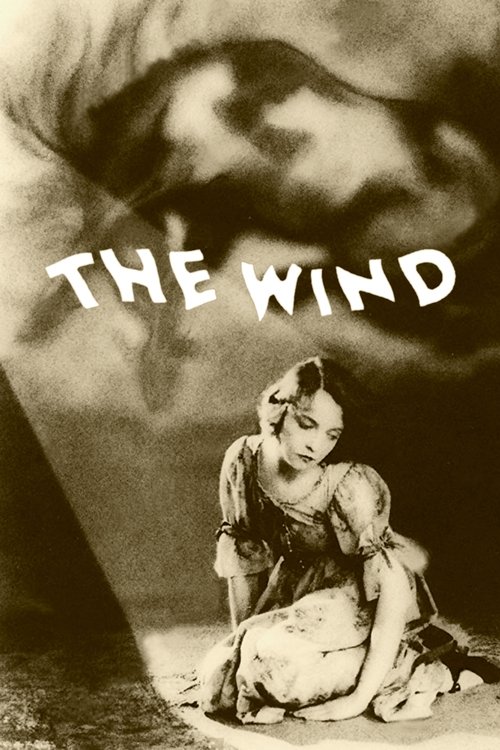
The Wind1928
Lillian Gish in a psychological thriller about a woman driven mad by the relentless Texas wind and isolation. An underrated masterpiece of mood and performance. Genuinely unsettling despite its age.
But The ending is famously compromised by studio demands for a happy resolution. The pacing can feel repetitive—the wind wears you down, which is the point but tests patience.
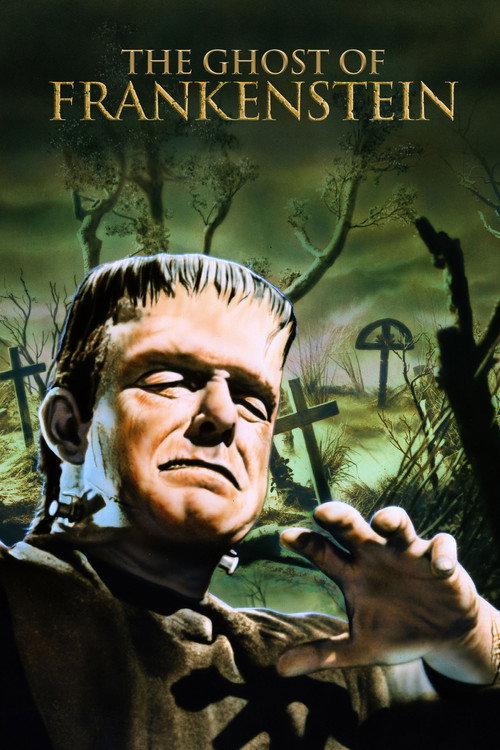
The Ghost of Frankenstein1942
Both trap their hero in a confined space (hotel, castle) where multiple forces compete for control of their body and loyalty. Both use wartime as atmosphere rather than plot engine. Both are about being hunted in a place that should be sanctuary.
Lon Chaney Jr. inherits his father's obsession and brings the Monster to a hidden castle during wartime. Universal's creature features at their most Gothic and melancholic. Often overshadowed by earlier entries but genuinely eerie.
But The plot is a mess and the Monster spends most of it in thrall to another character. The special effects are cheap and the script is confused about what it wants to say. Studio product, not art.
The Seventh Seal1957
War as backdrop to intimate human drama; a man caught between forces beyond his control, seeking shelter and meaning; love and duty in impossible circumstances; the visual grammar of European cinema in crisis, where image carries more than dialogue ever could.
Bergman's knight plays chess with Death itself during the Black Plague. Sparse, philosophical, unforgettable. A meditation on faith, mortality, and meaning delivered through pure cinema. Changes how you think about film itself.
But It's pretentious and slow and it knows it. Bergman trusts you to sit with long silences and unanswered questions. The medieval setting is deliberately stagey, not realistic. Requires patience and intellectual engagement.

People
Cast
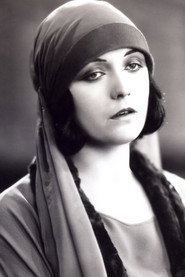 Pola NegriAnna Sedlak
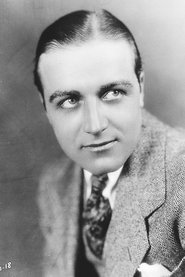 James HallLt. Paul Almasy
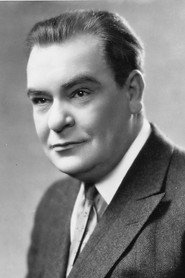 George SiegmannGen. Juschkiewitsch
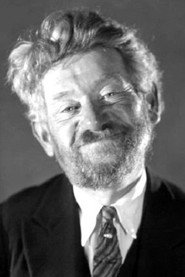 Max DavidsonElias Butterman
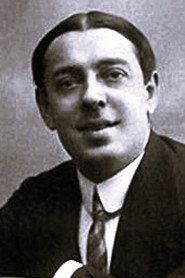 Michael VavitchTabakowitsch
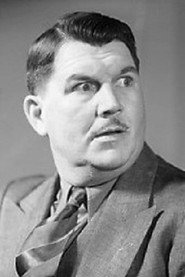 Otto FriesAnton Klinak
- Nicholas SoussaninBaron Fredrikson
- Golden WadhamsMaj. Gen. Sultanov
Directing
- Mauritz StillerDirector
Writing
- Jules FurthmanScreenplay
- Lajos BiróStory
Production
- Erich PommerProducer