
Film
The Ghost of Frankenstein
A wartime Universal monster sequel where mad scientists scheme to implant Ygor's brain into the Frankenstein creature for world domination. Bela Lugosi steals the film as the scheming hunchback, while Lon Chaney Jr. lurches through his role with a kind of slouching melancholy. It's pulp horror made on a budget, energetic and pleasantly weird, for anyone who loves the creaky charm of 1940s B-movies.
If you liked this
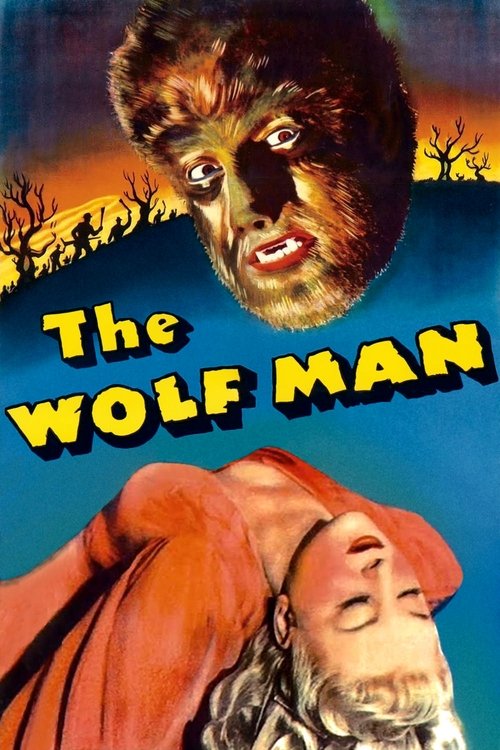
The Wolf Man1941
Lon Chaney Jr.'s definitive turn as the cursed Larry Talbot, with gorgeous Universal Gothic atmosphere and genuinely moving tragedy beneath the monster makeup. A masterpiece of the era.
But The pacing is leisurely by modern standards, and the climax relies heavily on wolfing-out that happens almost off-screen.
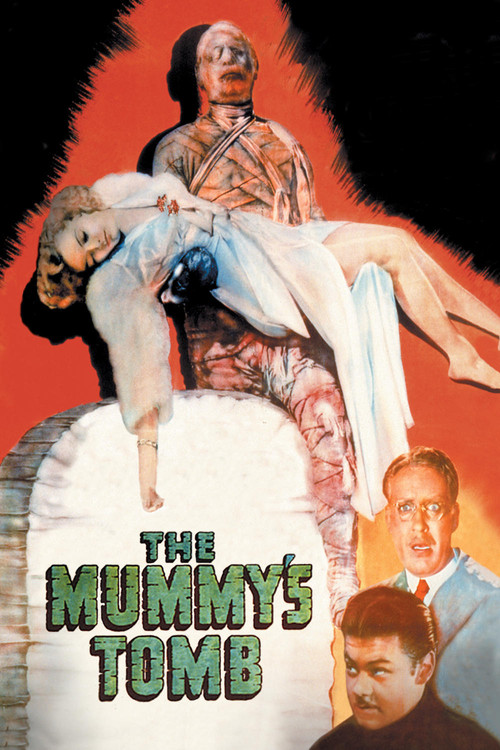
The Mummy's Tomb1942
Another 1942 Universal horror with Lon Chaney Jr., Bela Lugosi, and that same scratchy, atmospheric creepiness. Lugosi's priest role is quietly menacing throughout.
But The plot is thin and repetitive. You're watching for mood and character more than narrative momentum.
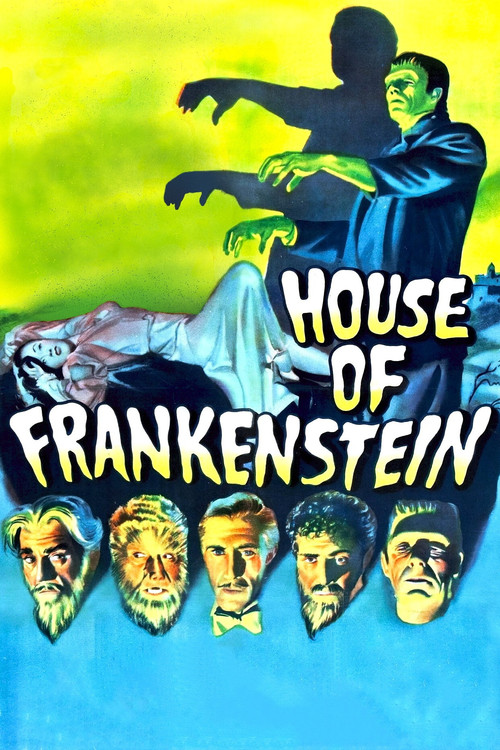
House of Frankenstein1944
The spiritual sequel: Boris Karloff, the monster, Ygor, the Wolf Man, and the Mummy all converge in one mad-scientist romp. It's where Universal threw all their toys in the sandbox.
But The pacing is frantic and the story nearly incoherent once all the monsters arrive. It's fun but chaotic.
Not sure tonight? Get a pick in a minute, starting from The Ghost of Frankenstein
The wildcard
Something you would not have found on your own.
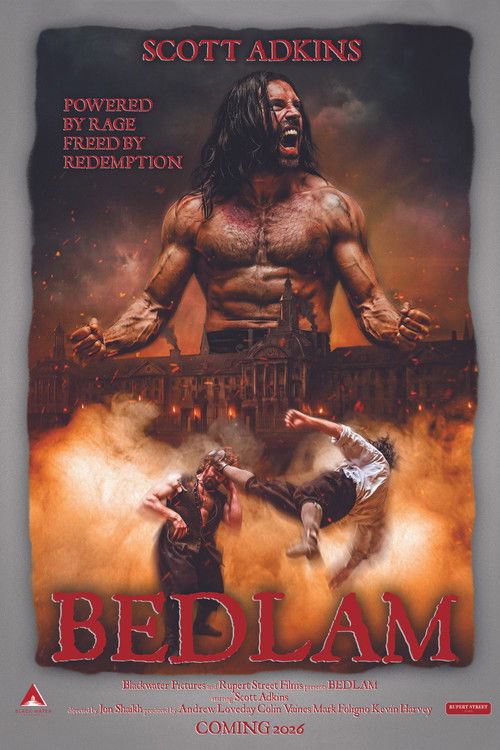
Bedlam
Both use the monster-as-proxy for human moral corruption, but Bedlam plants that corruption firmly in systems and society rather than in the creature itself. It's what happens when you take the mad scientist's question seriously.
Boris Karloff and director Mark Robson examining madness and cruelty in an 18th-century asylum. It's a horror film about institutions and the thin line between keeper and kept, shot through with real darkness and social fury.
But It's far more serious than the monster films around it—no fun, no camp, just human cruelty. The asylum sequences are genuinely disturbing.
More like this (8)
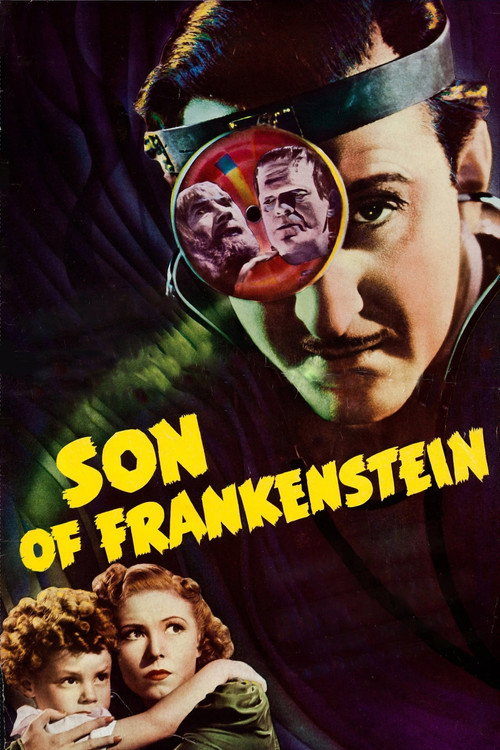
Son of Frankenstein1939
Basil Rathbone as the monster's son, Bela Lugosi returning as Ygor, Karloff's final appearance as the creature. The film is more Gothic and visually sumptuous than most sequels.
But It's a direct predecessor to this one, so less novelty if you're working backward through the series.
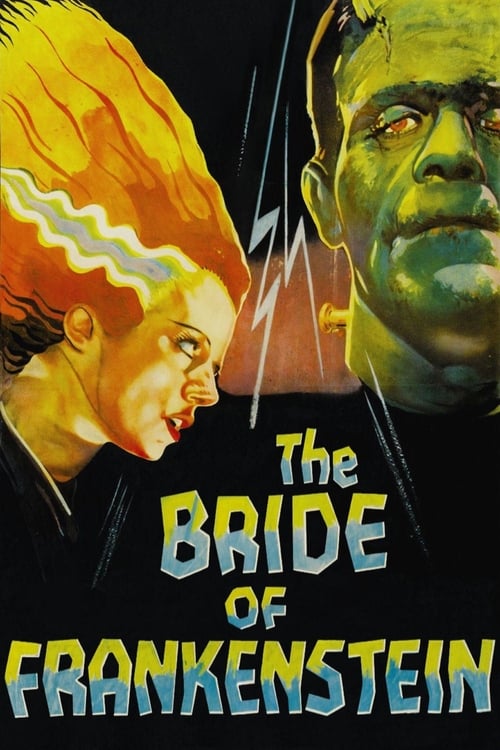
Bride of Frankenstein1935
The high-water mark of Universal's monster era. James Whale's direction is inspired, the mad science is genuinely wild, and Elsa Lanchester's creation is iconic. It works as both horror and dark comedy.
But The tonal shifts between pathos and camp can feel jarring if you're expecting consistent horror.
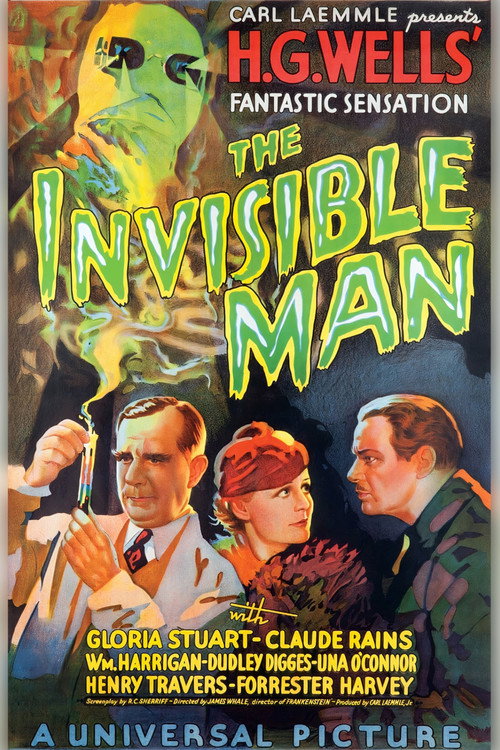
The Invisible Man1933
James Whale directing Claude Rains in a tour-de-force of invisible acting. The special effects are astonishing for 1933, and Rains's descent into megalomania is genuinely chilling.
But The science is risible even by 1930s standards, and the plot contrivances pile up in the second half.
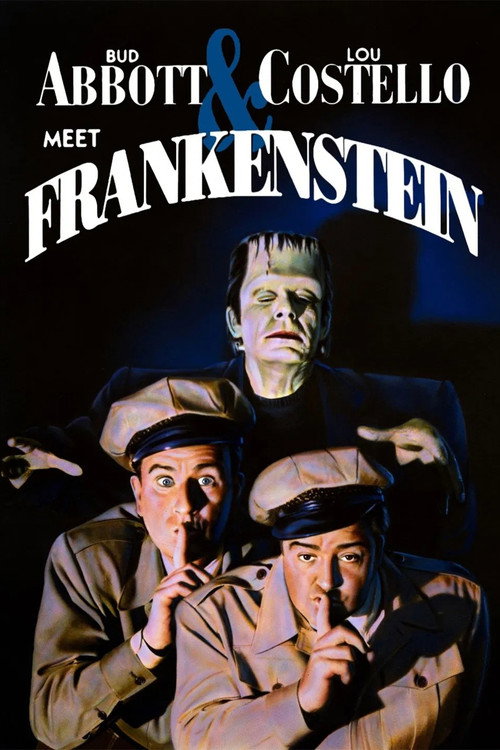
Bud Abbott and Lou Costello Meet Frankenstein1948
A surprisingly sharp comedy that works for fans of slapstick and fans of the monsters alike. Chaney and Lugosi are genuinely funny playing it straight while the comedians mug around them.
But If you hate broad comedy interrupting your horror, this will feel like a betrayal of the whole Universal stable.
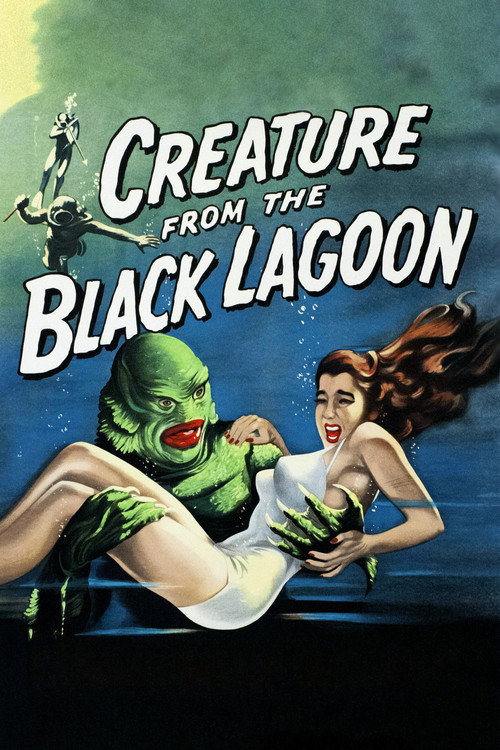
Creature from the Black Lagoon1954
The last great Universal monster of the classic era. Beautiful creature design, underwater sequences that still impress, and genuine suspense. It's simpler than earlier films but executed with real craft.
But The female lead exists mainly to scream, and the monster's motivations are thin. It's a creature feature more than a character study.
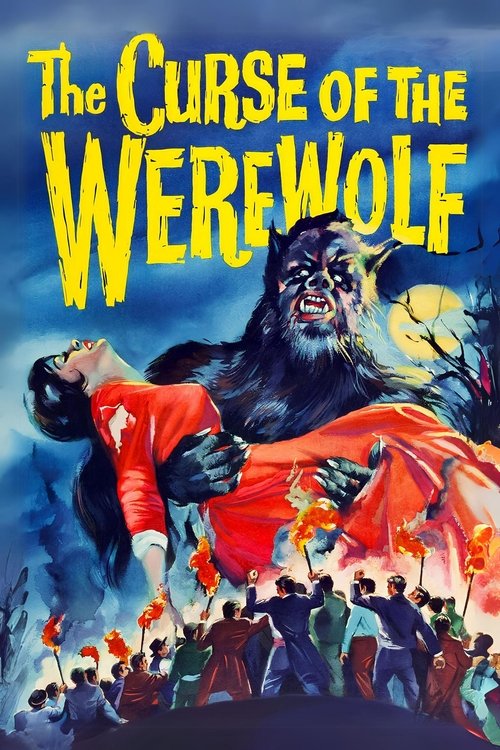
The Curse of the Werewolf1961
Hammer Films' take on lycanthropy with Oliver Reed and stunning Technicolor. It's bloodier, sexier, and more psychologically complex than the Universal originals, with a tragic edge.
But The opening act set in 18th-century Spain is leisurely, and Reed's transformation happens late. You're waiting a while for the werewolf to show up.
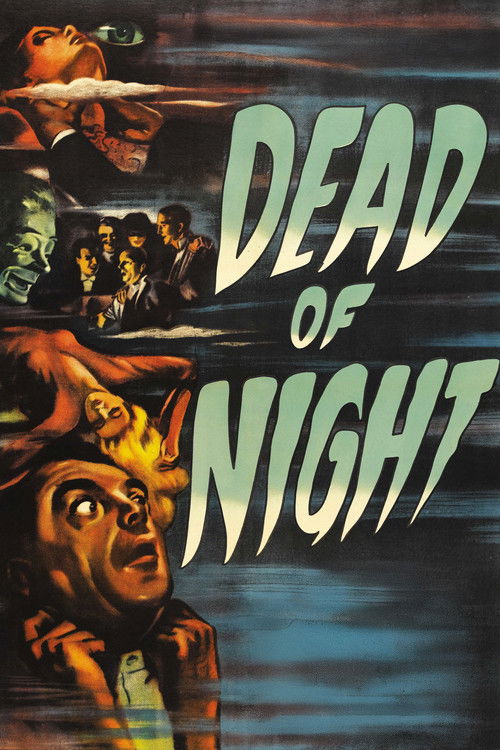
Dead of Night1945
Both are 1940s war-era monster films, but Dead of Night proves horror doesn't need a creature—it needs the suggestion that something rational has slipped. Ygor's reanimation ambition becomes a meditation on what animates anything at all.
A British portmanteau horror of five nested stories climaxing in a ventriloquist's dummy that may or may not have a mind of its own. It's eerie, formally inventive, and the dummy sequence will stay with you.
But The first three stories are uneven, and you have to sit through them to reach the genuinely unsettling material. The episodic structure means no single plot develops much depth.
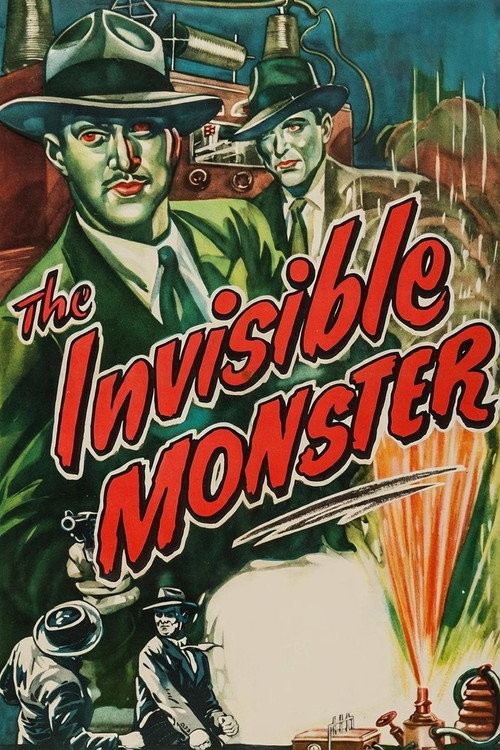
The Invisible Monster1950
Where Ghost of Frankenstein is a studio monster film, this Serial is what ordinary people were actually watching in Saturday matinees—the democratic version of the same obsession with invisible menace and scientists playing God. It's the democratic depths of where this film's worldview leads.
A Serial (12 chapters, watched weekly like TV) where a mad scientist creates an invisible killer and sends it to do his bidding. It's pulp stretched across hours—cheap, repetitive, but weirdly hypnotic in its relentless pulp logic.
But It's rough, it's slow, effects are primitive even by 1950 standards, and the plot repeats itself to stretch the runtime. You need patience and affection for the form to get through it.
People
Cast
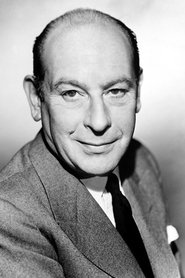 Cedric HardwickeDr. Ludwig Frankenstein / Dr. Henry Frankenstein (ghostly image)
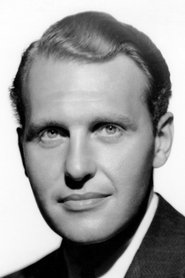 Ralph BellamyErik Ernst
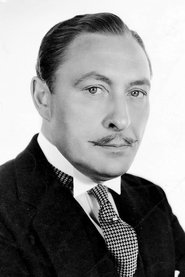 Lionel AtwillDr. Bohmer
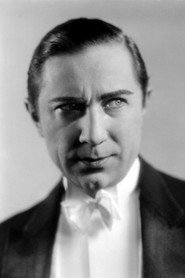 Bela LugosiYgor
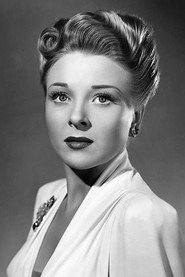 Evelyn AnkersElsa Frankenstein
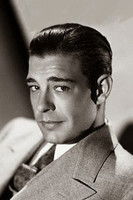 Lon Chaney Jr.The Frankenstein Monster
- Janet Ann GallowCloestine Hussman
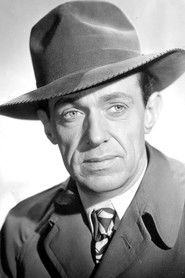 Barton YarboroughDr. Kettering
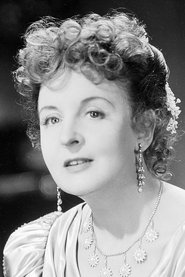 Doris LloydMartha the Housekeeper
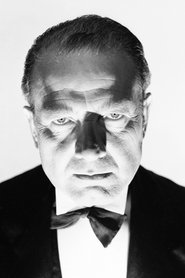 Leyland HodgsonChief Constable
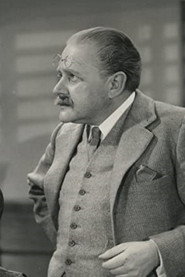 Olaf HyttenAdolph Hussman
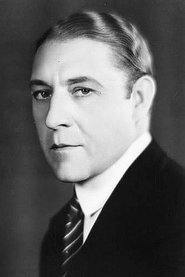 Holmes HerbertMagistrate
Directing
- Charles S. GouldAssistant Director
- Erle C. KentonDirector
Writing
- Mary ShelleyCharacters
- Eric TaylorOriginal Story
- Scott DarlingScreenplay
Production
- George WaggnerProducer