
Film
The Invisible Monster
A 1950 serial-adventure gem where two investigators race to stop a mad scientist and his invisibility formula from creating an unstoppable criminal army. It's pulpy, earnest, and full of Saturday-matinee thrills—the kind of film that plays by its own rules and never winks at the camera. For anyone who loves vintage sci-fi B-movies and practical effects ingenuity.
Should you watch it?
Watch it if you love brisk, creaky 1950s pulp where a mad chemist's invisibility gimmick is an excuse for detective legwork, fistfights and cheerfully ludicrous set pieces.
Skip it if you need tight plotting and modern effects, since this one stretches a crime plot across a very long runtime with stagey acting and visible gaps in logic.
What it asks of you: Settle in for a long, chapter-like haul at 167 minutes, where the pace is leisurely between bursts of action and the tone stays flatly earnest rather than winking.
Not sure? Find tonight's pick in a minute.
If you liked this
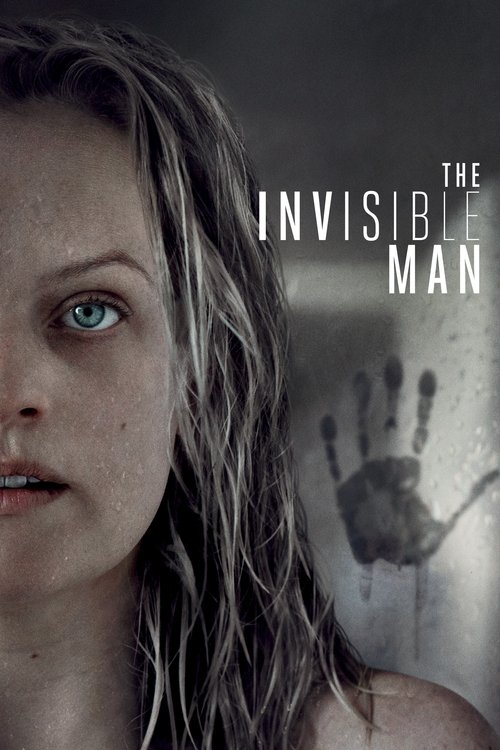
The Invisible Man2020
The definitive invisibility picture: brilliant premise, luminous cinematography, and Claude Rains delivering a career-best performance as a man unraveled by his own power.
But Nearly a century old and shot in monochrome, with theatrical pacing that modern audiences sometimes find glacial.
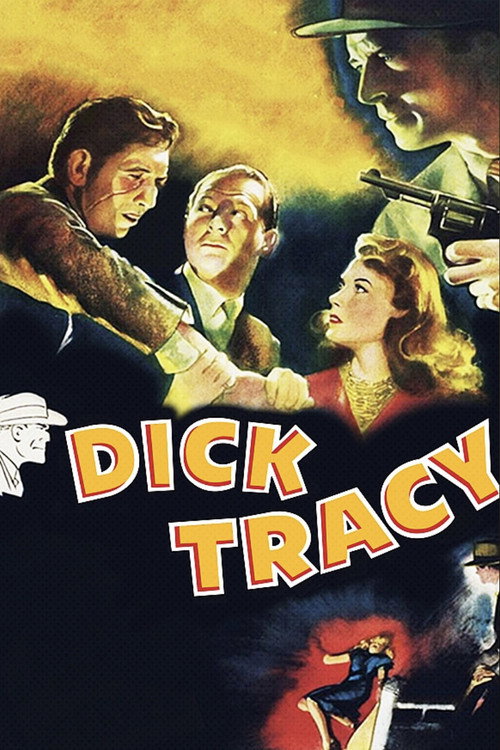
Dick Tracy1945
Same era, same pulp-detective energy, gorgeous Technicolor crime-fighting with a rogues' gallery that rivals anything on screen. Pure comic-strip fun executed with style and vigor.
But Four decades of radio and comics canon means the plot can feel overstuffed for newcomers. Warren Beatty's 1990 version might actually be easier entry.
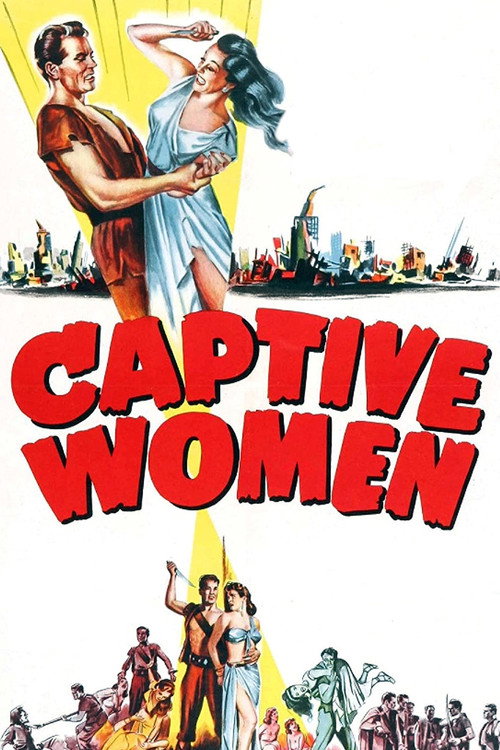
Captive Women1952
Post-apocalyptic B-sci-fi with genuine oddity: three tribes battling in the ruins of New York. It commits fully to its strange premise without apology or camp awareness.
But The acting is rough, the logic is suspect, and it looks like it was shot in someone's backyard. Which it partly was.
Not sure tonight? Get a pick in a minute, starting from The Invisible Monster
The wildcard
Something you would not have found on your own.
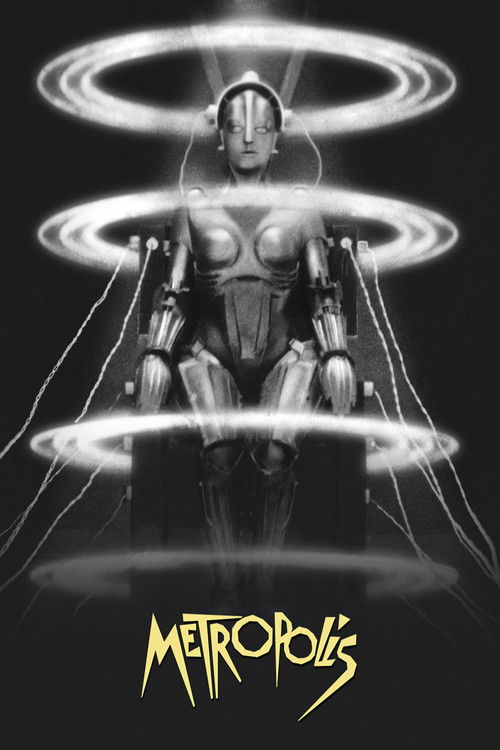
Metropolis1927
Both explore fear of replaceable soldiers—robots versus invisible men—and both pit a powerful, amoral leader's technology against everyday people. Same paranoia, different machinery.
The invisible-army concept isn't new: Lang's robot-worker uprising prefigures The Invisible Monster's fear of disposable, controllable armies. But Metropolis is visionary sci-fi that shaped cinema itself—soaring ambition, architectural beauty, and genuine pathos.
But Over three hours in some restorations, shot in German Expressionist style that reads as slow and painterly to modern eyes. Also silent, and no amount of music can change that.
More like this (7)
The Killers1946
Crime investigation with narrative ambition: a murder, a mystery, and a tour of small-town corruption. Siodmak's direction and the young Burt Lancaster are both magnetic.
But The fractured timeline was innovative in 1946 but feels familiar now. Some plot threads resolve more through chance than detection.

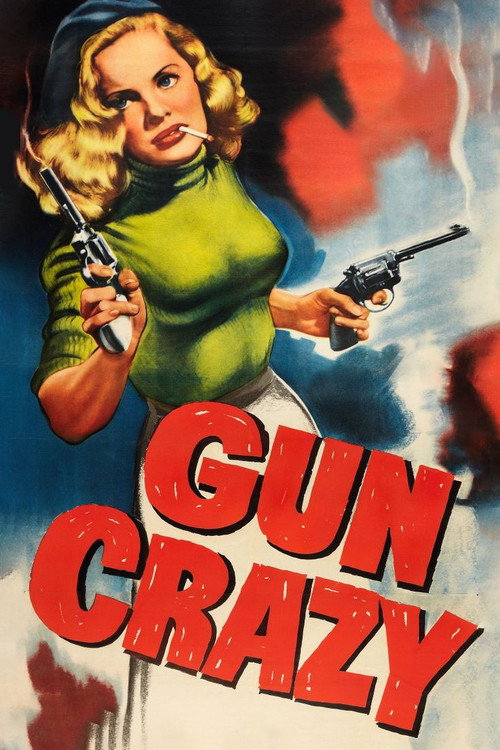
Gun Crazy1950
Released the same year, same reckless energy. Two killers in love on the run; the film moves like a bullet and Peggy Cummins is unforgettable.
But The romantic framing of criminals may feel uncomfortably cynical or, to some, glorifying. It's darkly amoral by design.
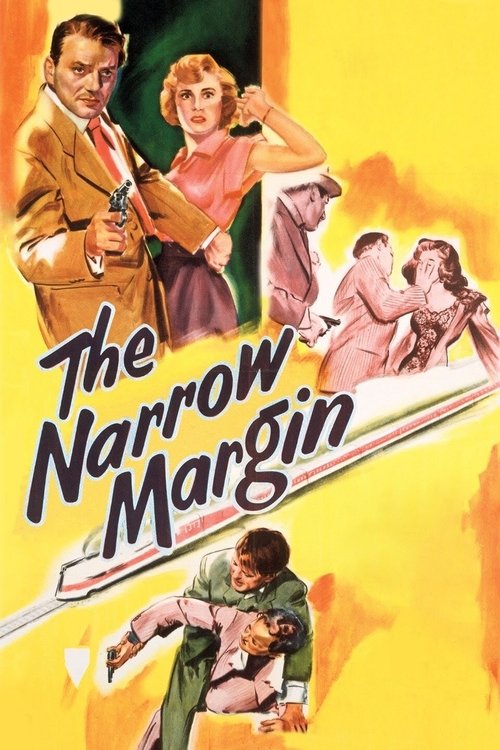
The Narrow Margin1952
Confined-space thriller: a cop, a witness, a train, and killers everywhere. Economical filmmaking that wrings maximum tension from a simple setup.
But Modest scale and a train car setting feel cramped if you want spectacle. The twist ending is clever but divisive.
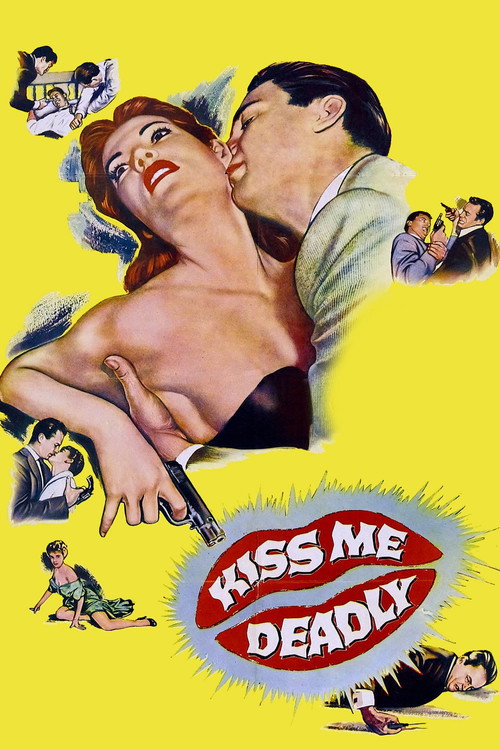
Kiss Me Deadly1955
Aldrich's brutal masterpiece takes the pulp detective formula and cranks the darkness to ten. Savage, stylish, and genuinely unsettling—the end of noir's innocence.
But Graphically violent by 1950s standards and deeply misogynist in tone. Watching it means sitting with genuine moral ugliness.
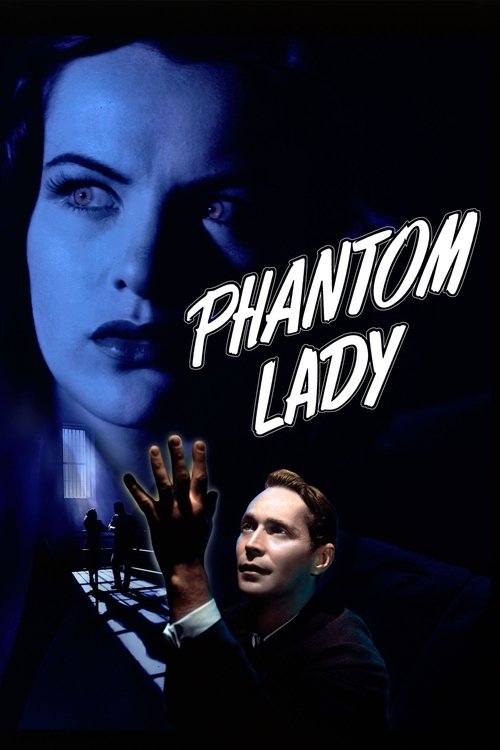
Phantom Lady1944
A woman races to prove her husband innocent of murder using only a phantom's testimony. Suspenseful, weird, and packed with genuine surprises.
But The pacing stutters in the second act and some plot mechanics creak. The ending pivots toward melodrama rather than resolution.
The Killing1956
Both pit an ordinary-Joe detective or criminal against conspirators and forces larger than themselves. Both are crime thrillers built on surveillance and evasion. But where The Invisible Monster is earnest adventure, The Killing is fatalistic noir.
A heist gone wrong, told out of sequence by a master of suspense at the height of his powers. Kubrick's debut is tighter and more pitiless than any crime serial; it finds tragedy in incompetence.
But The fragmented timeline can be confusing and the emotional payoff is bleak rather than cathartic. Also, it's shot in grainy black-and-white on a B-movie budget.

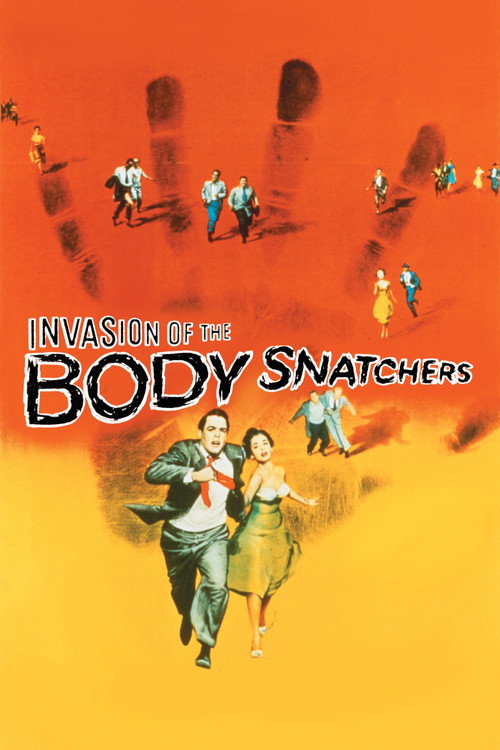
Invasion of the Body Snatchers1956
Both traffic in the fear of invisible invasion—invisible men as a threat, invisible substitution as threat. Both are about society unable to defend itself against what it cannot see.
Cold War paranoia: alien duplicates replacing humans silently and completely. The genius is that the threat is *invisible*—you can't see the alien, only its work. Terrifying, perfectly paced, and surprisingly melancholic.
But The premise feels familiar now because this film defined the trope. Also, the 1950s aesthetic and some of the acting will feel quaint or dated to some viewers.
People
Cast
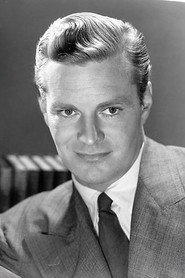 Richard WebbLane Carson
 Aline TowneCarol Richards
 Stanley PriceThe Phantom Ruler
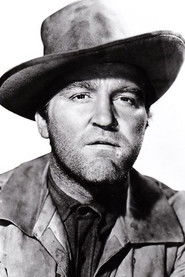 Lane BradfordBurton
 John CrawfordHarris
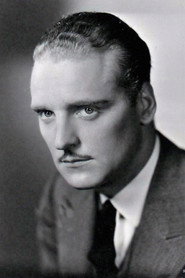 George Meeker"Harry Long"
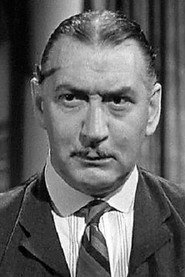 Edward KeaneWarren Madison
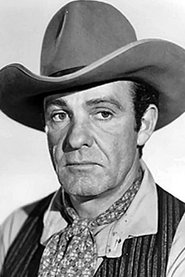 Dale Van SickelOtto Wagner, aka "Frank Martin"
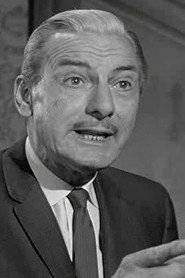 Douglas Evans"James Hunter"
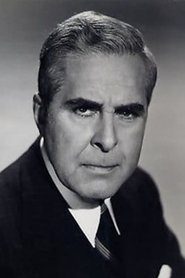 John Hamilton"Henry Miller"
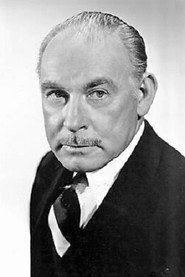 Roy GordonMr. Moore
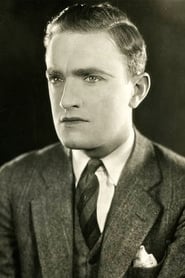 Harold GoodwinKirk - Body-Shop Henchman [Ch.11] (uncredited)