
Film
The Narrow Margin
A tough detective must protect a mobster's widow on a cross-country train while assassins close in. Seventy-one brisk minutes of paranoia, confined spaces, and wit—the kind of noir that proves restraint is thrilling. For anyone who loves suspense that doesn't need a bloated runtime to breathe.
Should you watch it?
Watch it if you love lean, economical noir where the tension comes from tight quarters, sharp dialogue and a hunted man who keeps his wits, and a 71-minute film that wastes not a single frame.
Skip it if you want a slow build, lush scenery or a story that roams widely; this one is confined almost entirely to a train and a handful of rooms, and its cheap-looking corners show.
What it asks of you: Little time and full attention: it runs barely over an hour, moves briskly, and rewards you for staying alert to who is lying to whom in a cramped space.
Not sure? Find tonight's pick in a minute.
If you liked this
In a Lonely Place1950
Bogart as a volatile screenwriter suspected of murder, with Gloria Grahame as the woman who might save or doom him. Claustrophobic, caustic, psychologically vicious—noir about how suspicion corrodes love.
But The pacing is measured and the ending is deliberately bleak. If you want catharsis or a tidy resolution, you won't find it here.

The Killers1946
Burt Lancaster's debut; Siodmak's jewelled direction; a structure that spirals outward from a murder nobody tries to prevent. Every frame is composed like a threat. The influence on modern crime stories is everywhere.
But It's a Hemingway adaptation, which means it's interested in fatalism over plot momentum. Some scenes drag deliberately, which is intentional and also slow.

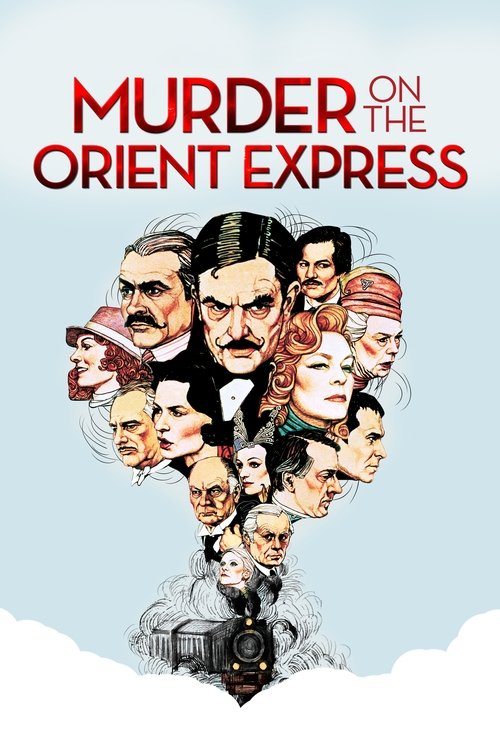
Murder on the Orient Express1974
A locked-room mystery on a luxury train with an ensemble cast executing Christie's puzzle perfectly. Lumet's direction is clean; the pleasure is in watching smart people think. Poirot at his most dapper.
But The plot is intricate enough to lose you if you're not paying close attention. And once you know the solution, there's little reason to revisit it.
Not sure tonight? Get a pick in a minute, starting from The Narrow Margin
The wildcard
Something you would not have found on your own.
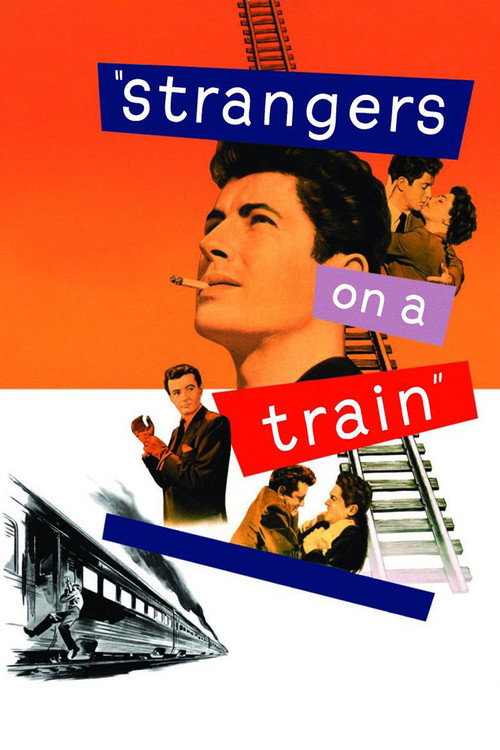
Strangers on a Train1951
Both are train-based thrillers about confinement and the paranoia of not knowing who to trust, but where Narrow Margin is about protecting someone, Strangers is about being tempted to destroy them.
Hitchcock's meditation on how strangers can entangle your fate: two men on a train propose a murder swap. Like Narrow Margin, it's a machine for suspicion, but it's also about moral contamination and how easily you become complicit.
But It's leisurely by modern standards and the climax is slightly overcooked. Hitchcock's cameo is distracting once you notice it.
More like this (8)
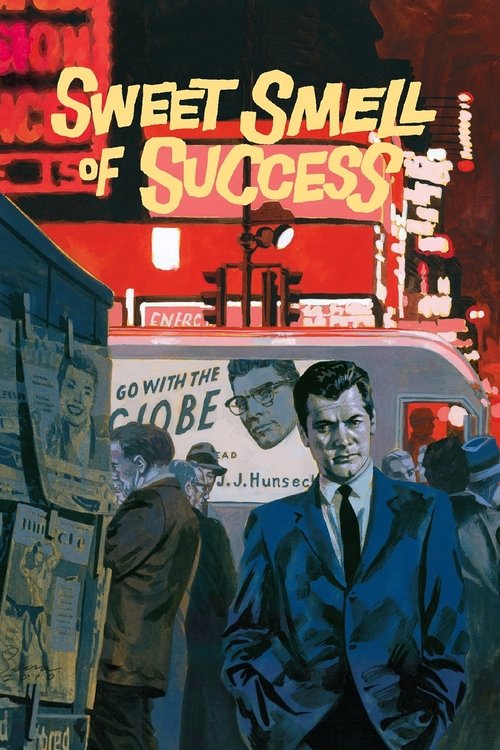
Sweet Smell of Success1957
New York, tabloid gossip, backroom corruption, and dialogue so sharp it draws blood. Lancaster and Tony Curtis in roles that invert your expectations. Shot in blacks so deep they feel like bruises.
But The cynicism is unrelenting and the main characters are genuinely despicable. If you need to like someone, this will exhaust you.
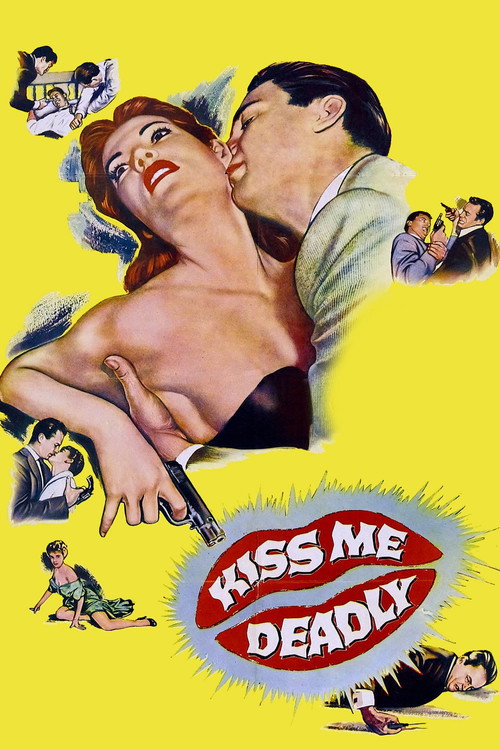
Kiss Me Deadly1955
Aldrich's atomic-age noir with Hammer as a private eye stumbling into apocalyptic conspiracy. The last fifteen minutes rewire what you thought was happening. Paranoid, visceral, utterly assured.
But Mike Hammer is a brute and the film doesn't apologize for him. The misogyny is period-authentic and still uncomfortable. The plot becomes genuinely bewildering by the end.
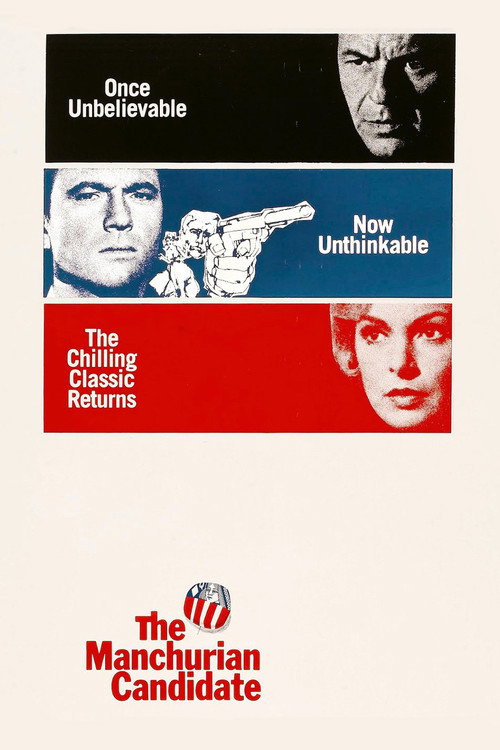
The Manchurian Candidate1962
A Korean War vet suspects his commanding officer has been brainwashed into becoming an assassin. Frankenheimer's paranoia, a perfect supporting performance by Angela Lansbury, and a political edge that still cuts.
But It's an ensemble cast and no one gets simple character development. The tone shifts between satire and dread without warning, which is brilliant but demanding.
The Third Man1949
Vienna after the war, a zither score that shouldn't work but devastates, Welles as a ghost haunting the frame. Carol Reed's direction uses every inch of the screen. Betrayal, friendship, moral compromise—all at once.
But The plot meanders intentionally; character motivations are murky because that's the point. If you want clarity you'll be frustrated.

The Asphalt Jungle1950
The heist film template, drawn by Huston with a cast of specialists. Methodical, unglamorous, focused on the mechanics of crime and its aftermath. Influenced everything that came after it.
But There's no one to root for and the film refuses sentimentality. It's procedural before that was a word, which means it can feel distant.

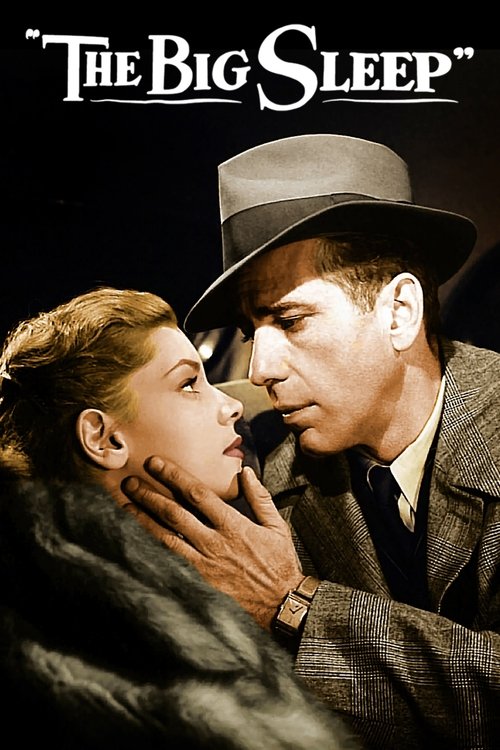
The Big Sleep1946
Bogart and Bacall's first pairing; Chandler's plot is impossible to follow but the chemistry and banter are intoxicating. Hawks lets them improvise, riff, fall in love on camera.
But The plot is genuinely confusing—Chandler admitted he forgot who killed the chauffeur. If narrative clarity matters to you, don't look here for it.
The Killing1956
Both are sub-ninety-minute crime thrillers that prove tightness is a style. Narrow Margin is momentum; Killing is architecture. Same discipline, different geometries.
Kubrick's debut: a racetrack heist told non-chronologically, which was revolutionary. Taut, inventive, every minute justified. The structure itself becomes a character—you're always one step behind understanding the con.
But The nonlinear narrative is the point, but it also demands rewatching to fully click. Some viewers find it show-offy rather than clarifying.

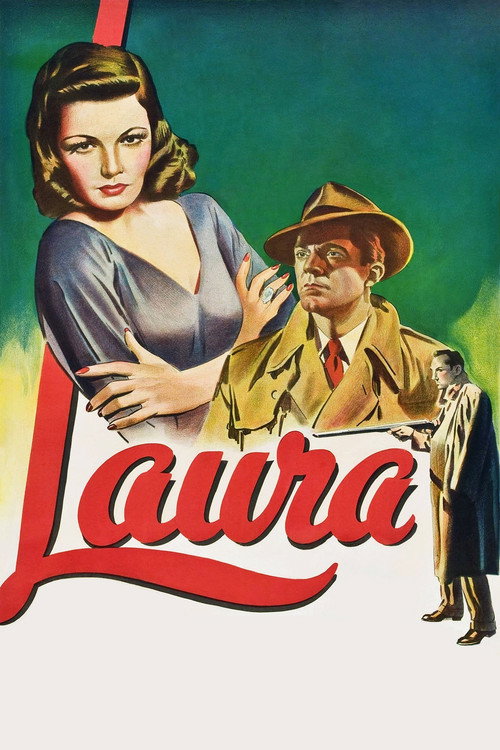
Laura1944
Like Narrow Margin, it's a short, elegant noir about protection and desire colliding under pressure—but Laura reverses it: the detective must choose between his job and his heart, while the widow in Margin is the job itself.
A detective investigating a murder falls in love with the victim's portrait. Gene Tierney is a ghost haunting the frame; Preminger's direction is seductive and strange. A murder mystery that's actually a love story wearing a disguise.
But The pacing is unhurried and several scenes exist mainly for mood. If you want plot propulsion you'll find it frustratingly abstract.
People
Cast
 Charles McGrawDet. Sgt. Walter Brown
 Marie WindsorMrs. Frankie Neall
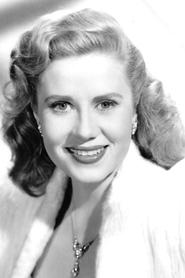 Jacqueline WhiteAnn Sinclair
- Gordon GebertTommy Sinclair
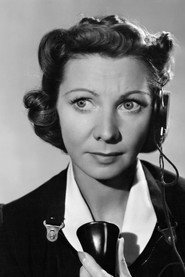 Queenie LeonardMrs. Troll
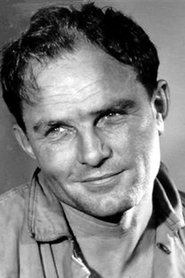 David ClarkeJoseph Kemp
- Peter VirgoDensel
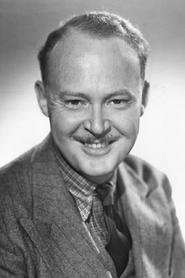 Don BeddoeDet. Sgt. Gus Forbes
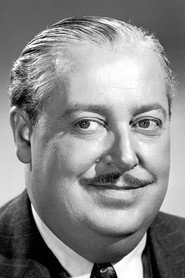 Paul MaxeySam Jennings
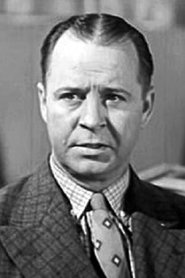 Harry HarveyTrain Conductor
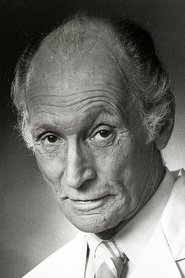 Peter BroccoVincent Yost (uncredited)
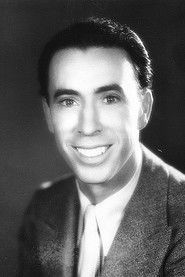 George ChandlerAccomplice Running Newsstand (uncredited)
Directing
- William DorfmanAssistant Director
- William Cameron MenziesCo-Director
- Richard FleischerDirector
Writing
- Earl FeltonScreenplay
- Jack LeonardStory
- Martin GoldsmithStory
Production
- Stanley RubinProducer
Recommended by
The Taking of Pelham One Two Three, 3:10 to Yuma, The Hurricane Express, The Invisible Monster