
Film
The Hurricane Express
A 1932 serial-thriller where John Wayne hunts a master of disguise sabotaging trains across America. Rapid-fire action, absurd twists, and the melodramatic style of early-talkie serials define it. For viewers curious about how movies thrilled audiences before sophisticated editing existed, or Wayne completists willing to sit through cliffhanger plotting that rewards patience with genuine spectacle.
If you liked this
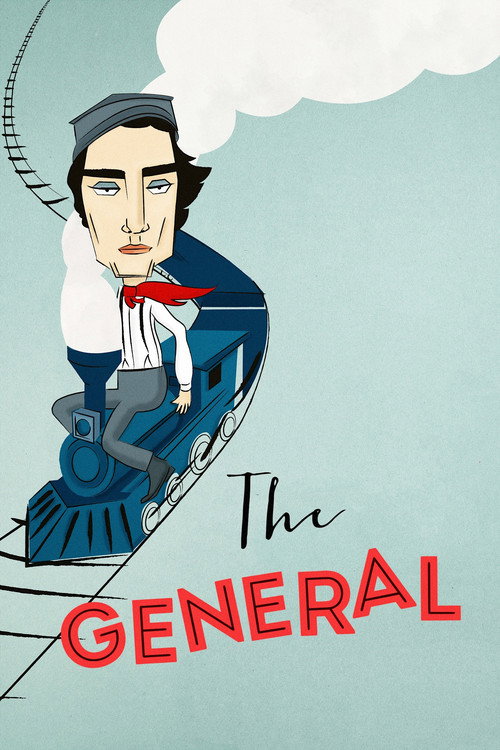
The General1926
Buster Keaton performs impossible stunt work on a moving locomotive during the Civil War. A silent masterpiece about trains, pursuit, and physical comedy that influenced every action film after it.
But It's silent and nearly century-old. Pacing feels glacial if you're used to modern cutting. Keaton's deadpan expression can read as emotionally remote.
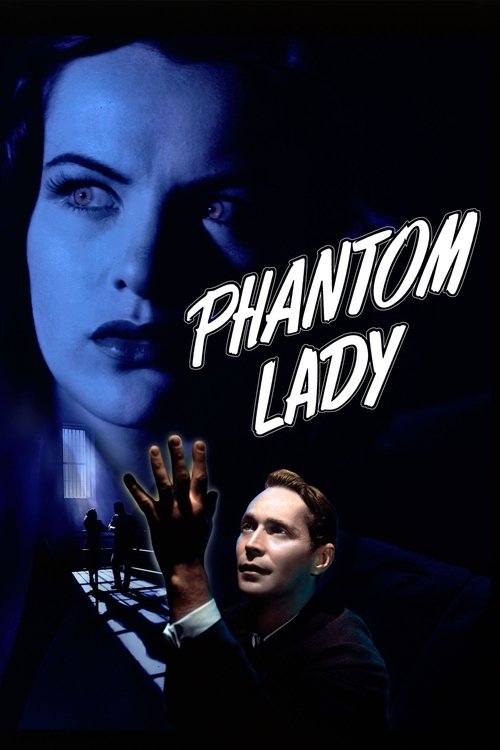
Phantom Lady1944
Cornell Woolrich's impossible-to-solve mystery about a woman framed for murder, filmed with noir shadows and paranoid urgency. Suspense that ratchets tighter with each false lead and disguise.
But The solution relies on coincidence and the logic occasionally wobbles. Female lead is passive by modern standards, defined mostly by her devotion to a man.
The Killers1946
Hemingway's brutal short story gets its first adaptation: a boxer double-crossed, waiting for men to kill him. Burt Lancaster's debut, shot through with dread and fatalism, influenced the entire noir tradition.
But It's a revenge structure told backwards. If you need plot momentum and clear causality, the fragmentary narrative can feel frustrating.

Not sure tonight? Get a pick in a minute, starting from The Hurricane Express
The wildcard
Something you would not have found on your own.
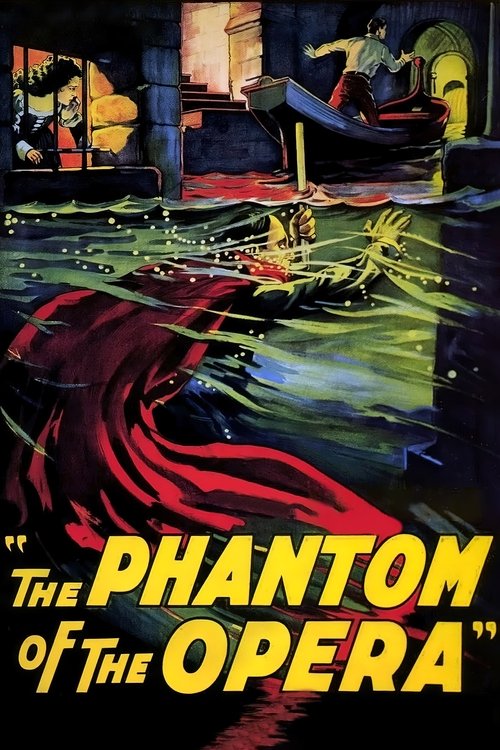
The Phantom of the Opera1925
Both films use a mysterious figure with the power to transform identity to terrorize audiences. Both build suspense through elaborate physical spaces—trains and theater—that become labyrinths. Both rely on the pleasure of not knowing who the enemy actually is.
Lon Chaney in a masterpiece of German Expressionist cinema: gorgeous, grotesque, and built on the same serial structure as Hurricane Express—a masked antagonist, disguises, impossible escapes, impossible pursuit through elaborate spaces.
But It's silent and nearly two hours long. Chaney's performance is enormous and theatrical by any standard. If you're impatient with slow reveals and atmospheric staging, it will test you.
More like this (8)
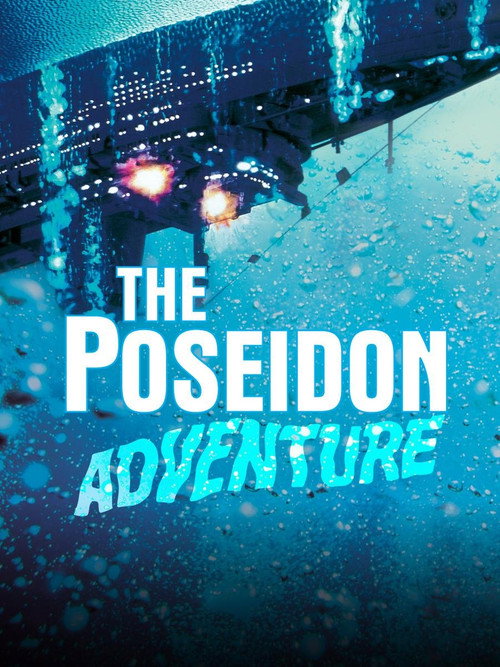
The Poseidon Adventure1972
When a ship capsizes, a group of survivors must climb upward through the flooded wreck. Genuine suspense, spectacular practical effects, and the template for every disaster film that followed. Fun as hell.
But Characters are types rather than fully drawn people. The dialogue veers into melodrama. It's long and doesn't always pace itself well.
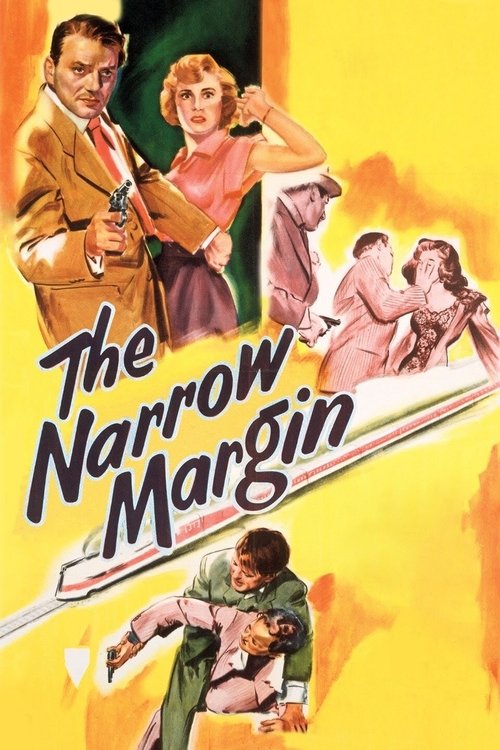
The Narrow Margin1952
A cop and a witness must survive a cross-country train journey while a hitman hunts them. Claustrophobic tension in confined spaces, economical storytelling, and genuine threat throughout.
But Budget constraints mean most of it happens in one train car. If you need spectacle or movement, the staging can feel repetitive.
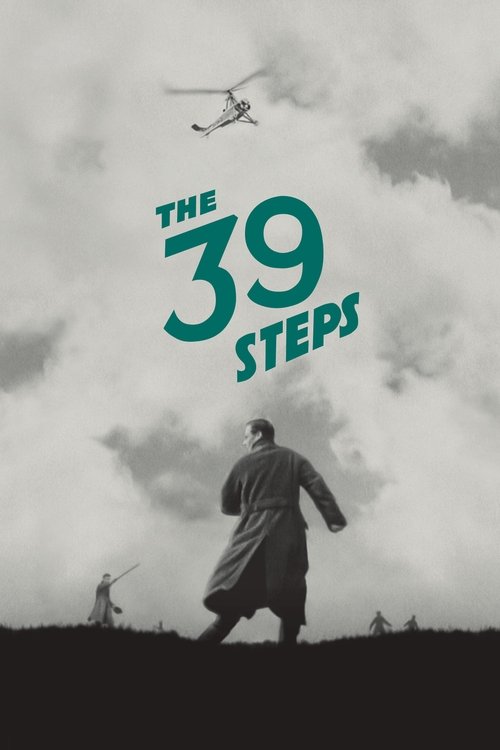
The 39 Steps1935
Hitchcock's spy thriller set on trains and Scottish moors: wrongly accused man hunted across landscapes. Playful, propulsive, endlessly inventive about how to generate suspense from movement and misdirection.
But The plot is frankly nonsensical if you think about it hard. Certain attitudes toward women feel genuinely dated. At 86 minutes, it moves so fast you might miss character beats.
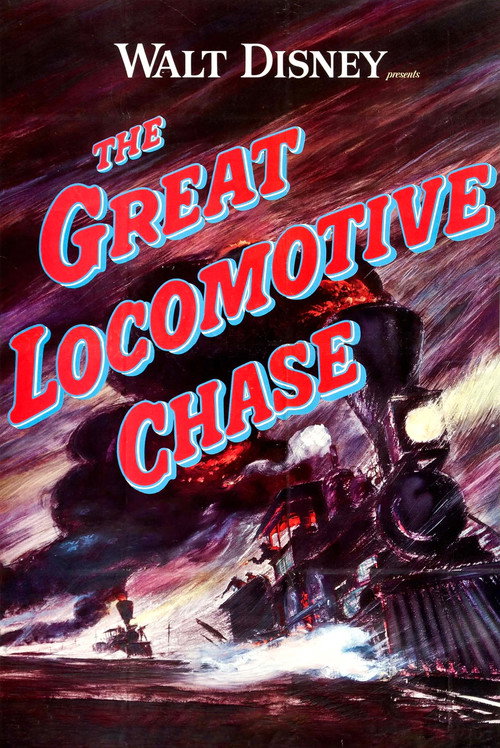
The Great Locomotive Chase1956
Based on a true Civil War incident: Union spies steal a locomotive and are pursued across Georgia. Budd Boetticher's clean direction, real train stunts, and episodic momentum make it feel like a serial you actually want to follow.
But It's a straightforward chase with minimal character development. Confederate soldiers are presented sympathetically, which carries historical baggage. Modest budget shows in some sequences.
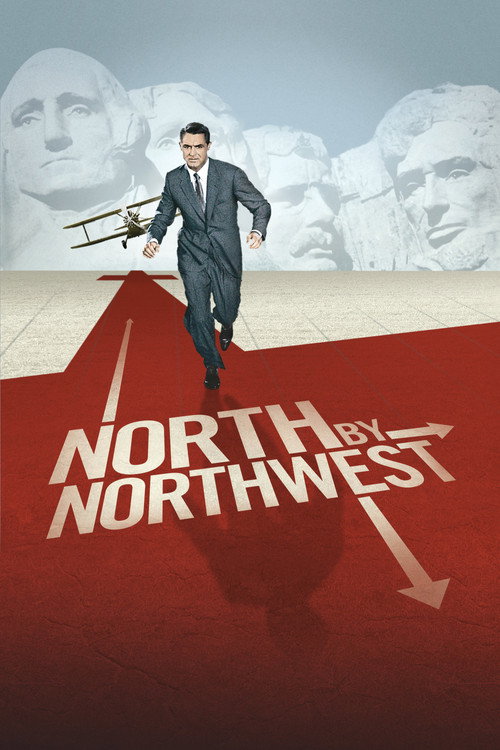
North by Northwest1959
Hitchcock's absolute masterwork: wrong man pursued across America by spies, beginning on a train. It's a blueprint for modern thrillers—witty, visually dazzling, and genuinely thrilling.
But If you know it, you know it. Some viewers find Hitchcock's coldness emotionally distant. The spy plot's logic dissolves in the final act, though that hardly matters.
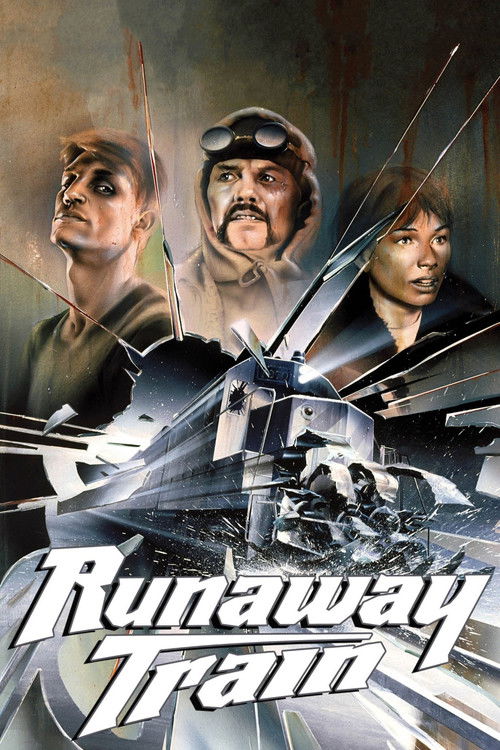
Runaway Train1985
An escaped convict and stowaway face an unmanned train hurtling toward disaster in Alaska. Jon Voight at full intensity, genuine danger from practical effects, and a simple premise that generates relentless momentum.
But The script is thin—barely a story, mostly survival beats. Voight's performance is so over-the-top some find it exhausting. Doesn't attempt anything beyond spectacle and survival.
The Third Man1949
Both films hinge on a protagonist moving through a corrupt landscape hunting someone he cannot quite trust or understand. Both use deception and disguise as moral instruments. Both ask: when you cannot see your enemy's true face, how do you know what to believe?
Orson Welles' masterpiece of moral ambiguity: a man arrives in post-war Vienna to find his friend dead, then discovers the friend is alive. Zither score, Dutch angles, betrayal unfolding through investigation and false leads.
But It's about ideas—loyalty, moral compromise, the nature of friendship—more than plot. Welles has maybe six minutes of screen time. The ending requires accepting that goodness loses.

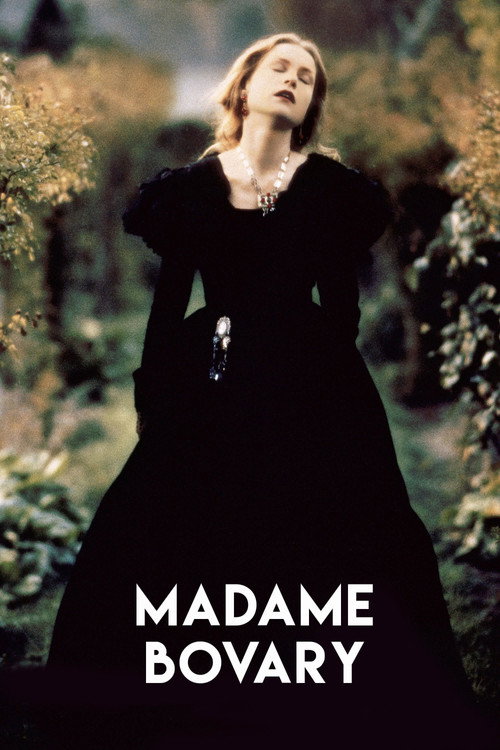
Madame Bovary1991
Like Hurricane Express, it's a mystery about motive: we watch a person uncover the truth about someone they trusted and the investigation costs them. But where serials disguise this as action and suspense, Chabrol disguises it as intimate drama. Both ask: who is this person I thought I knew? Both answer: someone utterly different than I imagined.
Claude Chabrol's adaptation of Flaubert: a provincial woman trapped in tedious marriage pursues romance and ruin across the French countryside. Gorgeously filmed, deliberately paced, and built on quiet investigation of character and motive rather than action.
But Nothing happens in the conventional sense—it's about desire and disappointment, not events. The pacing is deliberate to the point of slowness. If you need plot propulsion, this is the inverse of excitement.
People
Cast
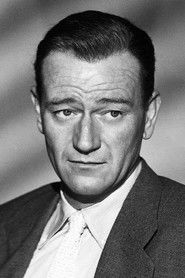 John WayneThe Air Pilot
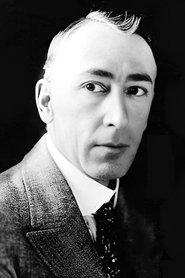 Tully MarshallThe Railroad Manager
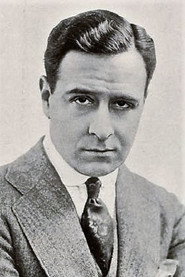 Conway TearleThe Railroad Attorney
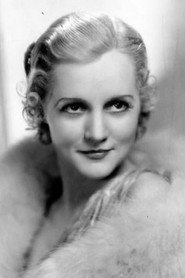 Shirley GreyThe Secretary
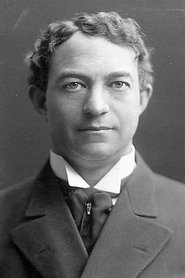 Edmund BreeseThe Secretary's Father
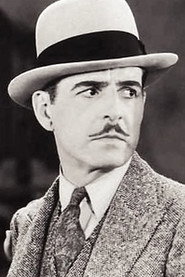 Lloyd WhitlockThe Air Line Manager
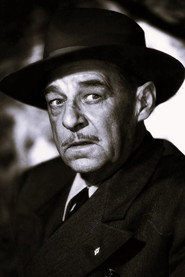 Al BridgeThe Station Agent
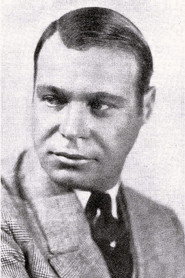 Matthew BetzThe Engineer Jordan
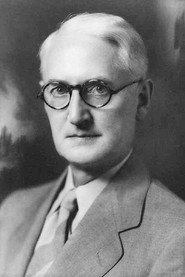 Joseph W. GirardThe Railroad Detective
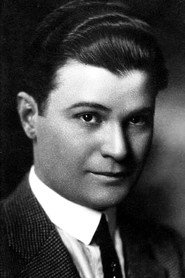 James P. BurtisThe Railroad Detective's Assistant
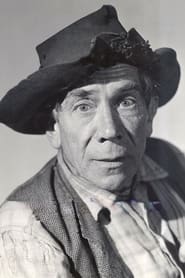 Ernie AdamsBarney
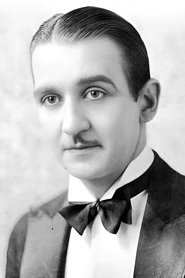 Charles KingMike
Directing
- Armand SchaeferDirector
- J.P. McGowanDirector
Writing
- George MorganScreenplay
- Harold TarshisScreenplay
- J.P. McGowanScreenplay
- Barney A. SareckyStory
- Colbert ClarkStory
- Wyndham GittensStory
Production
- Nat LevineProducer