
Film
Son of Frankenstein
The Universal monster movies hit their stride with this 1939 gothic knockabout: Basil Rathbone returns to the Frankenstein name, Boris Karloff's monster wakes up groggy, and Bela Lugosi steals everything as the vengeful hunchback Ygor. It's theatrical, beautifully lit, often funny without meaning to be, and absolutely the template for how we picture mad science on screen.
Should you watch it?
Watch it if you enjoy old-school Gothic horror played with a wink, where mad science, crumbling castles and Boris Karloff's lumbering monster matter more than gore or jump scares.
Skip it if you want modern pacing or hard scares; this one ambles through its talky middle with long stretches of dialogue and some stagey, creaky studio sets.
What it asks of you: It runs about an hour and a half at a leisurely pace, asking you to settle into dialogue-heavy scenes before the atmosphere and set pieces take over.
Not sure? Find tonight's pick in a minute.
If you liked this
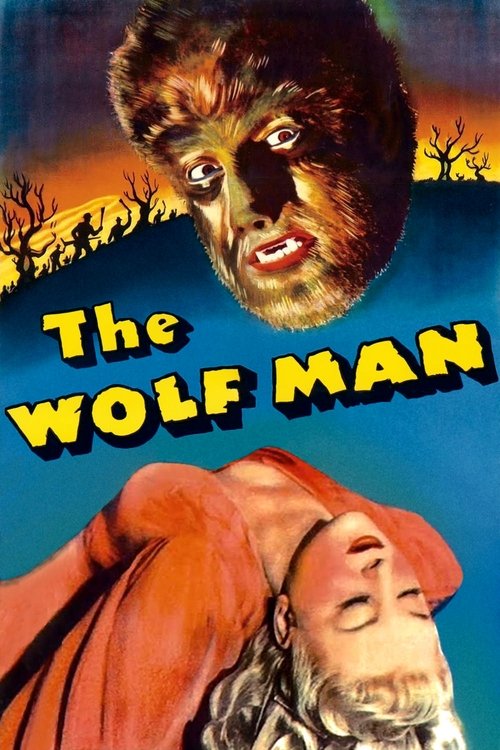
The Wolf Man1941
Lon Chaney Jr. as the cursed Lawrence Talbot, another Universal monster classic made just two years later with the same studio confidence and gothic atmosphere. The transformation scenes still hold up.
But The pacing is deliberate and the romance subplot feels obligatory. If you want constant action, you'll be frustrated.
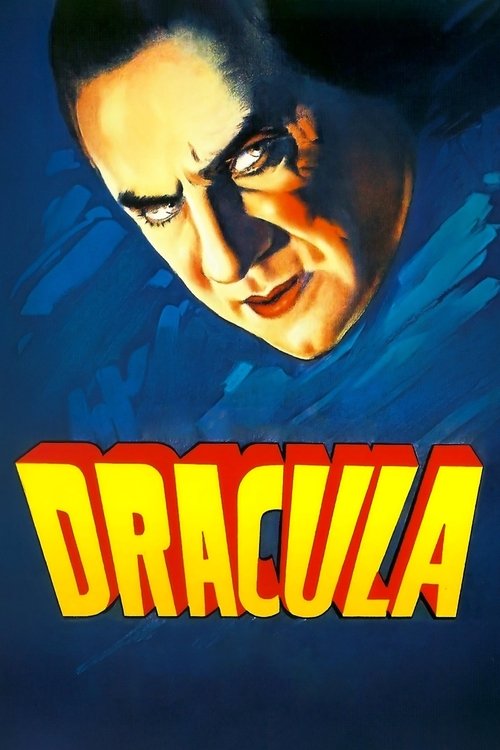
Dracula1931
Tod Browning's original with Bela Lugosi is the ur-text: slower, stranger, and more genuinely unsettling than anything that followed. It's where Universal's monster house was built from.
But The Renfield subplot is grotesque in ways modern audiences find uncomfortable. The film is also quite static—it's more séance than adventure.
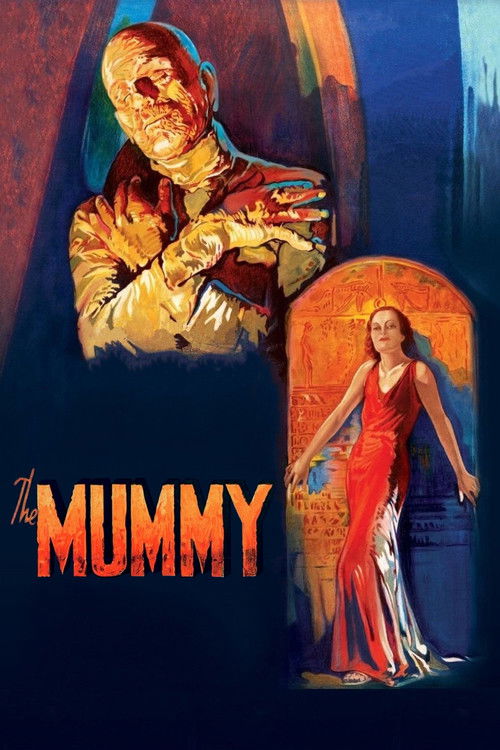
The Mummy1932
Karl Freund directs; Boris Karloff leads. The atmosphere is hypnotic, the makeup is transformative, and there's a melancholy to it that separates it from the other Universal entries. Genuinely eerie.
But It moves like a funeral procession. The second half dilutes the first act's uncanny mood with conventional plotting.
Not sure tonight? Get a pick in a minute, starting from Son of Frankenstein
The wildcard
Something you would not have found on your own.
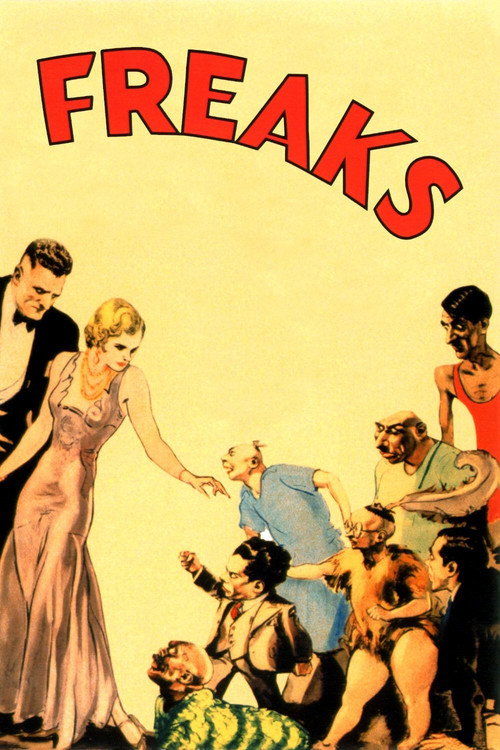
Freaks1932
Both films are about a society that creates monsters through cruelty and rejection. Frankenstein's monster and Browning's 'freaks' are made, not born. The real horror is always us.
Tod Browning directed both Dracula and this—his masterpiece, and the real answer to what monstrosity means. Using circus performers with real disabilities, it asks the question Frankenstein only implies: who is the actual monster? It's tragic, furious, and utterly fearless.
But It's deeply disturbing and not for shock value—the disturbance comes from how the film treats its subject with such radical humanity that it forces you to confront your own prejudices. The ending is bleak.
More like this (7)
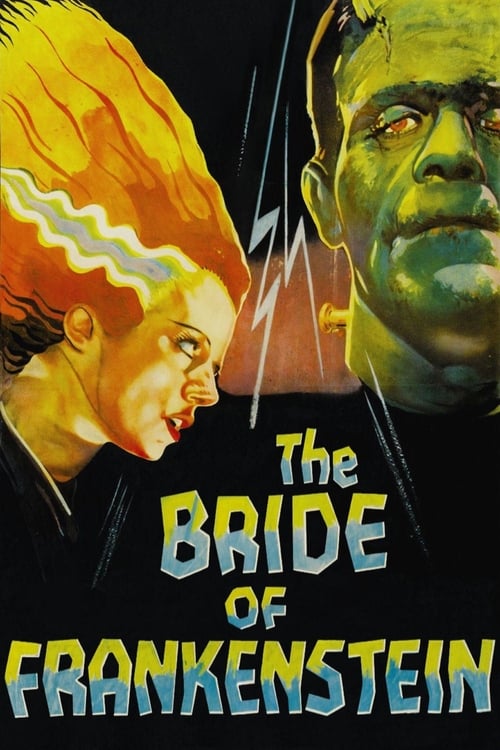
Bride of Frankenstein1935
James Whale's sequel is the high point of Universal's monster cycle: audacious, darkly funny, more confident in its artifice. Elsa Lanchester's bride is iconic for good reason.
But The tonal shifts—from tragedy to comedy to horror—won't work for everyone. Some find it dated rather than timeless.
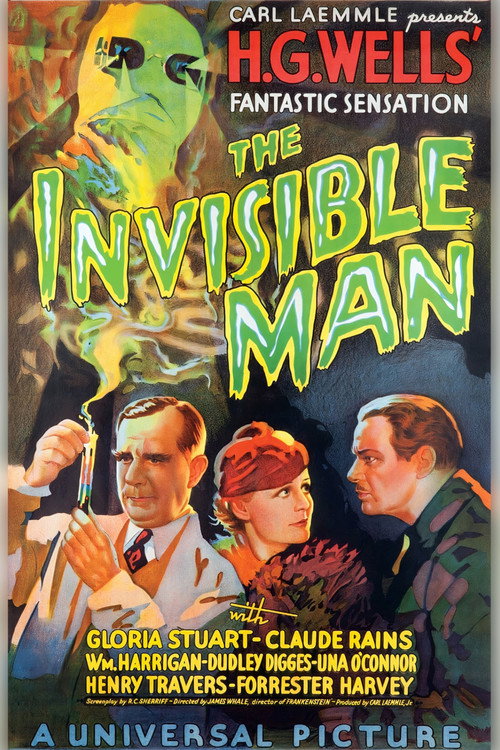
The Invisible Man1933
James Whale again, this time with Claude Rains as a scientist undone by his own discovery. The special effects are inventive, the script is clever, and it's genuinely thrilling in ways the monster movies aren't always.
But The invisibility gimmick can feel like a one-note premise stretched too thin. The film also gets broader and sillier as it goes on.
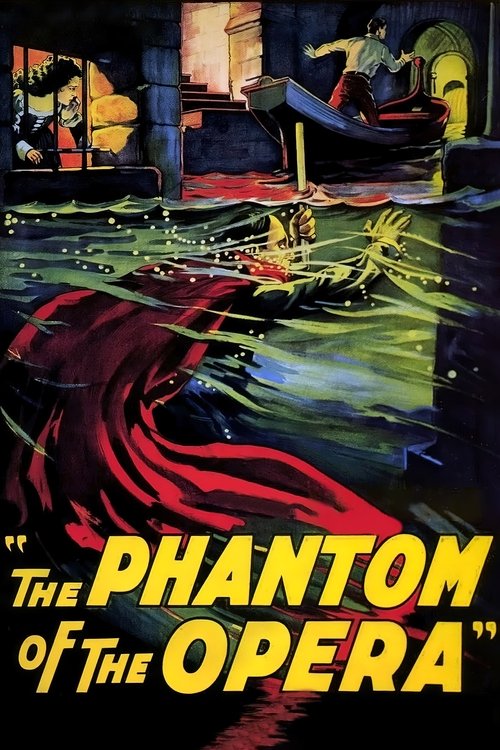
The Phantom of the Opera1925
Lon Chaney's silent masterpiece of disfigurement and obsession has more in common with Frankenstein than you'd think—same themes about monstrosity and sympathy. The unmasking scene is unforgettable.
But It's silent, which demands patience. The operatic melodrama can feel overwrought to modern ears.
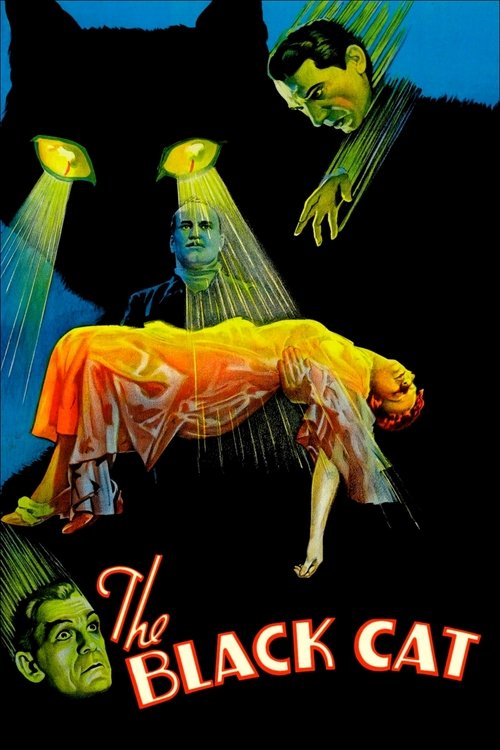
The Black Cat1934
Rathbone and Lugosi face off in a perverse, stylish thriller directed by Edgar G. Ulmer. It's dark, sexual in ways the other Universal films aren't, and utterly bizarre.
But The plot is genuinely hard to follow and the tone is oppressively grim. It doesn't have the fun energy of Son of Frankenstein.
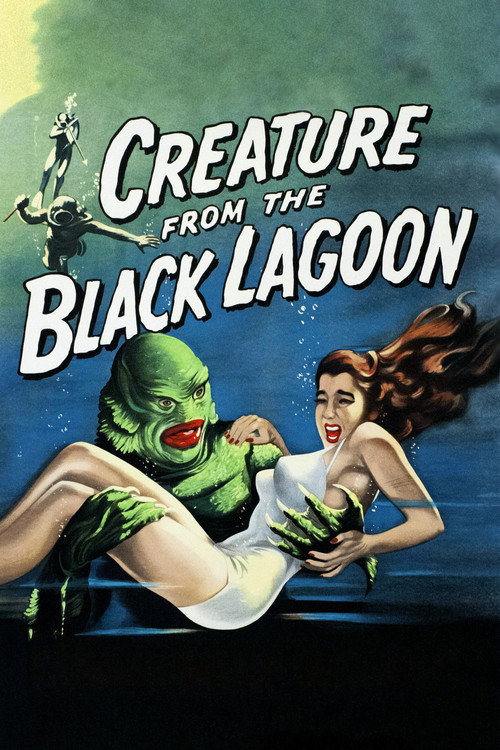
Creature from the Black Lagoon1954
The last great Universal monster picture, and in color. The gill-man design is beautiful, the underwater sequences are genuinely atmospheric, and it captures the gothic sensibility of the 1930s films with 1950s technical confidence.
But It's more straightforward adventure than psychological horror. If you're looking for weirdness and atmosphere, the 1930s originals have more to offer.
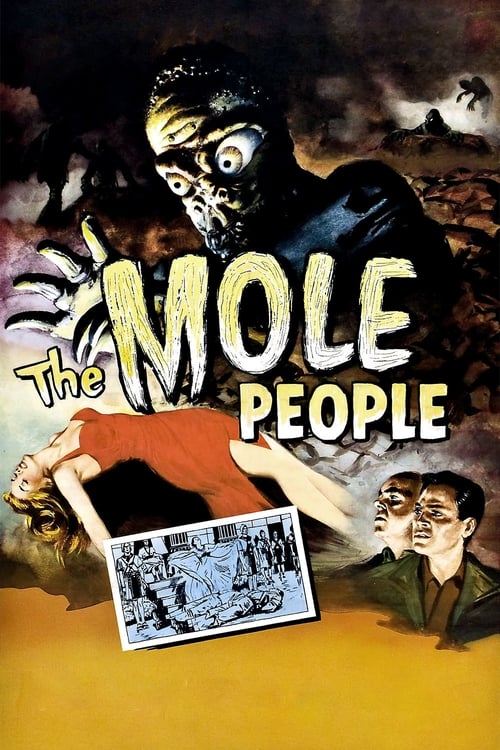
The Mole People1956
A deeply strange late-Universal monster film: subterranean creatures, occult science, B-movie earnestness. It's cheap and demented in ways that feel almost accidental.
But The production values are visibly thin and the plot is barely coherent. It's more curiosity than triumph.
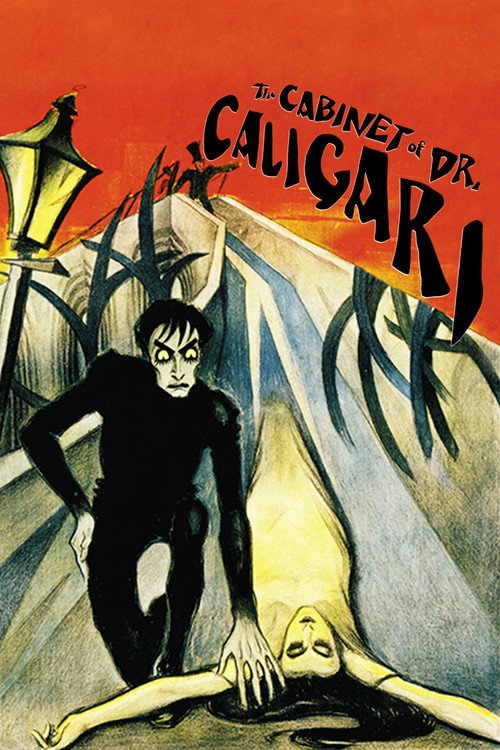
The Cabinet of Dr. Caligari1920
Son of Frankenstein uses Caligari's playbook—the mad scientist, the controlled creature, the expressionist mise-en-scène. But Caligari is the blueprint; this is where the template came from.
The granddaddy of horror cinema: German Expressionism at full tilt, a somnambulist controlled by a mad doctor, a world bent into nightmare geometry. It invented the visual language that Universal adopted wholesale.
But It's silent, heavily stylized, and the frame narrative ending divides viewers. If you want plot clarity and naturalistic acting, this will frustrate you.
People
Cast
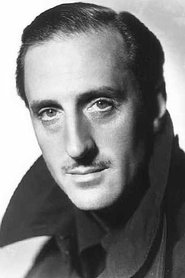 Basil RathboneBaron Wolf von Frankenstein
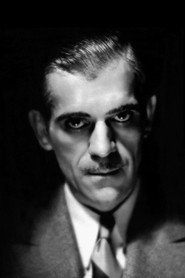 Boris KarloffThe Monster
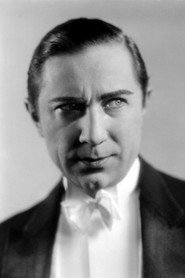 Bela LugosiYgor
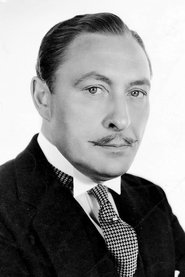 Lionel AtwillInspector Krogh
 Josephine HutchinsonElsa von Frankenstein
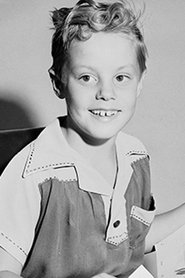 Donnie DunaganPeter von Frankenstein
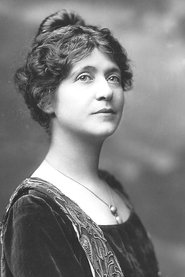 Emma DunnAmelia
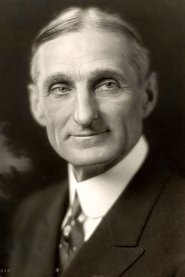 Edgar NortonThomas Benson
- Perry IvinsFritz
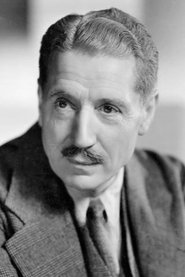 Lawrence GrantBürgermeister
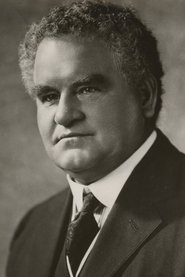 Lionel BelmoreEmil Lang
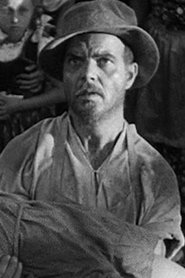 Michael MarkEwald Neumüller
Directing
- Fred FrankAssistant Director
- Rowland V. LeeDirector
Writing
- Mary ShelleyCharacters
- Wyllis CooperScreenplay
Production
- Rowland V. LeeProducer
Recommended by
The Corpse Vanishes, The Mad Ghoul, The Ape, The Mad Doctor of Market Street, The Return of the Vampire, The Ghost of Frankenstein