
Film
The Arizona Kid
A 1930 Western that mixes banditry, romance and mystery with surprising lightness. Warner Baxter stars as a Robin Hood figure juggling a secret life as a gentleman miner while falling for a woman who turns out to be tangled up in his enemies' schemes. Fast-paced and fun, it captures early sound cinema's delight in plot twists and charm over realism.
If you liked this
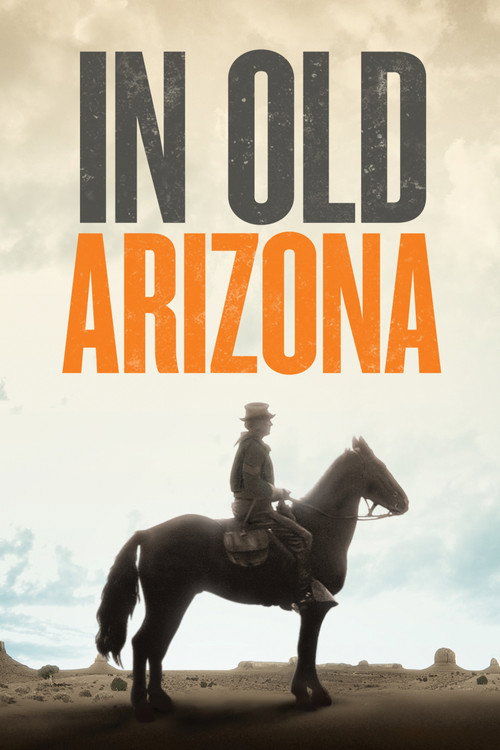
In Old Arizona1928
The first talking Western, starring the same Warner Baxter as a charming outlaw. It established the tone and style that The Arizona Kid follows: adventure without grimness, action that entertains rather than brutalizes.
But The dialogue and acting rhythms feel theatrical by modern standards, and pacing drags in stretches. The sound quality is primitive even for 1928.
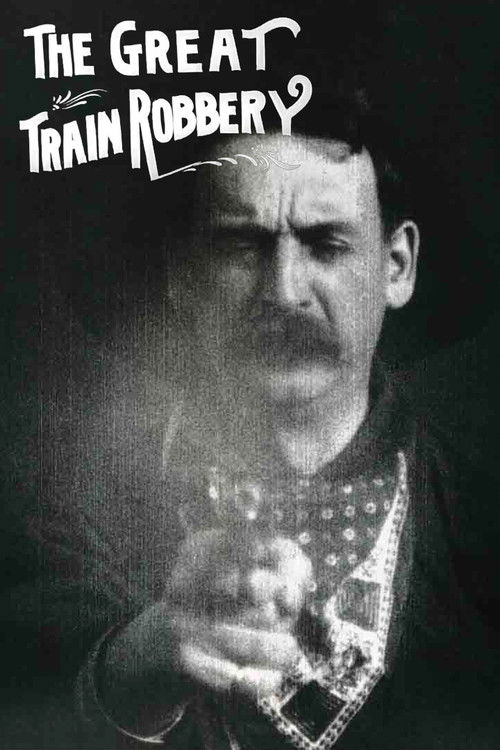
The Great Train Robbery1903
The ancestral text of all adventure cinema. Ten minutes of pure invention—a heist, a chase, action that drives story. The Arizona Kid is playing in the language this film invented, just with sound and romance layered on.
But It's a fragment, not a fully developed narrative. Silent-film pacing feels alien now, and without dialogue the emotional beats can seem opaque.
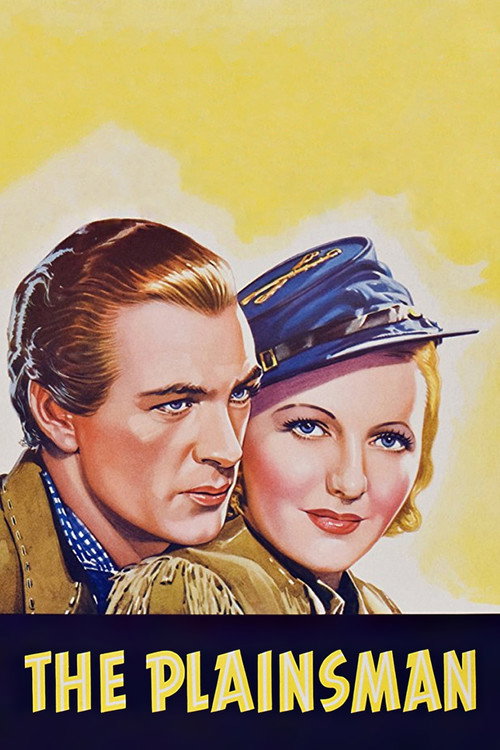
The Plainsman1936
DeMille's Western adventure with Gary Cooper, made just years after The Arizona Kid, showing how the genre evolved. It has the same blend of historical figures, romance, action and mystery, but with bigger budgets and tighter storytelling.
But It's far more earnest and considerably longer. The romance subplot can feel obligatory in a way that The Arizona Kid doesn't quite allow.
Not sure tonight? Get a pick in a minute, starting from The Arizona Kid
The wildcard
Something you would not have found on your own.
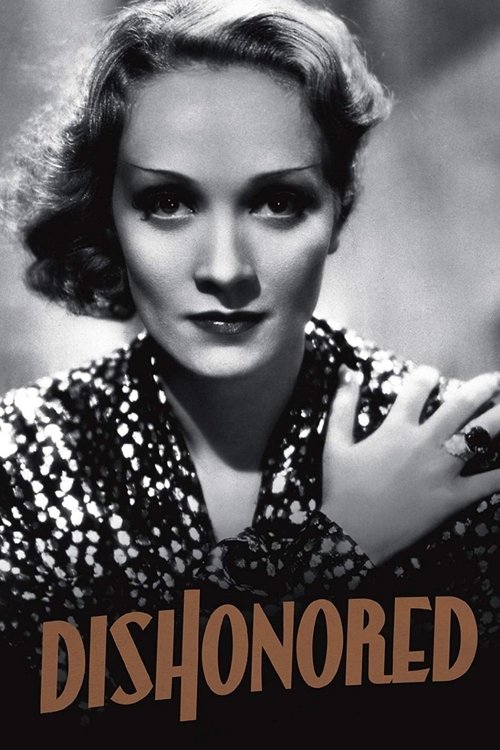
Dishonored1931
Both use a double identity and hidden allegiance as their central engine, both released within a year of each other, but Sternberg approaches the same material with German Expressionist density rather than Hollywood lightness.
Sternberg and Dietrich create a spy thriller with the exact same plot engine as The Arizona Kid: a charming protagonist with secrets, a false identity that conceals a noble purpose, romance that complicates everything. But it's shot with such visual daring and moral ambiguity that it feels like a completely different film. Where The Arizona Kid is plot-driven entertainment, this is art.
But It's far more cynical and visually stylized. The eroticism is overt and the ending is bleak. If you're coming for the adventure lightness of The Arizona Kid, this will feel cold.
More like this (8)
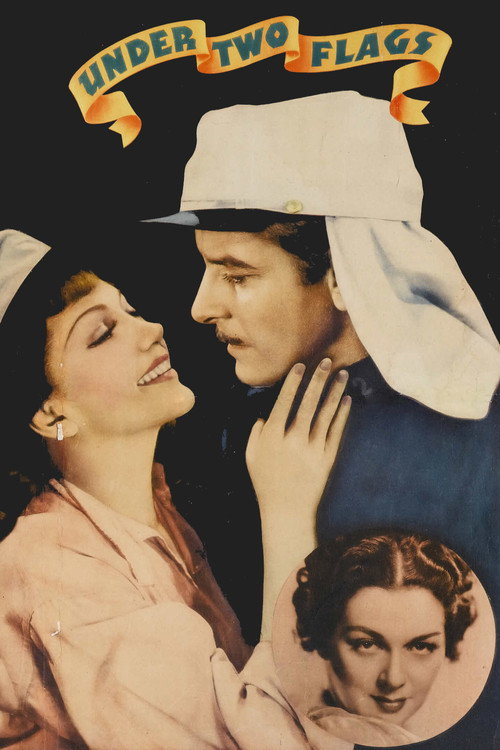
Under Two Flags1936
Released the same year, another early talkie that balances swashbuckling adventure with genuine romantic stakes. Carole Lombard's contemporaries were doing similar work—this shows what she was capable of in the medium.
But The print quality is often rough. Sound recording was still experimental and dialogue can be hard to parse.
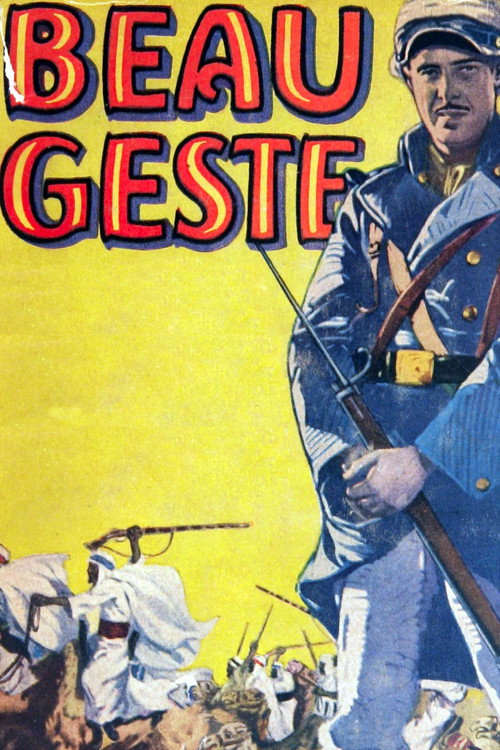
Beau Geste1926
A romance-adventure in exotic territory with a mystery at its heart. The template is identical to The Arizona Kid: a man with secrets, a woman caught in the crossfire, action that reveals character.
But It's a silent film with very long stretches where plot stalls. The emotional register is more solemn than The Arizona Kid's lighter touch.
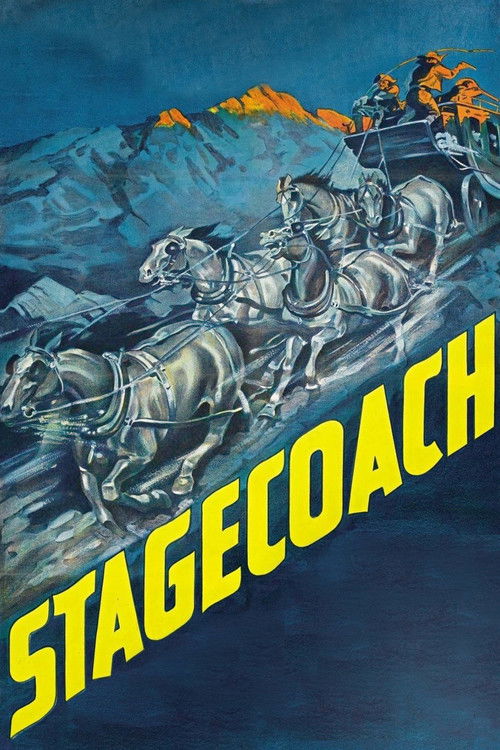
Stagecoach1939
Ford's masterpiece shows where the Western was headed. It has the same ensemble mystery-box structure—strangers trapped together, secrets revealed—but executed with vastly more cinematic sophistication.
But Once you've seen Ford do it, earlier attempts feel quaint. It's much darker in temperament, which changes what the form is doing.
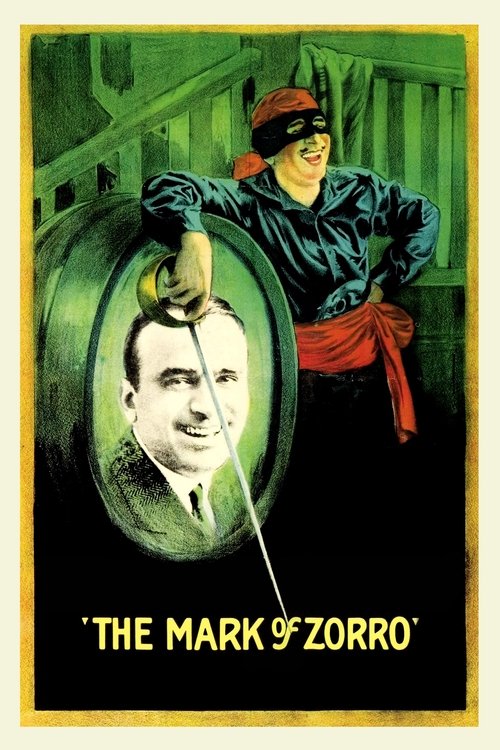
The Mark of Zorro1920
Silent Fairbanks as the original masked outlaw-gentleman. The DNA of The Arizona Kid is here: a man with a double identity, romance, righteous theft, adventure that plays lightly with itself.
But Silent acting and storytelling have their own language, and it takes patience to read. Action sequences, however inventive, move at a pace that feels leisurely now.
Johnny Guitar1954
An unconventional Western that treats its female characters with unusual agency and its plot complications with a wry, almost comic tone. It shares The Arizona Kid's willingness to let adventure and romance mix in unexpected ways.
But It's far stranger and more abstract than anything a 1930 film would attempt. The gender dynamics, radical for its time, might read as arch to some viewers.

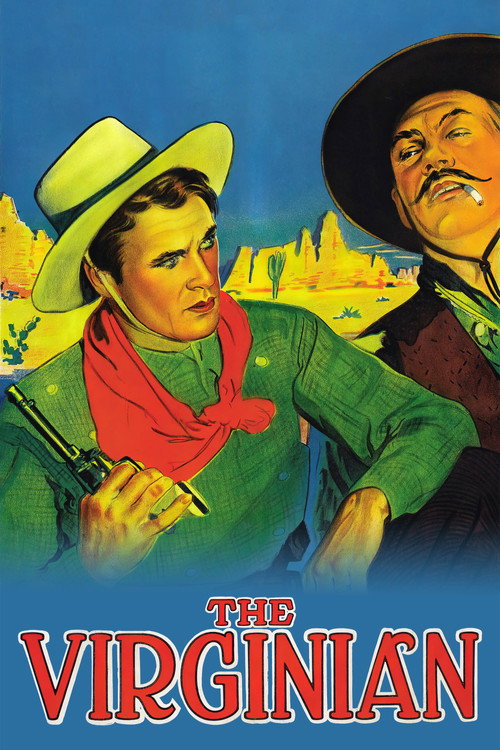
The Virginian1929
Another 1929 Western talkie: Gary Cooper as a laconic lawman. It shares the era and the attempt to marry action with character, giving a sense of what Hollywood was trying to do with sound in the Western genre.
But It's slower and more deliberate than The Arizona Kid. Cooper's style, great as it is, doesn't have Baxter's quickness or charm.
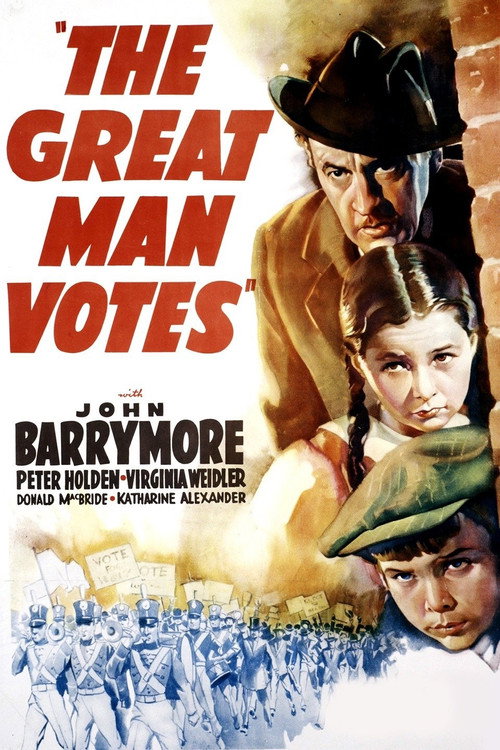
The Great Man Votes1939
Both build their story around a protagonist who seems like one thing and is revealed to be another, and both treat that revelation with humor and affection rather than tragedy.
A comedy-mystery about a man with secrets and a trickster's charm, played by John Barrymore. It has The Arizona Kid's delight in plot reversals and its willingness to treat adventure as fun, but it's set in modern-day America and trades horses for wisecracks. You get the same emotional shape—revelation, redemption, wit—in a completely different key.
But It's much talky-er and slower-paced. The humor is theatrical and era-specific. If you want action and movement, this will feel stalled.
The Leopard1963
Both explore a man managing multiple identities and divided loyalties as the world changes around him, but where The Arizona Kid resolves its tensions through action and romance, The Leopard suggests some tensions are historical and can only be endured.
Visconti's Italian masterpiece about a nobleman caught between old and new orders, juggling identity and loyalty as social structures collapse around him. It has The Arizona Kid's tension between what a man appears to be and what he actually serves, but it's a three-hour meditation on history and class rather than a snappy adventure. Burt Lancaster gives one of cinema's great performances of a man watching his world become obsolete.
But It's very slow, very long, and entirely in Italian (though the performances transcend language). The mood is elegiac and autumnal. There is virtually no plot in the conventional sense—it's mood, landscape, and performance.

People
Cast
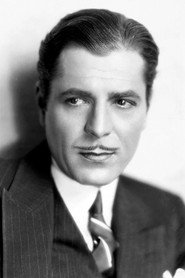 Warner BaxterThe Arizona Kid
 Carole LombardVirginia Hoyt
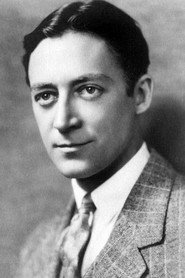 Theodore von EltzDick Hoyt
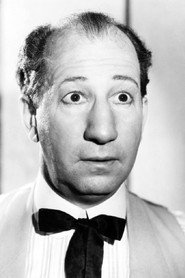 Hank MannBartender Bill
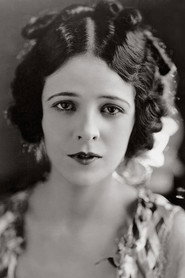 Mona MarisLorita
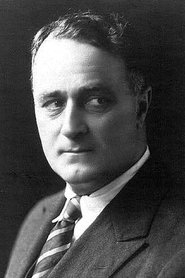 Wilfred LucasManager
- James GibsonStage Guard (as Jim Gibson)
- Larry McGrathHomer Snook
- Jack HerrickThe Hoboken Hooker
- Walter P. LewisSheriff Jim Andrews (as Walter Lewis)
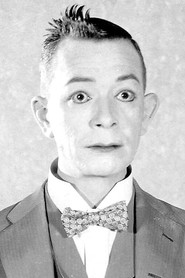 Arthur StoneSnakebite Pete
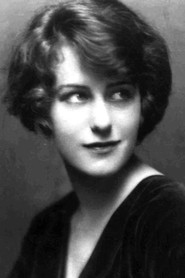 De Sacia MooersMolly
Directing
- Alfred SantellDirector
Writing
- Joseph C. WrightScreenplay
- Ralph BlockScreenplay
- Ralph BlockStory