
Film
The Great Man Votes
A 1939 comedy-drama about a washed-up scholar and alcoholic whose forgotten voter registration suddenly makes him the most courted man in a key precinct. John Barrymore, playing against his Shakespearean legend, finds unexpected dignity in small moments with his two children. It's tender without sentimentality, funny without cruelty, and remarkably unsentimental about addiction and failed ambition.
If you liked this
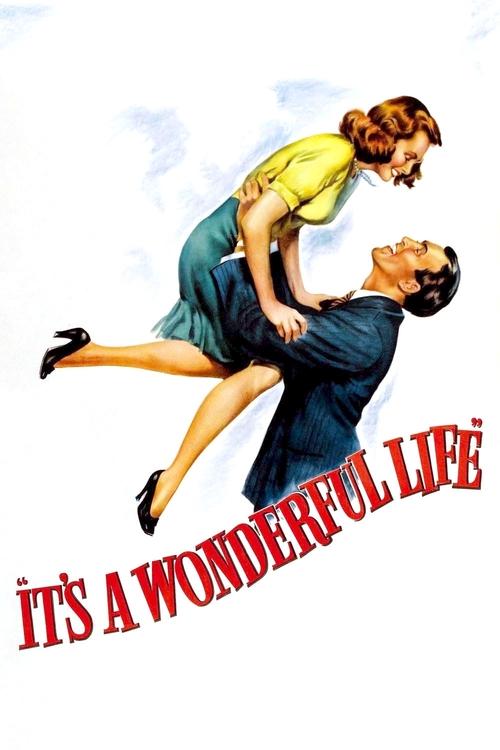
It's a Wonderful Life1946
A man's life is re-examined and found to contain profound value. Like The Great Man Votes, it trusts that worth isn't measured by worldly success or respectability, and that children's love can redeem almost anything.
But The ending sentiment can feel overexplained and heavy-handed if you're not in the mood for its particular brand of American uplift.
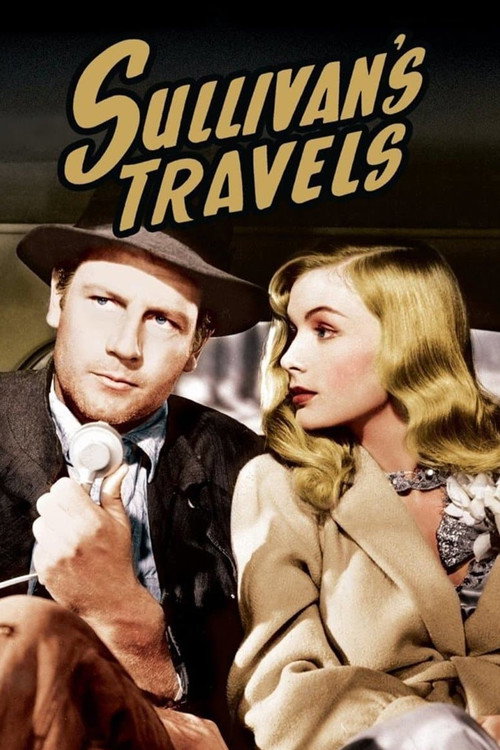
Sullivan's Travels1941
A director learns humility by living rough among the desperate and forgotten. The film shares Votes' respect for people society has written off, and its tragicomic view that small dignities matter more than grand gestures.
But It's uneven in tone, lurching between slapstick and genuine darkness in ways that don't always land cleanly.
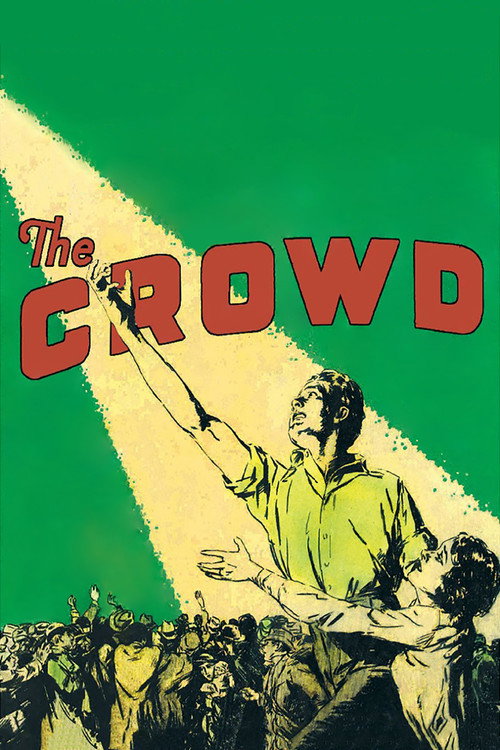
The Crowd1928
An ordinary man's life unfolds with neither triumph nor total tragedy—just the grinding, quiet disappointment of being ordinary in a system that doesn't care. The spiritual ancestor to Votes' melancholy realism.
But It moves slowly and ends without the comfort of resolution; some will find that frustrating rather than moving.
Not sure tonight? Get a pick in a minute, starting from The Great Man Votes
The wildcard
Something you would not have found on your own.
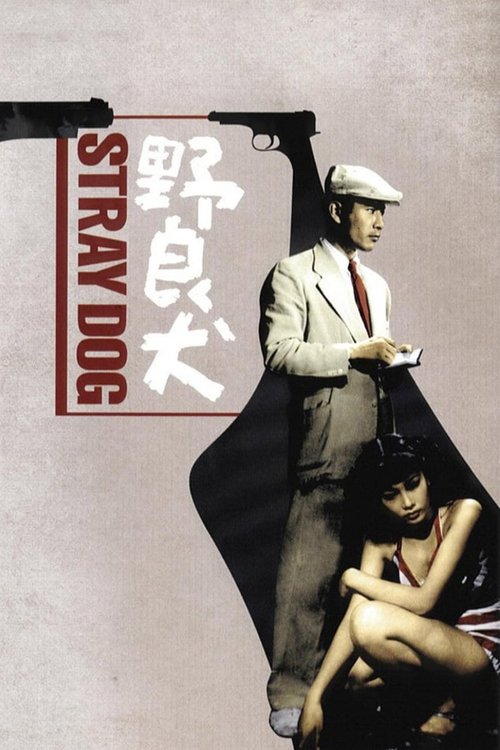
Stray Dog1949
Both use a central character society has dismissed to indict the systems that dismissed them. But where Votes offers salvation through being seen and valued, Stray Dog asks whether salvation is even possible.
Kurosawa's post-war Tokyo: a detective's stolen pistol becomes a mirror for a broken society. Votes and Stray Dog both understand that a person's circumstances reveal society's indifference, not the person's worth—but here the protagonist is forced to confront his own capacity for the very corruption around him.
But It's bleak, slow, and offers no redemption through family or love; the bleakness is the point, which some find punishing rather than clarifying.
More like this (8)
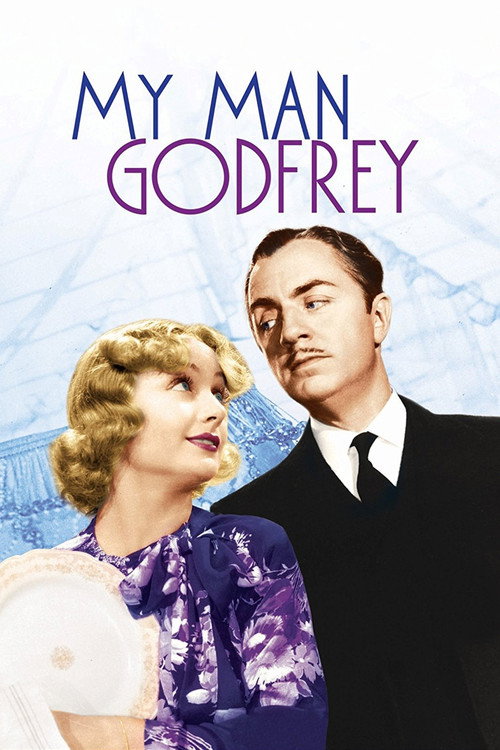
My Man Godfrey1936
A Depression-era comedy where a wealthy family hires a homeless man and discovers that respectability and worth have nothing to do with each other. Sharp, funny, and genuinely humane about class and invisibility.
But The romantic subplot feels obligatory and takes time away from the more interesting class commentary.
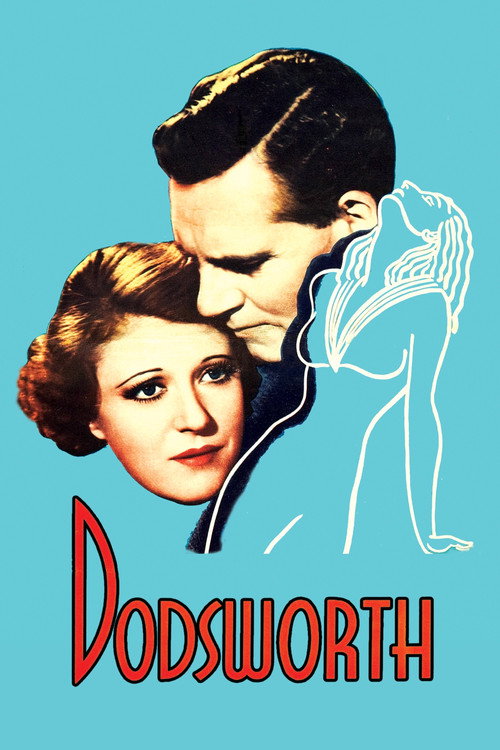
Dodsworth1936
Walter Huston as a retired businessman confronting the hollowness of respectability and success. It understands, as Votes does, that a man can lose everything and still find meaning in the people who see him clearly.
But At over two hours, it's paced for 1930s audiences and can feel ponderous to modern viewers expecting tighter storytelling.
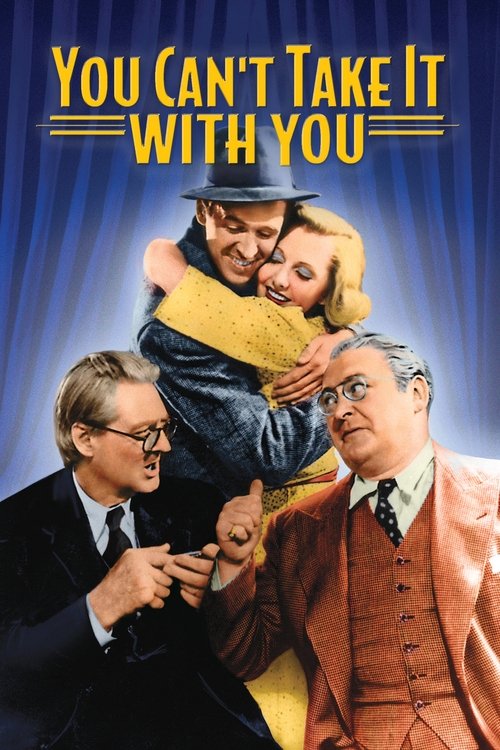
You Can't Take It with You1938
An unconventional family lives joyfully outside society's rules while the respectable world crumbles around them. Capra at his most earnest about the bankruptcy of respectability and the wealth of human connection.
But The screwball comedy can overwhelm the heart underneath; it sometimes feels like it's performing cheerfulness rather than earning it.
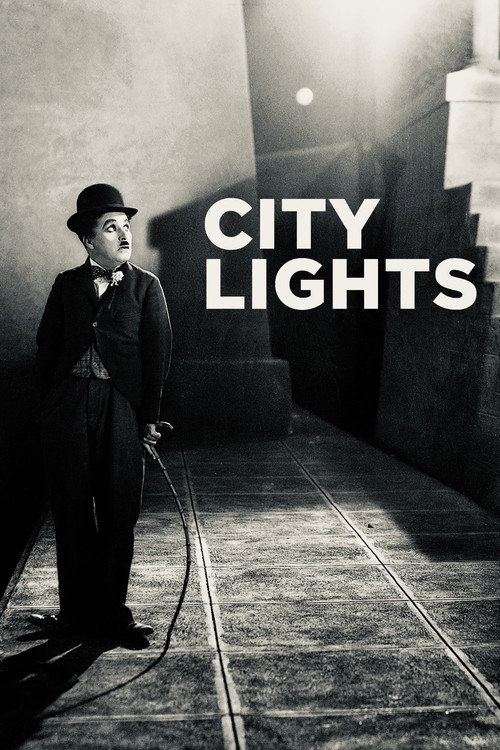
City Lights1931
Chaplin's tramp loves a blind woman without hope of return, finding dignity in the attempt itself. Silent, sentimental, and absolutely sincere about love existing outside economic value—the same argument Votes makes.
But Its sentimentality is extreme and unapologetic; modern audiences often find Chaplin's pathos cloying rather than moving.
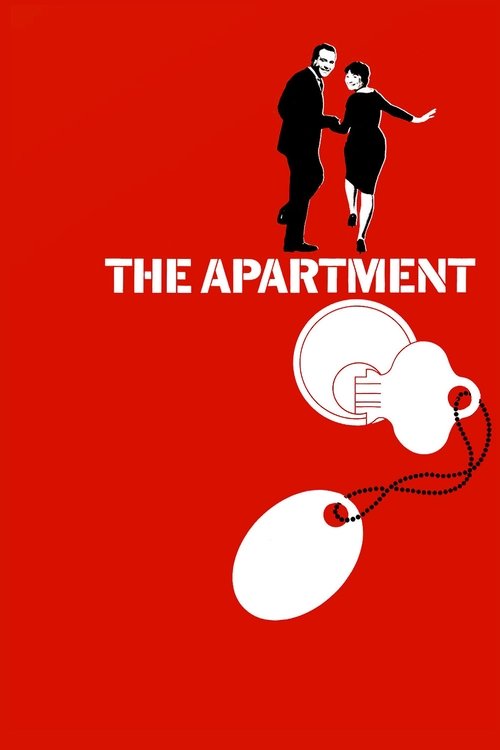
The Apartment1960
A meek, lonely man discovers that integrity and kindness matter more than advancement. Darker and more sexually frank than Votes, but the same belief that quiet decency is the real measure of a person.
But It's a romantic comedy wearing a critique of capitalism as a disguise, and some viewers prefer one or the other unmixed.
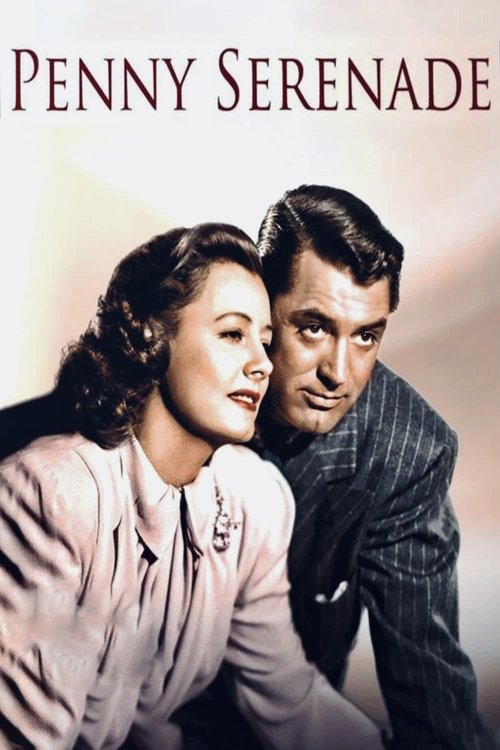
Penny Serenade1941
Cary Grant in an almost unrecognizable dramatic role, showing how a marriage and family survive financial ruin and loss. It shares Votes' view that parenthood and love are the only victories that matter.
But It's relentlessly tragic and relies heavily on the emotional manipulation of a custody plot that feels heavy-handed today.
Come and See1985
Votes believes that love and being seen can survive even destitution. Come and See asks what happens when neither love nor being seen can protect anyone, when the world is indifferent to all human value.
A boy conscripted into the Soviet army in WWII discovers that the world is far worse than he imagined. Hellish, unflinching, and structured so that you watch innocence die in real time. It's Votes inverted and horrified.
But It is one of the most disturbing films ever made. Not for viewing lightly; it depicts violence against children and will devastate you.

Tokyo Story1953
Both films believe that the value of life is measured in quiet moments with people you love, not in achievement or respect. But where Votes finds sudden vindication, Tokyo Story accepts that vindication never comes—and love persists anyway.
An elderly couple visits their son in post-war Tokyo and discovers that time, disappointment, and the ordinary business of living have remade him into someone they no longer quite know. Japanese, patient, almost static—and about family bonds persisting despite failure and distance.
But Ozu's cinema is intentionally static and meditative; if you need plot momentum or emotional crescendos, this will feel like nothing is happening.

People
Cast
 John BarrymoreVance
 Virginia WeidlerJoan
 Katharine AlexanderMiss Billow
- Peter HoldenDonald
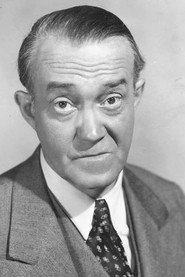 Donald MacBrideIron Hat McCarthy
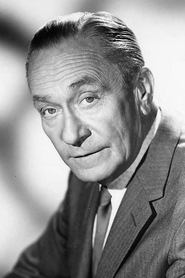 William DemarestCharles Dole
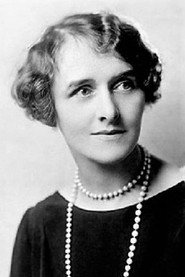 Elisabeth RisdonPhoebe Ainslee
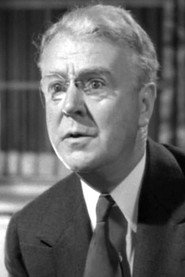 Brandon TynanChester Ainslee
 Granville BatesThe Mayor
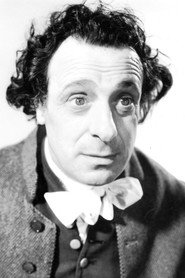 Luis AlberniManos
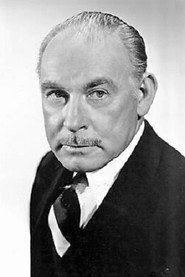 Roy GordonByrne
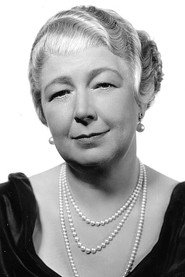 Esther DaleMrs. Markham
Directing
- Garson KaninDirector
Writing
- John TwistScreenplay
- Gordon Malherbe HillmanStory