
Film
The General Died at Dawn
A 1936 thriller about an American smuggler caught between warring Chinese generals, caught even more decisively by a beautiful woman with her own agenda. Gary Cooper carries it with characteristic ease through exotic intrigue and double-crosses. Elegantly shot, morally murky, made when Hollywood still believed adventure stories could be genuinely grown-up.
If you liked this
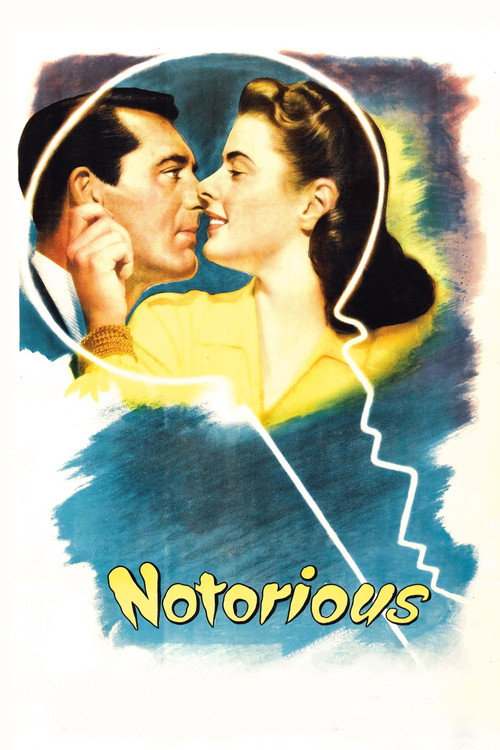
Notorious1946
Hitchcock's greatest spy romance: Cary Grant and Ingrid Bergman in Rio, betrayal layered under seduction, visual storytelling so assured it makes dialogue seem optional. The same moral ambiguity as Cooper's film but with added anguish.
But Slower pacing than modern thrillers, and the romantic entanglement might feel like it's stalling the plot if you want pure intrigue.
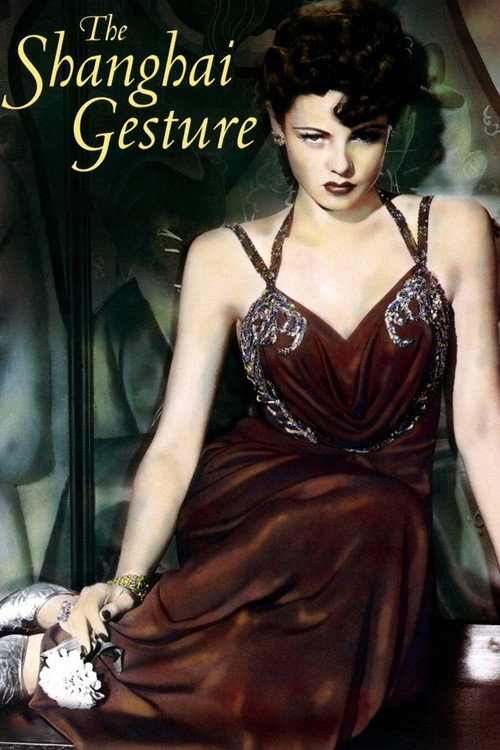
The Shanghai Gesture1941
Josef von Sternberg's baroque fever dream set in a Shanghai nightclub, dripping with corruption and desire. If you want the exotic decadence of 1930s China through an even stranger lens, this goes places Cooper's film doesn't dare.
But Wildly theatrical, borderline camp in places. The plot serves the atmosphere rather than the other way around, which won't work if you need things to make literal sense.
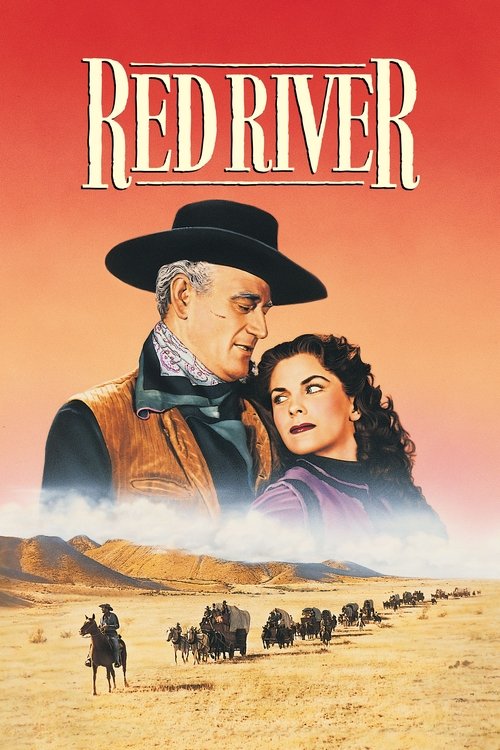
Red River1948
Hawks and Cooper again, this time driving cattle across dangerous country. Tense, masculine, beautifully composed. The same kind of man in over his head, except this time the enemy is mostly within the group and the landscape.
But Less intrigue, more weathered struggle. If you came for exotic danger and double-dealing, you'll get a cattle drive instead.
Not sure tonight? Get a pick in a minute, starting from The General Died at Dawn
The wildcard
Something you would not have found on your own.
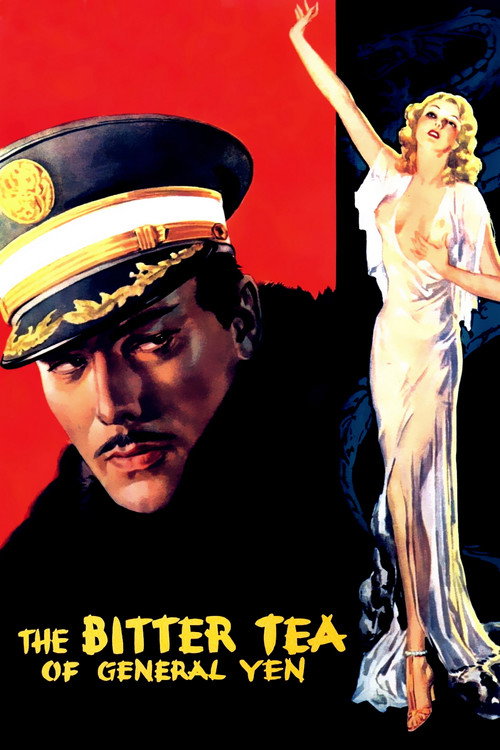
The Bitter Tea of General Yen1933
Same setting, same era, same fundamental question: what does loyalty mean when you're caught between nations? But where Cooper's film is a thriller, this is a melodrama asking if love can survive impossible circumstances.
Frank Borzage's radical love story: an American missionary woman and a Chinese general during civil war, shot in jeweled Technicolor, where the romance blooms precisely because it's impossible. Visual poetry about desire across unbridgeable divides.
But The racial politics are complicated and very much of 1933—you're watching a historical artifact as much as a film. The romance takes priority over plot, which some will find indulgent.
More like this (7)
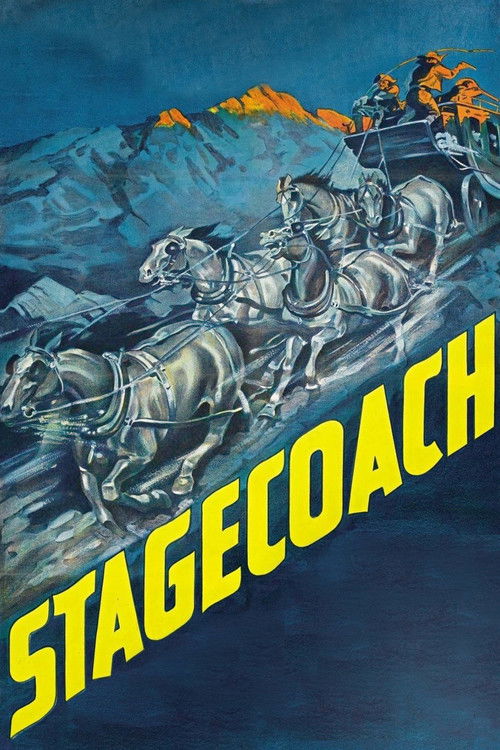
Stagecoach1939
Ford's masterpiece of strangers trapped together, forced to trust each other against external threat. Every character has a secret; every one might be dangerous. The script and ensemble work are immaculate.
But The pacing is deliberate—long stretches of conversation before violence erupts. Some find it slow; others find it the point.
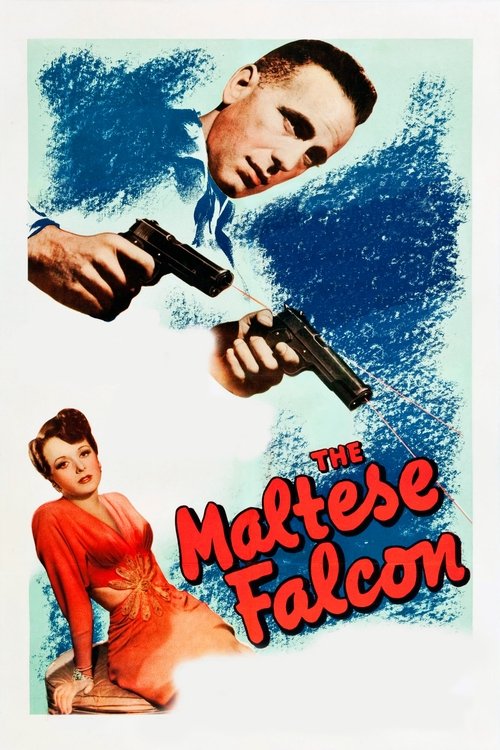
The Maltese Falcon1941
Bogart, Lorre, Greenstreet: three masters of moral compromise pursuing the same object through a city of lies. Sharp dialogue, propulsive plotting, and a hero who's charming precisely because he has no real loyalty.
But It's been imitated so many times the original can feel familiar even if you've never seen it. Some scenes read as setup rather than drama.
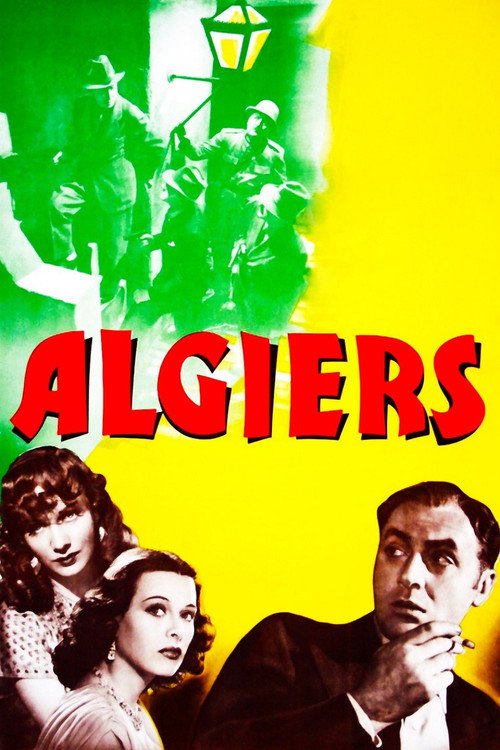
Algiers1938
Charles Boyer in the Casbah, romance and danger inseparable, the woman who tempts him out of hiding gorgeously shot in Technicolor. Exotic, glamorous, genuinely tense about whether love or crime will win.
But The romance can overshadow the thriller elements if you're there for plot momentum. Also very much a product of its era in how it treats certain characters.
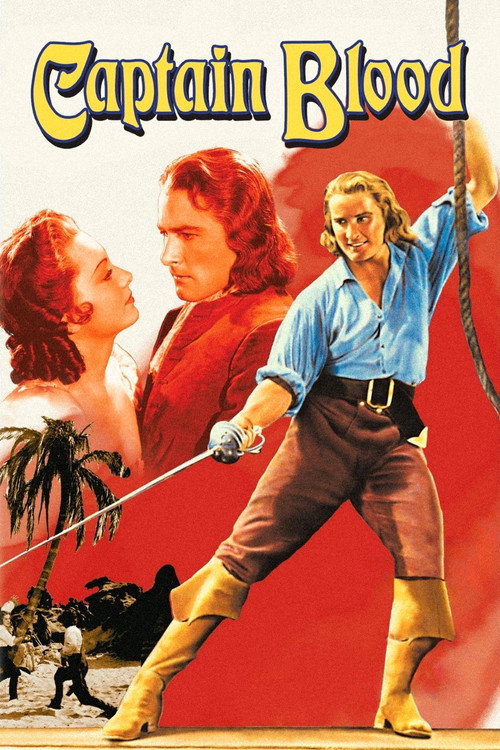
Captain Blood1935
Errol Flynn and Michael Curtiz at peak swashbuckle: wrongly accused man becomes pirate, does good deeds while evading authority. Pure adventure craftsmanship, beautiful Technicolor, and a charm that survives everything.
But Straightforward good-versus-evil compared to The General's moral messiness. If you want ambiguity, this is too clean.
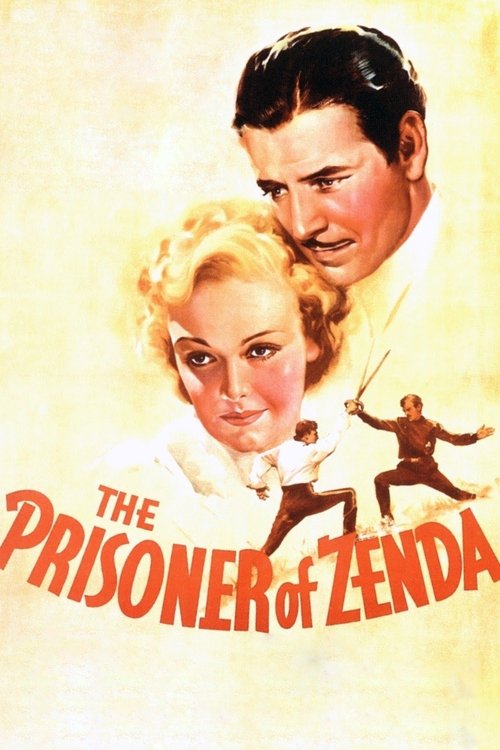
The Prisoner of Zenda1937
Ronald Colman in a jewel-box of a film: intricate plotting, European elegance, mistaken identity and swordplay and devotion to duty. Masterfully constructed entertainment that respects the audience's intelligence.
But The stakes are genteel and the tone is never truly dark. It's charm rather than menace, which might feel light after Cooper's grittier adventure.
Ministry of Fear1944
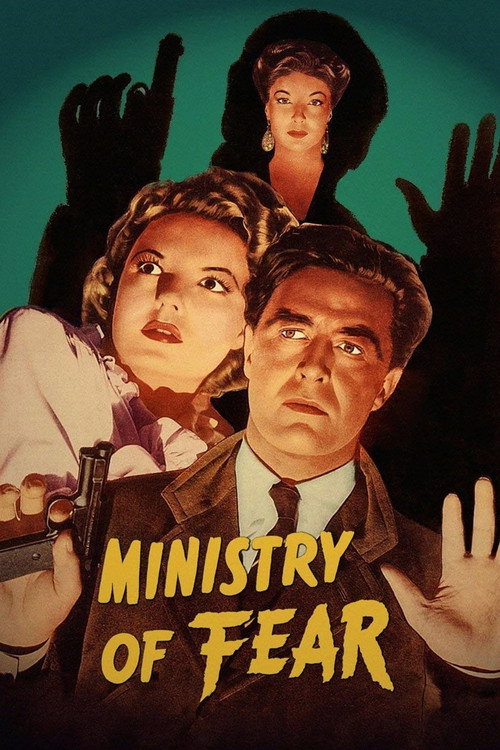
Fritz Lang's paranoid masterpiece: ordinary man drawn into espionage web during wartime, nothing he trusts is solid, the city itself becomes an enemy. Genuinely unsettling and deeply felt beneath the thriller machinery.
But Bleak and anxiety-inducing rather than fun. The moral landscape is darker than The General's, and the pace is hypnotic rather than propulsive.
OSS 117: Cairo, Nest of Spies2006
Both are about Western men navigating foreign intrigue with confidence they haven't earned, but Cooper's film doesn't know it's funny—this one knows exactly what it's doing, and uses that gap to interrogate the genre's assumptions.
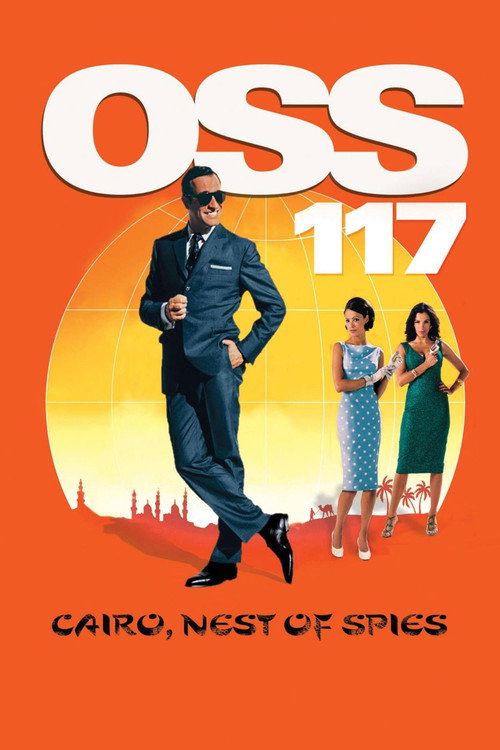
Michel Hazanavicius's deadpan satire of 1960s spy cinema, shot as if it IS a earnest period thriller, with the costumes and cinematography impeccable and the protagonist's casual racism played entirely straight. Hilarious and genuinely suspenseful simultaneously.
But The humor is specific and demands you know what's being parodied. If you don't love period spy films, you'll just see a weird slow movie with weird casting choices.
People
Cast
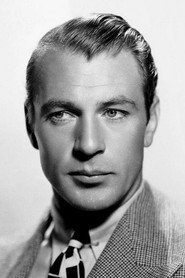 Gary CooperO'Hara
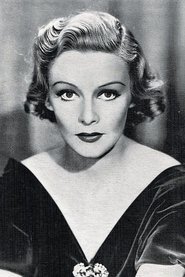 Madeleine CarrollJudy Perrie
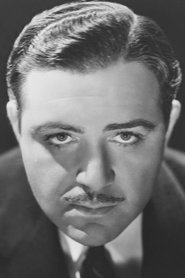 Akim TamiroffGeneral Yang
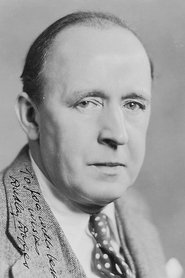 Dudley DiggesMr. Wu
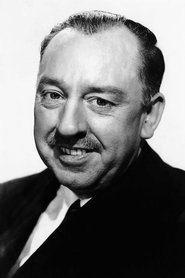 Porter HallPeter Perrie
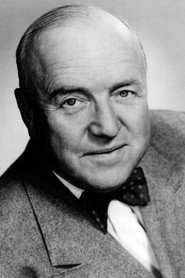 William FrawleyBrighton
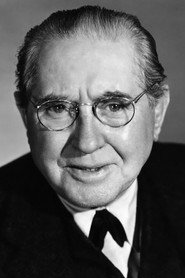 J.M. KerriganLeach
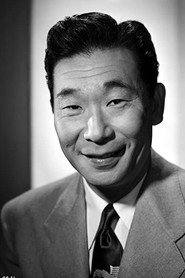 Philip AhnOxford
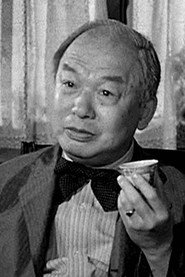 Lee Tung FooMr. Chen
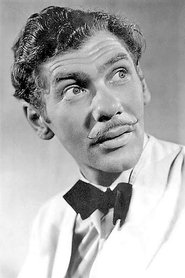 Leonid KinskeyStewart
- Val DuranWong
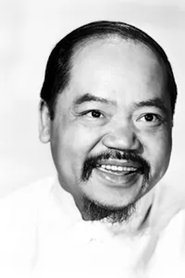 Willie FungBartender
Directing
- Hal WalkerAssistant Director
- Lewis MilestoneDirector
Writing
- Clifford OdetsScreenplay
- Charles G. BoothStory
Production
- William LeBaronProducer
Recommended by
Dishonored, Daughter of the Dragon, Desire, The Sand Pebbles