
Film
Memories of Underdevelopment
- Political drama
- Slow-burning
A Cuban intellectual stays behind after the Bay of Pigs invasion while his family flees to Miami. Watching Havana transform around him, he drifts through affairs and self-deception, unable to commit to either the revolution or his own life. Deliberately paced, essayistic, sometimes frustrating—a portrait of paralysis by a filmmaker interrogating complicity and desire.
Should you watch it?
Watch it if you like films where a sardonic inner commentary does most of the work, and where ideas about class and revolution get argued through one restless, self-justifying mind rather than through plot.
Skip it if you need a story that moves, since this is mostly a man wandering Havana, thinking aloud, and its loops can feel repetitive long before the end.
What it asks of you: Ninety-nine minutes of patient, talky, deliberately unhurried scenes, with attention on one man's mood rather than on events; it rewards patience more than it pulls you along.
Not sure? Find tonight's pick in a minute.
If you liked this
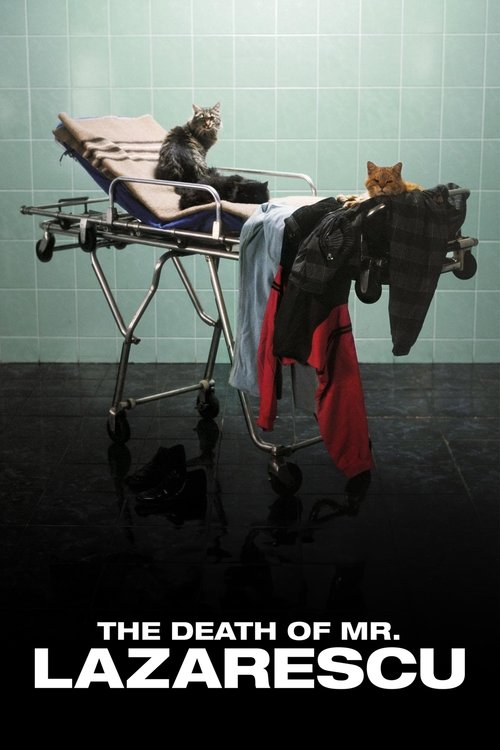
The Death of Mr. Lazarescu2005
A Romanian master class in showing how people fail each other through inertia and self-interest. Like Memories, it strips away sentiment to ask what we owe those around us, and watches us fail to answer.
But Nearly three hours of a man being moved between hospitals and indifferent bureaucrats. Patience required; catharsis not guaranteed.
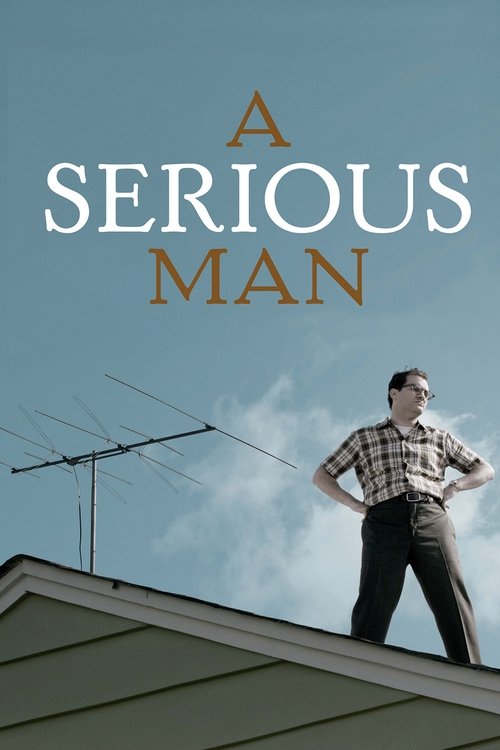
A Serious Man2009
A man adrift in his own life, unable to act or choose, watching the world transform without him. The Coen Brothers capture that same paralysis, though filtered through Jewish-American anxiety instead of Cold War dread.
But Deliberately frustrating and circular. The protagonist learns nothing, and neither do you—which is partly the point, but that point gets thin.
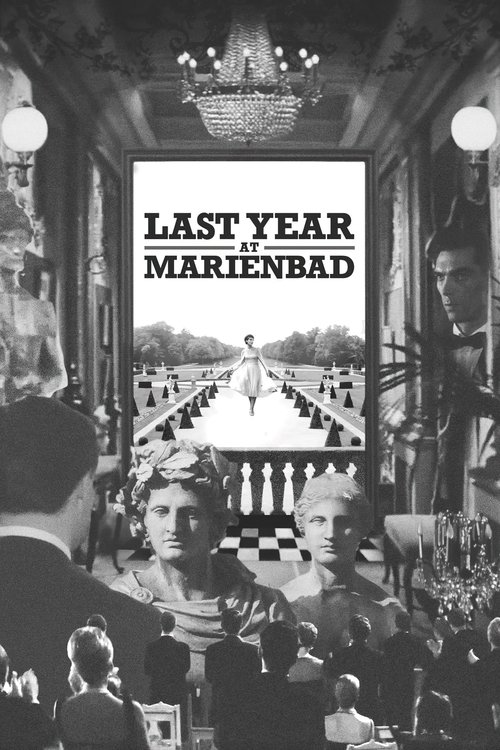
Last Year at Marienbad1961
Another European film from the same era that refuses conventional narrative and psychology. Memory, desire, and the stories we tell ourselves are all unreliable. Hypnotic and genuinely strange.
But Deliberately cryptic. Some viewers find it precious; others find it empty. There is no correct reading, which irritates people who want one.
Not sure tonight? Get a pick in a minute, starting from Memories of Underdevelopment
The wildcard
Something you would not have found on your own.
Lucía1968
Twin products of the same revolution, asking opposite questions about the same moment. Solás made something more formally radical; Gutiérrez made something more honestly personal.
Humberto Solás's Cuban masterpiece made in the same revolutionary moment as Memories. Three women across three Cuban eras—colonial, pre-revolutionary, revolutionary—each trapped by history and desire. Where Memories watches a man fail to commit, Lucia watches women burned by commitment itself.
But Shot in black and white with formal, sometimes jarring shifts between eras. The first and third sections are punishing in their intensity. Sexually explicit in ways that feel uncompromising rather than titillating.

More like this (7)
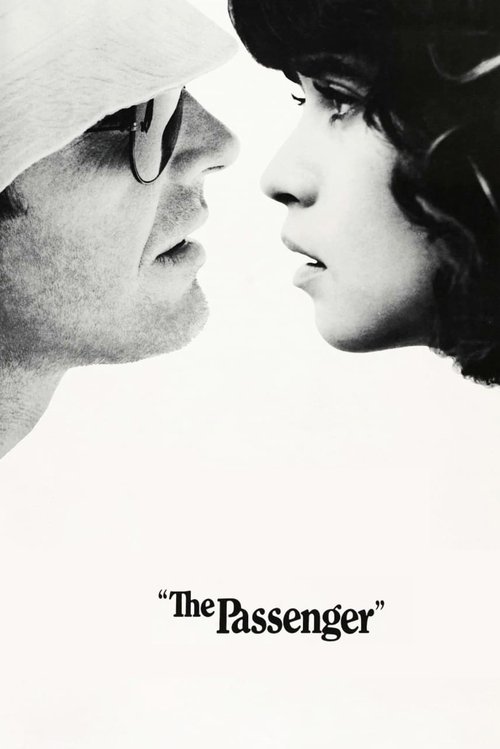
The Passenger1975
Antonioni's study of a man abandoning his identity and drifting through Europe. Shares Memories' interest in masculine drift, ennui, and the impossibility of real connection.
But Slow and remote. Antonioni's style—long takes, minimal dialogue—asks a lot of the viewer. Easy to mistake for boring.
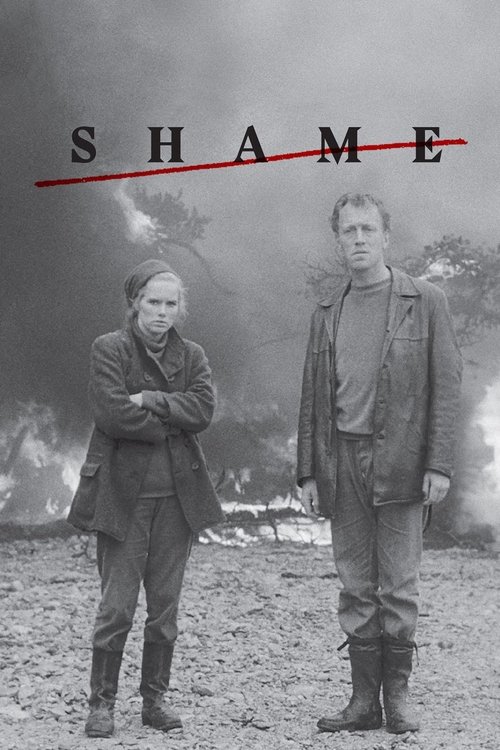
Shame1968
Made the same year, another portrait of civilized people unraveling. Bergman's married couple trapped on an island during conflict carries the same weight of moral decay as Sergio's solitude.
But Bleak and unsparing. Two people poisoning each other for two hours. No relief, no wisdom, no comfort.
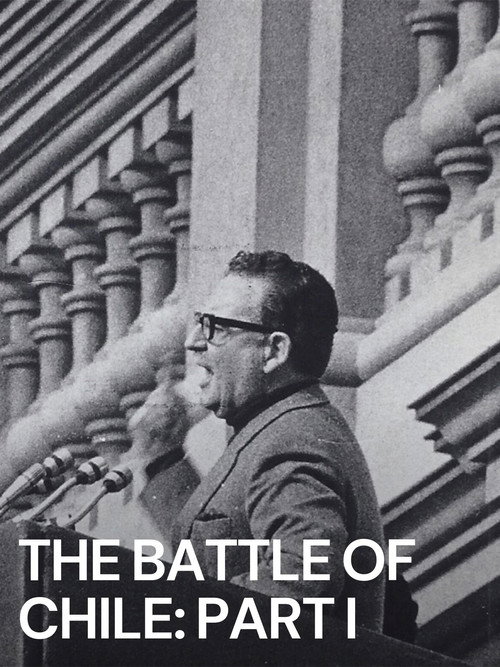
The Battle of Chile: Part I1975
Patricio Guzmán's documentary about revolution in Chile, made by a filmmaker watching his country transform in real time. A companion piece to Memories' interrogation of politics, passivity, and historical moment.
But Documentary, three hours long, focused on political structures rather than individual drama. Requires some knowledge of Chilean history to fully land.
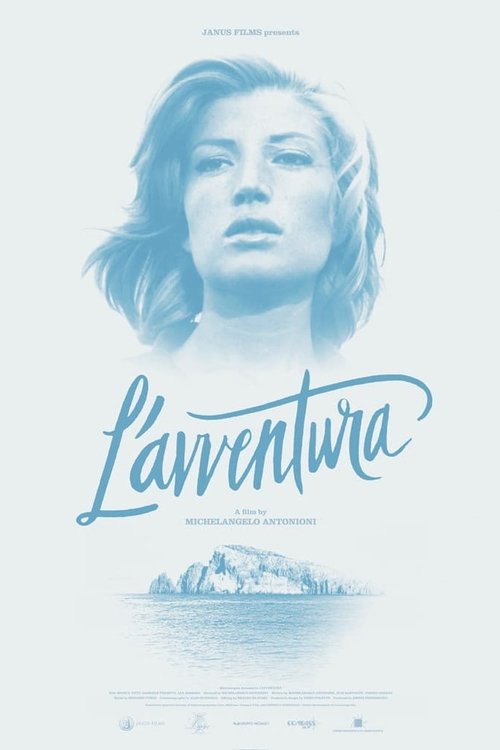
L'Avventura1960
Antonioni's earlier masterpiece about drift, disconnection, and the failure of relationships. Like Memories, it finds the void inside apparent bourgeois comfort and never looks away.
But Nothing happens, or what happens doesn't matter. The woman disappears and no one cares. Feels like a rebuke to the viewer.
Stalker1979
Tarkovsky's meditation on desire, meaning, and the paralysis of choice. A man guides others toward a mysterious room they claim to want, but everyone is trapped by their own inability to act.
But Science fiction in name only. Essentially a long philosophical conversation. Slow, cold, and resistant to engagement on conventional terms.

Hiroshima Mon Amour1959
Both use modernist form—montage, voiceover, essayistic structure—to trap the viewer inside a character's inadequacy. Both suggest that consciousness itself is a kind of prison.
Alain Resnais and Marguerite Duras's essay-film about memory, desire, and the impossibility of understanding another person's past. Two lovers in Hiroshima unable to truly connect despite—or because of—their attraction. Formal innovation in service of emotional paralysis.
But Not quite narrative, not quite documentary. The dialogue is often oblique and poetic. If you need plot, it will feel like nothing is happening. Deliberately fragmented in form.
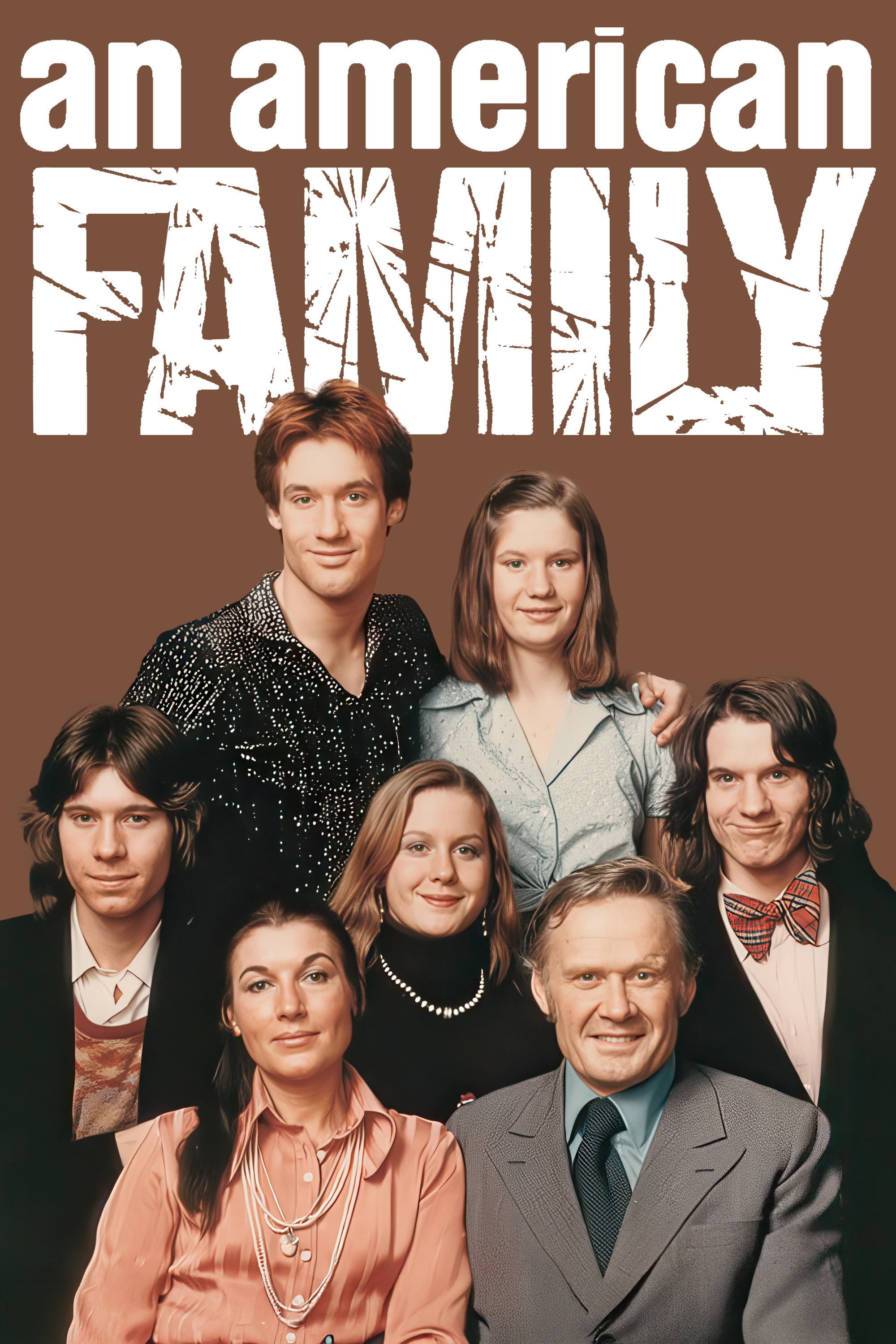
An American Family1973
Both use the form of observation—film within revolution, documentary within family—to ask whether we can ever truly know what we're watching. Both find complicity in the act of witnessing itself.
The Loud family, filmed for twelve weeks, unravels on television. A documentary portrait of bourgeois American life in crisis, where parents and children fail to communicate and marriage dissolves in real time. Like Sergio watching himself, we watch these people fail to see what is happening to them.
But It's television verité from 1973, so the pacing and aesthetic are not modern. Some sequences feel redundant. The Loud family's pain is real, and voyeurism is the price of entry.
People
Cast
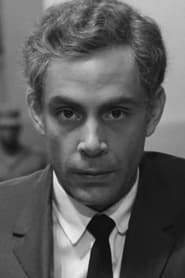 Sergio CorrieriSergio Carmona Mendoyo
 Daisy GranadosElena
 Eslinda NúñezNoemi
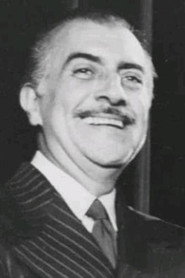 Omar ValdésPablo
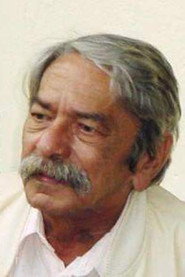 René de la CruzElena's brother

Directing
- Tomás Gutiérrez AleaDirector
Writing
- Edmundo DesnoesNovel
- Tomás Gutiérrez AleaWriter
Production
- Miguel MendozaProducer