
Film
Rio, 100 Degrees F°
A neorealist portrait of Rio de Janeiro through the eyes of five Black boys from the favela selling peanuts across the city's districts. Shot in 1955 with non-professional actors, it's a immersive, unsentimental document of urban poverty and resilience. Essential for understanding Brazilian cinema's birth and the lived texture of Rio itself.
Should you watch it?
Watch it if you like loose, observational films that follow a crowd of ordinary people through a city, letting the streets, heat and small hustles do the storytelling more than any plot.
Skip it if you need a tight narrative with a clear through-line, since this drifts from one encounter to the next and can feel episodic across its short running time.
What it asks of you: Ninety-one minutes of sun-baked wandering, with long stretches of watching rather than plotting; it rewards the viewer who lets the heat and the loose structure settle in.
Not sure? Find tonight's pick in a minute.
If you liked this
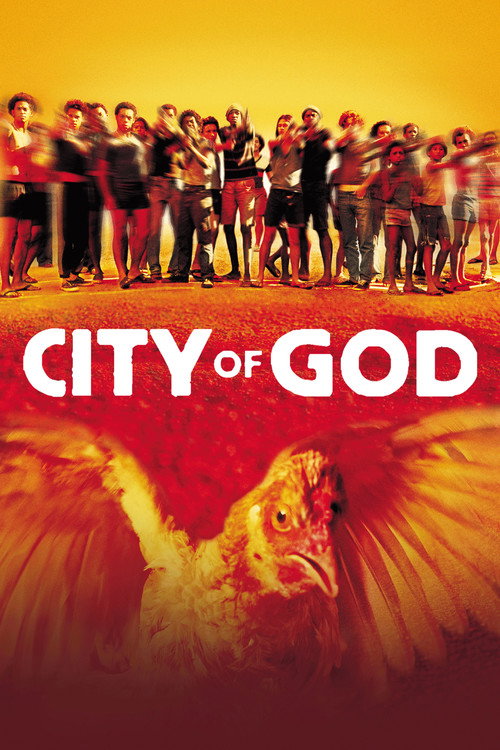
City of God2002
A kinetic, formally daring portrait of Rio's favelas across decades. Uses non-linear storytelling and vibrant energy to make poverty and violence inseparable from community and survival. Direct spiritual descendant of neorealist inquiry.
But Extremely violent and visually overwhelming. The stylistic flourishes can feel like they're prettifying brutal reality, which will bother you if you're looking for restraint.
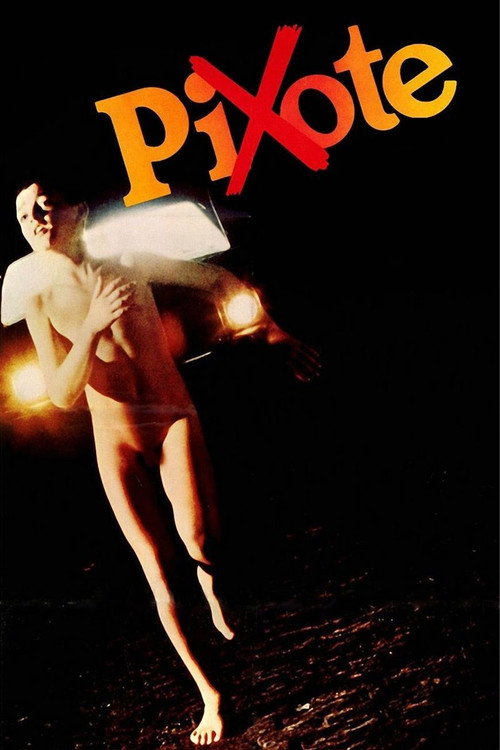
Pixote1980
Héctor Babenco's unflinching film follows a street child through São Paulo's underworld with documentary-like immediacy. Raw, unglamorous, heartbreaking. Essential companion to Rio's favela cinema tradition.
But Bleak to the point of hopelessness. The child actors' real vulnerability makes it emotionally exhausting, not cathartic.
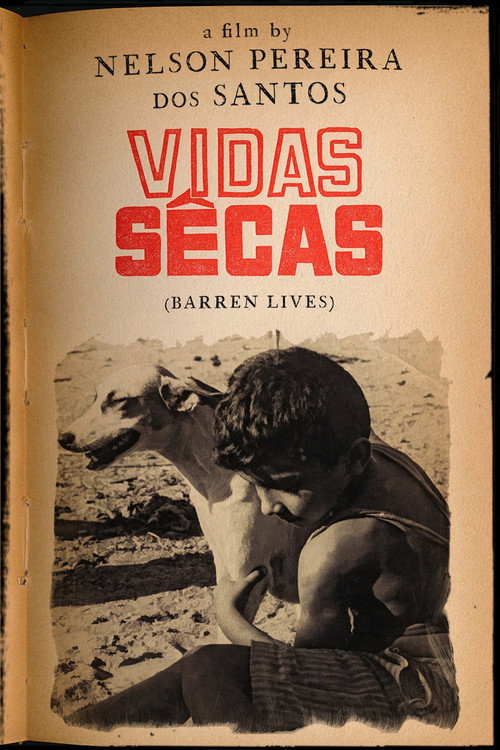
Barren Lives1963
Nelson Pereira dos Santos adapts Graciliano Ramos with the same neorealist precision and moral clarity. A family's struggle in the Brazilian drought: sparse, poetic, completely unsentimental. Masterwork of the era.
But Deliberately austere. Very little happens. If you need plot momentum or emotional catharsis, this will feel like watching paint dry.
Not sure tonight? Get a pick in a minute, starting from Rio, 100 Degrees F°
The wildcard
Something you would not have found on your own.
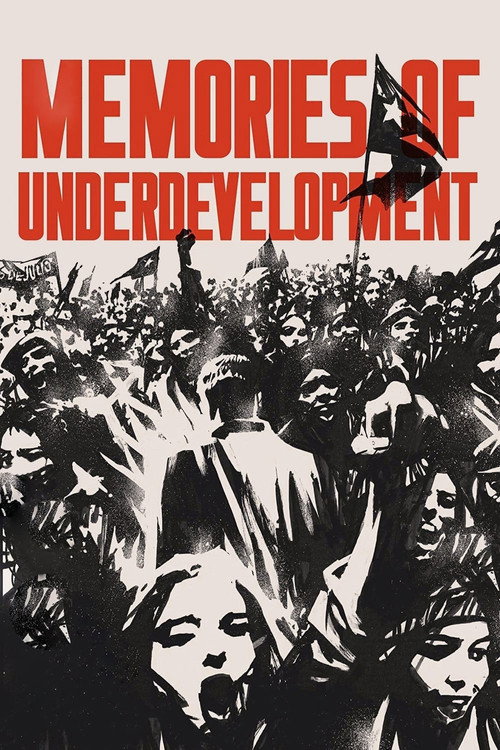
Memories of Underdevelopment1968
Both use the city itself as protagonist—Rio and Havana are characters. Both emerged from similar colonial/postcolonial Latin American contexts and use nonprofessional casting or documentary texture to capture lived reality. Both are formally alert without being showy.
Tomás Gutiérrez Alea's Cuban classic: an intellectual remains in Havana after the revolution and drifts through the city's decay. Formally inventive (jump cuts, voice-over, tonal shifts), it's neorealism meeting modernism. A portrait of urban space as psychological landscape.
But Deliberately fragmented and elusive. No plot to hold you. The protagonist is detached and often unlikable. Requires patience with ambiguity.
More like this (7)
The Sting1973
Glittering con-artist masterpiece with Newman and Redford. Funny, intricate, endlessly rewatchable. A tonic if you need something that moves briskly and knows exactly how to entertain.
But Purely entertainment—there's no documentary impulse or social conscience. The lightness might feel evasive after neorealism.

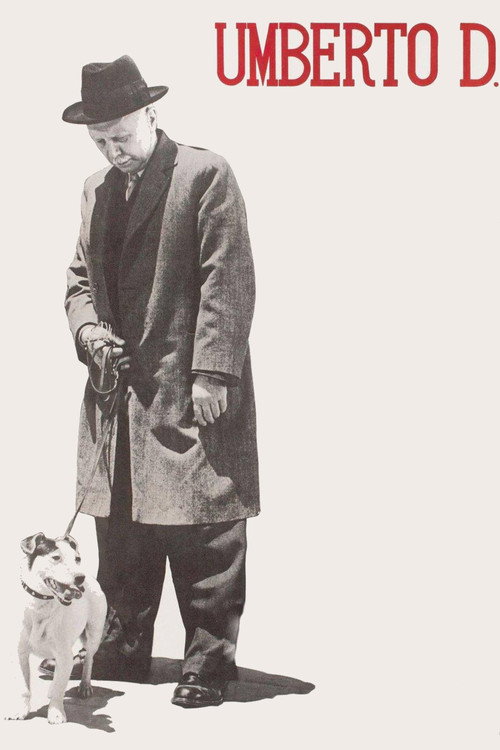
Umberto D.1952
De Sica's earlier neorealist masterpiece: an elderly man, his dog, and Rome. Quiet, observant, with no dramatic machinery. Pure humanism. A direct ancestor of what Rio, 100 Degrees is trying.
But Glacially paced by modern standards. Minimal plot. If you're not already attuned to neorealism, you'll wonder why nothing is happening.
Bicycle Thieves1948
De Sica's foundational neorealist text: a man and his son hunt a stolen bicycle through Rome. Intimate, heartbreaking, formally perfect. If Rio interests you, this is the genealogy.
But The simplicity can read as slight if you're not prepared for what the form is doing. Slow-burn tragedy, not dramatic catharsis.

The Battle of Algiers1966
Pontecorvo's documentary-style account of the Algerian uprising. Immersive, morally searching, structurally brilliant. Urban space becomes character. Political cinema that never feels didactic.
But Violence (including torture) is unflinching. Political allegory can feel distant if you're unfamiliar with colonial history.

I Am Not Your Negro2017
Raoul Peck's essayistic documentary uses Baldwin's unfinished manuscript to excavate American racism through archives and performance. Formally alive in ways most docs aren't. A conversation across time.
But Abstract and digressive—it won't give you a conventional narrative arc. Demands active watching and sits with discomfort without resolution.

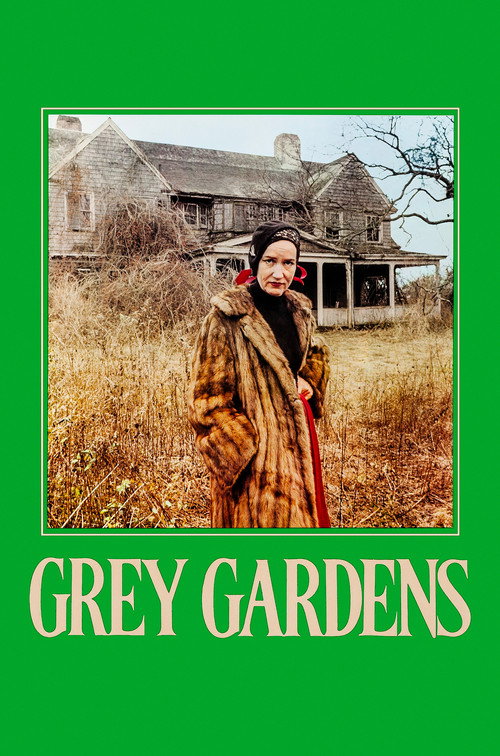
Grey Gardens1976
Both trust observational cinema over plot. Both capture lives on the margins—economic in Rio's case, social in Grey Gardens—through patient, unglamorous watching. Both have the texture of real time passing, not narrative construction.
The Maysles brothers' documentary follows two reclusive women (aunt and cousin of Jackie Kennedy) in a decaying mansion. No script, no reenactment—just handheld observation. Intimate, darkly comic, tragic. Pure cinema-vérité urgency applied to intimate domestic space.
But Exploitative feeling. The subjects are eccentric and unwell; you'll squirm at how much the camera lingers. Uncomfortably voyeuristic.
Tokyo Story1953
Both made in the early-to-mid 1950s by artists discovering that cinema could simply *watch* rather than perform. Both are interested in the texture of daily life over narrative. Both distrust drama and believe in the power of observation. Neorealism and Ozu's method are formally opposite but spiritually aligned—both are saying: look at real people, really.
Ozu's elliptical masterpiece: aging parents visit their children in postwar Tokyo. Nothing dramatic happens—people sit, talk, eat, exist. Formally radical in its stillness and framing. A completely different cinema language that reaches the same emotional truth.
But Glacially slow. Ozu refuses conventional cinematography and editing. If you need active camera work and plot momentum, this will feel like a provocation rather than a film.

People
Cast
 Jece ValadãoMiro
 Glauce RochaRosa
 Roberto BatalinPedro
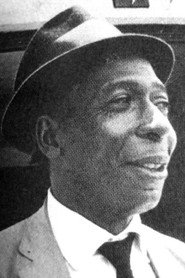 Zé KetiNeguinho
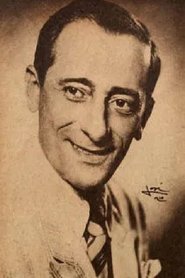 Modesto de SouzaProprietário da terra
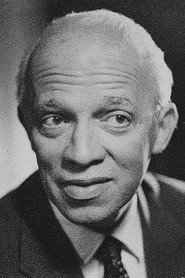 Sadi CabralSeu Peixoto
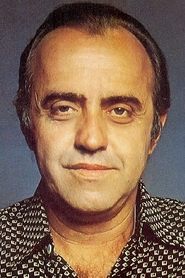 Mauro MendonçaTurista italiano
- Ana BeatrizMaria Helena
Directing
- Jece ValadãoAssistant Director
- Guido AraújoContinuity
- Nelson Pereira dos SantosDirector
Writing
- Nelson Pereira dos SantosScreenplay
- Nelson Pereira dos SantosStory
Production
- Olavo MendonçaProduction Manager