
Television series
An American Family
Before Big Brother, before The Real World, there was this: twelve one-hour episodes assembled from three hundred hours of PBS footage shot inside one California family's home, capturing a marriage quietly ending in real time. It's slow, unglamorous, and startlingly intimate — less a show than a document. Watch it for the shock of watching genuine collapse unfold without narration, music, or mercy.
If you liked this
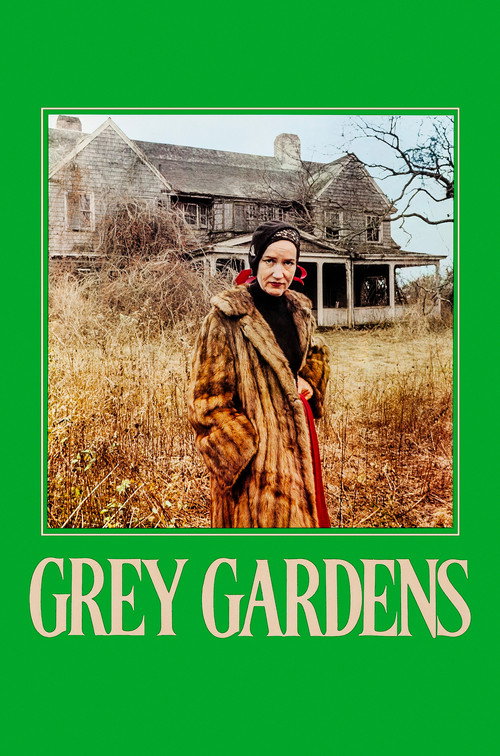
Grey Gardens1976
The Maysles brothers turn their unblinking camera on two reclusive Kennedy relatives living in squalor and denial, and the result is as tender as it is excruciating — cinema verité's other great monument to a family falling apart on film.
But No narrative arc, no resolution — just two women talking past each other for ninety minutes, which some viewers find claustrophobic rather than moving.
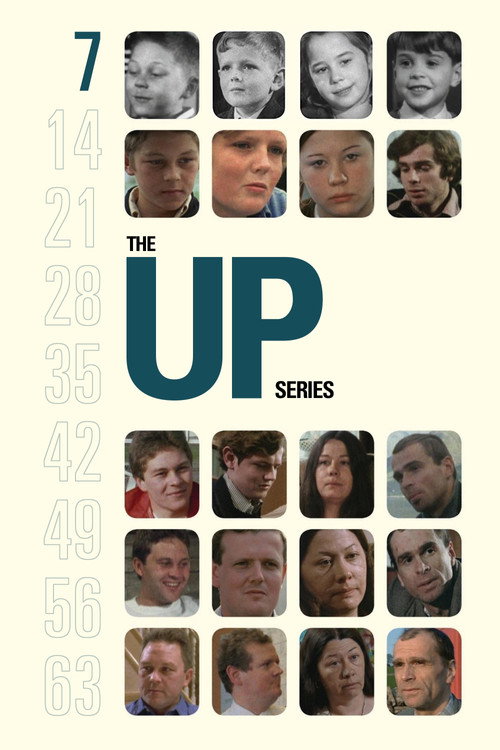
Seven Up!1964
Michael Apted's series returns to the same fourteen British kids every seven years, and the slow accumulation of ordinary life becomes devastating in a way no single episode could manage.
But You have to commit to decades of viewing, or accept watching only a fragment of something built to be seen across a lifetime.
The Real World1992
The direct descendant of the Louds' living room: strangers, cameras, no script, and MTV's discovery that conflict between real people is more addictive than anything a writer could invent.
But Early seasons age well, but the format curdles fast into manufactured drama and casting-for-chaos, which is exactly what An American Family avoided.
The wildcard
Something you would not have found on your own.
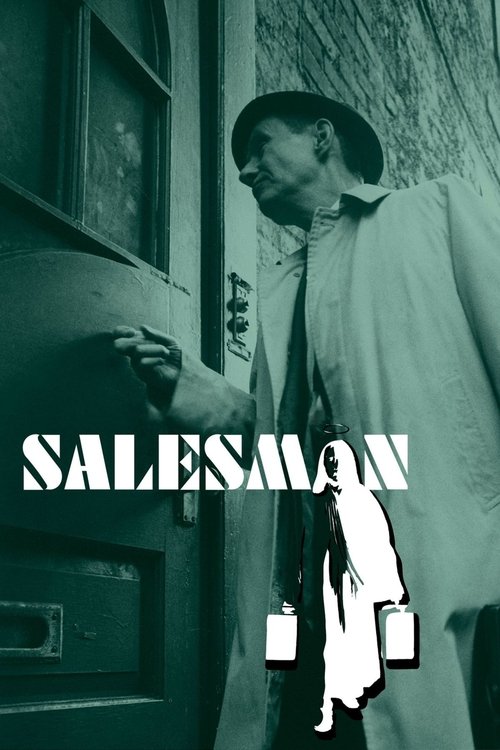
Salesman1969
This is the direct-cinema film Craig Gilbert and his crew were working in the shadow of — same fly-on-the-wall ethic, same refusal to narrate, four years earlier and about a different kind of American struggle.
The Maysles brothers follow four door-to-door Bible salesmen through failure and small triumph, inventing the patient, unnarrated observational style An American Family would later apply to a living room instead of a sales route.
But It's black-and-white, meandering, and about men selling books nobody wants — a much quieter, more melancholic film than anything involving a family falling apart on television.
More like this (8)
Capturing the Friedmans2003
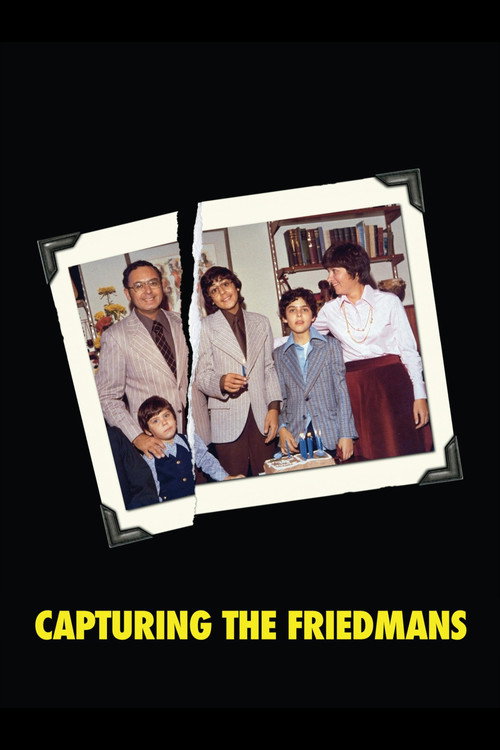
A documentary built from decades of a family's own home movies, unravelling a criminal case and a marriage at once — proof that turning the camera on your own home can produce something fiction couldn't touch.
But The subject matter is darker and more disturbing than anything the Louds went through, and the ambiguity at its centre is never resolved.
The Osbournes2002no page yet
Reality TV's answer to what a rock star's household actually looks like — chaotic, sweary, oddly loving — and a reminder of how far the genre drifted from Gilbert's sober PBS experiment in twenty years.
But It's broad, silly, and edited for laughs rather than truth, which is precisely what made the original series feel radical by comparison.
Lance Loud!: A Death in An American Family2003no page yet
The same filmmakers return to the same family thirty years later, following eldest son Lance through illness and reflection — a rare, moving epilogue to the show that made him briefly famous.
But It leans on your familiarity with the original family to land its emotional weight, and it's a much sadder, smaller-scale watch.
Wife Swap2004no page yet
Two households trade mothers for a fortnight and let the resulting culture clash do the work — a bluntly commercial descendant of the same premise: put real families on camera and watch what happens.
But It's engineered for conflict from the casting stage onward, with none of the patience or ambiguity that made the original feel like a document rather than entertainment.
Big Brother2000
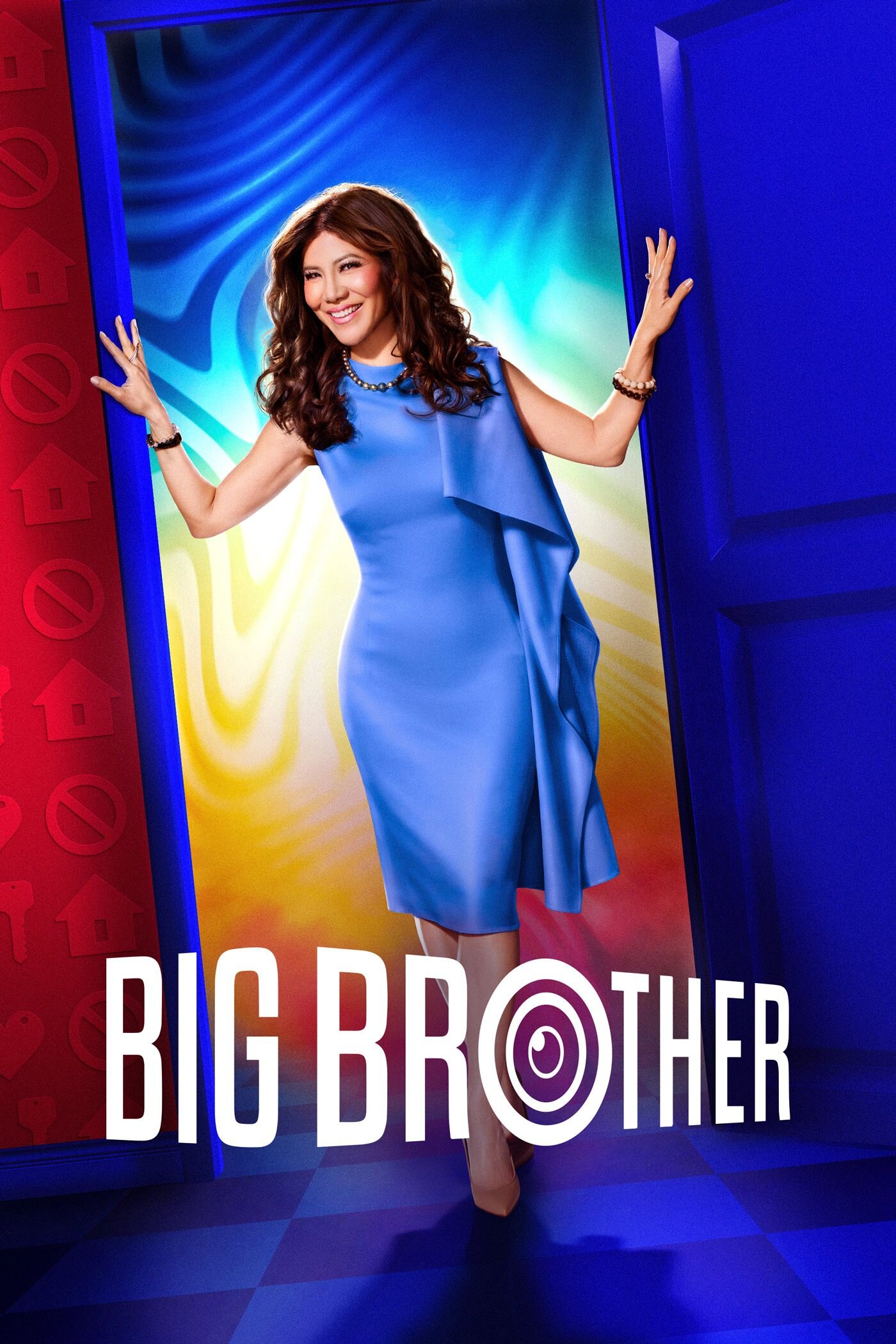
Strip away the house, the eviction, the confessional diary room, and you're left with the same dare the Louds took first: put people in a space, film everything, see what's actually true about them.
But It's a game show wearing documentary clothes, with prize money and strategy replacing anything resembling an honest domestic life.
Married at First Sight2014no page yet
The bluntest possible descendant — strangers married on camera for entertainment — and a useful gauge of just how far the genre has travelled from its quiet, unscripted, uncommercial origins.
But It's engineered, edited, and often cruel in ways the Louds' unhappiness never was; watch it only to see the format's cynical endpoint.
Scener ur ett äktenskap1973
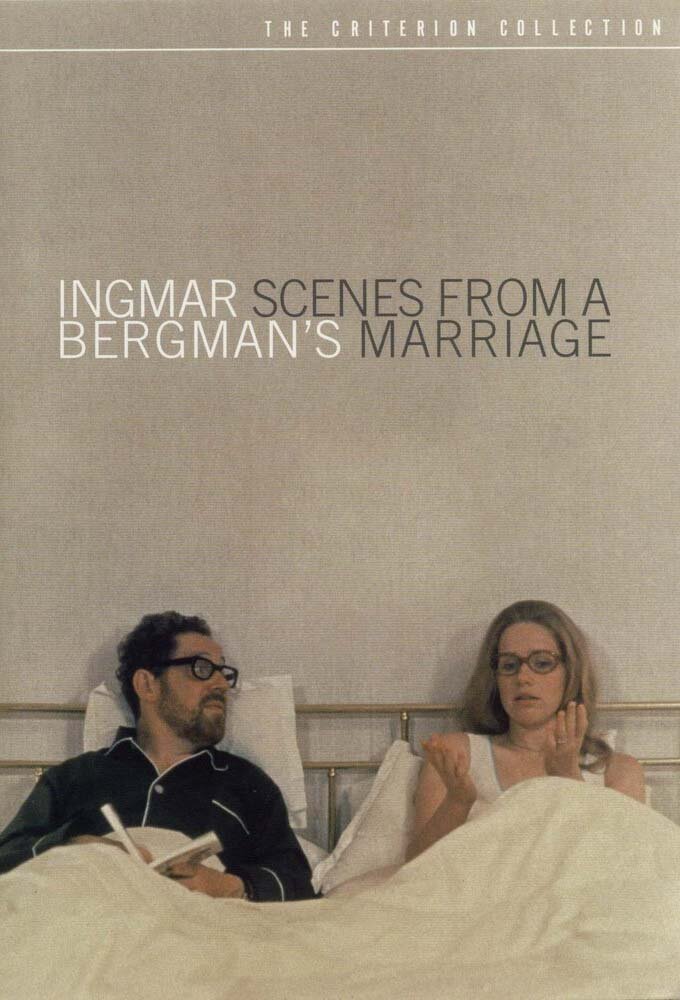
Made the same year, about the same subject — a marriage dissolving in real time — but scripted and performed rather than filmed as it happens; watch it beside the Louds to see documentary and fiction arrive at the same wound from opposite directions.
Bergman's six-part miniseries watches a marriage disintegrate over years with a psychological precision no documentary camera could access, using two extraordinary performances to go where a lens can't follow.
But It's talky, Swedish, subtitled, and emotionally merciless in a way that asks for real patience rather than the voyeuristic pull of watching real people.
Terrace House: Boys × Girls Next Door2012no page yet
Same premise the Louds and every reality show since has run — real people, cameras, no script — but filtered through Japanese social manners, where confrontation is nearly taboo; it shows what the format looks like when nobody is performing for conflict.
Six strangers share a house with no producers pushing drama, and the tension comes from politeness, awkward silence, and unspoken feeling rather than shouting — reality television with the volume turned all the way down.
But If you came to reality TV for conflict and catharsis, the deliberate quietness and lack of narrative payoff will feel like nothing is happening.
Recommended by
Brothers & Sisters, Scener ur ett äktenskap, Modern Family, Growing Pains, A Year in the Life, Everybody Loves Raymond, Family, Goodyear Television Playhouse, Rhoda, Leave It to Beaver, The Adventures of Ozzie and Harriet, The Real World, 56 Up, Jersey Shore, Big Brother, Couples Therapy, Terrace House: Opening New Doors, Geordie Shore